

Choosing the right automated testing software can dramatically improve your development workflow, reduce bugs, and accelerate releases. The best options vary widely—from comprehensive frameworks like Playwright to AI-powered solutions—each with distinct strengths and tradeoffs. While some tools excel in ease of use for beginners, others offer advanced scripting and integration capabilities for experienced testers. Cost, scalability, and flexibility remain key factors in making the right choice. Continue reading for a detailed breakdown of the top options and how they stack up for different needs.

Get business pricing on monitors, keyboards and dev gear
- Business-only prices and quantity discounts
- Tax-exempt purchasing
- Multiple users, one account, clear invoices
Key Takeaways
- The top picks balance ease of use with advanced features, catering to both beginners and expert testers.
- AI-driven testing tools are gaining ground but often require a learning curve and integration effort.
- Playwright remains a standout for web automation, especially when combined with TypeScript for modern development stacks.
- Cost and licensing models vary significantly, which impacts long-term value for different team sizes.
- Selecting the right tool depends heavily on your existing tech stack, team skill level, and testing scope.
| Web Automation Testing Using Playwright: End-to-end, API, accessibility, and visual testing using Playwright (English Edition) |  | Best for Comprehensive Web Testing with Playwright | Language: English | Testing Types Covered: End-to-end, API, accessibility, visual | Intended Audience: Developers and testers | VIEW LATEST PRICE | See Our Full Breakdown |
| Spec-Driven Software Testing with AI: Build Reliable Test Suites from Specifications with AI, Test Automation, TDD, API Testing, and CI/CD |  | Best for AI-Driven, Specification-Based Testing Enthusiasts | Focus Areas: AI, TDD, API testing, CI/CD | Target Audience: Experienced developers and QA engineers | Approach: Spec-driven, AI-powered | VIEW LATEST PRICE | See Our Full Breakdown |
| Implementing Automated Software Testing: How to Save Time and Lower Costs While Raising Quality |  | Best for Practical Cost-Effective Automation Strategies | Approach: High-level, strategic | Focus: Time and cost reduction | Intended Audience: Developers and managers | VIEW LATEST PRICE | See Our Full Breakdown |
| Complete Guide to Test Automation: Techniques, Practices, and Patterns for Building and Maintaining Effective Software Projects |  | Best for Balanced, In-Depth Test Automation Knowledge | Coverage: Techniques, practices, patterns | Audience: Beginners and experienced testers | Focus: Building and maintaining effective automation | VIEW LATEST PRICE | See Our Full Breakdown |
| Design Patterns for High-Quality Automated Tests: High-Quality Test Attributes and Best Practices | 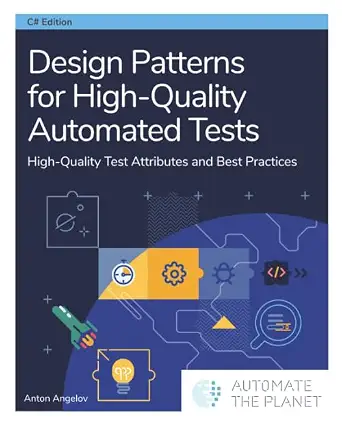 | Best for Test Design Quality and Best Practices | Focus: Test attributes, design patterns | Target Audience: Senior QA engineers and test architects | Approach: Design-focused | VIEW LATEST PRICE | See Our Full Breakdown |
| Playwright Automation Testing: Complete Guide with TypeScript |  | Best for Learning Playwright with TypeScript | Focus Area: Playwright and TypeScript | Content Depth: Beginner to intermediate | Coverage: Setup, best practices, advanced techniques | VIEW LATEST PRICE | See Our Full Breakdown |
| Automated Testing Unleashed: Automated Testing Engineering Fundamentals, Volume 1 |  | Best for Building a Foundation in Testing Strategies | Focus Area: Testing fundamentals | Content Depth: Beginner to intermediate | Coverage: Strategies, principles, best practices | VIEW LATEST PRICE | See Our Full Breakdown |
| AI-Driven Software Testing: Transforming Software Testing with Artificial Intelligence and Machine Learning |  | Best for Cutting-Edge AI/ML Testing Techniques | Focus Area: AI and ML in testing | Content Depth: Advanced | Coverage: Innovative techniques, practical applications | VIEW LATEST PRICE | See Our Full Breakdown |
| Hands-On Automated Testing with Playwright: Create Fast, Reliable, and Scalable Tests for Modern Web Apps with Microsoft’s Automation Framework |  | Best for Practical Playwright Application and Web Testing | Focus Area: Playwright for web testing | Content Depth: Practical, application-based | Coverage: Creating scalable and reliable tests | VIEW LATEST PRICE | See Our Full Breakdown |
| automated testing software | Format | Target Audience | Coverage |
|---|---|---|---|
| Web Automation Testing Using P | Book | — | — |
| Spec-Driven Software Testing w | Book | Experienced developers and QA engineers | — |
| Implementing Automated Softwar | Book | — | — |
| Complete Guide to Test Automat | Book | — | Techniques, practices, patterns |
| Design Patterns for High-Quali | Book | Senior QA engineers and test architects | — |
| Playwright Automation Testing: | Theoretical + practical examples | Developers and testers learning automation | Setup, best practices, advanced techniques |
| Automated Testing Unleashed: A | Theoretical with practical insights | Testing engineers and managers | Strategies, principles, best practices |
| AI-Driven Software Testing: Tr | Conceptual with real-world examples | Experienced testers, AI/ML practitioners | Innovative techniques, practical applications |
| Hands-On Automated Testing wit | Hands-on guidance | Web developers, QA engineers | Creating scalable and reliable tests |
More Details on Our Top Picks
Web Automation Testing Using Playwright: End-to-end, API, accessibility, and visual testing using Playwright (English Edition)
This book stands out for its detailed coverage of multiple testing types—end-to-end, API, accessibility, and visual testing—making it a valuable resource for developers and testers looking to deepen their Playwright skills. Unlike the more technical Spec-Driven Software Testing with AI, which focuses on AI and specification-based testing, this guide emphasizes practical application of Playwright for real-world testing scenarios. Its strength lies in offering broad, hands-on guidance, though it lacks specific technical examples and product details that some advanced users might seek. For those aiming to implement comprehensive web tests efficiently, this book provides a solid foundation, but it may fall short for professionals needing in-depth technical implementation or the latest automation patterns.
Pros:- Covers multiple testing types with Playwright in one resource
- Practical guidance suitable for both developers and testers
- Focus on real-world application enhances learning
Cons:- Lacks detailed technical implementation steps
- No customer ratings or concrete pricing info
Best for: Developers and testers seeking a practical, all-in-one resource for Playwright-based web testing.
Not ideal for: Automation engineers looking for detailed technical implementation or advanced scripting patterns beyond Playwright’s scope.
- Language:English
- Testing Types Covered:End-to-end, API, accessibility, visual
- Intended Audience:Developers and testers
- Format:Book
Our verdict“This book is ideal for those wanting a broad, practical introduction to web automation testing using Playwright.”
Spec-Driven Software Testing with AI: Build Reliable Test Suites from Specifications with AI, Test Automation, TDD, API Testing, and CI/CD
Compared with Implementing Automated Software Testing, which offers high-level strategies for automation, this book dives into AI-powered, specification-driven testing, making it a go-to for teams integrating AI and TDD into their workflows. Its comprehensive coverage of AI and CI/CD integration can transform testing processes, yet its technical depth may overwhelm beginners unfamiliar with these concepts. If your team aims to leverage AI to build reliable, scalable test suites aligned with formal specifications, this resource offers detailed insights, although it may require prior knowledge of automation and AI fundamentals. For organizations seeking cutting-edge AI methods to enhance testing reliability, this book delivers valuable strategies, albeit with a steep learning curve for newcomers.
Pros:- Extensive coverage of AI-driven testing methods
- Focus on building reliable, specification-based test suites
- Includes practical guidance on CI/CD integration
Cons:- May be too technical for readers new to automation or AI
- No specific product features or software tools discussed
Best for: QA teams and developers integrating AI, TDD, and CI/CD into their testing pipelines.
Not ideal for: Beginners or teams seeking a straightforward, non-technical introduction to test automation.
- Focus Areas:AI, TDD, API testing, CI/CD
- Target Audience:Experienced developers and QA engineers
- Approach:Spec-driven, AI-powered
- Format:Book
Our verdict“This book is best suited for experienced teams looking to incorporate AI and specification-driven testing into advanced automation pipelines.”
Implementing Automated Software Testing: How to Save Time and Lower Costs While Raising Quality
Compared with Complete Guide to Test Automation, which offers in-depth techniques and patterns, this book emphasizes strategies to quickly implement automation that reduces both time and costs. Its pragmatic approach helps teams identify high-impact automation efforts, but it lacks detailed technical steps, which might frustrate those seeking hands-on implementation guidance. This resource makes the most sense for managers and developers aiming to prioritize efficiency and ROI in their testing efforts, although it may leave beginners without enough technical depth to start automation from scratch. For organizations seeking a high-level roadmap to automation that saves resources, this book provides clear, actionable advice, though it trades off in-depth technical detail.
Pros:- Focuses on practical strategies to save time and costs
- Helps improve overall software quality efficiently
- Accessible for teams with limited automation experience
Cons:- Lacks detailed, step-by-step technical instructions
- High-level overview may require supplemental technical resources
Best for: Developers and managers looking to quickly implement cost-effective automation strategies.
Not ideal for: Beginners seeking step-by-step technical guidance or detailed scripting examples.
- Approach:High-level, strategic
- Focus:Time and cost reduction
- Intended Audience:Developers and managers
- Format:Book
Our verdict“This book is ideal for teams seeking quick, practical guidance to improve testing efficiency and reduce costs.”
Complete Guide to Test Automation: Techniques, Practices, and Patterns for Building and Maintaining Effective Software Projects
Compared with Design Patterns for High-Quality Automated Tests, which hones in on specific test design strategies, this comprehensive guide covers a broad spectrum of techniques, practices, and patterns suitable for both beginners and experienced testers. Its in-depth coverage helps teams build robust automation frameworks, although the lack of detailed technical examples in the description might leave some readers wanting more concrete implementation guidance. This book makes sense for those seeking a balanced, foundational understanding of test automation principles while also exploring advanced patterns. If your goal is to develop or refine an automation architecture with proven practices, this resource offers a strong, all-encompassing foundation, but it may require supplementary technical resources for complex projects.
Pros:- Extensive coverage of test automation techniques and practices
- Suitable for both beginners and experienced testers
- Focus on building maintainable, effective automation frameworks
Cons:- Lacks detailed technical examples in the description
- No specific edition or publication date provided
Best for: QA professionals and developers seeking a comprehensive, balanced introduction and deepening of test automation practices.
Not ideal for: Teams seeking quick, highly specific technical examples without broader strategic guidance.
- Coverage:Techniques, practices, patterns
- Audience:Beginners and experienced testers
- Focus:Building and maintaining effective automation
- Format:Book
Our verdict“This guide is well-suited for teams wanting a balanced, in-depth understanding of test automation fundamentals and best practices.”
Design Patterns for High-Quality Automated Tests: High-Quality Test Attributes and Best Practices
In contrast to the broader technical scope of Complete Guide to Test Automation, this book concentrates specifically on design patterns and attributes that lead to high-quality, reliable automated tests. Its focus on best practices for test design makes it especially useful for teams aiming to improve test reliability and maintainability through strategic test attributes. While it offers valuable insights into test structure and attributes, it provides limited information on technical implementation details or specific tools. This makes it more suitable for teams already familiar with automation principles who want to elevate their test quality through sound design patterns. If your primary concern is creating durable, high-quality tests, this pick offers targeted guidance, though it may need to be supplemented with more technical resources.
Pros:- Focuses on high-quality test attributes and design patterns
- Provides strategies for improving test reliability and maintainability
- Suitable for experienced testers seeking best practices
Cons:- Limited information on specific technical tools or implementation
- No detailed technical examples provided
Best for: Test architects and senior QA engineers focused on improving test reliability through design patterns.
Not ideal for: Junior testers or teams looking for comprehensive technical tutorials or scripting examples.
- Focus:Test attributes, design patterns
- Target Audience:Senior QA engineers and test architects
- Approach:Design-focused
- Format:Book
Our verdict“This book is perfect for teams aiming to enhance test quality through strategic design patterns and attributes.”
Playwright Automation Testing: Complete Guide with TypeScript
This book stands out for its thorough coverage of Playwright and TypeScript, making it an excellent resource for those new to web automation or developers seeking to deepen their understanding. Compared with Hands-On Automated Testing with Playwright, this guide offers a broader theoretical foundation alongside practical examples, though it can feel dense for complete beginners without prior coding experience. Its focus on best practices helps streamline testing workflows, but the lack of detailed technical specs may leave advanced users wanting more specific configurations. Overall, this pick is best suited for learners aiming to master Playwright and TypeScript together, especially if they prefer structured, comprehensive guidance.
Pros:- Comprehensive coverage of Playwright and TypeScript fundamentals
- Suitable for both beginners and experienced testers
- Includes practical examples and best practices
Cons:- No specific technical specifications or configurations provided
- Content may be dense and overwhelming for absolute beginners
Best for: Test engineers and developers new to Playwright and TypeScript who want a deep, structured learning resource
Not ideal for: Experienced automation specialists seeking quick-start guides or technical deep-dives into specific frameworks
- Focus Area:Playwright and TypeScript
- Content Depth:Beginner to intermediate
- Coverage:Setup, best practices, advanced techniques
- Format:Theoretical + practical examples
- Technical Details:Not specified
- Target Audience:Developers and testers learning automation
Our verdict“This book is ideal for learners looking for an in-depth, structured approach to Playwright automation with TypeScript.”
Automated Testing Unleashed: Automated Testing Engineering Fundamentals, Volume 1
This handbook excels at delivering a broad overview of automated testing fundamentals, making it suitable for professionals seeking a foundational understanding. Unlike Hands-On Automated Testing with Playwright, which focuses specifically on Playwright, this volume covers core testing concepts applicable across various tools and frameworks. Its detailed explanations help newcomers grasp essential strategies, but the lack of specific technical features or customer feedback might limit its practical application. This volume is a strong choice for those starting in testing engineering or aiming to understand the principles behind automation, even if they already use specific tools like Playwright or AI-based solutions.
Pros:- Comprehensive coverage of automation testing fundamentals
- Suitable for both beginners and experienced professionals
- Provides detailed explanations and practical insights
Cons:- Lacks specific features or technical configuration details
- No customer reviews or detailed practical examples included
Best for: Testing professionals new to automation engineering or managers building foundational knowledge
Not ideal for: Advanced testers looking for detailed implementation guides or tool-specific instructions
- Focus Area:Testing fundamentals
- Content Depth:Beginner to intermediate
- Coverage:Strategies, principles, best practices
- Format:Theoretical with practical insights
- Technical Details:Not provided
- Target Audience:Testing engineers and managers
Our verdict“This book offers a solid overview of testing engineering essentials, ideal for newcomers or those needing to reinforce their foundational knowledge.”
AI-Driven Software Testing: Transforming Software Testing with Artificial Intelligence and Machine Learning
This publication provides valuable insights into how artificial intelligence and machine learning are reshaping testing processes, making it a prime pick for those interested in modern, innovative approaches. Compared with Playwright Automation Testing, which emphasizes specific frameworks, this book explores broader AI/machine learning techniques that can augment any testing tool. Its detailed discussion of practical applications makes it useful for teams aiming to incorporate AI into their workflows, though the lack of step-by-step technical instructions may limit immediate implementation. This resource is best suited for experienced testers and AI enthusiasts eager to incorporate advanced tech into their testing strategies.
Pros:- Provides insights into cutting-edge AI and ML testing techniques
- Covers practical applications to improve testing efficiency
- Extensive coverage of modern testing methods
Cons:- Lacks detailed technical implementation steps
- May be too advanced for those new to AI or ML
Best for: Test managers and engineers exploring AI and ML applications in testing environments
Not ideal for: Beginners or teams needing step-by-step technical implementation guidance
- Focus Area:AI and ML in testing
- Content Depth:Advanced
- Coverage:Innovative techniques, practical applications
- Format:Conceptual with real-world examples
- Technical Details:Limited implementation specifics
- Target Audience:Experienced testers, AI/ML practitioners
Our verdict“This book is tailored for experienced teams seeking to leverage AI and machine learning to advance testing processes and accuracy.”
Hands-On Automated Testing with Playwright: Create Fast, Reliable, and Scalable Tests for Modern Web Apps with Microsoft’s Automation Framework
This book makes a strong case for practical, hands-on guidance in using Playwright to develop scalable web tests. Unlike Playwright Automation Testing: Complete Guide with TypeScript, which offers a broader theoretical approach, this title focuses intensely on real-world application, emphasizing creating reliable and scalable tests for modern web apps. Its emphasis on Microsoft’s framework ensures relevance for those working in contemporary web environments, but the absence of technical specifications or reviews might make it less appealing for users seeking detailed configuration options. It’s best suited for developers who need specific guidance on building real-world Playwright tests quickly and effectively.
Pros:- Provides practical guidance on Playwright automation testing
- Focuses on creating reliable and scalable tests
- Ideal for modern web application testing
Cons:- No specific technical specifications provided
- Lacks customer reviews or detailed technical configurations
Best for: Web developers and testers needing practical, scalable Playwright testing guidance
Not ideal for: Beginners or those looking for a theoretical understanding of automation frameworks
- Focus Area:Playwright for web testing
- Content Depth:Practical, application-based
- Coverage:Creating scalable and reliable tests
- Format:Hands-on guidance
- Technical Details:Not specified
- Target Audience:Web developers, QA engineers
Our verdict“This book is best for developers seeking practical, scalable Playwright solutions for modern web testing challenges.”

How We Picked
This lineup was curated based on a combination of performance, versatility, ease of integration, and user feedback. We prioritized tools that support a range of testing types—such as API, UI, accessibility, and visual testing—since comprehensive coverage is vital. The evaluation also considered build quality, documentation, community support, and scalability. Our goal was to identify options that offer real value for different team sizes and skill levels, from entry-level to enterprise-grade solutions. The rankings reflect a balanced view of features versus complexity and cost, ensuring each product serves a specific segment effectively.| automated testing software | Format | Target Audience | Coverage |
|---|---|---|---|
| Web Automation Testing Using P | Book | — | — |
| Spec-Driven Software Testing w | Book | Experienced developers and QA engineers | — |
| Implementing Automated Softwar | Book | — | — |
| Complete Guide to Test Automat | Book | — | Techniques, practices, patterns |
| Design Patterns for High-Quali | Book | Senior QA engineers and test architects | — |
| Playwright Automation Testing: | Theoretical + practical examples | Developers and testers learning automation | Setup, best practices, advanced techniques |
| Automated Testing Unleashed: A | Theoretical with practical insights | Testing engineers and managers | Strategies, principles, best practices |
| AI-Driven Software Testing: Tr | Conceptual with real-world examples | Experienced testers, AI/ML practitioners | Innovative techniques, practical applications |
| Hands-On Automated Testing wit | Hands-on guidance | Web developers, QA engineers | Creating scalable and reliable tests |
Factors to Consider When Choosing Automated Testing Software
When selecting automated testing software, understanding your team’s needs and project scope is essential. Not all tools are suited for every environment; some excel in web testing, while others provide broader application support. Key factors like ease of use, integration with existing CI/CD pipelines, and support for modern frameworks influence long-term success. Avoid common pitfalls such as over-investing in overly complex solutions for simple projects or choosing tools that don’t scale well as your needs grow. Carefully weighing these considerations will help you avoid costly missteps and ensure your testing automation delivers maximum value.Ease of Use and Learning Curve
Some tools, like Playwright, are known for their developer-friendly APIs, making them accessible for teams familiar with modern JavaScript or TypeScript. Others, especially AI-driven solutions, may require more setup and learning but offer advanced capabilities for complex scenarios. Balancing ease of adoption against the need for sophisticated features is key to avoiding delays and maximizing productivity. If your team lacks extensive scripting experience, prioritize tools with intuitive interfaces and comprehensive documentation.
Integration with Development Workflow
Effective testing solutions seamlessly integrate with your existing CI/CD pipelines, version control systems, and test management tools. Some options provide native integrations or plugins for popular platforms like Jenkins, GitHub Actions, or GitLab. Poor integration can cause bottlenecks, reduce test reliability, and increase maintenance overhead. Consider how well a tool supports your current infrastructure and whether additional customization or scripting is needed to fit into your workflow.
Scope of Testing and Flexibility
Not all software supports the full spectrum of testing needs—API, UI, accessibility, visual, and performance. For comprehensive coverage, look for solutions that support multiple testing types within a single platform. Flexibility to adapt tests as your application evolves is also important, especially for agile teams. Be wary of tools that excel only in one niche but lack extensibility or cross-platform support, which could limit future growth.
Cost and Licensing Model
The total cost of ownership depends heavily on licensing models—per-user, per-test, or enterprise subscriptions. Open-source options may reduce upfront costs but can require significant maintenance and setup effort. Proprietary tools often include dedicated support, which can justify higher prices for enterprise needs. Evaluate your budget against the expected scale of testing to avoid overpaying or under-investing in capabilities that won’t meet your needs long-term.
Maintenance and Scalability
As applications grow, so does the complexity of maintaining tests. Look for tools with features that simplify updates and debugging, such as modular test design or visual editors. Scalability is also critical; solutions that perform well with increasing test volumes and support parallel execution help maintain fast feedback cycles. Avoid tools with limited scalability, which can become bottlenecks as your testing demands increase.
Frequently Asked Questions
How do I choose between open-source and commercial automated testing tools?
Open-source tools like Playwright or Selenium offer flexibility and cost savings but often require more setup and ongoing maintenance. Commercial options typically provide dedicated support, easier onboarding, and integrated features that can save time and reduce friction, especially for larger teams. Your choice should depend on your team’s technical expertise, budget, and whether you need enterprise-grade support. For teams with limited resources or less testing experience, a commercial product with support could prove more reliable in the long run.
What are the most important features to look for in automated testing software?
Key features include support for multiple testing types (UI, API, accessibility), ease of scripting, and integration with your development environment. Automated test maintenance tools, such as version control and debugging aids, also matter significantly. Additionally, scalability features like parallel execution and cloud support can speed up testing cycles. The right combination of features depends on your project scope, team size, and technical stack, so prioritize those that align best with your specific needs.
Can AI-driven testing tools replace traditional scripting entirely?
AI-driven tools are making automation more accessible by generating and maintaining tests with less manual scripting. However, they often still require initial setup, ongoing oversight, and fine-tuning for complex scenarios. While AI can reduce routine work and help detect flaky tests, it is unlikely to fully replace traditional scripting in the near term, especially for highly specialized or performance-critical tests. Combining AI features with manual scripting typically offers the best balance of efficiency and control.
Is it better to choose a specialized testing tool or a comprehensive platform?
Specialized tools excel in specific areas, such as visual testing or API validation, and can offer deep features tailored to those needs. Comprehensive platforms provide broader coverage across multiple test types, which simplifies management in complex applications. Your decision should consider your current testing scope and future growth plans. For small projects or teams new to automation, an all-in-one platform might reduce complexity, while larger teams with specific needs may benefit from specialized solutions.
How do I evaluate the long-term value of an automated testing tool?
Assess factors such as how well the tool scales with your project, the availability of ongoing updates, and community or vendor support. Consider the learning curve and whether the tool integrates smoothly into your existing workflow, reducing future overhead. Additionally, evaluate the total cost of ownership, including licensing, training, and maintenance. A tool that adapts to your evolving needs and minimizes manual effort will generally offer greater long-term value.
Conclusion
For teams new to automation or seeking quick wins, a user-friendly and well-supported platform like Playwright makes a compelling choice. Larger organizations or those with complex testing environments might lean toward AI-driven solutions for scalability or premium offerings for dedicated support. Cost-conscious teams should consider open-source options paired with internal expertise, while those needing comprehensive coverage might opt for integrated platforms that handle multiple testing types in one suite. Matching your testing needs with the right tool ensures efficient, scalable, and reliable automation—empowering your development process in 2026.
Halloween Picks
halloween
As an affiliate, we earn on qualifying purchases.