

Finding the best hardware hacking kits in 2026 requires balancing versatility, ease of use, and depth of features. The HackyPi stands out for its educational focus, making it ideal for newcomers, while the Hacking Hardware Guide offers a comprehensive toolkit for advanced pentesting. The main tradeoffs often involve complexity versus accessibility: more powerful kits tend to have a steeper learning curve. Continue reading for a detailed breakdown of the top options and what makes each unique.
Key Takeaways
- The top kits vary significantly in complexity, from beginner-friendly devices like HackyPi to professional-grade tools like Hacking Hardware.
- Portability and form factor often dictate the suitability for fieldwork versus lab setups.
- Versatility in supported protocols (USB, Wi-Fi, Bluetooth, RFID) is a key differentiator among the best kits.
- Pricing ranges widely, with premium kits offering extensive features but at a higher cost, while entry-level options provide good value for learners.
- Most comprehensive kits balance hardware capabilities with software support, emphasizing ease of integration.
| Hacking Hardware: The Practical Guide to Hands-On Hardware Pentesting, Red Team Tools, and Prevention for USB, Wi-Fi, Bluetooth, RFID |  | Best for Security Professionals and Advanced Enthusiasts | Coverage: USB, Wi-Fi, Bluetooth, RFID security | Format: Printed book | Target Audience: Security professionals, enthusiasts | VIEW LATEST PRICE | See Our Full Breakdown |
| HackyPi – DIY USB Hacking Tool for Security and Educational Purposes |  | Best for Beginners and Makers | Microcontroller: Raspberry Pi RP2040 | Display: TFT 1.14 inch | Storage: On-board SD card | VIEW LATEST PRICE | See Our Full Breakdown |
| Hack Pi RP2350 – Compact USB-C Dev Board with HID Injection for Educational and Development Use |  | Best for Embedded Development and Automation | Microcontroller: Raspberry Pi RP2350 | Connectivity: USB-C | Compatibility: Windows, Linux, Android | VIEW LATEST PRICE | See Our Full Breakdown |
| Kali Linux Bootable USB for Ethical Hacking & Cybersecurity |  | Best for Penetration Testers and Cybersecurity Professionals | Connectivity: USB-A & USB-C | Compatibility: Legacy BIOS & UEFI | Builds Included: amd64 + arm64 | VIEW LATEST PRICE | See Our Full Breakdown |
| The Hardware Hacking Handbook: Breaking Embedded Security with Hardware Attacks | 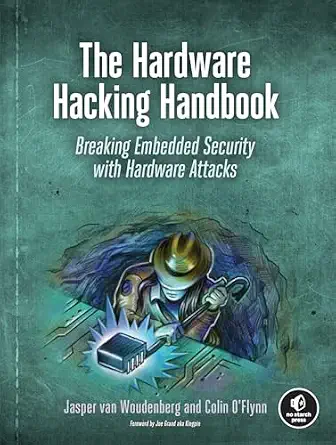 | Best for Advanced Security Researchers | Content Focus: Hardware attack techniques | Approach: In-depth, technical | Target Audience: Security professionals | VIEW LATEST PRICE | See Our Full Breakdown |
| DIY USB Hacking Tool Based on Hacky Pi |  | Best for Educational Cybersecurity Practice | Microcontroller: Raspberry Pi RP2040 | Processor: Dual-core ARM Cortex-M0+ | Display: 1.14-inch TFT, 240×135 resolution | VIEW LATEST PRICE | See Our Full Breakdown |
| Kali Linux 2026.2 Bootable USB – Penetration Testing & Ethical Hacking Live OS Installer |  | Best for Portable, Professional Penetration Testing | Memory Storage Capacity: 8 GB | Hardware Interface: USB 3.0 | Write Speed: 12x | VIEW LATEST PRICE | See Our Full Breakdown |
| Single Machine for Flipper Zero Programming |  | Best for Flipper Zero Enthusiasts and Custom Device Programmers | Country of Origin: China | VIEW LATEST PRICE | See Our Full Breakdown |
| hardware hacking kit | Compatibility |
|---|---|
| Hacking Hardware: The Practica | — |
| HackyPi | Windows, Mac, Linux |
| Hack Pi RP2350 | Windows, Linux, Android |
| Kali Linux Bootable USB for Et | Legacy BIOS & UEFI |
| The Hardware Hacking Handbook: | — |
| DIY USB Hacking Tool Based on | Windows, Mac, Linux |
| Kali Linux 2026.2 Bootable USB | — |
| Single Machine for Flipper Zer | — |
More Details on Our Top Picks
Hacking Hardware: The Practical Guide to Hands-On Hardware Pentesting, Red Team Tools, and Prevention for USB, Wi-Fi, Bluetooth, RFID
This book earns its spot as the best comprehensive resource for hardware pentesting by providing in-depth insights into USB, Wi-Fi, Bluetooth, and RFID vulnerabilities. Compared with the DIY-focused HackyPi, this guide emphasizes understanding attack techniques and defense strategies, making it ideal for security teams. However, it falls short on step-by-step tutorials, which might challenge beginners. Its broad coverage makes it indispensable for those aiming to master hardware security at a professional level, but less suitable for hobbyists without prior experience.
Pros:- Extensive coverage of hardware penetration testing techniques
- Focus on real-world red team operations and prevention
- Useful for both learning and professional reference
Cons:- Lacks detailed, beginner-friendly step-by-step instructions
- Requires prior understanding of security concepts
Best for: Security professionals and advanced hardware hacking enthusiasts seeking theoretical and practical knowledge
Not ideal for: Beginners or hobbyists looking for hands-on, step-by-step DIY projects
- Coverage:USB, Wi-Fi, Bluetooth, RFID security
- Format:Printed book
- Target Audience:Security professionals, enthusiasts
Our verdict“This book is perfect for security pros who want a deep theoretical foundation, but less so for newcomers seeking practical tutorials.”
HackyPi – DIY USB Hacking Tool for Security and Educational Purposes
HackyPi shines as an accessible, open-source hacking platform built around the Raspberry Pi RP2040 microcontroller. Unlike the more advanced Kali Linux USB, this device is designed for experimentation and learning, with features like a TFT display, SD card support, and Python programming support. It suits makers and educators better than seasoned cybersecurity professionals because it requires some technical skill to maximize its potential. Its open-source nature and compatibility across operating systems make it a flexible tool for hacking practice and coding projects, but it’s not built for high-end penetration testing or portable security audits without additional power options.
Pros:- Open-source hardware with versatile programming options
- Educational focus that encourages learning cybersecurity concepts
- Compatible with Windows, Mac, and Linux
Cons:- Requires some technical knowledge to fully utilize features
- Limited information on battery or portability for field use
Best for: Beginners, students, and hobbyists interested in hands-on learning and DIY hacking projects
Not ideal for: Advanced security researchers needing professional-grade tools or portable, all-in-one solutions
- Microcontroller:Raspberry Pi RP2040
- Display:TFT 1.14 inch
- Storage:On-board SD card
- Connectivity:Type A USB
- Compatibility:Windows, Mac, Linux
- Features:Open-source, Python support
Our verdict“HackyPi offers an ideal entry point for beginners and educators eager to explore hardware hacking in a hands-on, open-source environment.”
Hack Pi RP2350 – Compact USB-C Dev Board with HID Injection for Educational and Development Use
The Hack Pi RP2350 stands out for its small size and USB-C connectivity, making it ideal for embedded projects and HID injection tasks. While the HackyPi is excellent for learning programming, this device is more suited for developers aiming to incorporate HID emulation into custom hardware. Its open-source firmware and SDK are attractive for those who want full control, but it’s less beginner-friendly due to its reliance on existing hardware familiarity. Its compact form factor lends itself well to portable automation solutions, but the lack of onboard display or extensive I/O limits its use for more complex projects.
Pros:- Compact, portable design with USB-C support
- Supports HID emulation for versatile project applications
- Fully open source with accessible SDK
Cons:- Requires some technical expertise to deploy effectively
- Limited to USB-C compatible devices, reducing versatility
Best for: Embedded developers and automation enthusiasts seeking a portable HID injection tool
Not ideal for: Beginners or hobbyists unfamiliar with microcontroller development or HID emulation
- Microcontroller:Raspberry Pi RP2350
- Connectivity:USB-C
- Compatibility:Windows, Linux, Android
- Open Source:Yes
Our verdict“This device offers a compact, developer-focused solution for HID injection and embedded projects, best suited for experienced users.”
Kali Linux Bootable USB for Ethical Hacking & Cybersecurity
This Kali Linux bootable USB ranks as the best ready-to-go hacking toolkit for cybersecurity experts, with over 600 pre-installed tools covering network, web, and wireless security. Unlike the more specialized hardware-focused options, this USB provides a comprehensive environment for software-based penetration testing, making it highly versatile. Its compatibility with both USB-A and USB-C ensures broad hardware support, but the performance hinges on the quality of your USB drive and system configuration. It’s an essential for security professionals needing a portable, powerful toolkit, though it’s less useful for hardware hacking or physical security assessments.
Pros:- Supports both USB-A and USB-C for maximum compatibility
- Includes over 600 pre-installed security tools
- Customizable by adding or replacing ISO applications
Cons:- Requires some Linux and command-line familiarity
- Performance depends on USB hardware quality
Best for: Cybersecurity professionals and penetration testers needing a portable, all-in-one hacking environment
Not ideal for: Hobbyists seeking physical hardware hacking tools or DIY projects without a software focus
- Connectivity:USB-A & USB-C
- Compatibility:Legacy BIOS & UEFI
- Builds Included:amd64 + arm64
- Tools:600+ penetration testing tools
- Hardware Quality:High-quality flash chips
Our verdict“Kali Linux USB is the ideal portable environment for cybersecurity pros, but less suited for hardware-focused hacking tasks.”
The Hardware Hacking Handbook: Breaking Embedded Security with Hardware Attacks
This book earns its place as the most comprehensive guide to hardware attack techniques, focusing on breaking embedded security systems. It complements the more casual DIY tools like HackyPi by providing detailed methods and practical insights for security professionals conducting hardware security testing. The content is highly technical and assumes prior knowledge, making it unsuitable for beginners or hobbyists. For those aiming to deepen their understanding of hardware vulnerabilities and attack strategies, this handbook is an invaluable resource, though its complexity can be a barrier for newcomers.
Pros:- Deep, detailed coverage of hardware attack techniques
- Practical guidance rooted in real-world scenarios
- Ideal for security professionals conducting embedded device assessments
Cons:- Requires prior knowledge of hardware security principles
- Not suitable for those seeking beginner-friendly content
Best for: Experienced security researchers and professionals focused on embedded hardware security testing
Not ideal for: Beginners or hobbyists without a background in hardware security or electronics
- Content Focus:Hardware attack techniques
- Approach:In-depth, technical
- Target Audience:Security professionals
Our verdict“This handbook is best suited for advanced security researchers targeting embedded systems, not for newcomers or casual hobbyists.”
DIY USB Hacking Tool Based on Hacky Pi
This DIY USB hacking tool, built around the Raspberry Pi RP2040 microcontroller, stands out for its flexibility in ethical hacking and cybersecurity training. Compared to the HackyPi, which is similarly geared toward hobbyists, this device integrates a color TFT display and Python support, making it more accessible for learners interested in coding custom projects. Its support for multiple operating systems enhances versatility, but the modest display resolution and the need for some technical know-how can limit immediate usability for absolute beginners. This pick is ideal for cybersecurity students and hobbyists ready to experiment with Python scripting and data logging, but not suited for those seeking a plug-and-play device with minimal setup.
Pros:- Supports multiple OS and programming languages for customization
- Ideal for hands-on cybersecurity learning and experimentation
- Features a built-in display and SD card for expanded functionality
Cons:- Requires some technical skills to maximize its use effectively
- Limited display resolution may restrict complex interface designs
Best for: Cybersecurity students and hobbyists wanting an educational hacking platform with programming flexibility
Not ideal for: Complete beginners or users seeking a ready-to-use hacking device with minimal coding experience
- Microcontroller:Raspberry Pi RP2040
- Processor:Dual-core ARM Cortex-M0+
- Display:1.14-inch TFT, 240×135 resolution
- Storage:SD card slot
- LED:Built-in WS2812 LED
- Compatibility:Windows, Mac, Linux
Our verdict“This device is best for learners and hobbyists willing to tinker and customize their hacking toolkit, rather than those seeking simplicity.”
Kali Linux 2026.2 Bootable USB – Penetration Testing & Ethical Hacking Live OS Installer
Compared with the Hack Pi RP2350, which is more compact and geared toward development, this Kali Linux bootable USB offers a comprehensive, ready-to-run environment for cybersecurity professionals. It provides a full Kali Linux experience without the need for installation, making it highly portable for field assessments. Its 8 GB capacity is sufficient for many security tools but falls short if extensive data or additional tools are needed, unlike internal drives that can scale more easily. The USB 3.0 interface ensures decent transfer speeds, but slower than internal SSDs. This makes it an excellent choice for security experts needing a reliable, portable OS with robust penetration testing tools, though less ideal for users requiring large storage or faster internal performance.
Pros:- Boots directly into Kali Linux without installation for quick deployment
- Highly portable and compatible with most modern laptops
- Includes a comprehensive suite of security and testing tools
Cons:- Limited storage may restrict additional tools or data
- Slower than internal drives, potentially affecting large data transfers
Best for: Professional penetration testers and cybersecurity consultants needing a portable, all-in-one hacking environment
Not ideal for: Casual hobbyists or users who need extensive storage for large data sets or multiple tools
- Memory Storage Capacity:8 GB
- Hardware Interface:USB 3.0
- Write Speed:12x
- Read Speed:12 MB/s
- Connectivity Technology:USB
- Compatible Devices:Most modern computers
Our verdict“This bootable Kali USB is perfect for cybersecurity professionals who need a dependable, portable testing platform, but less so for those with extensive storage needs or faster internal options.”
Single Machine for Flipper Zero Programming
This device is tailored for users who want to program their Flipper Zero devices directly, making it a niche but essential tool for dedicated Flipper Zero owners. Unlike the HackyPi or Kali USB, which serve broader hacking or testing roles, this one focuses strictly on ensuring compatibility and smooth programming of Flipper Zero hardware. Its primary limitation is the lack of detailed features or integrated tools, relying heavily on verification of your own laptop’s compatibility. This makes it unsuitable for someone looking for a multi-purpose hacking device but invaluable for the Flipper Zero community that needs a dedicated programming interface.
Pros:- Specifically designed for Flipper Zero programming
- Ensures compatibility through verification process
- Simple, focused use case for dedicated users
Cons:- Limited information about additional features or capabilities
- Requires careful compatibility check before purchase
Best for: Existing Flipper Zero owners and hackers focused on customizing or updating their devices
Not ideal for: Beginners or users not already committed to Flipper Zero, due to limited feature set and verification requirements
- Country of Origin:China
Our verdict“This device makes the most sense for experienced Flipper Zero users needing a dedicated programming tool, not as a general hacking kit.”

How We Picked
Our evaluation focused on the overall performance, usability, and build quality of each kit, prioritizing tools that cater to both beginners and seasoned security experts. We considered how easily these kits can be assembled, configured, and used in real-world scenarios, alongside their versatility across various attack vectors. The ranking also reflects the value offered at different price points, ensuring each kit provides a meaningful combination of features relative to its cost. By analyzing user feedback and industry relevance, we aimed to highlight options that are reliable, flexible, and widely supported.| hardware hacking kit | Compatibility |
|---|---|
| Hacking Hardware: The Practica | — |
| HackyPi | Windows, Mac, Linux |
| Hack Pi RP2350 | Windows, Linux, Android |
| Kali Linux Bootable USB for Et | Legacy BIOS & UEFI |
| The Hardware Hacking Handbook: | — |
| DIY USB Hacking Tool Based on | Windows, Mac, Linux |
| Kali Linux 2026.2 Bootable USB | — |
| Single Machine for Flipper Zer | — |
Factors to Consider When Choosing Best Hardware Hacking Kits
Choosing the right hardware hacking kit involves considering several factors that impact usability, effectiveness, and future-proofing. Not all kits are created equal, and understanding your specific needs will help narrow down the options. Here are key considerations to keep in mind before making a purchase.Skill Level and Ease of Use
Some kits are designed with beginners in mind, featuring straightforward interfaces and step-by-step guides, while others cater to experienced hackers with complex capabilities. Assess your current knowledge and willingness to learn, and choose a kit that matches your comfort level. Investing in a more user-friendly kit can prevent frustration, but more advanced options will unlock deeper testing potential as your skills grow.
Supported Protocols and Attack Vectors
Consider what systems or devices you want to test—USB, Wi-Fi, Bluetooth, RFID, and others. The best kits support multiple protocols, offering greater flexibility. If your focus is on specific targets, prioritize kits that excel in those areas. Overlooking protocol support might limit your testing capabilities or require additional hardware, leading to increased costs and complexity.
Portability and Form Factor
Depending on your intended use—fieldwork, lab testing, or educational demos—size and weight matter. Compact kits like HackyPi are great for portability, but they might lack some features of larger setups. Conversely, bulkier devices may offer more connectivity options and power but are less convenient on the go. Weigh your mobility needs against the hardware’s robustness and expandability.
Software Support and Community
A thriving user community and solid software support can dramatically enhance your hacking experience. Look for kits with active forums, regular updates, and compatible software tools like Kali Linux. These resources can provide troubleshooting help, tutorials, and ready-made scripts, saving time and reducing frustration. Without good support, even powerful hardware can become difficult to leverage effectively.
Budget and Long-Term Value
High-end kits offer more capabilities but come with a higher price tag. Entry-level options are more budget-friendly but may lack advanced features or durability. Consider your long-term goals—if you plan to expand your hacking toolkit or pursue professional work, investing in a premium kit might be worthwhile. Conversely, if you’re just experimenting, a lower-cost starter kit can provide a solid foundation without overspending.
Frequently Asked Questions
Can I use these hacking kits legally?
Using hardware hacking kits legally depends on your intent and location. They are intended for security research, educational purposes, and authorized testing only. Unauthorized access to systems or devices can be illegal and lead to serious consequences. Always obtain explicit permission before performing any testing, and familiarize yourself with local laws to avoid violations.
Are these kits suitable for beginners?
Many kits in this list, like HackyPi and entry-level USB tools, are designed with beginners in mind. They typically come with user-friendly interfaces, tutorials, and community support, making them accessible for newcomers. However, some advanced kits require prior knowledge of electronics and networking. Assess your current skills and start with simpler options if you’re new to hardware hacking.
What hardware should I expect to expand my kit later?
Popular expansion options include additional RFID tags, Bluetooth modules, Wi-Fi adapters, and specialized probes. Compatibility with modular accessories can significantly extend the utility of your kit. When choosing a starter kit, check if it supports common peripherals or has open ports for expansion to future-proof your setup and broaden its testing scope.
How much should I budget for a complete hacking kit?
Entry-level kits can start around $50 to $150, suitable for beginners and light testing. Mid-range options typically cost between $150 and $300, offering more features and protocol support. Premium kits for professional use can exceed $500, providing extensive hardware, software, and durability. Your budget should align with your intended use, skill level, and long-term testing ambitions.
What safety precautions should I take when using these kits?
Always operate hardware hacking kits within a controlled environment and with explicit permission. Be aware of the potential to damage devices or interfere with networks, which could have legal repercussions. Use proper grounding and avoid working on live, sensitive systems. Education on safe handling and understanding the limits of your equipment can prevent accidents and protect your interests.
Conclusion
For those new to hardware hacking, the HackyPi offers an excellent starting point thanks to its simplicity and educational focus. If you seek a versatile, all-in-one toolkit for professional security testing, the Hacking Hardware set provides comprehensive features, though it comes at a higher cost. Budget-conscious users will find value in basic USB hacking tools, while seasoned experts might prefer premium, expandable kits with advanced capabilities. Ultimately, your choice depends on your skill level, target protocols, and testing environment—consider these factors carefully to select the best hardware hacking kit for your needs.