Open-back headphones suit home listening and quiet workspaces where an airy presentation matters more than sound isolation. My best overall pick is the Sennheiser HD 560S for its balanced sound and broad usefulness, while the Sennheiser HD 599 SE is a comfortable, easiergoing choice and the Sennheiser HD 600 is a strong fit for focused, revealing listening. Open designs let sound escape and admit room noise, so they are poor choices for commuting, shared offices, or recording near a microphone. The lineup also spans different impedance needs, tonal character, and comfort styles. Read on for the full breakdown and guidance on matching a pair to your setup.

Get business pricing on monitors, keyboards and dev gear
- Business-only prices and quantity discounts
- Tax-exempt purchasing
- Multiple users, one account, clear invoices
Complete the kit


Key Takeaways
- The HD 560S is the most versatile starting point: its balanced presentation makes it a stronger all-round choice than more specialized studio or premium models.
- The HD 600 and HD 650 serve different listening priorities: the HD 600 favors a more revealing, reference-minded approach, while the HD 650 is the premium alternative for listeners seeking a smoother, fuller character.
- Impedance changes the setup equation: the DT 990 PRO 80 Ohm versions are easier to pair broadly than the 250 Ohm model, which calls for more attention to amplifier output.
- The Philips SHP9500 and SHP9600 are accessible alternatives: their open presentation and approachable role make them appealing for casual home use, though neither replaces a more refined reference pick for every listener.
- Several entries overlap by design: the HD 599 and HD 599 SE, plus the black and gray DT 990 PRO 80 Ohm listings, are closely related options, so buyers should compare the exact version and included accessories rather than assume a major sound difference.
| Sennheiser HD 599 SE Open-Back Wired Audiophile Headphones, Black |  | Best Overall | Design: Open-back wired headphones | Driver size: 38 mm | Impedance: 50 ohms | VIEW ON AMAZON | See Our Full Breakdown |
| AKG K240 Studio Semi-Open Headphones | 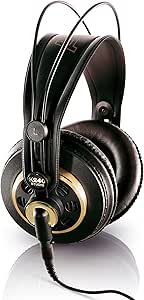 | Best for Studio Work on a Budget | Design: Semi-open | Transducer size: 30 mm XXL | Diaphragm: Patented Varimotion | VIEW ON AMAZON | See Our Full Breakdown |
| Sennheiser HD 505 Wired Open-Back Audiophile Headphones | 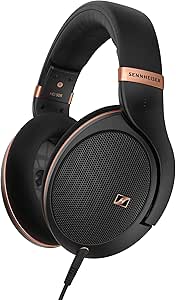 | Best for Clear, Detailed Listening | Model: HD 505 | Build: Copper Edition | Design: Open-back, over-ear | VIEW ON AMAZON | See Our Full Breakdown |
| Philips SHP9500 HiFi Stereo Over-Ear Headphones (Black) |  | Best for a Straightforward Desktop Setup | Driver size: 50 mm | Impedance: 32 ohms | Sensitivity: 101 dB | VIEW ON AMAZON | See Our Full Breakdown |
| beyerdynamic DT 990 PRO Studio Headphones (80 Ohm, Gray) |  | Best for Critical Listening | Design: Open-back, circumaural | Impedance: 80 ohms | Frequency response: 5–35,000 Hz | VIEW ON AMAZON | See Our Full Breakdown |
| beyerdynamic DT 990 Pro (250 Ohm) Open-Back Studio Headphones, Black |  | Best for Studio Detail | Impedance: 250 ohms | Frequency response: 5–35,000 Hz | Sensitivity: 96 dB | VIEW ON AMAZON | See Our Full Breakdown |
| Sennheiser HD 650 – Audiophile Open Back Dynamic Headphones | 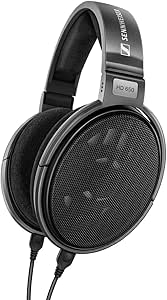 | Best for Relaxed Audiophile Listening | Design: Open-back, over-ear | Frequency response: 10–41,000 Hz | Sensitivity: 103 dB | VIEW ON AMAZON | See Our Full Breakdown |
| Sennheiser HD 600 Open-Back Audiophile Wired Headphones |  | Best for Critical Listening | Impedance: 300 Ω | Frequency response: 12–39,000 Hz | Total harmonic distortion: 0.1% | VIEW ON AMAZON | See Our Full Breakdown |
| Audio-Technica ATH-R50X Open-Back Headphones |  | Best for Flexible Studio Setups | Driver size: 45 mm | Design: Open-back | Weight: 207 g (7.36 oz) | VIEW ON AMAZON | See Our Full Breakdown |
| Sennheiser HD 599 Open-Back Wired Audiophile Headphones, Ivory |  | Best for Beginners | Impedance: 50 Ω | Driver type: Dynamic | Frequency range: 12–38,500 Hz | VIEW ON AMAZON | See Our Full Breakdown |
| Philips SHP9600 Over-Ear Open-Back Stereo Headphones, Wired with Detachable Audio Jack |  | Best Value for Home Listening | Driver size: 50 mm | Impedance: 32 ohm | Frequency response: Up to 35,000 Hz | VIEW ON AMAZON | See Our Full Breakdown |
| Beyerdynamic DT 990 PRO Studio Headphones (80 Ohm, Black) |  | Best for Studio Detail and Spatial Editing | Impedance: 80 ohm | Frequency response: 5 Hz–35,000 Hz | Sensitivity: 96 dB | VIEW ON AMAZON | See Our Full Breakdown |
| Sennheiser HD 560S Open-Back Over-Ear Wired Audiophile Headphones |  | Best for Accurate, Natural Listening | Driver size: 38 mm | Impedance: 120 ohm | Frequency response: 6 Hz–38 kHz | VIEW ON AMAZON | See Our Full Breakdown |
| open back headphone | Design | Impedance | Frequency response | Sensitivity |
|---|---|---|---|---|
| Sennheiser HD 599 SE Open-Back | Open-back wired headphones | 50 ohms | Up to 38,500 Hz | 106 dB |
| AKG K240 Studio Semi-Open Head | Semi-open | — | — | — |
| Sennheiser HD 505 Wired Open-B | Open-back, over-ear | — | — | — |
| Philips SHP9500 HiFi Stereo Ov | — | 32 ohms | — | 101 dB |
| beyerdynamic DT 990 PRO Studio | Open-back, circumaural | 80 ohms | 5–35,000 Hz | 96 dB |
| beyerdynamic DT 990 Pro | Open-back, over-ear | 250 ohms | 5–35,000 Hz | 96 dB |
| Sennheiser HD 650 | Open-back, over-ear | — | 10–41,000 Hz | 103 dB |
| Sennheiser HD 600 Open-Back Au | Open-back, over-ear | 300 Ω | 12–39,000 Hz | — |
| Audio-Technica ATH-R50X Open-B | Open-back | — | — | — |
| Sennheiser HD 599 Open-Back Wi | — | 50 Ω | — | — |
| Philips SHP9600 Over-Ear Open- | — | 32 ohm | Up to 35,000 Hz | 101 dB |
| Beyerdynamic DT 990 PRO Studio | Open-back | 80 ohm | 5 Hz–35,000 Hz | 96 dB |
| Sennheiser HD 560S Open-Back O | — | 120 ohm | 6 Hz–38 kHz | 110 dB |
More Details on Our Top Picks
Sennheiser HD 599 SE Open-Back Wired Audiophile Headphones, Black
The Sennheiser HD 599 SE is the most balanced all-rounder here: its natural presentation and spacious soundstage suit music, gaming, and general home listening without narrowing the choice to studio work. Plush velour pads support longer sessions, while the included 3.5 mm and 6.3 mm detachable cables make it easier to connect to everyday devices or home audio gear. Compared with the Philips SHP9500, the HD 599 SE offers a more comfort-focused package and two cable options; the Philips instead lists a larger 50 mm driver and a steel headband. The tradeoff is shared by both: sound escapes through the open cups, so neither is a good fit for quiet shared rooms or noisy commutes. I’d choose this model for versatility, not isolation or wireless freedom.
Pros:- Balanced sound and spacious presentation suit several listening uses
- Plush velour ear pads support extended sessions
- Includes detachable 3 m 6.3 mm and 1.2 m 3.5 mm cables
- 50-ohm impedance supports compatibility with a range of listed devices
Cons:- Open-back cups leak sound and provide little isolation
- Wired listening limits movement compared with wireless headphones
- The longer cable can be cumbersome for portable use
Best for: Home listeners who want one comfortable open-back pair for music, gaming, and connection to both 3.5 mm devices and 6.3 mm audio gear.
Not ideal for: Commuters, office users near other people, or anyone who needs wireless listening or sound isolation.
- Design:Open-back wired headphones
- Driver size:38 mm
- Impedance:50 ohms
- Frequency response:Up to 38,500 Hz
- Sensitivity:106 dB
- Cables:Detachable 3 m 6.3 mm and 1.2 m 3.5 mm
- Color:Black
- Warranty:2 years
Our verdict“Choose the HD 599 SE if you want a comfortable, versatile home open-back headphone with useful cable options, and skip it if you need isolation or wireless use.”
AKG K240 Studio Semi-Open Headphones
The AKG K240 Studio is the most studio-oriented, restrained choice in this group, with a semi-open design and Varimotion diaphragms aimed at clear highs and a broad dynamic range. Its self-adjusting headband is a practical advantage for long editing or recording sessions, and the included screw-on adapter lets its 1/8-inch plug connect to 1/4-inch equipment. Compared with the fully open beyerdynamic DT 990 PRO 80 Ohm, the K240 is a more modest fit for listeners seeking a semi-open studio headphone rather than a more expansive open presentation. But semi-open does not mean private: sound can still leak, and outside noise can still intrude. The supplied product details conflict on the cable, describing it as detachable in one place and fixed in another, so I would verify that point before buying.
Pros:- Semi-open design offers a studio-focused alternative to fully open models
- Self-adjusting headband and over-ear pads suit long sessions
- Included screw-on 1/4-inch adapter supports different audio connections
- Varimotion diaphragms are specified for wide dynamic range and clear highs
Cons:- Sound leakage and ambient noise remain concerns despite the semi-open design
- Product information is inconsistent about whether the cable is detachable
- A 3 m cable can be awkward outside a fixed listening or studio setup
Best for: Home-studio users and audio learners who need a semi-open wired headphone with a self-adjusting fit and both 1/8-inch and 1/4-inch connectivity.
Not ideal for: Travelers or people recording near sensitive microphones who need a compact, quiet, fully isolating headphone.
- Design:Semi-open
- Transducer size:30 mm XXL
- Diaphragm:Patented Varimotion
- Connector:1/8-inch stereo plug with screw-on 1/4-inch adapter
- Cable length:3 m
- Headband:Self-adjusting
Our verdict“Pick the K240 Studio for a semi-open, studio-minded fit and flexible plug options, but not for isolation or dependable cable portability.”
Sennheiser HD 505 Wired Open-Back Audiophile Headphones
The Sennheiser HD 505 puts clear highs and mids, controlled bass, and an open presentation at the center of its appeal. That tuning makes it a sensible match for listeners who want to follow detail in music or game audio, rather than a headphone described primarily around studio durability or broad device flexibility. Its 1.8 m wired cable is shorter than the AKG K240 Studio’s 3 m lead, which may keep a desktop setup tidier but offers less reach from a distant receiver. The HD 599 SE is the more versatile package on the supplied information, with two detachable cables; the HD 505 instead includes a drawstring bag and is described as lightweight, though its listed weight of 558 g gives buyers a reason to check fit carefully. Like the others here, its open cups are unsuitable for quiet shared spaces.
Pros:- Clear highs and mids with controlled bass
- Plush velour ear pads are intended for extended listening
- Includes a drawstring storage bag
- 1.8 m cable works for nearby desktop and home audio setups
Cons:- Open-back design leaks sound and offers little noise isolation
- Wired connection limits movement and portability
- Listed weight of 558 g may be a concern for buyers prioritizing a light fit
Best for: Home listeners and gamers who prioritize clear mids and highs and want an open-back wired headphone for a nearby laptop, stereo system, or other listed device.
Not ideal for: Buyers who need isolation, a detachable cable, or a lightweight option for long sessions without checking the fit first.
- Model:HD 505
- Build:Copper Edition
- Design:Open-back, over-ear
- Cable length:1.8 m
- Cable connection:3.5 mm jack
- Weight:558 g
- Materials:Plastic
- Additional feature:Drawstring bag included
Our verdict“Choose the HD 505 for clear, spacious home listening near your source, but favor the HD 599 SE if you want detachable cables and more connection options.”
Philips SHP9500 HiFi Stereo Over-Ear Headphones (Black)
The Philips SHP9500 is a straightforward wired option for listeners who want an open presentation and a sturdy-feeling headband for home use. Its 50 mm neodymium drivers and listed 12–35,000 Hz range give it a broad specification profile, while breathable cushions suit longer sessions in a warm room. Compared with the Sennheiser HD 599 SE, the SHP9500 has a lower listed impedance of 32 ohms and a simpler 3.5 mm connection, but it does not come with the Sennheiser’s two cable lengths. Its steel-reinforced headband adds a durability-minded touch, though the product data does not specify a detachable cable or included 6.3 mm adapter. As with every open-back choice here, it will not keep music private or block room noise, so I’d reserve it for solo listening at home.
Pros:- 50 mm drivers and spacious open-back presentation
- Breathable ear cushions suit longer home listening sessions
- Steel-reinforced headband is a durability-focused feature
- 32-ohm impedance and 3.5 mm connection fit a simple wired setup
Cons:- Open-back construction leaks audio and does not isolate from ambient noise
- Wired connection limits mobility
- Product details list no detachable cable or included 6.3 mm adapter
Best for: Desktop listeners who want a wired open-back headphone with a 3.5 mm connection, breathable cushions, and a reinforced headband.
Not ideal for: People who need a quiet commute, sound privacy, wireless use, or multiple cable options for different audio equipment.
- Driver size:50 mm
- Impedance:32 ohms
- Sensitivity:101 dB
- Frequency range:12–35,000 Hz
- Connectivity:Wired, 3.5 mm jack
- Materials:Steel and breathable ear cushions
- Weight:0.3 kg
Our verdict“Choose the SHP9500 for a simple, breathable desktop open-back setup, but opt for the HD 599 SE if you need more cable flexibility.”
beyerdynamic DT 990 PRO Studio Headphones (80 Ohm, Gray)
The beyerdynamic DT 990 PRO 80 Ohm is the pick for buyers who want an open-back headphone framed around critical listening, mixing, and spatial detail. Its circumaural fit, 3 m cable, and threaded 1/4-inch adapter suit a stationary studio or home rig better than a compact everyday setup. Compared with the AKG K240 Studio, the DT 990 PRO is fully open rather than semi-open, so its spacious presentation comes with more obvious sound leakage and no meaningful isolation. Its 80-ohm impedance also makes source matching more of a consideration than with the Philips SHP9500 at 32 ohms; a weak mobile output may not be the best pairing. The supplied information emphasizes durable, serviceable construction, but the faux-leather pads and fixed long cable may not suit every listener or desk arrangement.
Pros:- Open soundstage and detailed spatial imaging suit critical listening
- 80-ohm impedance is specified for studio-oriented use
- Includes a threaded 1/4-inch adapter with the 3.5 mm connector
- Durable construction is described as having serviceable parts
Cons:- Open cups leak sound and provide little isolation
- 80-ohm impedance may be a less convenient match for weaker portable sources
- Fixed 3 m cable is cumbersome for mobile use
Best for: Home-studio users and critical listeners with a suitable audio source who want an open presentation for mixing, mastering, or focused listening.
Not ideal for: Mobile-first listeners, people in noisy or shared spaces, and buyers who need easy portability or low-impedance source compatibility.
- Design:Open-back, circumaural
- Impedance:80 ohms
- Frequency response:5–35,000 Hz
- Sensitivity:96 dB
- Driver type:Dynamic
- Cable length:3 m
- Connector:3.5 mm jack with threaded 1/4-inch adapter
- Earpad material:Faux leather
Our verdict“Choose the DT 990 PRO if your listening is mostly stationary and your source can drive an 80-ohm headphone; skip it for noisy spaces or phone-first portability.”
beyerdynamic DT 990 Pro (250 Ohm) Open-Back Studio Headphones, Black
The DT 990 Pro (250 Ohm) suits listeners who want an open presentation for studio work and have an audio interface or headphone amplifier to drive it. Its stated 5 Hz–35,000 Hz range and open-back construction support detailed listening and stereo placement, while the coiled cable is practical at a fixed desk. Compared with the Audio-Technica ATH-R50X, this model’s 250-ohm impedance makes amplification a more significant part of the setup; the ATH-R50X instead offers detachable cable options at two lengths. Velour pads and replaceable parts favor long sessions and upkeep, but the coiled lead is less convenient away from a workstation. Sound also escapes through the open cups, so it is a poor fit for shared rooms or recording near a live microphone.
Pros:- Open-back design supports natural stereo imaging for production listening.
- Velour ear pads suit long sessions.
- Replaceable parts can help extend service life.
- Coiled 3-meter cable keeps slack manageable at a studio desk.
Cons:- 250-ohm impedance may call for a headphone amp or audio interface.
- Open cups leak sound and provide little isolation.
- Coiled cable and studio-oriented fit are inconvenient for portable use.
Best for: Home-studio mixers and detail-focused listeners with an audio interface or headphone amp who mainly listen at a desk.
Not ideal for: Portable listeners, people using low-powered devices, and anyone who needs sound isolation or quiet playback around others.
- Impedance:250 ohms
- Frequency response:5–35,000 Hz
- Sensitivity:96 dB
- Driver type:Dynamic
- Cable:3 m coiled
- Connectors:3.5 mm and 6.35 mm
- Weight:8.8 oz
- Design:Open-back, over-ear
Our verdict“Choose the DT 990 Pro if your desk setup can drive its 250-ohm load and you value studio detail over isolation and portability.”
Sennheiser HD 650 – Audiophile Open Back Dynamic Headphones
The Sennheiser HD 650 is the pick for home listeners who want a natural, detailed presentation for long stretches rather than a studio-style coiled cable. Its 42 mm drivers, 103 dB sensitivity, and stated 10 Hz–41,000 Hz response suit careful listening, while the over-ear open design avoids the closed-in feel of sealed headphones. Compared with the Sennheiser HD 600, the HD 650 is framed here as a comfortable, low-distortion listening option; the HD 600 supplies more explicit technical details, including its 300-ohm impedance and detachable reinforced cable. The HD 650 still benefits from a capable amplifier, and its open cups offer no privacy from sound leakage. It is also a wired home headphone, not a solution for noisy commutes or shared quiet spaces.
Pros:- Natural, detailed sound is suited to focused music listening.
- Comfortable construction supports longer sessions.
- 42 mm dynamic drivers and a broad stated frequency response.
- Two connector sizes support common home audio connections.
Cons:- Open-back cups leak sound and offer little isolation.
- A dedicated amplifier may be needed for best performance.
- Wired design limits use for mobile listening.
Best for: Home audiophiles who listen for extended sessions and have a suitable headphone amplifier or audio source.
Not ideal for: Commuters, shared-office listeners, and buyers seeking wireless convenience or strong noise isolation.
- Design:Open-back, over-ear
- Frequency response:10–41,000 Hz
- Sensitivity:103 dB
- Driver size:42 mm
- Connectivity:3.5 mm jack and 1/4-inch connector
- Model number:508825
- Warranty:2 years
Our verdict“Pick the HD 650 for comfortable, amplifier-backed home listening; choose a more portable or isolated model for travel and shared spaces.”
Sennheiser HD 600 Open-Back Audiophile Wired Headphones
The HD 600 is aimed at listeners who prioritize transparent, low-distortion sound for critical listening or mastering. Its 300-ohm impedance makes a suitable headphone amplifier part of the plan, not an optional extra for every source. Compared with the HD 650, this model’s supplied details emphasize a detachable Kevlar-reinforced cable, metal mesh grilles, and a 0.1% THD figure, giving buyers more specifics about construction and distortion. The 260 g weight and lightweight voice-coil design are useful for extended sessions, though comfort remains personal. This is a focused wired listening tool rather than an all-purpose headset: there is no built-in microphone, and the open cups neither block outside noise nor keep playback private. Buyers without amplification should look toward the HD 599 instead.
Pros:- Low stated THD supports clean, detailed listening.
- Detachable reinforced cable can be replaced if damaged.
- 260 g weight is relatively light for extended listening.
- Metal mesh grilles and stated precision diaphragm design suit a dedicated listening setup.
Cons:- 300-ohm impedance calls for a capable headphone amplifier.
- No built-in microphone for calls or gaming.
- Open-back construction leaks sound and does not isolate.
Best for: Critical listeners and mastering-focused users with a headphone amplifier who want a detailed, wired open-back reference option.
Not ideal for: Callers, gamers needing a microphone, and listeners who need to connect directly to low-powered portable devices.
- Impedance:300 Ω
- Frequency response:12–39,000 Hz
- Total harmonic distortion:0.1%
- Weight:260 g
- Cable:Detachable Kevlar-reinforced OFC copper
- Design:Open-back, over-ear
- Warranty:2 years
Our verdict“Choose the HD 600 for amplifier-backed critical listening and a replaceable cable, but skip it if you need a microphone or easy portable drive.”
Audio-Technica ATH-R50X Open-Back Headphones
The ATH-R50X stands out for a production setup that moves between a desk and another listening position: its package includes detachable 3.0 m and 1.2 m cables with twist-lock connectors. The 45 mm drivers and described natural, detailed sound target mixing and critical listening, while its 207 g weight is lighter than the 260 g listed for the Sennheiser HD 600. That makes it a strong alternative for listeners who value cable choice and lower weight over the HD 600’s stated low-distortion figure and reinforced cable construction. The open design still leaks sound and does little against room noise, so it is not a travel or recording-booth isolation pick. Its light build also calls for careful handling, and the supplied information does not specify impedance or a numerical frequency range.
Pros:- 45 mm drivers are designed for detailed listening and audio production.
- Two detachable cable lengths suit desk and closer-range setups.
- Twist-lock connectors help keep cables secured.
- At 207 g, it is lighter than the listed HD 600.
Cons:- Open cups leak sound and provide little isolation from room noise.
- Not suited to portable use where privacy or isolation matters.
- Lightweight construction requires careful handling.
Best for: Mixers and detail-oriented listeners who want a lightweight open-back headphone with two detachable cable lengths for different workspaces.
Not ideal for: Commuters, users needing noise isolation, or buyers who prioritize documented impedance and frequency-response figures.
- Driver size:45 mm
- Design:Open-back
- Weight:207 g (7.36 oz)
- Cable lengths:Detachable 3.0 m and 1.2 m
- Cable connectors:Twist-lock
- Sound profile description:Extended bass and accurate midrange
- Warranty:2 years
Our verdict“Choose the ATH-R50X for flexible studio cable options and low weight, but not for quiet commuting or isolation.”
Sennheiser HD 599 Open-Back Wired Audiophile Headphones, Ivory
The Sennheiser HD 599 is the more approachable home-listening option in this group: its 50-ohm impedance is less demanding on a source than the 300-ohm HD 600 or 250-ohm DT 990 Pro. That makes it a practical starting point for buyers who want an open-back sound without building an amplifier-centered setup first. Detachable 3 m and 1.2 m cables provide a choice between a longer home connection and a shorter lead, while the velour pads and padded headband favor comfort over portability. Compared with the HD 600, it gives up the latter’s explicitly stated low-distortion figure and reinforced cable; in return, it is a less demanding match for everyday wired listening. Like every open-back option here, it leaks sound and cannot isolate a listener in noisy surroundings.
Pros:- 50-ohm impedance is less demanding than the HD 600’s 300 ohms.
- Detachable cables in two lengths suit different home setups.
- Velour ear pads and a padded headband support extended listening.
- Open-back design offers spacious, natural imaging.
Cons:- Open cups leak sound and offer little noise isolation.
- Wired-only connectivity; no Bluetooth option.
- Long cable options and open construction are awkward for travel.
Best for: First-time open-back buyers and home listeners who want comfortable wired headphones that are less demanding to drive than the HD 600.
Not ideal for: Commuters, wireless listeners, and anyone who needs privacy or reliable listening in a noisy room.
- Impedance:50 Ω
- Driver type:Dynamic
- Frequency range:12–38,500 Hz
- Cable lengths:Detachable 3 m and 1.2 m
- Connectors:6.3 mm and 3.5 mm jacks
- Color:Ivory
- Warranty:1 year
Our verdict“Choose the HD 599 as a comfortable first open-back headphone for home use if you want a less demanding wired option than the HD 600.”
Philips SHP9600 Over-Ear Open-Back Stereo Headphones, Wired with Detachable Audio Jack
The Philips SHP9600 is a practical starting point for listeners who want an open, roomy presentation without stepping into a more demanding studio setup. Its 32-ohm impedance is easier to pair with everyday audio sources than the 120-ohm Sennheiser HD 560S, while the 50 mm drivers and balanced tuning suit music, editing, and casual home listening. Breathable cushions and a reinforced steel headband support longer sessions, and the detachable 3 m cable is useful at a desk. Compared with the SHP9500, this model is positioned as a more comfort- and durability-focused alternative. Its tradeoffs are typical of open-backs: sound escapes, outside noise comes through, and the long wired cable limits movement. I’d choose it for a home setup, not commuting or shared quiet spaces.
Pros:- Spacious, balanced presentation from 50 mm drivers
- 32-ohm impedance is broadly compatible with everyday audio sources
- Breathable cushions and reinforced steel headband support extended listening
- Detachable 3 m cable and 3.5 mm connector offer practical desk connectivity
Cons:- Open-back cups provide little isolation and let audio leak
- Long wired cable restricts movement away from the listening setup
Best for: Home listeners and beginner editors who want spacious open-back sound that can work with common audio sources and a desk-length cable.
Not ideal for: Commuters, shared-office listeners, and anyone needing isolation or wireless freedom; its open earcups leak sound and its 3 m cable keeps it tethered.
- Driver size:50 mm
- Impedance:32 ohm
- Frequency response:Up to 35,000 Hz
- Sensitivity:101 dB
- Cable:3 m, detachable
- Connector:3.5 mm jack
- Weight:11.68 ounces
- Warranty:1 year
Our verdict“Choose the SHP9600 for comfortable, spacious home listening with straightforward source compatibility, but skip it if you need isolation or portability.”
Beyerdynamic DT 990 PRO Studio Headphones (80 Ohm, Black)
The DT 990 PRO (80 Ohm) earns its place for listeners who prioritize fine spatial cues while editing, mixing, or checking recordings. Its open-back design and detailed spatial imaging can make placement and separation easier to follow than on the more broadly home-oriented Philips SHP9600. The 80-ohm impedance sits between the Philips’ 32 ohms and the Sennheiser HD 560S’s 120 ohms, though the supplied details still recommend a capable source for best results. A 3 m cable reaches across a studio desk, and the soft, replaceable ear pads help with long sessions. That studio focus comes with compromises: the open cups leak sound, and the fixed-length cable is less convenient away from a workstation. I’d favor it over the SHP9600 when spatial detail is the priority, not when isolation or easy portability matters.
Pros:- Detailed spatial imaging supports editing and placement decisions
- Open, natural presentation suits studio and high-fidelity home listening
- Soft, replaceable ear pads support extended sessions
- Includes a 3.5 mm connector and threaded 1/4-inch adapter
Cons:- Open-back design leaks audio and offers little noise isolation
- The 80-ohm model benefits from a capable audio source
- Three-meter cable can be cumbersome outside a desk setup
Best for: Home-studio editors and mixing-focused listeners who want open spatial cues and can connect to a capable audio source.
Not ideal for: People working in quiet shared spaces or using low-powered portable sources who need privacy, isolation, or a short untethered setup.
- Impedance:80 ohm
- Frequency response:5 Hz–35,000 Hz
- Sensitivity:96 dB
- Cable length:3 m
- Connector:3.5 mm jack with threaded 1/4-inch adapter
- Weight:340 g
- Design:Open-back
Our verdict“Pick the DT 990 PRO for spatially detailed studio listening when you have a suitable source and do not need sound isolation.”
Sennheiser HD 560S Open-Back Over-Ear Wired Audiophile Headphones
The Sennheiser HD 560S is the pick here for listeners who want a natural, revealing presentation rather than a more relaxed, general-purpose home option like the Philips SHP9600. Its wide soundstage and realistic depth help recordings feel spacious while keeping detail and tonal accuracy in focus, making it a strong fit for attentive listening and critical audio work. The detachable cable adds a useful point of serviceability, and the velour material is suited to extended wear. Compared with the Beyerdynamic DT 990 PRO, the HD 560S is framed more around accurate, lifelike reproduction than studio spatial detail. The 120-ohm impedance may call for a dedicated amplifier with some sources, and its open construction offers neither privacy nor noise blocking. Its listed 600 g weight is also substantial relative to the DT 990 PRO’s 340 g, so fit and comfort deserve attention.
Pros:- Natural, accurate audio reproduction for attentive listening
- Wide soundstage and realistic depth help reveal spatial detail
- Detachable cable can be replaced if damaged
- Velour material is suited to extended listening sessions
Cons:- 120-ohm impedance may require a dedicated amplifier for some sources
- Open-back cups leak audio and do not block surrounding noise
- Listed weight of 600 g is heavier than the DT 990 PRO’s 340 g
Best for: Audiophiles and detail-focused listeners with a suitable source who want natural reproduction and a broad, realistic soundstage at home.
Not ideal for: Portable listeners, people in shared rooms, and buyers seeking a lightweight headset or sound isolation; the wired open-back build is not suited to those needs.
- Driver size:38 mm
- Impedance:120 ohm
- Frequency response:6 Hz–38 kHz
- Sensitivity:110 dB
- Connectivity:Wired
- Cable:Detachable
- Weight:600 g
- Warranty:2 years
Our verdict“Choose the HD 560S for accurate, spacious home listening if your source can drive it and you do not need isolation.”

How We Picked
I ranked these open-back headphones by how well they suit real listening situations, not by treating one sound signature as right for everyone. The main criteria were tonal balance, soundstage and detail for music or monitoring, comfort for longer sessions, build and replaceable or detachable parts where applicable, and how demanding each model is to drive. I also weighed versatility: a pair that works for music, games, and everyday desk listening earns a broader recommendation than one with a more specialized studio role.
The ranking puts the HD 560S first for its balance of clarity and general-purpose appeal, then places comfort-forward and reference-focused alternatives according to their strengths and setup demands. Premium models such as the HD 600 and HD 650 rank well for focused listening, but their narrower appeal keeps them from taking the overall slot. The two 80 Ohm DT 990 PRO listings are treated as near-identical options, while the 250 Ohm version is judged separately because amplifier matching matters more. Since the HD 599 and HD 599 SE are closely related, their position reflects their shared role rather than an assumed major performance gap.
| open back headphone | Design |
|---|---|
| Sennheiser HD 599 SE Open-Back | Open-back wired headphones |
| AKG K240 Studio Semi-Open Head | Semi-open |
| Sennheiser HD 505 Wired Open-B | Open-back, over-ear |
| Philips SHP9500 HiFi Stereo Ov | — |
| beyerdynamic DT 990 PRO Studio | Open-back, circumaural |
| beyerdynamic DT 990 Pro | Open-back, over-ear |
| Sennheiser HD 650 | Open-back, over-ear |
| Sennheiser HD 600 Open-Back Au | Open-back, over-ear |
| Audio-Technica ATH-R50X Open-B | Open-back |
| Sennheiser HD 599 Open-Back Wi | — |
| Philips SHP9600 Over-Ear Open- | — |
| Beyerdynamic DT 990 PRO Studio | Open-back |
| Sennheiser HD 560S Open-Back O | — |
Factors to Consider When Choosing Open Back Headphones
Choosing open-back headphones is less about finding the widest soundstage and more about deciding where, how, and with what equipment you will listen. These broader factors can prevent a mismatch that product specs alone may not reveal.
Match the design to your room
Open-back construction allows air and sound to pass through the ear cups, which can create a spacious presentation but offers little privacy. Sound leakage may bother someone sitting nearby, and room noise can mask quiet details in your music. A quiet bedroom or dedicated desk is a better setting than a shared office, library, or transit commute. Buyers sometimes choose open backs for a perceived sound advantage without checking whether their environment is quiet enough to hear it. If you need isolation, a closed-back model is usually the more practical purchase, even if it feels less spacious.
Check the source before choosing impedance
Impedance is not a sound-quality score; it helps describe how much voltage a headphone may need from its source. A high-impedance model such as the DT 990 PRO 250 Ohm can work well with suitable audio equipment, but a phone, laptop, or basic controller may not provide enough output for satisfying volume and dynamics. The 80 Ohm DT 990 PRO is a less demanding route, though source output still varies. Before buying, check the headphone output you plan to use and whether it has a dedicated amplifier. Avoid adding an amp by default: first confirm that your current source actually struggles with volume or control.
Choose a sound profile for your main use
Headphones described as detailed or analytical can make flaws in recordings more apparent, which helps some editing tasks but may tire listeners who want relaxed music sessions. A more full-bodied or forgiving balance can feel enjoyable for long playlists while offering less of a strict reference view. Think about whether you mainly listen for pleasure, compare mixes, play games, or move between those tasks. Soundstage can help with spatial cues, but it does not guarantee accurate imaging or better music reproduction by itself. If possible, compare familiar tracks and prioritize the qualities you notice consistently rather than chasing a genre label.
Treat comfort as a fit question, not a spec
Long-session comfort depends on head shape, clamping force, ear-pad depth, heat, and the weight distribution across the head. A model praised for comfort in general may still press on your jaw or ears, while a firm fit can help keep the cups stable. Glasses wearers should pay attention to how the pads meet the frames, since a poor seal can change both comfort and sound. Check whether pads and cables can be replaced, because those parts often show wear before the headphone itself does. If you listen for hours, a secure return policy and the chance to assess fit can matter more than a small specification difference.
Decide how much versatility you really need
A dedicated listening pair can prioritize sound and comfort, while a work headset may need a microphone, wireless connection, or foldable storage. Most models in this roundup are wired and open, so they are best treated as desk or home headphones rather than all-purpose travel gear. Detachable cables can make replacement simpler, but connector type and cable length still affect daily convenience. Buyers often pay for a premium tuning they will not notice during casual background listening, or choose a basic model that lacks the comfort needed for long sessions. Spend more when the upgrade addresses a clear need such as reference listening, build longevity, or extended wear.
Frequently Asked Questions
Can I use open-back headphones in a shared office?
Usually, not without affecting people nearby: open-back cups leak sound in both directions. At quiet listening levels the leakage may be modest, but it can still be audible in a silent room or during a call. They also do little to block conversation, keyboard noise, or ventilation, which can make listening less focused. If you need to keep your audio private or stay attentive to a shared workspace, closed-back headphones are a safer choice. Reserve open backs for a private room or a desk where sound leakage is acceptable.
Do I need a headphone amplifier for the 250 Ohm DT 990 PRO?
Not everyone needs a separate amplifier, but the 250 Ohm version is more likely to benefit from a source with ample output than the 80 Ohm version. The practical test is whether your current device reaches comfortable volume without sounding strained or losing control on dynamic passages. Laptop and phone outputs differ, so the model name alone cannot tell you how your setup will perform. Check the output power specifications for your device or try the headphone with that source before buying extra gear. If you want the simpler pairing, the 80 Ohm versions are the more flexible choice in this lineup.
Are the HD 599 and HD 599 SE different enough to choose between?
They are closely related HD 599 variants, so buyers should not assume a major change in sound based on the SE label alone. The listed versions differ in finish and may differ in included accessories or packaging, which can matter more to daily use than a presumed tuning change. Confirm the exact cable and connector details for the listing you plan to buy, especially if you need compatibility with a particular source. If sound character is your main concern, compare the HD 599 family with a distinct alternative such as the more reference-oriented HD 560S. That comparison is likely to reveal a more meaningful choice than choosing between the two HD 599 listings.
Which open-back option makes the most sense for gaming without a separate DAC or amp?
The HD 560S is a strong general-purpose candidate for a desk setup because its balanced presentation suits both game audio and music, while the lower-demand Philips options may also fit a straightforward source. Actual volume depends on the output of your computer or controller, so check your device rather than relying on a model name alone. Open backs can make environmental sounds easier to hear, but they will not block a noisy room or provide a built-in microphone. If voice chat matters, plan on a separate mic or choose a headset designed for that role. For a simple wired setup, also check cable length and connector compatibility.
Should I choose the HD 600 or HD 650 for music listening?
Choose between them by listening priority rather than assuming one is a universal upgrade over the other. The HD 600 is the more reference-minded option for listeners who value a direct, revealing presentation, while the HD 650 better suits those who prefer a smoother and fuller-feeling balance. Both make more sense for quiet, focused listening than for noisy rooms or portable use. Your recordings and personal tolerance for bright or relaxed tuning matter more than broad genre claims. If you cannot audition either, consider which sound character you find easier to enjoy for a full album and verify that your source can drive the model comfortably.
Conclusion
For most buyers, I would start with the Sennheiser HD 560S: it is the best overall choice here for balanced, flexible listening at home. The Philips SHP9500 is my value pick for casual desk use, while the Sennheiser HD 600 is the best premium choice for listeners who want a more reference-focused experience; the HD 650 suits those who prefer a fuller, smoother presentation. For beginners, the HD 599 or HD 599 SE offers a comfortable, approachable starting point, and the DT 990 PRO 80 Ohm fits buyers drawn to a more pronounced studio-style presentation without the 250 Ohm model’s greater source demands. Choose the DT 990 PRO 250 Ohm only when your setup can drive it properly, and choose the AKG K240 Studio when its semi-open design fits your monitoring needs. Whatever your pick, open backs make the most sense in a quiet space where sound leakage is not a problem.
Halloween Picks

10 ft Halloween Inflatable Archway with Built-in LEDs

Thuodo 8 FT Tall Halloween Inflatable Three-Headed Dragon with LEDs

Panefright Halloween Window Projector – Scary Projector for Spooky Decor
As an affiliate, we earn on qualifying purchases.