
Choosing the right automated testing tools for QA can significantly impact your development cycle, reducing manual effort and catching bugs early. The best overall pick in 2026 is Selenium WebDriver for its versatility and large community support, while Playwright offers faster, more reliable cross-browser testing, making it ideal for modern web apps. However, tradeoffs like complexity and setup time mean that some tools are better suited for specific team sizes or expertise levels. Continue reading to see how these options compare and which one fits your testing needs best.
Key Takeaways
- The top-ranked tools balance ease of use with advanced automation features, making them suitable for both novices and experts.
- Tools that integrate seamlessly with CI/CD pipelines tend to offer better long-term value and faster deployment cycles.
- Open-source options like Selenium dominate in community support but may require more setup and maintenance compared to commercial tools.
- Choosing a tool with good cross-browser support is crucial for comprehensive web testing, especially for complex applications.
- Ease of learning and documentation quality strongly influence how quickly teams can adopt and benefit from automation tools.
| AI Testing & Automation: A Practical Guide for Developers & QA Engineers (The AI Transformation Series) | 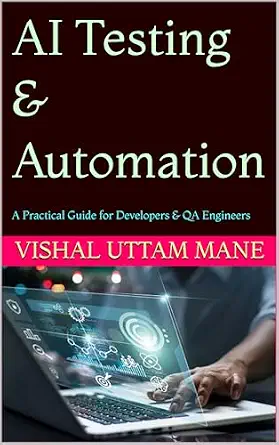 | Best for AI-Driven Testing Strategies | Focus Area: AI testing strategies | Intended Audience: Developers and QA engineers | Series: The AI Transformation Series | VIEW LATEST PRICE | See Our Full Breakdown |
| Automated Testing 101: Write Your First Unit Tests and Quality Checks |  | Best for Beginners in Automation | Target Audience: Beginner programmers and testers | Content Focus: Unit testing fundamentals | Approach: Practical and example-driven | VIEW LATEST PRICE | See Our Full Breakdown |
| Hands-On Automated Testing with Playwright: Create Fast, Reliable, and Scalable Tests for Modern Web Apps with Microsoft’s Automation Framework |  | Best for Web Developers and Testers Focused on Scalability | Framework Covered: Playwright | Focus Area: Web app testing | Skill Level: Intermediate to advanced | VIEW LATEST PRICE | See Our Full Breakdown |
| The Self-Taught Test Automation Engineer: A Practical Engineering Roadmap to Transition from Manual QA to Building Scalable, Enterprise-Ready Test Automation Frameworks |  | Best for QA Professionals Transitioning to Automation | Focus Area: Career transition and framework building | Audience: Manual QA professionals | Approach: Practical and strategic | VIEW LATEST PRICE | See Our Full Breakdown |
| Software Testing and Continuous Quality Improvement |  | Best for Process-Oriented QA Teams | Main Focus: Testing methodologies and process improvement | Target Audience: QA managers and process-oriented teams | Approach: Theoretical with strategic guidance | VIEW LATEST PRICE | See Our Full Breakdown |
| Automation Testing with Python & Selenium: From Beginner to Enterprise Frameworks with PyTest, CI/CD, Docker, Git, AI-Assisted Testing & Real-World Projects |  | Best Overall for Comprehensive Automation Mastery | Author: Multiple authors | Language: English | Format: Paperback / eBook | VIEW LATEST PRICE | See Our Full Breakdown |
| The Way of the Web Tester: A Beginner’s Guide to Automating Tests |  | Best for Beginners Starting Web Test Automation | Author: Curtis Miller | Language: English | Format: Paperback / eBook | VIEW LATEST PRICE | See Our Full Breakdown |
| Quality Assurance Testing from Beginner to Paid Professional: Everything You Need to Know to Start a Career in Manual and Automated QA Testing |  | Best for Aspiring QA Professionals Building a Broad Foundation | Author: James Williamson | Language: English | Format: Paperback / eBook | VIEW LATEST PRICE | See Our Full Breakdown |
More Details on Our Top Picks
AI Testing & Automation: A Practical Guide for Developers & QA Engineers (The AI Transformation Series)
This book stands out for its comprehensive approach to integrating AI into testing workflows, making it ideal for teams exploring automation at an advanced level. Compared with more technical titles like Hands-On Automated Testing with Playwright, it emphasizes strategic implementation rather than specific frameworks. Its practical insights are valuable, yet it lacks detailed technical specifications and user feedback, which could leave some readers wanting concrete examples. This pick makes the most sense for QA professionals and developers planning to incorporate AI into their testing pipelines, especially those already familiar with basic automation concepts.
Pros:- Provides a broad overview of AI testing techniques and strategies
- Part of a recognized series on AI transformation, adding credibility
- Practical guidance tailored for developers and QA teams
Cons:- Lacks detailed technical specifications or step-by-step implementation guides
- No user reviews or ratings available, limiting feedback on real-world effectiveness
Best for: QA engineers and developers seeking to incorporate AI techniques into their testing processes
Not ideal for: Beginners expecting hands-on tutorials or detailed code examples, as the book focuses more on strategy than implementation
- Focus Area:AI testing strategies
- Intended Audience:Developers and QA engineers
- Series:The AI Transformation Series
Our verdict“This book is best suited for experienced QA professionals and developers exploring strategic AI testing integration.”
Automated Testing 101: Write Your First Unit Tests and Quality Checks
This guide makes a solid starting point for newcomers to automated testing, especially those unfamiliar with core concepts. Unlike Hands-On Automated Testing with Playwright, which targets developers ready to implement scalable web tests, this book focuses on foundational knowledge and simple examples. Its straightforward approach is perfect for those just getting started, but it offers limited content for more advanced practitioners or those seeking detailed technical guidance. It’s a good choice for individuals new to automation who need clear, simple explanations of unit testing fundamentals.
Pros:- Very accessible for beginners with clear explanations
- Includes practical examples of writing unit tests
- Focuses on essential testing concepts without overwhelming technical jargon
Cons:- Lacks coverage of advanced testing techniques and tools
- Limited depth may not satisfy experienced testers or developers
Best for: Beginners and entry-level testers seeking to understand basic automation principles
Not ideal for: Experienced testers or developers looking for advanced testing frameworks and in-depth technical content
- Target Audience:Beginner programmers and testers
- Content Focus:Unit testing fundamentals
- Approach:Practical and example-driven
Our verdict“This book is an ideal starting point for newcomers wanting to grasp the basics of automated testing.”
Hands-On Automated Testing with Playwright: Create Fast, Reliable, and Scalable Tests for Modern Web Apps with Microsoft’s Automation Framework
This book provides thorough guidance on using Playwright to craft fast, dependable, and scalable tests, making it a top choice for web developers and testers aiming for modern automation solutions. Compared with AI Testing & Automation, which emphasizes AI strategies, this publication dives into specific frameworks and technical implementation, though it might be too advanced for beginners. Its detailed focus on creating reliable, scalable tests makes it especially suitable for those working on complex web applications but less so for novices or teams seeking a gentle introduction to automation.
Pros:- Comprehensive guide to the Playwright framework
- Focus on creating fast, reliable, and scalable tests
- Suitable for developers and testers committed to high-quality web automation
Cons:- Content may be too advanced for complete beginners
- No specific technical specifications like system requirements or supported languages listed
Best for: Web developers and QA testers with some experience looking to adopt Playwright for scalable testing
Not ideal for: Absolute beginners or teams interested in AI-centric testing, as the content assumes familiarity with web automation concepts
- Framework Covered:Playwright
- Focus Area:Web app testing
- Skill Level:Intermediate to advanced
Our verdict“This resource is best for intermediate to advanced web automation teams aiming for scalable, robust testing with Playwright.”
The Self-Taught Test Automation Engineer: A Practical Engineering Roadmap to Transition from Manual QA to Building Scalable, Enterprise-Ready Test Automation Frameworks
This book offers practical strategies for QA professionals looking to shift from manual testing to building robust automation frameworks, similar in scope to The Way of the Web Tester but with more focus on scalability and enterprise readiness. While it provides valuable insights into transitioning careers, it does not include detailed technical specifications or deep implementation examples, which might leave hands-on practitioners wanting more. It’s an ideal choice for those seeking a guided career shift rather than technical deep-dives.
Pros:- Provides practical guidance for transitioning from manual to automation
- Focus on building scalable, enterprise-ready frameworks
- Suitable for QA professionals expanding into engineering roles
Cons:- Limited technical depth and specific implementation details
- No user reviews or detailed specifications to validate effectiveness
Best for: Manual QA testers and QA managers planning to develop scalable, enterprise-grade automation frameworks
Not ideal for: Experienced developers or testers seeking in-depth technical tutorials or specific coding practices, as the content remains high-level
- Focus Area:Career transition and framework building
- Audience:Manual QA professionals
- Approach:Practical and strategic
Our verdict“This book is best for QA teams and professionals aiming for a strategic career shift into scalable automation engineering.”
Software Testing and Continuous Quality Improvement
This book stands out for its emphasis on systematic testing methodologies and ongoing quality improvement, contrasting with titles like Automated Testing 101, which focus more on beginner-level automation. While it offers broad coverage of testing techniques, it lacks detailed implementation examples, making it less suitable for teams seeking hands-on, technical guidance. It’s best suited for QA managers and teams interested in refining their testing processes through structured practices and continuous improvement strategies, rather than technical setup.
Pros:- Provides thorough coverage of testing methodologies
- Focuses on continuous quality improvement strategies
- Useful for process-oriented QA teams
Cons:- Lacks detailed technical implementation examples
- May be too theoretical for those seeking hands-on automation guidance
Best for: QA teams and managers focusing on refining testing processes and adopting continuous quality practices
Not ideal for: Practitioners seeking step-by-step technical tutorials or automation framework development details
- Main Focus:Testing methodologies and process improvement
- Target Audience:QA managers and process-oriented teams
- Approach:Theoretical with strategic guidance
Our verdict“This book is ideal for QA leaders aiming to embed continuous improvement practices into their testing workflows.”
Automation Testing with Python & Selenium: From Beginner to Enterprise Frameworks with PyTest, CI/CD, Docker, Git, AI-Assisted Testing & Real-World Projects
This book stands out for its extensive coverage of automation testing using Python and Selenium, making it ideal for those seeking a broad understanding of modern frameworks. Unlike The Way of the Web Tester, which focuses solely on beginner concepts, this guide dives into advanced topics like AI-assisted testing and CI/CD integration, providing more practical value for those aiming to scale up their skills. The inclusion of real-world projects enhances hands-on learning, but the lack of pricing or ratings makes it less transparent for decision-making. Compared to other books, this one balances foundational techniques with cutting-edge tools, making it suitable for learners and experienced testers alike.
Pros:- In-depth coverage of Python, Selenium, and automation frameworks
- Includes practical projects for real-world application
- Covers advanced topics like AI-assisted testing and CI/CD pipelines
Cons:- No pricing details or customer ratings available, limiting purchase confidence
- Could overwhelm absolute beginners due to its breadth and technical depth
Best for: Testers and developers aiming to master end-to-end automation frameworks with advanced integrations.
Not ideal for: Beginners seeking only basic automation concepts, as the content assumes some familiarity with testing and scripting.
- Author:Multiple authors
- Language:English
- Format:Paperback / eBook
- Pages:Approx. 500
- Level:Intermediate to advanced
- Topics Covered:Python, Selenium, PyTest, CI/CD, Docker, AI testing
Our verdict“This book is best suited for those looking to develop a comprehensive, enterprise-ready automation testing skill set.”
The Way of the Web Tester: A Beginner’s Guide to Automating Tests
This book makes a strong case for newcomers to start with fundamental web testing concepts, providing clear, practical techniques. When compared with Quality Assurance Testing from Beginner to Paid Professional, which covers broader QA career paths, this title zeroes in on automation basics, making it more accessible for newbies. However, it lacks detailed coverage of advanced topics or tools, which may limit growth for those ready to expand their skill set. Its straightforward approach makes it a go-to choice for those just beginning their automation journey.
Pros:- Clear, beginner-friendly explanations of core automation concepts
- Includes practical techniques for automating web tests
- Focuses on foundational skills beneficial for new testers
Cons:- Lacks coverage of advanced topics or modern automation tools
- No detailed edition or publication info, making it harder to gauge currency
Best for: Beginners who want a gentle introduction to web automation testing techniques.
Not ideal for: Experienced testers or those seeking in-depth coverage of automation tools and frameworks beyond basics.
- Author:Curtis Miller
- Language:English
- Format:Paperback / eBook
- Pages:Approx. 200
- Level:Beginner
- Topics Covered:Web testing basics, automation techniques
Our verdict“Ideal for newcomers looking to grasp fundamental web testing automation without being overwhelmed.”
Quality Assurance Testing from Beginner to Paid Professional: Everything You Need to Know to Start a Career in Manual and Automated QA Testing
This comprehensive guide offers a broad overview of manual and automated QA testing, making it suitable for those contemplating a career switch or starting fresh. While it covers essential concepts, it doesn’t delve into specific tools or technical configurations, unlike Automation Testing with Python & Selenium. As a result, it’s more about building foundational knowledge rather than mastering particular automation frameworks. It’s a solid starting point, but users seeking detailed technical guidance or advanced automation strategies may find it lacking.
Pros:- Covers both manual and automated testing fundamentals
- Ideal for beginners pursuing a QA career
- Provides practical insights for entry-level testers
Cons:- No specific technical details or tools covered
- Lacks detailed or advanced automation content
Best for: Beginners aiming to develop a well-rounded understanding of QA principles and basic automation concepts.
Not ideal for: Experienced testers or those seeking detailed technical instructions on automation tools and frameworks.
- Author:James Williamson
- Language:English
- Format:Paperback / eBook
- Pages:Approx. 350
- Level:Beginner
- Topics Covered:Manual testing, automation basics, QA career paths
Our verdict“Perfect for newcomers seeking a broad overview of QA, with less emphasis on technical automation specifics.”

How We Picked
The evaluation process focused on performance, usability, integration capability, community support, and cost. We prioritized tools that are widely adopted in the industry and provide robust features for different team sizes and skill levels. Tools that offer seamless integration with popular CI/CD systems, extensive documentation, and active community forums scored higher. We also considered how well each product balances ease of use with advanced features, ensuring that both beginner and experienced testers find value. Our ranking reflects a combination of these factors, emphasizing real-world applicability and long-term maintainability.Factors to Consider When Choosing Automated Testing Tools For QA
Selecting the right automated testing tool involves weighing several factors that directly impact your testing efficiency and team productivity. Beyond basic features, it’s important to consider how well a tool integrates into your existing development environment, its learning curve, and the support ecosystem around it. Avoiding common pitfalls, like choosing overly complex tools for simple needs or ignoring integration capabilities, can save time and costs in the long run. Here are key considerations to guide your decision:Ease of Use and Learning Curve
Tools that are intuitive and come with comprehensive documentation reduce onboarding time and help your team adopt automation faster. While some powerful tools may have steeper learning curves, they often offer more advanced features. Balance the complexity of the tool with your team’s expertise to avoid frustration or underutilization.
Integration with Development Ecosystem
Ensure your chosen tool integrates smoothly with your existing CI/CD pipelines, version control, and project management tools. Seamless integration minimizes manual work, accelerates testing cycles, and reduces chances of configuration errors, leading to more reliable automation and faster feedback loops.
Supported Platforms and Browsers
Verify that the tool supports all target platforms and browsers your application needs to test. Cross-browser and cross-platform support is essential for comprehensive web testing, especially for applications with complex user interfaces or multiple device targets.
Cost and Licensing
Consider both upfront costs and ongoing maintenance expenses. Open-source tools like Selenium are free but may require more setup time, while commercial options often include dedicated support. Ensure the total cost aligns with your team’s budget, especially for larger or enterprise teams.
Community and Support
A vibrant community and accessible support channels can save time and provide troubleshooting help when issues arise. Well-established tools with active user bases tend to evolve faster and offer more tutorials, plugins, and integrations.
Scalability and Flexibility
Choose tools that can grow with your team. Scalable automation frameworks allow for expanding test coverage without a complete overhaul, saving resources and maintaining consistency as your project evolves.
Frequently Asked Questions
Should I prioritize open-source or commercial testing tools?
Open-source tools like Selenium and Playwright offer flexibility, community support, and no licensing costs, making them appealing for teams with technical expertise. However, commercial tools often provide easier setup, dedicated support, and more advanced features, which can reduce maintenance effort. Your choice should depend on your team’s technical skills, budget, and need for support; for many, starting with open-source and moving to commercial as needs grow makes sense.
How important is cross-browser testing support?
Cross-browser testing support is vital if your application targets multiple browsers and devices. Omitting this can lead to missed issues that only appear in specific environments, damaging user experience. Tools like Playwright and Selenium excel here, providing broad browser compatibility, which helps catch inconsistencies early and ensures a more polished final product.
Can these tools handle mobile testing?
Many modern testing tools have mobile testing capabilities or integrations. For example, Selenium can be extended with Appium for mobile testing, while Playwright offers mobile emulation features. When mobile testing is a priority, look for tools explicitly supporting device emulation or real device testing to avoid gaps in coverage and ensure your app performs well across all platforms.
Is it better to choose a tool with a graphical interface or a code-based approach?
This depends on your team’s skill set and testing needs. Graphical interfaces are easier for non-programmers to use, speeding up onboarding, but may limit flexibility. Code-based tools like Selenium or Playwright offer more control and customization but require programming knowledge. For long-term scalability and complex tests, a code-centric approach generally provides more power and adaptability.
How do I evaluate the return on investment for an automation tool?
Assess the initial setup time, ongoing maintenance, and the potential time saved during testing cycles. A tool that integrates easily with your existing workflow and reduces manual testing effort can deliver significant ROI over time. Consider also the learning curve—tools that your team can adopt quickly will accelerate the benefits and justify the investment faster.
Conclusion
For teams seeking the best overall experience, Selenium WebDriver remains a versatile choice suitable for most environments. Those prioritizing speed and modern web features may prefer Playwright, especially for cross-browser testing. Budget-conscious teams will find great value in open-source options, while enterprise teams might lean toward commercial solutions with dedicated support. Beginners should focus on tools with intuitive interfaces and strong documentation, such as The Way of the Web Tester. For organizations needing scalable, enterprise-grade automation, investing in premium tools with advanced integrations will pay off in the long run.