

Choosing the right software development project management tools can significantly impact your team’s productivity and project success. The best overall pick, Jira Software, offers robust features tailored for development teams, but it can be complex for newcomers. Trello provides a simple, visual approach suitable for smaller projects, while Microsoft Project excels in detailed planning for larger enterprises. Each option balances features, usability, and cost, but tradeoffs include complexity versus simplicity and flexibility versus structure. Keep reading for a detailed breakdown of these top tools to find the best fit for your team’s needs.

Get business pricing on monitors, keyboards and dev gear
- Business-only prices and quantity discounts
- Tax-exempt purchasing
- Multiple users, one account, clear invoices
Key Takeaways
- Top picks balance feature depth with user-friendliness, helping teams of varying sizes and expertise levels.
- Most leading tools integrate with code repositories and development workflows, streamlining collaboration.
- Pricing models vary widely; some offer free tiers with limited features, while premium options provide advanced capabilities.
- Ease of adoption differs; tools like Trello are quick to implement, whereas Jira requires more setup time.
- Automation and integration capabilities are key differentiators for scaling teams and complex workflows.
| The ChatGPT Handbook for Project Managers | 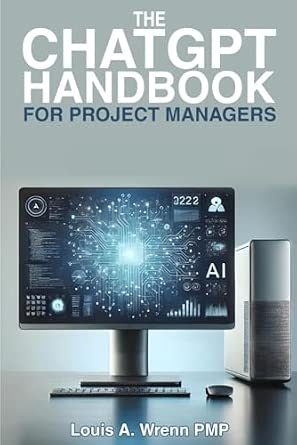 | Best for AI-Driven Project Management Integration | Focus: AI-guided project management | Audience: Project managers, team leads | Format: Practical guidance and strategies | VIEW LATEST PRICE | See Our Full Breakdown |
| Agile Project Management with Kanban |  | Best for Practical Agile Workflow Optimization | Focus: Kanban methodology | Audience: Agile teams, project managers | Approach: Practical implementation | VIEW LATEST PRICE | See Our Full Breakdown |
| The AI-Powered Project Manager: The Ultimate Playbook to Save Dozens of Hours, Master Prompt Engineering, and Deliver High-Impact Projects |  | Best for AI Enthusiasts and Productivity Seekers | Focus: AI-driven project management | Audience: AI-curious project managers | Approach: Strategic and skill-building | VIEW LATEST PRICE | See Our Full Breakdown |
| Microsoft Project Cheat Sheet – Beginner and Advanced Quick Reference Guide for Project Management |  | Best for Quick Reference for All Skill Levels | Focus: Microsoft Project shortcuts and tips | Audience: Project managers, team members | Format: Quick reference guide | VIEW LATEST PRICE | See Our Full Breakdown |
| Project Management for the Unofficial Project Manager (Updated and Revised Edition) |  | Best for Non-Professional Project Managers | Focus: Practical project management for non-professionals | Audience: Unofficial or casual project managers | Approach: Simple, approachable strategies | VIEW LATEST PRICE | See Our Full Breakdown |
| Ultimate Agile Administration with Jira: Solutions for Agile Project Administration Using Dashboards, Automation Rules, and Plugin Integration |  | Best for Advanced Jira Administrators | Target audience: Project managers and Jira administrators | Focus areas: Dashboards, automation, plugin integration | Complexity level: Advanced | VIEW LATEST PRICE | See Our Full Breakdown |
| Software Project Management For Dummies |  | Best for Beginners and General Practitioners | Target audience: Beginners and general practitioners | Coverage: Methodologies, tools, best practices | Complexity level: Beginner to intermediate | VIEW LATEST PRICE | See Our Full Breakdown |
| Project Management Starter Kit for Developers |  | Best for Developer Teams and Entry-Level Managers | Target audience: Developers and small teams | Content scope: Tools, planning, collaboration | Complexity: Beginner | VIEW LATEST PRICE | See Our Full Breakdown |
| Jira for Developers: Streamlining Your Development Projects |  | Best for Developer-Centric Jira Customization | Target audience: Developers and Jira users | Focus: Jira customization for development | Content type: Practical tips | VIEW LATEST PRICE | See Our Full Breakdown |
| The Project Management Tool Kit: 100 Tips and Techniques for Getting the Job Done Right |  | Best for Practical, Actionable Strategies | Target audience: Project managers and team leads | Content: 100 tips and techniques | Format: Practical, quick-reference | VIEW LATEST PRICE | See Our Full Breakdown |
| The Software Project Manager’s Field Manual: Proven Processes, Protocols and Templates for Every Stage of Delivery |  | Best Overall Reference for Structured Project Delivery | Content Focus: Processes, protocols, templates for project stages | Format: Printed manual with practical guides | Coverage: All phases of software project management | VIEW LATEST PRICE | See Our Full Breakdown |
| Software Process Improvement and Management: Approaches and Tools for Practical Development |  | Best for Process Optimization and Continuous Improvement | Content Focus: Process improvement strategies and tools | Format: Printed book | Coverage: Process management in development | VIEW LATEST PRICE | See Our Full Breakdown |
| Agile Project Management For Dummies |  | Best for Beginners and Newcomers to Agile | Content Focus: Agile principles, methodologies, tools | Format: Paperback, accessible language | Coverage: Introductory agile concepts | VIEW LATEST PRICE | See Our Full Breakdown |
| Mastering Software Project Management: Best Practices, Tools and Techniques |  | Best for Experienced Managers Seeking Practical Guidance | Content Focus: Best practices, tools, techniques | Format: Comprehensive guide | Coverage: Strategy, tools, management techniques | VIEW LATEST PRICE | See Our Full Breakdown |
| Jira Quick Start Guide: Manage Your Projects Efficiently Using the All-New Jira |  | Best for Beginners and Jira New Users | Content Focus: Jira features, setup, best practices | Format: Step-by-step instructions | Coverage: Basic Jira project management | VIEW LATEST PRICE | See Our Full Breakdown |
More Details on Our Top Picks
The ChatGPT Handbook for Project Managers
This handbook stands out for project managers looking to embed AI into their workflows, offering practical guidance on leveraging ChatGPT for planning, communication, and problem-solving. Unlike traditional tools like the Microsoft Project Cheat Sheet, it focuses on how AI can streamline tasks rather than just providing shortcuts. The main tradeoff is that it lacks detailed technical specifications, which might leave tech-savvy users wanting more concrete implementation details. It’s especially useful for managers eager to adopt AI but less suitable for those seeking technical depth or hands-on software features.
Pros:- Provides practical guidance on using ChatGPT effectively in project workflows
- Helps improve team communication and decision-making speed
- Accessible for managers new to AI concepts
Cons:- Lacks detailed technical specifications or step-by-step setup instructions
- No customer reviews or real-world case studies to gauge effectiveness
Best for: Project managers interested in integrating AI tools to enhance productivity and communication.
Not ideal for: Technical project managers seeking detailed software specifications or those skeptical of AI’s role in project management.
- Focus:AI-guided project management
- Audience:Project managers, team leads
- Format:Practical guidance and strategies
- Technology Covered:ChatGPT
- Intended Use:Workflow enhancement, communication
- Ease of Use:Beginner to intermediate
Bottom line: This guide is ideal for project managers exploring AI integration without requiring deep technical details.
Agile Project Management with Kanban
This book excels at offering actionable insights into implementing Kanban for agile project management, making it a strong choice for teams seeking to improve workflow transparency and efficiency, much like the Project Management for the Unofficial Project Manager provides practical guidance for non-professionals. Compared to the Microsoft Project Cheat Sheet, which targets task shortcuts, this book dives into process improvements, though it may feel too technical for absolute beginners lacking prior agile knowledge. Its focus on best practices makes it less suitable for teams looking for a quick reference rather than deep understanding.
Pros:- Offers practical, step-by-step guidance on Kanban implementation
- Improves visibility and flow in team projects
- Helps teams adapt Agile principles effectively
Cons:- Lacks detailed case studies for real-world application
- May be overly technical for newcomers to Agile
Best for: Agile teams and Scrum Masters aiming to optimize workflow and team productivity through Kanban.
Not ideal for: Beginners with no prior knowledge of agile principles or teams seeking quick, simple project management tips.
- Focus:Kanban methodology
- Audience:Agile teams, project managers
- Approach:Practical implementation
- Coverage:Workflow, team efficiency
- Skill Level:Intermediate to advanced
- Format:Guides and best practices
Bottom line: This book makes the most sense for Agile teams seeking to refine their workflow with proven Kanban techniques.
The AI-Powered Project Manager: The Ultimate Playbook to Save Dozens of Hours, Master Prompt Engineering, and Deliver High-Impact Projects
This book is tailored for those interested in harnessing AI to boost project efficiency, offering strategies to master prompt engineering and optimize workflows. Unlike the Microsoft Project Cheat Sheet, which focuses on shortcuts and features, this playbook emphasizes how AI can transform project management outcomes. The main limitation is that it doesn’t detail technical specifications, focusing instead on strategic advice, making it less suitable for users seeking in-depth software features or technical setup. It’s best suited for project managers eager to leverage AI for high-impact results.
Pros:- Provides actionable AI-driven strategies to save time
- Helps develop skills in prompt engineering for better AI interactions
- Focuses on delivering high-impact projects efficiently
Cons:- Lacks detailed technical specifications or software features
- Content may be too niche for those uninterested in AI strategies
Best for: Project managers and team leads interested in AI-driven productivity improvements and prompt engineering.
Not ideal for: Traditional project managers or teams seeking detailed software tutorials without an AI focus.
- Focus:AI-driven project management
- Audience:AI-curious project managers
- Approach:Strategic and skill-building
- Technology Covered:AI, prompt engineering
- Outcome:Time savings, high-impact projects
- Skill Level:Intermediate to advanced
Bottom line: This book is perfect for project managers looking to incorporate AI to accelerate project delivery and enhance productivity.
Microsoft Project Cheat Sheet – Beginner and Advanced Quick Reference Guide for Project Management
This cheat sheet provides a compact and accessible reference for both beginners and experienced users of Microsoft Project, streamlining common tasks and shortcuts. Compared to the more strategic focus of The Unofficial Project Manager, it prioritizes software efficiency rather than project techniques. Its main drawback is that it doesn’t include detailed explanations or cover the latest updates, which could limit its usefulness for users who need comprehensive guidance or are working with recent versions of the software. This makes it ideal for quick lookups rather than deep learning.
Pros:- Concise and easy to use for all skill levels
- Helps improve efficiency with shortcuts and tips
- Great for quick reference during busy project phases
Cons:- Lacks detailed explanations or in-depth tutorials
- May not reflect the latest software updates or features
Best for: Project managers and team members who need quick, reliable tips to navigate Microsoft Project efficiently.
Not ideal for: Users seeking detailed tutorials, step-by-step guides, or those using outdated software versions.
- Focus:Microsoft Project shortcuts and tips
- Audience:Project managers, team members
- Format:Quick reference guide
- Coverage:Features, shortcuts, tips
- Ease of Use:Easy, fast lookup
- Update Status:May not include latest software versions
Bottom line: This quick reference makes the most sense for users who want streamlined assistance with Microsoft Project on the fly.
Project Management for the Unofficial Project Manager (Updated and Revised Edition)
This book offers practical, accessible guidance tailored for those managing projects without formal training, providing fundamental tools and strategies to succeed. While it competes with the Agile Project Management with Kanban for practical advice, it’s more general and less focused on specific methodologies, making it ideal for beginners or casual project managers. Its main drawback is the limited depth in technical content, which could leave experienced managers wanting more advanced techniques. It’s particularly well-suited for individuals who need straightforward guidance rather than technical deep dives.
Pros:- Provides clear, practical guidance for non-professionals
- Updated with current strategies and tools
- Uses accessible language suitable for beginners
Cons:- Limited in-depth technical or advanced project management topics
- May not cover complex project scenarios or methodologies
Best for: Individuals managing projects informally or without formal training who need accessible, practical advice.
Not ideal for: Experienced project managers seeking advanced techniques or detailed technical content.
- Focus:Practical project management for non-professionals
- Audience:Unofficial or casual project managers
- Approach:Simple, approachable strategies
- Content Depth:Basic to intermediate
- Language:Easy-to-understand
- Update Status:Revised and current
Bottom line: This book is perfect for casual or new project managers needing straightforward, practical guidance without technical complexity.
Ultimate Agile Administration with Jira: Solutions for Agile Project Administration Using Dashboards, Automation Rules, and Plugin Integration
This book stands out for its deep dive into Jira’s administrative features, making it ideal for project managers and administrators seeking to optimize agile workflows. Compared with Jira for Developers, which focuses on customization tips, this guide offers detailed guidance on dashboards, automation, and plugins, helping teams streamline their processes. However, its technical depth may overwhelm beginners or those new to Jira, and it offers limited insights into Salesforce integration, which could be a drawback for teams relying on CRM syncs. Overall, this resource suits those who need to master Jira’s backend to drive productivity and automation.
Pros:- Provides comprehensive guidance on Jira dashboard setup and automation rules
- Detailed coverage of plugin integration for extended functionality
- Helps optimize agile workflows through advanced administrative techniques
Cons:- Too technical for users unfamiliar with Jira administration
- Limited information on integrating Jira with Salesforce or other external tools
Best for: Experienced Jira administrators and project managers responsible for customizing and automating workflows
Not ideal for: New users or team members seeking a beginner-friendly overview of Jira project management
- Target audience:Project managers and Jira administrators
- Focus areas:Dashboards, automation, plugin integration
- Complexity level:Advanced
- Coverage:Agile project management, automation rules
- Format:Technical guide
- Compatibility:Jira Server and Cloud
Bottom line: This book is best suited for experienced Jira admins aiming to automate and customize workflows for agile teams.
Software Project Management For Dummies
This book makes managing software projects approachable for newcomers, offering clear explanations of methodologies, tools, and best practices. Unlike the more technical Ultimate Agile Administration with Jira, which caters to seasoned admins, this guide is accessible for those just starting out or managers seeking a broad overview. Nonetheless, its lack of detailed case studies and advanced strategies means experienced project managers might find it too superficial for complex projects. It’s an excellent primer for teams new to project management or those needing a solid foundational understanding.
Pros:- Clear and practical guidance suitable for beginners
- Covers essential methodologies like Agile and Waterfall
- Accessible language that demystifies complex concepts
Cons:- Lacks detailed real-world case studies
- May be too basic for seasoned project managers handling complex projects
Best for: Beginners or professionals new to software project management seeking an easy-to-understand overview
Not ideal for: Experienced project managers looking for in-depth case studies or advanced tactics
- Target audience:Beginners and general practitioners
- Coverage:Methodologies, tools, best practices
- Complexity level:Beginner to intermediate
- Format:Educational guide
- Approach:Practical and accessible
- Focus areas:Project methodologies, tools overview
Bottom line: This book is ideal for newcomers or teams needing a straightforward introduction to software project management.
Project Management Starter Kit for Developers
This starter kit provides essential tools and resources tailored for developers new to managing projects, emphasizing practical planning and collaboration. Compared with Software Project Management For Dummies, which covers broader methodologies, this kit focuses more on developer-specific needs, making it more actionable for technical teams. However, it doesn’t include detailed content descriptions or advanced features, which limits its usefulness for more experienced or complex project environments. It’s a solid choice for teams just beginning their project management journey, especially those seeking straightforward tools.
Pros:- Provides core tools and resources for project planning and collaboration
- Helps developers understand project management fundamentals
- Easy to implement for beginners
Cons:- Lacks detailed content description and scope
- Does not include advanced project management features
Best for: Junior developers or small teams starting to manage projects independently
Not ideal for: Experienced project managers or teams requiring advanced project management features
- Target audience:Developers and small teams
- Content scope:Tools, planning, collaboration
- Complexity:Beginner
- Features:Basic project tools
- Intended use:Entry-level project management
- Suitable for:Small or new teams
Bottom line: This kit suits novice developers and small teams looking for a simple, practical introduction to project management.
Jira for Developers: Streamlining Your Development Projects
This book focuses on tailoring Jira to suit software development workflows, making it ideal for developers and project managers looking to enhance their Jira setup. Unlike Ultimate Agile Administration with Jira, which covers broad administrative techniques, this resource emphasizes practical strategies for customizing Jira to improve efficiency and streamline development cycles. Its narrow focus means it lacks detailed specifications, and it mainly appeals to those already familiar with Jira’s basic functions. If you want to optimize Jira for your development team, this book offers targeted tips, though it may not satisfy those seeking comprehensive project management strategies beyond Jira.
Pros:- Offers practical tips for customizing Jira workflows
- Helps improve development cycle efficiency
- Focused on real-world Jira application for developers
Cons:- No detailed specifications or broader project management content
- Limited to Jira customization without covering other tools
Best for: Developers and project managers aiming to customize Jira for development workflows
Not ideal for: Teams seeking a broad project management overview or non-Jira tools
- Target audience:Developers and Jira users
- Focus:Jira customization for development
- Content type:Practical tips
- Scope:Workflow optimization
- Compatibility:Jira Cloud and Server
- Complexity:Intermediate to advanced
Bottom line: This book is best for development teams looking to optimize Jira for agile, efficient workflows.
The Project Management Tool Kit: 100 Tips and Techniques for Getting the Job Done Right
This book offers a collection of 100 actionable tips designed to enhance project management effectiveness, making it useful for both beginners and seasoned professionals. Compared with Software Project Management For Dummies, which provides foundational knowledge, this toolkit emphasizes specific techniques that can be rapidly applied to real projects. Its concise format means it lacks in-depth case studies or comprehensive explanations, which could be a limitation for those seeking detailed learning. Nonetheless, for managers who want quick, practical strategies, this resource delivers valuable insights to improve project outcomes efficiently.
Pros:- Provides a wide range of practical tips and techniques
- Easy to reference during project execution
- Suitable for both novice and experienced managers
Cons:- Lacks detailed case studies or in-depth explanations
- May be too concise for complex or unfamiliar projects
Best for: Project managers and team leads seeking quick, actionable tips for project success
Not ideal for: Those needing detailed case studies or comprehensive methodologies
- Target audience:Project managers and team leads
- Content:100 tips and techniques
- Format:Practical, quick-reference
- Depth:Concise, actionable
- Application:Real-world projects
- Focus:Efficiency and success
Bottom line: This book is perfect for professionals wanting fast, effective strategies to improve their project management practices.
The Software Project Manager’s Field Manual: Proven Processes, Protocols and Templates for Every Stage of Delivery
This manual stands out for offering a comprehensive collection of proven processes, protocols, and templates that guide software project managers through every stage of delivery. Compared with books like Mastering Software Project Management, it emphasizes practical templates and step-by-step guidance, making it highly usable for teams seeking a structured approach. Its broad coverage helps managers streamline workflows, but the lack of specific technical details may leave advanced practitioners wanting more specialized insights. The manual’s real strength lies in its versatility across diverse projects, yet its general nature can be a drawback for projects with unique or complex requirements, which may demand more tailored tools.
Pros:- Provides a broad set of proven processes and templates for each project stage
- Helps organize and standardize project workflows effectively
- Useful for teams needing a structured project management framework
Cons:- No detailed technical specifications or coding guides
- May be too general for projects with highly specific or complex needs
Best for: Experienced project managers seeking a comprehensive, process-oriented manual for all phases of software delivery.
Not ideal for: Teams requiring highly technical, detailed specifications or customized technical workflows, as this manual is more process-focused than technical.
- Content Focus:Processes, protocols, templates for project stages
- Format:Printed manual with practical guides
- Coverage:All phases of software project management
- Intended Audience:Experienced project managers
- Templates Included:Yes
- Technical Detail:Limited technical specifics
Bottom line: This manual is ideal for project managers who want a structured, process-driven approach to software delivery without diving into technical details.
Software Process Improvement and Management: Approaches and Tools for Practical Development
This book is a strong choice for professionals looking to refine their development workflows through practical process improvement tools. Unlike Mastering Software Project Management, which covers broad best practices, this title dives into specific approaches for managing and improving processes, making it especially useful for teams seeking incremental gains. Its focus on practical approaches rather than detailed technical implementations makes it accessible, but the lack of concrete case studies or digital resources may limit its usefulness for those wanting step-by-step guidance. Overall, it makes a compelling case for continuous improvement but falls short on providing extensive real-world examples.
Pros:- Offers practical, actionable approaches to process improvement
- Suitable for ongoing management of development workflows
- Focuses on real-world tools to enhance efficiency
Cons:- Lacks detailed technical or coding examples
- No accompanying digital resources or templates
Best for: Development managers and process improvement specialists aiming to optimize existing workflows.
Not ideal for: Developers or team members looking for technical how-to guides, as this book emphasizes process strategies over technical details.
- Content Focus:Process improvement strategies and tools
- Format:Printed book
- Coverage:Process management in development
- Intended Audience:Process and project managers
- Tools Included:Conceptual approaches
- Technical Detail:Minimal
Bottom line: This book is well-suited for managers focused on continuous process improvements rather than technical project execution.
Agile Project Management For Dummies
This entry provides a clear, accessible introduction to agile principles, making it ideal for those new to agile project management. Unlike Mastering Software Project Management, which covers a broad range of methodologies, this book focuses specifically on agile, offering straightforward explanations and practical tips. Its simplicity makes it perfect for beginners but may leave experienced practitioners seeking more advanced case studies and nuanced strategies. While it covers core concepts well, the lack of detailed real-world examples could limit its depth for complex projects. Still, it serves as a solid primer for teams shifting to agile workflows.
Pros:- Provides a straightforward overview of agile concepts
- Great for beginners needing clear guidance
- Focuses on practical tools for initial agile implementation
Cons:- Lacks detailed case studies or advanced strategies
- May be too basic for experienced agile teams
Best for: Beginners or teams transitioning to agile practices who need a straightforward, easy-to-understand guide.
Not ideal for: Experienced agile practitioners or teams needing in-depth case studies and advanced techniques, as this book stays at a fundamental level.
- Content Focus:Agile principles, methodologies, tools
- Format:Paperback, accessible language
- Coverage:Introductory agile concepts
- Intended Audience:Beginners and agile newcomers
- Case Studies:Few or none
- Technical Detail:Basic
Bottom line: This book offers a practical, easy-to-grasp introduction to agile project management for newcomers or teams just adopting agile practices.
Mastering Software Project Management: Best Practices, Tools and Techniques
This book is a comprehensive resource for project managers who want to deepen their understanding of best practices, tools, and techniques. Compared with The Software Project Manager’s Field Manual, it offers a broader discussion of management strategies and practical tools, making it more suitable for those who already have a foundational knowledge of project delivery. Its detailed coverage includes technical tools and techniques, but this might be overwhelming for non-technical managers or those new to project management. The absence of detailed case studies means it’s more of a reference guide than a step-by-step manual, but its breadth makes it valuable for seasoned professionals aiming to refine their skills.
Pros:- Extensive coverage of management practices and tools
- Suitable for both new and experienced managers
- Provides practical techniques for improving project success rates
Cons:- Lacks detailed real-world case studies
- May be too technical for non-managerial team members
Best for: Experienced project managers and team leads looking to enhance their toolbox with proven practices and techniques.
Not ideal for: Beginners or technical team members seeking hands-on, step-by-step technical instructions, as the book leans toward strategic guidance.
- Content Focus:Best practices, tools, techniques
- Format:Comprehensive guide
- Coverage:Strategy, tools, management techniques
- Intended Audience:Experienced project managers
- Case Studies:Limited
- Technical Detail:High
Bottom line: This resource is best for experienced managers who want a detailed, practice-oriented overview of project management techniques.
Jira Quick Start Guide: Manage Your Projects Efficiently Using the All-New Jira
This guide makes onboarding new Jira users straightforward, emphasizing easy-to-follow instructions and latest feature sets. In comparison to The Software Project Manager’s Field Manual or Mastering Software Project Management, which focus on broader project management concepts, this book zeroes in on practical Jira application. Its step-by-step approach helps new users set up and manage projects without prior experience, but it doesn’t cover advanced Jira features or complex configurations. Teams already familiar with Jira or needing deep customization will find it insufficient. Nonetheless, for teams just starting with Jira, it offers a quick, clear path to effective project setup and management.
Pros:- Clear, easy-to-follow instructions for beginners
- Focuses on the latest Jira features and best practices
- Helps new users get started quickly
Cons:- No coverage of advanced Jira configurations or plugins
- Limited scope for experienced Jira users seeking in-depth customization
Best for: New Jira users or teams beginning their migration to Jira for project management.
Not ideal for: Advanced Jira users or teams requiring complex workflows and customization, as this guide focuses primarily on basics.
- Content Focus:Jira features, setup, best practices
- Format:Step-by-step instructions
- Coverage:Basic Jira project management
- Intended Audience:New Jira users and beginners
- Advanced Topics:Not covered
- Technical Detail:Beginner level
Bottom line: This guide is perfect for teams new to Jira needing a straightforward, practical introduction to managing projects effectively.

How We Picked
The tools included in this roundup were selected based on their relevance to software development teams, feature set, usability, scalability, and integration capabilities. We prioritized products that support common development methodologies like Agile, Scrum, and Kanban, ensuring they cater to both small startups and large enterprises. Each product was evaluated for performance stability, customization options, cost-effectiveness, and user feedback. The ranking reflects a balance between comprehensive functionality and ease of use, aiming to guide diverse teams toward the most practical solutions for 2026.Factors to Consider When Choosing Software Development Project Management Tools
When selecting a software development project management tool, it’s essential to consider factors that align with your team’s workflow, size, and project complexity. The right tool should not only fit your current needs but also accommodate future growth and evolving processes. Here are key considerations to help you make an informed choice:Ease of Use and Learning Curve
For teams new to project management software, intuitive interfaces and straightforward onboarding are vital. Overly complex tools can hinder adoption, leading to wasted time and frustration. Conversely, more feature-rich platforms may require dedicated training but pay off for larger or more sophisticated teams. Consider whether your team prefers a minimal, visual approach or a comprehensive system that handles detailed workflows, and choose accordingly.
Integration with Development Tools
Seamless integration with version control, CI/CD pipelines, and code repositories like GitHub or GitLab can drastically improve workflow efficiency. Missing integrations often lead to manual updates and fragmented information, reducing productivity. Be sure to evaluate whether the tool connects smoothly with your existing development environment and other collaboration tools to avoid creating silos.
Scalability and Flexibility
As your team or projects grow, your management tool should scale without significant performance drops or the need for costly upgrades. Look for features like customizable workflows, automation, and role-based permissions that adapt to evolving needs. A tool that’s too rigid may hinder growth, while an overly complex platform might overwhelm smaller teams.
Pricing and Total Cost of Ownership
Pricing models vary from free tiers to enterprise licenses, often with additional costs for integrations or advanced features. Consider your team’s size, expected growth, and required features to avoid overspending on unnecessary capabilities or underpaying for essential functions. Remember, the cheapest option might lack critical features, leading to higher costs later.
Support and Community
Reliable customer support and an active user community can save time when troubleshooting or learning new features. Well-supported tools often have extensive documentation, tutorials, and responsive help desks. This becomes especially important for complex or mission-critical projects where downtime or errors can be costly.
Frequently Asked Questions
Should I choose a simple tool like Trello or a more complex system like Jira?
The decision depends on your team’s size, project complexity, and need for detailed tracking. Trello offers a visual, user-friendly interface suitable for small teams or straightforward projects, enabling quick adoption. Jira, on the other hand, provides comprehensive features designed for large, Agile teams managing complex workflows, but it may require a longer learning curve. Consider your current needs and future growth when choosing—simplicity benefits speed, while complexity supports scale and detailed process management.
Is it worth paying a premium for advanced features?
Premium features often include automation, advanced reporting, integrations, and support, which can dramatically improve efficiency for larger or more sophisticated teams. However, smaller teams or projects with simple workflows might find basic plans sufficient. Weigh the potential productivity gains against the additional cost, and ensure the advanced features align with your actual needs rather than just adding complexity.
How important are integrations with other tools?
Integrations are vital for creating a seamless workflow, especially when managing code, deployment, and communication channels. Poor integration can lead to duplicated work and fragmented information. Prioritize tools that connect smoothly with your existing development environment, communication apps, and automation systems to maximize productivity and reduce manual effort.
Can these tools support Agile and Scrum methodologies?
Most leading project management tools for software development support Agile practices, including Scrum and Kanban boards, sprint planning, and backlog management. The flexibility and depth of these features vary, so consider whether you need basic boards or advanced reporting and automation. Confirm that the tool aligns with your team’s methodology to ensure smooth adoption and effective project tracking.
What should I consider regarding scalability and future growth?
Look for tools that can handle increasing team sizes, project complexity, and additional integrations without performance issues. Scalability features like role-based permissions, automation, and customizable workflows help future-proof your investment. Avoid platforms that become unwieldy or require costly upgrades as your team expands, and prioritize those with a clear upgrade path.
Conclusion
For teams seeking a comprehensive, robust solution capable of handling complex workflows, Jira Software remains the best overall choice. Startups or small teams prioritizing ease of use and quick setup might find Trello fits their needs perfectly at a lower cost. Larger enterprises requiring detailed planning and resource management should consider Microsoft Project. Beginners or teams new to project management software will benefit from intuitive options like Trello or Asana, while development-centric teams should focus on tools that integrate tightly with their coding environment. Your ideal choice hinges on your team’s size, methodology, and growth plans—use this guide to identify the best fit.
As an affiliate, we earn on qualifying purchases.Halloween Picks
halloween