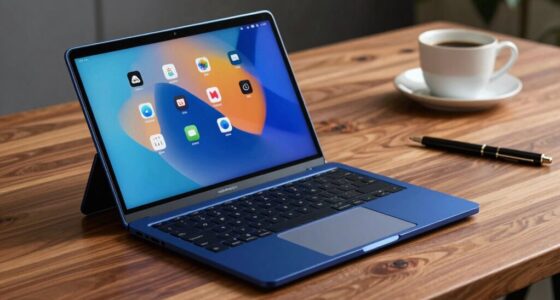
Finding the right coding laptop for students involves balancing performance, portability, and price. The Auusda Business Laptop stands out as the best overall with powerful specs and a solid build. For those prioritizing value, the HP 15.6-inch Student Laptop offers decent performance at a budget-friendly price. Meanwhile, the Dell 2026 Touchscreen Laptop excels if a touchscreen is a key feature for your workflow. The main challenge students face is choosing between raw power and portability, often trading off one for the other. Continue reading for a detailed breakdown of these options and more to help you make an informed decision.

Get business pricing on monitors, keyboards and dev gear
- Business-only prices and quantity discounts
- Tax-exempt purchasing
- Multiple users, one account, clear invoices
Key Takeaways
- Top-performing laptops like the Auusda and Dell models provide powerful specs suitable for intensive coding tasks.
- Portability often comes with tradeoffs in screen size and battery life; lighter models tend to have smaller batteries.
- Price varies widely, with premium options offering more CPU power and premium features, while budget models focus on basic coding needs.
- Features like screen quality, keyboard comfort, and expandability significantly impact long-term usability.
- Choosing a laptop with future-proof specs (like DDR5 RAM or Wi-Fi 6) can extend its relevance through multiple school years.


| coding laptops for student | Display | Processor | Storage | RAM |
|---|---|---|---|---|
| Auusda Business Laptop Compute | 15.6-inch FHD IPS LCD | Up to 3.4 GHz multi-thread | 1TB PCIe NVMe SSD | 16GB DDR4 |
| Lenovo V15 Flagship Laptop for | 15.6 inch FHD | 8-Core AMD Ryzen 7 7730U | 1TB (512GB SSD + external) | 16GB |
| Lenovo 2026 Premium Business L | 15.3" WUXGA IPS | AMD Ryzen 5 7535HS | 512GB SSD | 16GB DDR5 |
| Acer Aspire Go 15 AI Ready Lap | 15.6" FHD IPS | Intel Core 3 N355 | 128GB UFS | — |
| HP 15.6-inch Student Laptop wi | 15.6-inch HD | AMD Athlon Silver | 256GB SSD | 8GB |
| Dell 16" Business Laptop 2026 | 16" FHD+ Touchscreen (1920×1200, 300 nits) | AMD Ryzen 7 170 (8-core, up to 4.75GHz) | 1TB PCIe NVMe SSD | 32GB DDR5 |
| Lenovo Ideapad 3 Laptop 15.6" | 15.6" HD Touchscreen | 11th Gen Intel Core i3-1115G4 | 256GB PCIe SSD | 8GB DDR4 |
| Dell 2026 15.6" Touchscreen La | 15.6" FHD Touchscreen (1920×1080, anti-glare) | Intel Core i7-1355U (13th Gen, 10-Core, up to 5.0GHz) | 1TB SSD | 32GB |
| NIMO 15.6" AI-Creator Laptop w | 15.6" FHD IPS | AMD Ryzen 5 6600H | 1TB PCIe SSD | 16GB DDR5 |
| HP Essential Laptop with Micro | 14-inch HD (1366×768) | Intel N150 | 128GB UFS | 4GB DDR4 |
| NIMO 15.6” FHD IPS Student La | 15.6 inch FHD IPS | AMD Ryzen 5 | 512GB PCIe SSD | 16GB DDR4 |
| Dell 16 Touchscreen Laptop wit | 16-inch FHD+ (1920×1200), 16:10 | Intel Core i7 150U | 1TB PCIe NVMe SSD | 32GB DDR5 |
| Acer Swift 3 SF314-59-75QC Lap | 14" Full HD IPS | Intel Core i7-1165G7 | 256GB NVMe SSD | 8GB LPDDR4X |
| HP 14-Inch Laptop 2025 Busines | 14 inches | Quad-Core Intel N150 | 628GB (128GB UFS + 500GB external) | 16GB DDR4 |
| Lenovo 2026 Premium Business S | 15.3" WUXGA | 13th Gen Intel Core i5-13420H | 512GB PCIe NVMe SSD | — |
More Details on Our Top Picks
Auusda Business Laptop Computer for Work, 15.6″ FHD Display, 16GB RAM, 1TB SSD, Fingerprint ID, Backlit Keyboard, Silver
This Auusda business laptop stands out for combining powerful specs with security features, making it a strong choice for students who need reliable multitasking and data protection. Its 16GB RAM and 1TB SSD deliver fast performance, especially compared to more modest options like the HP Athlon Silver model. The full HD IPS display offers wide viewing angles, essential for extended coding sessions. However, the processor’s 3.4 GHz limit may slow down more intensive tasks, and the absence of dedicated graphics could hamper gaming or GPU-heavy work. Compared to the Lenovo Premium, it offers better security features, but the Lenovo’s lighter weight and slightly newer processor make it more portable for on-the-go students. This pick makes the most sense for students prioritizing performance and security over graphics power or ultra-lightweight design.
Pros:- Fast 16GB RAM and 1TB SSD for smooth multitasking and file access
- Full HD IPS display with wide viewing angles
- Enhanced security features like fingerprint ID and backlit keyboard
Cons:- Processor speed limited to 3.4 GHz, affecting performance on very demanding tasks
- No dedicated GPU, limiting graphics-intensive work
Best for: Students needing a fast, secure, and versatile machine for coding and productivity on campus or at home
Not ideal for: Students looking for a lightweight, ultra-portable laptop for frequent travel, as it is relatively bulky and heavy
- Display:15.6-inch FHD IPS LCD
- Processor:Up to 3.4 GHz multi-thread
- RAM:16GB DDR4
- Storage:1TB PCIe NVMe SSD
- Weight:3.7 lbs
- Connectivity:Wi-Fi, Bluetooth, USB 3.0, MicroSD, HDMI, audio jack
Our verdict“This is a solid choice for students who need performance and security without sacrificing too much portability.”
Lenovo V15 Flagship Laptop for 2025 Business Students, 15.6” FHD Display, AMD Ryzen 7, 16GB RAM, 1TB Storage, Windows 11 Pro
This Lenovo V15 offers a powerful AMD Ryzen 7 processor combined with 16GB RAM and a 1TB storage setup, making it ideal for students juggling multiple coding projects and research tasks. Its 8-core Ryzen CPU outperforms many dual-core options like the HP Athlon Silver, providing smoother multitasking. The included bundle with Windows 11 Pro and accessories adds value, especially for students who want a ready-to-use setup. However, the lack of detailed battery life info and heavier weight compared to ultra-portable options means it’s less suited for frequent commuting. Compared with the Auusda’s security features, the Lenovo excels in multitasking power, but is less lightweight. This makes it a strong contender for students who prioritize performance and expandability over portability and battery life.
Pros:- 8-core AMD Ryzen 7 CPU for superior multitasking
- Large 16GB RAM and 1TB storage for extensive projects
- Includes Windows 11 Pro and a bundle of accessories
Cons:- No specific battery life details provided
- External storage may be slower than internal SSD
Best for: Students with demanding coding workloads who need a comprehensive, plug-and-play setup
Not ideal for: Students who travel daily and need a lightweight, long-lasting battery device, due to limited portability info and weight
- Display:15.6 inch FHD
- Processor:8-Core AMD Ryzen 7 7730U
- RAM:16GB
- Storage:1TB (512GB SSD + external)
- Webcam:HD 720p with privacy shutter
- Operating System:Windows 11 Pro
Our verdict“This laptop suits students seeking high performance and a comprehensive setup over portability.”
Lenovo 2026 Premium Business Laptop, AMD Ryzen 5 7535HS, 16GB DDR5, 512GB SSD, 15″ WUXGA IPS Display, Wi-Fi 6, Windows 11
This Lenovo 2026 Premium model offers a balanced combination of performance and portability, with a Ryzen 5 7535HS CPU, DDR5 RAM, and a sharp 15.3-inch WUXGA IPS display. Its high-speed DDR5 memory and fast SSD make coding and light tasks snappy, and the lightweight design makes it perfect for students on the move. Compared with the heavier Auusda and Lenovo models with larger screens, this one emphasizes mobility and visual clarity. The absence of a metal chassis might impact durability, and Windows 11 Home may limit some professional features. Compared to the other Lenovo options, it offers a more portable form factor with excellent screen quality, but less raw power than the Ryzen 7-based models.
Pros:- High-refresh-rate WUXGA IPS display for crisp visuals
- Lightweight at just over 3.5 lbs for easy portability
- Fast DDR5 RAM and SSD for quick load times
Cons:- Durability may be compromised without a metal chassis
- Pre-installed Windows 11 Home might limit professional use
Best for: Students who prioritize portability, sharp display, and sufficient power for coding and light multitasking
Not ideal for: Students needing high-end performance or heavy-duty multitasking, due to the mid-tier Ryzen 5 CPU
- Display:15.3″ WUXGA IPS
- Processor:AMD Ryzen 5 7535HS
- RAM:16GB DDR5
- Storage:512GB SSD
- Weight:3.51 lbs
- Connectivity:Wi-Fi 6, Bluetooth 5.3
Our verdict“Ideal for students who want a portable, visually vibrant machine for coding and daily tasks.”
Acer Aspire Go 15 AI Ready Laptop, 15.6″ FHD IPS Display, Intel Core 3 N355, 8GB DDR5, 128GB UFS, Wi-Fi 6, Windows 11 Home in S Mode
This Acer Aspire Go 15 combines affordability with useful AI tools, making it suitable for students starting out in coding or general academic work. Its Intel Core 3 N355 processor paired with 8GB DDR5 RAM supports smooth daily performance, comparable to the HP Athlon but with newer memory tech. The 128GB UFS storage is limited but sufficient for basic coding projects and files. The inclusion of Windows 11 in S Mode and AI assistance via Windows Copilot adds modern usability. Compared to the HP model, it offers newer connectivity options like Wi-Fi 6 and a more eco-friendly design, though its storage capacity is less. Compared to the higher-end options, it sacrifices power and storage but delivers excellent value for budget-conscious students.
Pros:- Affordable price with modern Intel and DDR5 tech
- Wi-Fi 6 ensures fast, reliable connectivity
- Includes AI features and Windows Copilot for enhanced productivity
Cons:- Limited 128GB storage restricts large project storage
- No dedicated GPU, limiting graphics or gaming capabilities
Best for: Students seeking a low-cost yet capable device for coding and everyday tasks
Not ideal for: Students working on large projects or with demanding software, due to limited storage and modest processor power
- Display:15.6″ FHD IPS
- Processor:Intel Core 3 N355
- Memory:8GB DDR5
- Storage:128GB UFS
- Wi-Fi:Wi-Fi 6
- Operating System:Windows 11 Home in S Mode
Our verdict“This laptop suits students with basic coding needs who prioritize affordability and modern features over raw power.”
HP 15.6-inch Student Laptop with AMD Athlon Silver, 8GB RAM, 256GB SSD, Windows 11
This HP Athlon Silver-based laptop offers reliable performance for everyday tasks like browsing, streaming, and basic coding, making it a good choice for students with minimal software demands. Its 8GB RAM and 256GB SSD are sufficient for light projects but fall short for heavy multitasking or large datasets. The full Windows 11 environment and included accessories like a mouse and sleeve add convenience. Compared to the more powerful Lenovo models, it’s less suited to intensive coding or multitasking but excels in affordability and simplicity. The processor’s limited power means it may struggle with demanding IDEs or compilation tasks. Compared with the Acer Aspire, it has a slightly larger SSD but less modern hardware, making it suitable for casual users over power users.
Pros:- Reliable performance for daily tasks and light coding
- Includes accessories like mouse and sleeve for convenience
- Pre-installed Windows 11 offers a modern interface
Cons:- Processor less capable for demanding development work
- No dedicated graphics card for gaming or GPU-heavy tasks
Best for: Students who need a dependable, low-cost device for basic coding and daily tasks
Not ideal for: Students planning to run heavy development environments or multitask extensively, due to limited processing power
- Display:15.6-inch HD
- Processor:AMD Athlon Silver
- RAM:8GB
- Storage:256GB SSD
- Operating System:Windows 11
- Graphics:AMD Radeon Graphics
Our verdict“This laptop is well-suited for students who need a straightforward, budget-friendly device for basic coding and office work.”
Dell 16″ Business Laptop 2026 with AMD Ryzen 7, 32GB DDR5, 1TB SSD, Touchscreen, Windows 11 Home
This Dell 16-inch model stands out for its combination of a robust AMD Ryzen 7 processor, 32GB DDR5 RAM, and a spacious 1TB SSD, making it ideal for demanding coding tasks, multitasking, and content creation. Unlike the Lenovo V15 with AMD Ryzen 7, this Dell offers a larger, high-brightness touchscreen that enhances productivity, though it adds weight at over 4 pounds, which could impact portability. Its all-day battery life and versatile connectivity make it suitable for students who need mobility, but the premium features come at a higher price point, and it runs only Windows 11 Home, limiting some enterprise features.
Pros:- Powerful AMD Ryzen 7 processor with high multitasking capacity
- Expansive 16″ FHD+ touchscreen with high brightness and eye comfort tech
- Long battery life with fast charging and multiple connectivity options
- Sleek, professional design suitable for business and academic environments
Cons:- Relatively heavy at 4.18 lbs, impacting portability
- Premium price may be a deterrent for budget-conscious students
- Limited to Windows 11 Home edition, restricting some enterprise features
Best for: Students who prioritize high performance and a large, touch-enabled display for coding, multitasking, and creative work.
Not ideal for: Those who need an ultra-lightweight, budget-friendly option or require Windows 11 Pro for advanced security features.
- Processor:AMD Ryzen 7 170 (8-core, up to 4.75GHz)
- RAM:32GB DDR5
- Storage:1TB PCIe NVMe SSD
- Display:16″ FHD+ Touchscreen (1920×1200, 300 nits)
- Graphics:AMD Radeon 780M
- Battery:All-day with fast charge
- Weight:4.18 lbs
- Operating System:Windows 11 Home
Our verdict“This laptop suits students who need serious processing power and a large touchscreen for coding and multimedia projects, accepting some weight and price tradeoffs.”
Lenovo Ideapad 3 Laptop 15.6″ HD Touchscreen, 11th Gen Intel Core i3, 8GB RAM, 256GB SSD, Windows 11 Home, Almond
Compared with the Dell, the Lenovo Ideapad 3 offers a smaller, more portable form factor and a touch-enabled 15.6″ HD display, making it accessible for students just starting to code or handle basic tasks. Its 8GB RAM and 256GB SSD provide decent performance for everyday use, but the HD resolution limits clarity, especially for detailed coding or multimedia editing. The Intel Core i3 processor, while sufficient for entry-level tasks, may struggle with more intensive coding environments, unlike the more powerful Ryzen 7 in the Dell. Its lightweight design and lower price make it attractive to those on a tight budget, but students should be aware of its limited display quality and processing power.
Pros:- Affordable price point suitable for budget-conscious students
- Lightweight and portable for easy carrying around campus
- Decent SSD speed ensures quick boot and load times
- Touchscreen adds interactive versatility
Cons:- HD resolution can cause eye strain or limit detailed work
- Processor may not handle intensive coding or multitasking well
- Limited storage at 256GB for large projects
Best for: Beginners or students who need a lightweight, affordable laptop primarily for learning to code and basic online tasks.
Not ideal for: Advanced coders or students working with complex software that demands higher processing power and resolution.
- Display:15.6″ HD Touchscreen
- Processor:11th Gen Intel Core i3-1115G4
- RAM:8GB DDR4
- Storage:256GB PCIe SSD
- Operating System:Windows 11 Home
- Graphics:Intel UHD Graphics
Our verdict“This model is a good starter for students new to coding who need a lightweight, inexpensive device for basic tasks, with some compromise on display quality and processing power.”
Dell 2026 15.6″ Touchscreen Laptop DC15250 – Intel Core i7, 32GB RAM, 1TB SSD, Windows 11 Pro
This Dell model delivers top-tier performance with a 13th Gen Intel Core i7 processor, 32GB RAM, and a 1TB SSD, making it ideal for students tackling heavy coding, virtual machines, or multitasking. Its 15.6″ Full HD anti-glare touchscreen enhances visual clarity and reduces eye strain, comparable to the Lenovo V15 but with a more advanced processor and larger RAM capacity. The inclusion of Windows 11 Pro provides added security and management features, advantageous for students working on complex projects or collaborating in professional settings. However, at over 4 pounds, portability is somewhat compromised, and the absence of a dedicated GPU limits high-end graphics tasks.
Pros:- High-performance 13th Gen Intel Core i7 processor suitable for demanding tasks
- Large 32GB RAM and 1TB SSD for swift multitasking and ample storage
- Anti-glare Full HD touchscreen for comfortable viewing
- Windows 11 Pro with enhanced security and management features
Cons:- Weight of over 4 pounds reduces portability
- Lacks a dedicated GPU for high-end gaming or 3D rendering
- Higher price point may be a barrier for some students
Best for: Students engaged in intensive coding, data analysis, or multitasking requiring high processing power and security features.
Not ideal for: Students needing a lightweight, budget-friendly device or those focused primarily on casual coding or media consumption.
- Processor:Intel Core i7-1355U (13th Gen, 10-Core, up to 5.0GHz)
- RAM:32GB
- Storage:1TB SSD
- Display:15.6″ FHD Touchscreen (1920×1080, anti-glare)
- Operating System:Windows 11 Pro
- Weight:4.28 lbs
Our verdict“Ideal for students needing serious processing, security, and multitasking capabilities, willing to accept some weight and cost tradeoffs.”
NIMO 15.6″ AI-Creator Laptop with AMD Ryzen 5 6600H, 16GB RAM, 1TB SSD, FHD IPS Display, Backlit Keyboard, Fingerprint Reader, Windows 11
The NIMO 15.6-inch AI-Creator Laptop offers a balanced combination of performance and usability with its AMD Ryzen 5 6600H, 16GB DDR5 RAM, and a 1TB SSD. Unlike the more expensive Dell or Lenovo options, this model provides high-performance processing suitable for multitasking, video editing, and remote work, thanks to its Ryzen 5 chip and fast storage. Its FHD IPS display ensures clear visuals, and features like a fingerprint reader and backlit keyboard add convenience. The integrated AMD Radeon 660M graphics are fine for most coding and multimedia tasks but fall short for demanding 3D or high-end gaming. Its versatile ports and ergonomic design make it a good all-around choice for creators on a budget.
Pros:- Powerful AMD Ryzen 5 6600H processor for demanding tasks
- Fast 1TB SSD and 16GB DDR5 RAM for smooth multitasking
- IPS FHD display for vibrant, accurate visuals
- Backlit keyboard and fingerprint reader for added convenience
Cons:- Integrated graphics limit high-end gaming or 3D rendering
- Battery capacity might restrict extended unplugged use
- Design and build quality details are not specified
Best for: Students involved in content creation, coding, and multitasking who need a reliable, mid-range device with good display quality.
Not ideal for: Those requiring dedicated gaming or high-end 3D rendering capabilities, or extreme portability.
- Processor:AMD Ryzen 5 6600H
- RAM:16GB DDR5
- Storage:1TB PCIe SSD
- Display:15.6″ FHD IPS
- Graphics:AMD Radeon 660M
- Ports:2 USB-C, HDMI, 3 USB-A, Micro SD
- Operating System:Windows 11
Our verdict“This laptop balances performance and affordability, well-suited for students who need a versatile machine for coding and creative tasks without high-end graphics demands.”
HP Essential Laptop with Microsoft Office 365, N150, 4GB RAM, 128GB Storage, Windows 11 Home, Sky Blue
This HP 14-inch model offers a very lightweight and budget-friendly choice for students focused on online classes, note-taking, and basic coding. Its Intel N150 processor paired with 4GB RAM and 128GB storage are sufficient for casual use and web-based programming, but they fall short for more complex coding or multitasking needs. The inclusion of a full year of Microsoft 365, Dropbox, and long battery life makes it convenient for everyday tasks. However, the low-resolution display (1366×768) may cause eye strain over time, and limited internal storage could be restrictive for larger projects.
Pros:- Extremely lightweight and portable for easy mobility
- Includes a full year of Microsoft 365 and Dropbox storage
- Long battery life with quick charge features
- Privacy features like camera shutter
Cons:- Basic display resolution may cause eye fatigue
- Limited internal storage at 128GB for larger projects
- Processor less capable for demanding applications
Best for: Students who need a portable, affordable device primarily for browsing, document editing, and light coding exercises.
Not ideal for: Students working on intensive coding, large projects, or multimedia editing that require more processing power or higher display resolution.
- Processor:Intel N150
- RAM:4GB DDR4
- Storage:128GB UFS
- Display:14-inch HD (1366×768)
- Operating System:Windows 11 Home in S Mode
- Graphics:Intel UHD Graphics
Our verdict“This laptop is best suited for students needing a simple, portable device for online learning and light coding, accepting some performance limitations.”
NIMO 15.6” FHD IPS Student Laptop – 16GB RAM, 512GB SSD, AMD Ryzen 5
This NIMO model stands out for its combination of a powerful AMD Ryzen 5 processor and generous 16GB RAM, making it ideal for students running multiple coding environments or virtual machines. Compared with the Acer Swift 3, which offers a lighter weight but less RAM, the NIMO prioritizes multitasking capacity over portability. Its 512GB SSD ensures quick boot-up times and ample space for projects, though it lacks detailed battery life info—something to consider for all-day use. The inclusion of a backlit keyboard and fingerprint sensor enhances usability and security, making it a well-rounded choice for dedicated learners. The main tradeoff involves its somewhat limited battery data and the absence of a dedicated GPU, which isn’t critical for most coding tasks but could matter for graphics-heavy projects.
Pros:- Powerful AMD Ryzen 5 processor with 16GB RAM for smooth multitasking
- Fast 512GB SSD for quick boot-up and file access
- Backlit keyboard and fingerprint sensor for enhanced security and usability
Cons:- Limited information on battery life, which may affect all-day productivity
- No dedicated GPU, limiting high-end creative or gaming workloads
Best for: Students who need a balanced mix of performance, security, and storage for coding, multitasking, and virtual environments.
Not ideal for: Those prioritizing ultra-portability or long battery life on a single charge, as battery specifics aren’t detailed and it’s slightly bulkier than lighter options.
- Display:15.6 inch FHD IPS
- Processor:AMD Ryzen 5
- RAM:16GB DDR4
- Storage:512GB PCIe SSD
- Battery:65W Type-C fast charging
- Connectivity:Wi-Fi 6, Bluetooth 5.2
Our verdict“This laptop makes the most sense for students who need reliable performance and security for intensive coding tasks.”
Dell 16 Touchscreen Laptop with Intel Core i7, 32GB DDR5, 1TB SSD, Windows 11 Pro
This Dell 16-inch touchscreen excels at heavy multitasking and creative work thanks to its Intel Core i7 processor and 32GB DDR5 RAM. Compared with the Lenovo 2026, which offers a slightly smaller display and similar specs, the Dell’s larger screen enhances productivity for coding, design, or multi-application workflows. Its 1TB SSD ensures swift file handling, while the lightweight design (just over 4 pounds) supports portability. However, the premium price might be a barrier for budget-conscious students, and the absence of dedicated graphics limits high-end gaming or intense graphic design. Battery life isn’t specified, so students should consider external power sources for extended sessions. Overall, this pick is ideal for students who need maximum power for demanding tasks but are willing to invest more.
Pros:- Powerful Intel Core i7 with 32GB DDR5 RAM for demanding workloads
- Large 16-inch FHD+ touchscreen with immersive aspect ratio
- Fast 1TB SSD for quick access and storage
Cons:- Premium price may limit affordability
- Battery life details are not provided, which could affect portable use
Best for: Students involved in creative coding, simulation, or multitasking-heavy projects requiring high performance.
Not ideal for: Budget-minded students or those needing a longer-lasting battery without frequent charging, as battery specifics are missing.
- Processor:Intel Core i7 150U
- RAM:32GB DDR5
- Storage:1TB PCIe NVMe SSD
- Display:16-inch FHD+ (1920×1200), 16:10
- Graphics:Integrated Intel Graphics
- Weight:4.37 lbs
Our verdict“This laptop suits students who prioritize high performance for creative coding and multitasking over cost and portability.”
Acer Swift 3 SF314-59-75QC Laptop, 14″ Full HD, Intel Core i7-1165G7, 8GB RAM, 256GB SSD, Wi-Fi 6, Fingerprint Reader, Backlit Keyboard
This Acer Swift 3 balances performance and portability with its 11th Gen Intel Core i7 processor and 14-inch display. Compared with the Lenovo 2026, which offers a larger screen and more RAM, the Swift 3 is lighter at just 2.65 pounds, making it ideal for students on the move. Its 8GB RAM, however, may be limiting for heavy multitasking or running multiple development environments simultaneously, especially with more complex projects. The 256GB SSD provides fast storage but could require external drives for larger datasets. Battery life of up to 16 hours supports extended use, aligning well with students who need flexibility. This model suits learners who value lightweight design but might not be suitable for those handling large codebases or requiring extensive multitasking.
Pros:- Lightweight and portable at 2.65 lbs for easy carrying
- Powerful 11th Gen Intel Core i7 for everyday coding tasks
- Long battery life up to 16 hours for extended mobility
Cons:- Limited 256GB storage may require external drives
- RAM may be insufficient for heavy multitasking or advanced development
Best for: Students seeking a lightweight, capable machine for coding and general use during long days on campus.
Not ideal for: Power users or students working with large datasets or multiple VMs, due to limited RAM and internal storage.
- Processor:Intel Core i7-1165G7
- Display:14″ Full HD IPS
- RAM:8GB LPDDR4X
- Storage:256GB NVMe SSD
- Battery Life:Up to 16 hours
- Weight:2.65 lbs
Our verdict“This laptop is a solid choice for students who prioritize portability and decent performance for daily coding tasks.”
HP 14-Inch Laptop 2025 Business Student Slim Computer with Lifetime MS Office, AI Copilot, Quad-Core Intel CPU, 16GB RAM, 628GB Storage, Rose Gold
This HP model offers a compelling blend of 16GB RAM and 628GB storage, making it well-suited for students balancing coding, writing, and business tasks. Its quad-core Intel N150 processor provides adequate power for most programming assignments, though it may lag behind higher-end i7 models in raw performance. Compared with the Lenovo 2026, which has a larger display, the HP’s 14-inch screen makes it more portable but slightly less immersive for multitasking. The inclusion of lifetime Microsoft Office 2024 and accessories adds excellent value for students engaged in document-heavy projects. However, the internal storage is limited without external drives, and the absence of a dedicated GPU restricts high-end creative work. Its focus on productivity makes it ideal for business students or remote learners managing multiple apps simultaneously.
Pros:- High 16GB RAM and fast quad-core processor for multitasking
- Includes lifetime Microsoft Office 2024 and accessories
- High-definition display with minimal bezels for better viewing
Cons:- Limited internal storage without external expansion
- No dedicated graphics card for intensive creative tasks
Best for: Business or remote learning students who need a reliable, portable machine for coding, document work, and productivity.
Not ideal for: Students involved in graphics-heavy work or gaming, given the lack of dedicated GPU and limited internal storage.
- Display:14 inches
- Processor:Quad-Core Intel N150
- RAM:16GB DDR4
- Storage:628GB (128GB UFS + 500GB external)
- Operating System:Windows 11 Pro
- Color:Rose Gold
Our verdict“This laptop suits students focused on productivity, coding, and document work in a portable, bundled package.”
Lenovo 2026 Premium Business Student Laptop, 13th Gen Intel Core i5-13420H, 15″ WUXGA Display, 8GB DDR5, 512GB SSD, Windows 11, WiFi 6, Lightweight
The Lenovo 2026 excels at balancing powerful 13th Gen Intel Core i5 and portability, making it a versatile choice for students who need a reliable daily driver. Its 15.3-inch WUXGA display offers crisp visuals, comparable to the smaller 14-inch Acer but with a larger workspace. Compared with the Dell 16, which has higher specs and a larger screen, the Lenovo’s lightweight build at only 3.51 pounds makes it more suitable for carrying between classes or coffee shops. Its 8GB DDR5 RAM is sufficient for most coding tasks, though heavy multitasking or complex IDEs might push its limits. The 512GB SSD provides a good starting point, but students with large datasets may need external storage. This model is a practical pick for those who prioritize everyday reliability on the move.
Pros:- Lightweight at 3.51 lbs for easy portability
- Powerful 13th Gen Intel Core i5 processor
- High-resolution 15.3″ WUXGA display with anti-glare coating
Cons:- Limited to 8GB RAM, which may restrict multitasking
- No dedicated graphics card for gaming or heavy creative work
Best for: Students seeking a lightweight, capable laptop for coding, studying, and daily tasks without breaking the bank.
Not ideal for: Power users or creative professionals needing high-end specs or more RAM for intensive workloads.
- Processor:13th Gen Intel Core i5-13420H
- Display:15.3″ WUXGA
- Memory:8GB DDR5
- Storage:512GB PCIe NVMe SSD
- Connectivity:Wi-Fi 6
- Weight:3.51 lbs
Our verdict“This Lenovo model offers a balanced, portable solution for students who want reliable daily performance with manageable weight.”

How We Picked
We evaluated these laptops based on a combination of processing power, memory capacity, build quality, portability, and value for students engaging in coding. Performance benchmarks matter for compiling code and running development environments, so models with recent CPUs and ample RAM ranked higher. Ease of use, including keyboard quality and display clarity, also influenced our choices. We balanced these technical factors against price and durability, favoring models that deliver reliable coding performance without unnecessary extras. The ranking reflects a mix of high-performance options for serious programmers and more affordable, beginner-friendly laptops for new learners.| coding laptops for student | Operating System |
|---|---|
| Auusda Business Laptop Compute | — |
| Lenovo V15 Flagship Laptop for | Windows 11 Pro |
| Lenovo 2026 Premium Business L | — |
| Acer Aspire Go 15 AI Ready Lap | Windows 11 Home in S Mode |
| HP 15.6-inch Student Laptop wi | Windows 11 |
| Dell 16" Business Laptop 2026 | Windows 11 Home |
| Lenovo Ideapad 3 Laptop 15.6" | Windows 11 Home |
| Dell 2026 15.6" Touchscreen La | Windows 11 Pro |
| NIMO 15.6" AI-Creator Laptop w | Windows 11 |
| HP Essential Laptop with Micro | Windows 11 Home in S Mode |
| NIMO 15.6” FHD IPS Student La | — |
| Dell 16 Touchscreen Laptop wit | — |
| Acer Swift 3 SF314-59-75QC Lap | — |
| HP 14-Inch Laptop 2025 Busines | Windows 11 Pro |
| Lenovo 2026 Premium Business S | — |
Factors to Consider When Choosing Coding Laptops For Students
When selecting a coding laptop for students, understanding key factors can help you avoid common pitfalls and choose a device that truly supports your learning goals. Beyond raw specs, consider how portability, battery life, and future-proofing align with your academic and coding needs. Making thoughtful tradeoffs between power and weight can save you money and frustration down the line. Here are the main factors to evaluate:Performance and Processor Power
For coding, a fast processor and sufficient RAM are essential to compile code quickly and run development environments smoothly. Look for recent-generation CPUs like Intel i5/i7 or AMD Ryzen 5/7, coupled with at least 8GB of RAM, though 16GB is preferable for heavier workloads. Avoid older or underpowered chips that can slow down your workflow. Keep in mind that more powerful processors often come with higher prices and potentially shorter battery life, so balance your need for speed with portability.
Portability and Battery Life
Students need laptops that are easy to carry across campus or between classes, which means lighter weight and longer battery life are key. A bulky or heavy machine can be a drag, especially if it’s not all-day battery capable. Consider models with at least 8 hours of battery life to avoid carrying chargers everywhere. However, very slim laptops might sacrifice ports or cooling, so check for a good balance of weight, battery, and expandability.
Display and Keyboard Quality
A clear, comfortable display reduces eye strain during long coding sessions. Look for Full HD resolution or better, with IPS panels for wide viewing angles. Keyboard comfort is equally important; keys should have good travel and feedback to prevent fatigue. Backlit keyboards can be a big plus for late-night coding. Investing in a quality display and keyboard enhances your productivity and comfort over years of use.
Build Quality and Durability
School environments demand laptops that can withstand the rigors of daily use. Metal chassis or reinforced plastics tend to last longer than cheaper materials. Check for good warranty and service options, especially if you plan to use the laptop heavily or carry it around campus. Avoid overly flimsy models that might break or malfunction after short periods of use.
Future-Proofing and Expandability
Choosing a laptop with features like DDR5 RAM, Wi-Fi 6, and fast storage options can extend its lifespan as software requirements grow. Ports like USB-C, Thunderbolt, or SD card slots add versatility for peripherals and external displays. While these extras can increase initial costs, they often save money in the long run by avoiding upgrades or replacements sooner than expected.
Frequently Asked Questions
What is the minimum processor power I should look for in a student coding laptop?
For most student coding tasks, an Intel Core i5 or AMD Ryzen 5 processor from recent generations will provide enough speed to compile code, run IDEs, and handle multitasking comfortably. If you plan to work on more demanding projects, such as machine learning or large software development, opting for an i7 or Ryzen 7 can offer additional headroom. Keep in mind that higher-tier processors often come with increased costs and may impact battery life, so balance your choice based on your workload and portability needs.
Is a 15.6-inch screen the best size for coding as a student?
While 15.6 inches is the most common size offering a good balance between usability and portability, some students prefer smaller screens like 13 or 14 inches for greater portability. Larger screens (17 inches) can improve comfort during extended coding sessions but tend to be heavier and less portable. Consider how often you’ll carry your laptop and whether screen real estate or weight is more important for your daily routine.
Should I prioritize battery life over processing power?
Yes, for students who need to work on the go without easy access to power outlets, battery life often takes precedence. A laptop with a durable, long-lasting battery allows for more flexibility during long classes or library sessions. However, very lightweight, long-battery models may have lower specs, so if you plan to do intensive coding regularly, finding a balance—such as a mid-range processor with a capable battery—is wise.
Are gaming laptops good for coding students?
Gaming laptops often feature powerful CPUs, high-end GPUs, and high-refresh-rate displays, making them capable of handling demanding coding and development tasks. However, they tend to be bulkier, heavier, and more expensive, which can be less practical for daily student use. If you already own a gaming laptop or need high performance for specific tasks, it can work, but for most students, a well-balanced ultrabook or business laptop offers a better mix of portability and power.
What features make a laptop future-proof for coding?
Future-proofing in a student coding laptop involves selecting models with the latest connectivity options like Wi-Fi 6 and Bluetooth 5.0, fast storage such as NVMe SSDs, and support for DDR5 RAM. Additionally, having multiple ports—USB-C, Thunderbolt, and HDMI—can extend compatibility with peripherals and external displays. Investing in a slightly more powerful machine today can save money and hassle later by delaying the need for an upgrade as software and development environments become more demanding.
Conclusion
For general use and balanced performance, the Auusda Business Laptop makes a strong case as the best overall choice for students who need reliable power without sacrificing portability. Budget-conscious learners should consider the HP 15.6-inch Student Laptop for its affordability and decent specs. Students seeking a premium, future-proof device will find the Dell 2026 Touchscreen Laptop or the Lenovo 13th Gen Premium Business Laptop ideal. Beginners or those new to coding might prefer the more affordable options with solid basic features, while advanced students working on intensive projects should prioritize higher-end CPUs and expandability. Tailoring your choice based on your specific needs ensures your laptop supports your coding journey effectively.
Fall Picks
fall essentials
As an affiliate, we earn on qualifying purchases.