
Choosing the right software testing tools as a student can be challenging, given the variety of options available. The best overall pick strikes a balance between usability and feature set, making it suitable for most learners. Selenium WebDriver stands out for its widespread use and free access, ideal for those interested in automation. Meanwhile, AI-powered testing tools provide advanced capabilities but often come with a steeper learning curve and higher costs. Many students face the dilemma of selecting tools that are either simple and affordable or powerful but complex. Keep reading for a detailed breakdown of the top 11 testing tools tailored for students in 2026.
Listen free for 30 days with Audible
Thousands of audiobooks and originals — cancel anytime.
Start your free trialAs an affiliate, we earn on qualifying purchases.
Key Takeaways
- The top-ranked tools combine ease of use with powerful automation features, making them accessible yet scalable for students.
- Free and open-source options like Selenium dominate the lineup, offering significant value for budget-conscious learners.
- AI-enhanced testing tools are emerging as a future-forward choice, but they tend to favor advanced users or those willing to invest more.
- Tools with comprehensive tutorials and community support tend to be more suitable for beginners and self-learners.
- Tradeoffs often involve balancing simplicity against functionality; more feature-rich tools usually require a steeper learning curve.
| A Practitioner’s Guide to Software Test Design |  | Best for Practical Test Design Strategies | Coverage: Test design techniques | Target Audience: Beginners and experienced testers | Content Focus: Practical strategies | VIEW LATEST PRICE | See Our Full Breakdown |
| Selenium WebDriver Automation Tool Training with Java, Eclipse, TestNG, and POM Framework |  | Best for Automation Testing with Java and Frameworks | Content Coverage: Selenium WebDriver, Java, TestNG, POM | Format: Online training | Skill Level: Intermediate to advanced | VIEW LATEST PRICE | See Our Full Breakdown |
| Elevating Software Testing with Artificial Intelligence |  | Best for Innovators Using AI in Testing | Technology Focus: Artificial Intelligence | Application Area: Testing accuracy and efficiency | Content Type: Conceptual overview | VIEW LATEST PRICE | See Our Full Breakdown |
| Lessons Learned in Software Testing: A Context-Driven Approach |  | Best for Context-Driven Testing Insights | Approach: Context-driven testing | Content Focus: Flexible testing strategies | Target Audience: Testers and QA professionals | VIEW LATEST PRICE | See Our Full Breakdown |
| Software Testing |  | Best for Comprehensive Testing Knowledge | Coverage: Testing methodologies and best practices | Skill Level: All levels | Detail Level: High-level overview | VIEW LATEST PRICE | See Our Full Breakdown |
| Full Stack Testing: A Practical Guide for Delivering High Quality Software |  | Best for Comprehensive Understanding of Full Stack Testing | Coverage: Full stack testing techniques | Intended Audience: Developers and QA professionals | Depth: Technical, comprehensive | VIEW LATEST PRICE | See Our Full Breakdown |
| AI Integrated Software Automation Testing with Java and Selenium |  | Best for Tech-Savvy Students Interested in AI-Enhanced Automation | Framework: TestNG | Languages: Java | Features: AI integration, flaky test detection, GitHub Co-Pilot | VIEW LATEST PRICE | See Our Full Breakdown |
| Software Testing Tools: Covering WinRunner, SilkTest, LoadRunner, JMeter, TestDirector, and QTP |  | Best for In-Depth Tool Knowledge for QA Students | Tools Covered: WinRunner, SilkTest, LoadRunner, JMeter, TestDirector, QTP | Focus: Comprehensive tool overview | Audience: Advanced students and QA professionals | VIEW LATEST PRICE | See Our Full Breakdown |
| Learning Selenium Testing Tools with Python |  | Best for Beginners and Python Enthusiasts | Language: Python | Coverage: Selenium automation techniques | Approach: Practical tutorials | VIEW LATEST PRICE | See Our Full Breakdown |
| Software Test Design: Write Comprehensive Test Plans to Uncover Critical Bugs in Web, Desktop, and Mobile Apps | 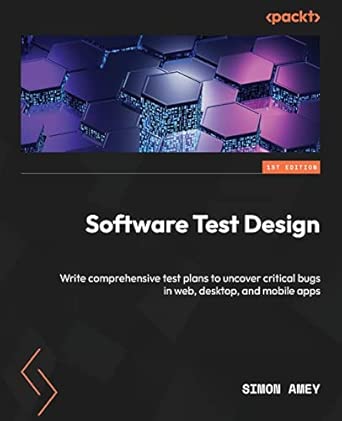 | Best for Structured Test Planning and Cross-Platform Testing | Focus: Test plan development | Platforms Covered: Web, desktop, mobile | Approach: Strategic and methodological | VIEW LATEST PRICE | See Our Full Breakdown |
| Introduction to Software Testing |  | Best for Beginners and Self-Study | Audience: Beginners and students | Coverage: Testing principles, methodologies, best practices | Format: Theoretical explanations with practical examples | VIEW LATEST PRICE | See Our Full Breakdown |
More Details on Our Top Picks
A Practitioner’s Guide to Software Test Design
This book stands out for its comprehensive coverage of test design techniques, making it an essential resource for students who want more than just theory. Compared with Lessons Learned in Software Testing, which emphasizes a broader context-driven perspective, this guide offers more actionable strategies that students can apply directly to their projects. However, its lack of detailed examples in some sections can pose a challenge for those seeking step-by-step guidance. It’s particularly suited for students aiming to deepen their understanding of test design fundamentals, whether in academic or practical settings.
Pros:- Comprehensive coverage of test design techniques
- Provides practical guidance suitable for both beginners and experienced testers
- Focuses on actionable strategies that improve testing effectiveness
Cons:- Lacks detailed, step-by-step examples in some sections
- May be too dense for absolute beginners seeking quick tutorials
Best for: Students seeking practical, technique-focused guidance on test design that can be applied across various testing scenarios.
Not ideal for: Beginners who need more illustrative examples or those looking for a broad overview rather than detailed strategies.
- Coverage:Test design techniques
- Target Audience:Beginners and experienced testers
- Content Focus:Practical strategies
- Examples:Limited detailed examples
- Format:Book
- Use Case:Educational and professional development
Our verdict“This book is ideal for students who want a solid foundation in test design methods with a focus on practical application.”
Selenium WebDriver Automation Tool Training with Java, Eclipse, TestNG, and POM Framework
This training course excels in delivering in-depth knowledge of Selenium WebDriver combined with Java, making it ideal for students aiming to master automation frameworks like TestNG and POM. Unlike Software Testing, which covers broad methodologies for all skill levels, this course dives into technical implementation details, which can be overwhelming for absolute beginners. Its practical test case tutorials help students develop real-world automation skills, though the lack of clear pricing information might be a barrier for some learners. It’s best suited for those who have some programming background and want to specialize in automation testing.
Pros:- In-depth coverage of Selenium WebDriver and Java integration
- Includes practical examples and test case tutorials
- Focuses on popular frameworks like TestNG and POM
Cons:- No specific price information provided
- Content may be too technical for complete beginners
Best for: Students with basic programming knowledge eager to build automation skills using Selenium and Java frameworks.
Not ideal for: Absolute beginners with no prior coding experience or those seeking a gentle introduction to testing concepts.
- Content Coverage:Selenium WebDriver, Java, TestNG, POM
- Format:Online training
- Skill Level:Intermediate to advanced
- Includes:Practical test case tutorials
- Prerequisites:Basic programming knowledge
- Price Info:Not specified
Our verdict“This course is best for students with some coding experience who want to develop advanced automation testing skills using Java and Selenium frameworks.”
Elevating Software Testing with Artificial Intelligence
This innovative product introduces AI-driven approaches to improve testing accuracy and efficiency, making it appealing to forward-thinking students interested in the latest tech. Unlike Software Testing, which provides broad methodologies without emphasizing emerging technologies, this offering focuses specifically on AI applications, though it falls short on technical details, such as specifications or case studies. Its lack of user reviews and detailed info makes it less suitable for those needing immediate, practical implementation guidance. It’s best for students curious about AI’s role in testing but who are comfortable exploring less detailed content.
Pros:- Utilizes AI to enhance testing accuracy
- Innovative approach to software testing processes
Cons:- Lacks detailed specifications and technical depth
- No user reviews to validate effectiveness
Best for: Students interested in exploring AI technologies in software testing and willing to experiment with less detailed technical info.
Not ideal for: Beginners or those needing comprehensive, step-by-step tutorials on AI integration in testing.
- Technology Focus:Artificial Intelligence
- Application Area:Testing accuracy and efficiency
- Content Type:Conceptual overview
- Details Provided:Limited technical specifications
- User Feedback:None available
- Ideal For:AI-curious students
Our verdict“This product suits students eager to explore AI’s potential in testing but who are comfortable with limited technical details upfront.”
Lessons Learned in Software Testing: A Context-Driven Approach
This book offers valuable lessons from a context-driven testing perspective, making it well-suited for students interested in flexible, real-world testing practices. Compared with A Practitioner’s Guide to Software Test Design, which emphasizes structured design techniques, this book leans toward adaptable strategies based on specific project contexts. Its practical insights are useful, but the lack of detailed technical examples may leave students seeking concrete, step-by-step guides wanting more. It’s ideal for those who appreciate strategic thinking and a flexible approach over strict procedural instructions.
Pros:- Provides practical insights into flexible testing practices
- Focuses on a real-world, context-driven approach
- Suitable for testers and QA professionals aiming for strategic thinking
Cons:- Lacks detailed technical examples
- May be too theoretical for learners seeking concrete tutorials
Best for: Students who prefer understanding testing as a flexible, context-sensitive process rather than rigid procedures.
Not ideal for: Students looking for detailed technical tutorials or step-by-step guides for test automation.
- Approach:Context-driven testing
- Content Focus:Flexible testing strategies
- Target Audience:Testers and QA professionals
- Examples:Limited technical detail
- Use Case:Strategic testing planning
- Format:Book
Our verdict“This book is best for students who want to develop adaptable testing strategies aligned with specific project needs.”
Software Testing
This foundational guide covers a wide range of testing methodologies and tools, making it suitable for students at all skill levels. Unlike A Practitioner’s Guide to Software Test Design, which narrows down to test design techniques, this book offers a broader overview of testing practices, although it doesn’t specify particular product features or tools. Its general approach makes it accessible, but the lack of concrete examples or reviews could hinder practical application. This resource benefits students seeking a complete overview that can serve as a reference throughout their learning journey.
Pros:- Provides detailed testing techniques across multiple methodologies
- Suitable for learners at all skill levels
- Serves as a broad reference for testing concepts
Cons:- Lacks specific product features and detailed examples
- No customer reviews to gauge real-world applicability
Best for: Beginners or students looking for a broad, all-in-one introduction to software testing methodologies.
Not ideal for: Advanced students seeking detailed, tool-specific guidance or innovative testing techniques.
- Coverage:Testing methodologies and best practices
- Skill Level:All levels
- Detail Level:High-level overview
- Features:General concepts, no specific tools
- Format:Book
- Use Case:Educational resource for beginners
Our verdict“This book is well-suited for students needing a comprehensive introduction to various testing methods without diving into technical specifics.”
Full Stack Testing: A Practical Guide for Delivering High Quality Software
This book stands out for its thorough coverage of testing strategies across the entire application stack, making it ideal for students who want a broad understanding of both frontend and backend testing techniques. Compared with other resources like ‘Learning Selenium Testing Tools with Python’, it offers a more holistic view but lacks detailed code examples, which can hinder practical implementation for complete beginners. Its practical guidance emphasizes delivering high-quality software, though its technical depth may be overwhelming for newcomers. This makes it best suited for students with foundational knowledge seeking a solid conceptual framework rather than quick-start tutorials.Pros:- Extensive coverage across frontend and backend testing techniques
- Focus on practical strategies for high-quality software delivery
- Helps build a strong conceptual foundation for full stack testing
- Suitable for advanced students and aspiring QA professionals
Cons:- Lacks detailed code examples, limiting hands-on learning
- Too technical for absolute beginners seeking simple tutorials
Best for: Students aiming for a comprehensive grasp of full stack testing concepts and best practices
Not ideal for: Beginners with no prior testing background or those looking for quick, code-heavy tutorials
- Coverage:Full stack testing techniques
- Intended Audience:Developers and QA professionals
- Depth:Technical, comprehensive
- Practicality:Guidelines without detailed code
Our verdict“This book is a strong choice for students who want to deepen their understanding of full stack testing but may be less suitable for those seeking quick, practical code guidance.”
AI Integrated Software Automation Testing with Java and Selenium
This tool excels in integrating AI features like flaky test detection and GitHub Co-Pilot support, making it ideal for students who want to explore automation with cutting-edge AI assistance. Compared to ‘Learning Selenium Testing Tools with Python’, it offers more advanced capabilities but requires familiarity with Java and Selenium, making setup potentially complex for beginners. Its AI-driven features can significantly streamline testing workflows, although the setup process might be intimidating for newcomers. Overall, this option is perfect for students interested in the intersection of AI and automation, especially those with some programming experience.Pros:- AI integration enables flaky test detection and smarter testing
- Supports Java and Selenium WebDriver for robust automation
- Includes TestNG framework for organized test management
- Streamlines complex testing workflows with AI assistance
Cons:- Requires familiarity with Java and Selenium, raising the learning curve
- Setup can be complex for users new to automation tools
Best for: Students with intermediate Java and Selenium skills seeking AI-powered automation tools
Not ideal for: Beginners without prior coding experience or those seeking simple, straightforward testing tools
- Framework:TestNG
- Languages:Java
- Features:AI integration, flaky test detection, GitHub Co-Pilot
- Compatibility:Selenium WebDriver
Our verdict“This tool is best suited for students with some programming background who want to leverage AI to improve automation efficiency, though beginners may find it challenging to start.”
Software Testing Tools: Covering WinRunner, SilkTest, LoadRunner, JMeter, TestDirector, and QTP
This resource provides an extensive overview of many industry-standard testing tools, making it valuable for students who want to understand the landscape of professional testing environments. Compared with ‘Learning Selenium Testing Tools with Python’, it covers a broader array of tools but tends to be more technical and less accessible for beginners. Its detailed insights help students grasp various testing approaches, though lack of pricing info and high technical density could limit its immediate practical use. This makes it ideal for those preparing for careers in QA who need familiarity with multiple tools and techniques.Pros:- Covers a wide range of popular testing tools
- Provides practical insights into different testing techniques
- Enhances understanding of enterprise QA environments
- Suitable for advanced learners preparing for professional roles
Cons:- No pricing or rating info makes it less accessible for quick decision-making
- Content can be highly technical, overwhelming for beginners
Best for: Students aiming to develop broad knowledge of traditional and enterprise testing tools
Not ideal for: Beginners seeking quick, simple tutorials or hands-on code examples
- Tools Covered:WinRunner, SilkTest, LoadRunner, JMeter, TestDirector, QTP
- Focus:Comprehensive tool overview
- Audience:Advanced students and QA professionals
- Content Depth:Technical and detailed
Our verdict“Ideal for students who want a broad understanding of industry-standard testing tools but may be too dense for complete newcomers.”
Learning Selenium Testing Tools with Python
This book makes Selenium accessible to a broad audience by focusing on Python, a language popular among students and new testers. Compared with ‘AI Integrated Software Automation Testing with Java and Selenium’, it offers a gentler entry point with practical examples and tutorials, though it lacks detailed troubleshooting sections that might leave advanced users wanting more. Its emphasis on Python makes it ideal for those just starting automation, but some topics could require prior Python knowledge to fully grasp. Overall, this pick makes the most sense for students looking to get hands-on with web automation in an approachable language.Pros:- Clear, step-by-step tutorials for Selenium with Python
- Suitable for beginners and intermediate testers
- Practical examples enhance learning by doing
- Accessible for students with basic Python knowledge
Cons:- Lacks detailed troubleshooting guidance
- Some topics may require prior Python familiarity for full understanding
Best for: Beginners or students new to automation who prefer Python over Java
Not ideal for: Students with advanced automation experience or those seeking Java-based tools
- Language:Python
- Coverage:Selenium automation techniques
- Approach:Practical tutorials
- Audience:Beginners and students
Our verdict“This book is perfect for students starting with Selenium automation in Python, especially those without prior Java experience.”
Software Test Design: Write Comprehensive Test Plans to Uncover Critical Bugs in Web, Desktop, and Mobile Apps
This book emphasizes the importance of detailed test plans, making it especially useful for students who want to learn how to systematically uncover critical bugs across multiple platforms. Compared with ‘Full Stack Testing’, it focuses more on strategic planning rather than technical execution, which can be advantageous for understanding testing methodology but less practical for immediate hands-on skills. Its guidance helps improve overall software quality through effective test design, though the lack of specific features or pricing info might limit its immediate application. It’s a good pick for students interested in the planning side of testing and cross-platform quality assurance.Pros:- Detailed guidance on developing effective test plans
- Applicable to web, desktop, and mobile applications
- Helps improve overall software quality through strategic testing
- Focus on critical bug detection across platforms
Cons:- No specific features or editions mentioned, limiting scope
- Lacks practical, step-by-step coding or automation instructions
Best for: Students seeking structured approaches to test planning and cross-platform testing strategies
Not ideal for: Students looking for hands-on automation tutorials or quick coding guides
- Focus:Test plan development
- Platforms Covered:Web, desktop, mobile
- Approach:Strategic and methodological
- Target Audience:Students and testers focusing on planning
Our verdict“This book is best suited for students interested in learning how to craft thorough test plans for cross-platform testing, though less ideal for those seeking direct automation techniques.”
Introduction to Software Testing
This book stands out by providing a clear, accessible overview of software testing fundamentals, making it ideal for students starting in the field. Compared with more technical tools like Selenium WebDriver Automation Tool Training with Java, Eclipse, TestNG, and POM Framework, which focus on automation skills, this book emphasizes core principles and best practices, laying a strong foundation. Its practical examples help learners understand real-world testing scenarios, but it falls short on detailed case studies or advanced topics, which may leave more experienced students seeking deeper insights. Overall, this pick makes the most sense for those new to software testing or seeking a theoretical grounding before moving to hands-on tools.
Pros:- Clear explanations that simplify complex concepts
- Suitable for both beginners and professionals seeking a refresher
- Includes practical examples to reinforce learning
Cons:- Lacks in-depth case studies for real-world application
- Some topics are too basic for those with prior testing experience
Best for: Students new to software testing who want a structured, theory-based introduction without requiring coding experience
Not ideal for: Advanced students or professionals looking for in-depth automation techniques or hands-on practice with tools like Selenium or LoadRunner
- Audience:Beginners and students
- Coverage:Testing principles, methodologies, best practices
- Format:Theoretical explanations with practical examples
- Difficulty Level:Beginner to intermediate
- Depth:Basic concepts, limited case studies
- Author:Expert in software quality assurance
Our verdict“This book is an excellent starting point for students seeking foundational knowledge in software testing, but it may need supplementation for advanced practical skills.”

How We Picked
Products were evaluated based on their usability for students, feature set, learning curve, community and support resources, and overall value. We prioritized tools that offer free or affordable access, especially for beginners, while also considering the relevance of their features to typical student projects. Tools with extensive documentation, tutorials, and active communities scored higher, as these ease the learning process. The ranking reflects a balance between ease of adoption for newcomers and the potential for growth into more advanced testing tasks.Factors to Consider When Choosing Software Testing Tools For Students
When selecting software testing tools for students, several factors should influence your choice. First, consider the learning curve; beginner-friendly tools can help build foundational skills faster. Second, evaluate the cost—free or low-cost options are generally preferable for students on a budget. Third, think about the type of testing you want to perform: automation, manual, or a mix of both. Fourth, check for available resources like tutorials and community support, which can significantly ease the learning process. Lastly, assess the scalability of the tool—will it support more complex projects as your skills grow? Balancing these considerations helps ensure you choose a tool that fits your current needs and future aspirations.Ease of Use and Learning Curve
For students new to testing, intuitive interfaces and comprehensive tutorials are vital. Tools like Selenium with Java require some programming knowledge, but their extensive community support makes learning easier. Simpler tools with visual interfaces may be better for absolute beginners, even if they lack advanced features. Avoid overly complex setups early on, as they can hinder initial progress and discourage continued learning.Cost and Licensing
Most students benefit from free or open-source tools, which remove financial barriers. However, some premium tools offer advanced features that might justify the investment for more serious learners. Be cautious of subscription-based tools that may become costly over time, especially if you’re just experimenting or learning for personal growth. Focus on tools that provide a good balance between features and affordability.Type of Testing and Features
Decide whether you need automation, manual testing, or a combination. Automation tools like Selenium excel for repetitive testing tasks and learning scripting, while manual testing tools focus on exploratory testing without scripting. Some tools integrate AI capabilities, useful for future-proofing your skills but often more complex to master initially. Choosing the right type helps streamline your learning process and project requirements.Support and Resources
A strong community, tutorials, and documentation can make or break your learning experience. Open-source tools like Selenium benefit from large communities, offering forums, tutorials, and troubleshooting tips. Proprietary tools may have dedicated support but often come at a cost. Consider your preferred learning style and pick tools with ample resources to help you overcome challenges.Scalability and Future Growth
Start with tools that serve your immediate needs but also have room to grow as your skills develop. For example, a beginner-friendly tool should also be capable of handling more complex test scenarios later. This ensures your investment in learning pays off over time, without needing to switch tools prematurely. Look for modular or extensible platforms that can evolve with your testing expertise.Frequently Asked Questions
Are free testing tools sufficient for learning software testing?
Free testing tools are often more than enough for beginners and students, providing essential features without financial commitment. Tools like Selenium, for example, offer robust automation capabilities and have large communities for support. While free tools might lack some advanced features of premium options, they still enable meaningful learning and project development. As skills grow, students can consider paid tools if their testing needs become more complex or specific.Should I focus on automation tools or manual testing for my studies?
Initially, manual testing provides a solid foundation for understanding testing principles, UI/UX factors, and defect identification. Automation tools are more suitable once you grasp basic testing concepts, as they allow for efficient, repeatable test execution. Combining both approaches offers a well-rounded skill set, but most students should start with manual testing to build foundational knowledge before moving into automation.What is the best way to learn a testing tool with limited time?
Focusing on tools with extensive tutorials, step-by-step guides, and active communities helps accelerate learning. Prioritize platforms that have beginner-focused resources, such as online courses, YouTube tutorials, and forums. Practical projects or guided exercises can also enhance understanding quickly. Setting specific goals for each learning session ensures steady progress without feeling overwhelmed.Are AI-powered testing tools worth considering for students?
AI-enhanced testing tools are promising but often come with higher complexity and cost, making them less suitable for absolute beginners. They can, however, offer valuable insights into future trends and advanced testing scenarios. If you’re interested in AI and automation, starting with more fundamental tools like Selenium gives a solid base before exploring AI-driven options. For most students, focusing on core automation tools remains the better initial choice.How do I choose a testing tool that scales with my skills?
Opt for tools that are versatile and extensible, capable of supporting both basic and advanced testing tasks. Look for platforms with active communities and abundant learning resources, which ease the transition as your skills develop. Modular tools or those with plugin architectures are advantageous because they can adapt to your growing project complexity. Avoid overly specialized tools that don’t evolve easily, limiting your learning potential.Conclusion
For students just starting out, Selenium WebDriver remains the best overall choice due to its balance of power, free access, and extensive support. Those on a tight budget should focus on open-source options, while learners aiming for more structured guidance might prefer tools with rich tutorials and community engagement. Beginners benefit most from straightforward, easy-to-learn platforms, whereas advanced students or those preparing for professional roles should consider AI-integrated or scalable automation tools. For specific project needs, select tools aligned with your testing focus—manual, automation, or a combination—to build a comprehensive skill set that grows with you.Flea & tick season Picks
flea and tick prevention
As an affiliate, we earn on qualifying purchases.