

Choosing the right software testing tools as a student can be challenging with so many options available, each catering to different learning stages and objectives. The best overall pick is Selenium, thanks to its widespread use and free accessibility, making it ideal for beginners and advanced learners alike. AI-powered testing tools like Test.ai stand out for those interested in emerging automation trends, but they often come with a steep learning curve. The main tradeoffs include balancing ease of use with depth of functionality, and between affordability and advanced features. Continue reading to explore a curated list of tools that meet different student needs and skill levels.

Get business pricing on monitors, keyboards and dev gear
- Business-only prices and quantity discounts
- Tax-exempt purchasing
- Multiple users, one account, clear invoices
Key Takeaways
- The top tools combine ease of use with scalable features suitable for students at various learning stages.
- Automation-focused tools like Selenium and Test.ai dominate the list, reflecting industry trends but often require technical learning.
- Pricing varies widely; free or open-source options like Selenium are accessible but may need more setup effort, whereas premium tools offer more integrated support.
- Some tools are better suited for specific programming languages or testing types, which impacts their suitability for individual students.
- A balanced approach considers both beginner-friendly interfaces and opportunities for advanced automation skills development.
| Software Testing in the AI Era: A Complete Guide for Modern Testers |  | Best for AI-Driven Testing Strategies | Coverage Area: AI-driven applications | Focus: Modern testing techniques | Target Audience: Students and testers in AI environments | VIEW LATEST PRICE | See Our Full Breakdown |
| Software Testing and Quality Assurance: Exploring Testing Levels, Test Tools, Automation, and Quality Metrics for Improved Software Quality |  | Best for In-Depth QA Knowledge | Coverage: Testing levels, tools, automation, metrics | Intended Audience: Aspiring QA professionals | Focus Area: Quality assurance processes | VIEW LATEST PRICE | See Our Full Breakdown |
| Elevating Software Testing with Artificial Intelligence |  | Best for Cutting-Edge AI Testing Solutions | Technology Focus: AI in testing | Innovation Level: Cutting-edge | Intended Users: Students familiar with testing basics | VIEW LATEST PRICE | See Our Full Breakdown |
| Mastering Software Testing with JUnit 5: Comprehensive Guide to Develop High-Quality Java Applications |  | Best for Java Developers and Practical Testers | Target Language: Java | Testing Framework: JUnit 5 | Focus: Practical testing techniques | VIEW LATEST PRICE | See Our Full Breakdown |
| Software Test Design: Write Comprehensive Test Plans to Uncover Critical Bugs in Web, Desktop, and Mobile Apps | 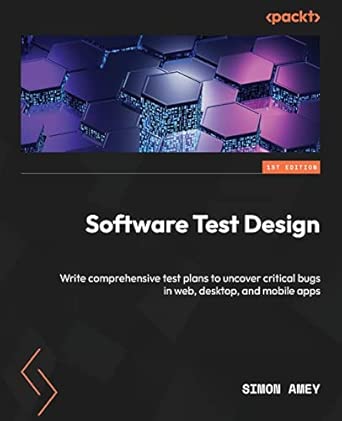 | Best for Structured Test Planning | Focus: Test plan creation | Platforms Covered: Web, desktop, mobile | Application: Bug detection and quality improvement | VIEW LATEST PRICE | See Our Full Breakdown |
| Software Testing with Selenium Automated Testing Tool: Selenium Book for Beginners |  | Best for Beginners Learning Automation Fundamentals | Target Audience: Beginners in test automation | Coverage: Fundamentals of Selenium | Examples Included: Yes | VIEW LATEST PRICE | See Our Full Breakdown |
| All You Need to Know About Software Testing: From Beginner to Job-Ready QA Engineer |  | Best for Aspiring QA Engineers Seeking Broad Industry Knowledge | Scope: Manual testing, automation, APIs, AI | Audience: Beginners aspiring to QA careers | Practical Insights: Yes | VIEW LATEST PRICE | See Our Full Breakdown |
| Full Stack Testing: A Practical Guide for Delivering High Quality Software in the Age of AI |  | Best for Students Interested in End-to-End and AI-Related Testing | Coverage: Full stack and AI testing | Focus Area: High-quality software delivery | Audience: Developers and testers interested in AI | VIEW LATEST PRICE | See Our Full Breakdown |
| Lessons Learned in Software Testing: A Context-Driven Approach |  | Best for Students Interested in Real-World Testing Strategies | Approach: Context-driven | Content Focus: Practical testing lessons | Target Audience: Testers seeking real-world strategies | VIEW LATEST PRICE | See Our Full Breakdown |
| Introduction to Software Testing: A Practical Guide to Testing, Design, Automation, and Execution |  | Best for Students Needing a Broad, Practical Testing Overview | Coverage: Testing principles, automation, execution | Audience: Beginners and early learners | Focus: Practical guidance | VIEW LATEST PRICE | See Our Full Breakdown |
| Effective Software Testing: A Developer’s Guide |  | Best for Practical Testing Strategies and Developer Focus | Author: Author unknown | Publication Year: Not specified | Coverage Area: Testing methodologies | VIEW LATEST PRICE | See Our Full Breakdown |
| Spec-Driven Software Testing with AI: Build Reliable Test Suites from Specifications with AI, Test Automation, TDD, API Testing, and CI/CD |  | Best for AI-Driven, Specification-Based Testing Integration | Author: Author unknown | Publication Year: Not specified | Coverage Area: AI-driven testing, automation, CI/CD | VIEW LATEST PRICE | See Our Full Breakdown |
| Foundations of Software Testing ISTQB Certification, 4th Edition |  | Best for Certification Prep and Industry Standards | Author: ISTQB Authors | Publication Year: 2015 | Coverage Area: Testing principles, industry best practices | VIEW LATEST PRICE | See Our Full Breakdown |
| software testing tools for student | Focus | Format |
|---|---|---|
| Software Testing in the AI Era | Modern testing techniques | — |
| Software Testing and Quality A | — | Book |
| Elevating Software Testing wit | — | Guide/Resource |
| Mastering Software Testing wit | Practical testing techniques | Book with examples |
| Software Test Design: Write Co | Test plan creation | Printed and digital |
| Software Testing with Selenium | — | — |
| All You Need to Know About Sof | Industry readiness | — |
| Full Stack Testing: A Practica | — | — |
| Lessons Learned in Software Te | — | — |
| Introduction to Software Testi | Practical guidance | — |
| Effective Software Testing: A | Practical strategies for developers | Print, digital |
| Spec-Driven Software Testing w | Specification-driven testing with AI | Print, digital |
| Foundations of Software Testin | Certification and fundamentals |
More Details on Our Top Picks
Software Testing in the AI Era: A Complete Guide for Modern Testers
This guide stands out for its focus on testing applications that incorporate artificial intelligence, making it ideal for students interested in emerging tech. Unlike Elevating Software Testing with Artificial Intelligence, which emphasizes AI tools specifically, this book provides a broader overview of modern testing best practices in the AI context. It covers strategies, tools, and techniques relevant to AI-powered applications, but lacks specific features, editions, or user feedback, which could be a drawback for students seeking practical, hands-on guidance. This resource is better suited to those wanting a comprehensive understanding of AI testing concepts rather than immediate implementation details.
Pros:- Focuses on modern testing strategies for AI applications
- Provides a comprehensive overview of tools and techniques
- Prepares students for testing in AI-driven tech environments
Cons:- Lacks specific features, editions, or practical examples
- No user reviews or ratings to gauge real-world effectiveness
Best for: Students aiming to understand AI-related testing techniques and future-proof their skills
Not ideal for: Beginners seeking straightforward, introductory testing concepts without AI complexity
- Coverage Area:AI-driven applications
- Focus:Modern testing techniques
- Target Audience:Students and testers in AI environments
- Content Type:Guidebook
- Availability:Digital and print
- Author Expertise:AI and testing strategies
Our verdict“This guide is best for students interested in the intersection of AI and testing who want a broad theoretical foundation.”
Software Testing and Quality Assurance: Exploring Testing Levels, Test Tools, Automation, and Quality Metrics for Improved Software Quality
This extensive book offers a thorough look at testing levels, automation, and quality metrics, making it suitable for students aiming for a solid foundation in QA principles. Compared to Mastering Software Testing with JUnit 5, which emphasizes Java-specific testing, this resource covers a wider array of testing tools and practices applicable across various projects. However, its technical depth and lack of beginner-friendly explanations may make it less suitable for those just starting out. For students planning to pursue a career in QA or software testing, this book offers detailed insights but might overwhelm newcomers without prior background.
Pros:- Covers multiple testing levels and automation techniques
- Emphasizes quality metrics for measuring success
- Suitable for students aiming for a professional QA career
Cons:- Highly technical, potentially challenging for beginners
- No specific edition or user review details provided
Best for: Students seeking a comprehensive and technical understanding of testing practices and quality metrics
Not ideal for: Beginners or those looking for quick, practical testing tips without deep technical details
- Coverage:Testing levels, tools, automation, metrics
- Intended Audience:Aspiring QA professionals
- Focus Area:Quality assurance processes
- Language:English
- Format:Book
- Publisher:Unknown
Our verdict“Ideal for detail-oriented students committed to mastering in-depth testing concepts and quality assurance metrics.”
Elevating Software Testing with Artificial Intelligence
This product highlights innovative AI-enabled testing solutions, making it stand out for students interested in leveraging artificial intelligence to improve testing accuracy and efficiency. While Software Testing in the AI Era offers a broad theoretical perspective, this option zeroes in on applying AI tools practically. Its focus on AI technology makes it suitable for students eager to explore automation and intelligent testing systems, but its lack of detailed features, specifications, and user feedback limits its immediate applicability for hands-on learning. It’s best for those already familiar with basic testing concepts and looking to specialize in AI tools.
Pros:- Focuses on the latest AI technologies in testing
- Enhances testing efficiency and accuracy through AI
- Innovative approach to modern testing challenges
Cons:- Lacks detailed specifications and practical features
- No user reviews or real-world examples included
Best for: Students with foundational testing knowledge aiming to specialize in AI-driven testing tools
Not ideal for: Beginners or those seeking general testing guidance without an AI focus
- Technology Focus:AI in testing
- Innovation Level:Cutting-edge
- Intended Users:Students familiar with testing basics
- Application Area:Automation and accuracy
- Format:Guide/Resource
- Availability:Digital
Our verdict“This product is perfect for students looking to harness AI for testing but requires prior testing knowledge for effective use.”
Mastering Software Testing with JUnit 5: Comprehensive Guide to Develop High-Quality Java Applications
This book excels at guiding Java developers through effective testing using JUnit 5, with practical examples that improve test reliability and code quality. Compared with Software Testing in the AI Era, which is more conceptual, this resource offers hands-on techniques specifically tailored to Java, making it ideal for students learning Java testing. Its focus on real-world examples helps build practical skills but lacks detailed specifications and user reviews, which could be a disadvantage for students seeking more varied or platform-agnostic testing strategies. It’s best suited for those working primarily with Java applications and looking for concrete testing practices.
Pros:- In-depth coverage of JUnit 5 techniques
- Includes practical, real-world Java examples
- Enhances skills for developing reliable Java applications
Cons:- No detailed specifications or editions noted
- Limited to Java and JUnit 5, less applicable to other environments
Best for: Students learning Java who want practical, code-driven testing skills
Not ideal for: Students interested in non-Java platforms or broad testing concepts without Java focus
- Target Language:Java
- Testing Framework:JUnit 5
- Focus:Practical testing techniques
- Audience:Java learners and developers
- Format:Book with examples
- Availability:Print and digital
Our verdict“This book is highly recommended for Java students aiming to deepen their testing skills through practical, code-based examples.”
Software Test Design: Write Comprehensive Test Plans to Uncover Critical Bugs in Web, Desktop, and Mobile Apps
This guide provides detailed strategies for creating test plans across multiple platforms, making it especially useful for students interested in the planning and strategic side of testing. While Software Testing in the AI Era and Elevating Software Testing with Artificial Intelligence focus more on technical and AI developments, this book emphasizes systematic test design that can significantly improve bug detection. Its broad applicability to web, desktop, and mobile apps makes it versatile, but the lack of specific edition or author details might make it less appealing for those seeking authoritative sources. It’s best suited for students aiming to master test planning and bug discovery in diverse environments.
Pros:- Offers detailed strategies for test plan creation
- Applicable to web, desktop, and mobile apps
- Helps uncover critical bugs effectively
Cons:- Limited author or edition information
- No user reviews or ratings available
Best for: Students focused on developing detailed, comprehensive test plans for multi-platform apps
Not ideal for: Beginners or students looking for quick testing tips without an emphasis on planning
- Focus:Test plan creation
- Platforms Covered:Web, desktop, mobile
- Application:Bug detection and quality improvement
- Type:Guidebook
- Language:English
- Format:Printed and digital
Our verdict“Ideal for students who want to master systematic test planning to improve bug detection across multiple platforms.”
Software Testing with Selenium Automated Testing Tool: Selenium Book for Beginners
This book stands out for its clear, step-by-step introduction to Selenium automation, making it ideal for students just starting out with test automation. Compared with the broader scope of All You Need to Know About Software Testing, it focuses exclusively on Selenium, providing practical examples that help solidify foundational skills. However, its lack of advanced topics or updates limits its usefulness as students progress. The book’s straightforward approach makes complex concepts accessible, but it might leave more experienced learners seeking more depth. Best for students new to automation who need a solid starting point without the distraction of unrelated testing areas.
Pros:- Clear, step-by-step beginner guidance
- Includes practical, hands-on examples
- Focuses specifically on Selenium automation
Cons:- Lacks coverage of advanced testing topics
- No updated edition, so may miss recent Selenium features
Best for: Beginners who want a focused, practical introduction to Selenium automation
Not ideal for: Students seeking advanced testing strategies or comprehensive industry insights
- Target Audience:Beginners in test automation
- Coverage:Fundamentals of Selenium
- Examples Included:Yes
- Edition Info:No recent updates
- Focus Area:Automation testing
- Difficulty Level:Beginner
Our verdict“This book is perfect for students who need a straightforward, practical start with Selenium automation, but it isn’t suitable for those looking for advanced or current testing techniques.”
All You Need to Know About Software Testing: From Beginner to Job-Ready QA Engineer
This comprehensive guide covers a wide spectrum of testing topics, from manual testing to AI-assisted QA, making it ideal for students aiming to become versatile QA professionals. Compared with the more focused Selenium Book for Beginners, it offers insights into APIs, CI/CD pipelines, and automation tools like Playwright, providing a broader foundation. Its lack of technical detail or customer reviews could be a downside for students needing specific technical guidance. This book is best suited for those who want to prepare for real-world QA roles, understanding both manual and automated testing in modern development environments.
Pros:- Covers manual testing, automation, APIs, and AI tools
- Prepares students for industry roles with practical insights
- Includes best practices used in modern QA environments
Cons:- No detailed technical specifications or hands-on exercises
- Lacks reviews or ratings for validation of content quality
Best for: Students aspiring to become full-spectrum QA engineers with industry-ready skills
Not ideal for: Students seeking a quick, simple introduction to automation only
- Scope:Manual testing, automation, APIs, AI
- Audience:Beginners aspiring to QA careers
- Practical Insights:Yes
- Reviews:None available
- Focus:Industry readiness
- Technical Detail:Limited
Our verdict“This book fits students aiming for a broad, industry-oriented understanding of software testing but may be too general for those needing specific technical instruction.”
Full Stack Testing: A Practical Guide for Delivering High Quality Software in the Age of AI
This pick makes sense for students interested in testing across the entire software stack, especially in AI contexts. Compared with Software Testing with Selenium, it offers a wider perspective on full stack testing strategies, although its lack of specific edition or targeted audience info may leave some learners uncertain about its suitability. Its focus on AI-related testing strategies makes it particularly relevant for students exploring cutting-edge areas, but the absence of detailed technical prerequisites could be a limitation for beginners. This book is ideal for those who want to understand high-level testing practices applicable across full systems, including AI components.
Pros:- Covers comprehensive full stack testing strategies
- Includes AI-focused testing methods
- Practical guidance for both developers and testers
Cons:- No specific edition or publication details
- Lacks clarity on the experience level required
Best for: Students aiming to master full stack and AI-related testing techniques
Not ideal for: Beginners looking for a straightforward, beginner-focused introduction
- Coverage:Full stack and AI testing
- Focus Area:High-quality software delivery
- Audience:Developers and testers interested in AI
- Edition Details:Not specified
- Practicality:High
- Technical Prerequisites:Not detailed
Our verdict“This book is suited for students ready to explore full stack and AI testing but may overwhelm complete beginners unfamiliar with broad system concepts.”
Lessons Learned in Software Testing: A Context-Driven Approach
This book appeals to students seeking practical, experience-based insights into testing, emphasizing a context-driven methodology. Compared with the broad scope of All You Need to Know About Software Testing, it offers more specific lessons rooted in real-world scenarios. Its lack of detailed specifications or reviews might limit its appeal for those who want technical depth, but for learners aiming to improve their testing processes through practical strategies, it delivers valuable guidance. This resource is especially useful for students who want to understand how testing adapts to different project contexts.
Pros:- Offers practical, real-world testing insights
- Emphasizes a flexible, context-driven approach
- Helpful for improving testing processes and outcomes
Cons:- No detailed technical specifications
- No customer ratings available
Best for: Students wanting real-world, practical testing strategies rooted in context-driven principles
Not ideal for: Beginners seeking purely theoretical or highly technical material
- Approach:Context-driven
- Content Focus:Practical testing lessons
- Target Audience:Testers seeking real-world strategies
- Technical Detail:Limited
- Ratings:None
- Application:Process improvement
Our verdict“Best suited for students who want to learn adaptable, real-world testing strategies rather than just technical theories.”
Introduction to Software Testing: A Practical Guide to Testing, Design, Automation, and Execution
This book provides a thorough grounding in testing principles, automation, and execution, making it a strong choice for students seeking a broad, practical overview. Compared with the more specialized Lessons Learned in Software Testing, it covers foundational topics comprehensively and is suitable for early learners. Its lack of specific pricing or user feedback might be a drawback for those wanting to gauge value before purchasing. Overall, this guide makes the most sense for students who want a stepping stone into multiple areas of testing, balancing theory and practice across different testing phases.
Pros:- Covers testing principles, automation, and execution
- Provides practical guidance for multiple testing phases
- Suitable for beginners and early learners
Cons:- No specific pricing information available
- Lacks detailed user reviews or ratings
Best for: Students looking for a comprehensive, practical introduction to testing concepts and automation
Not ideal for: Students seeking highly specialized or advanced testing techniques
- Coverage:Testing principles, automation, execution
- Audience:Beginners and early learners
- Focus:Practical guidance
- Pricing Info:Not available
- User Feedback:None
- Educational Level:Beginner to intermediate
Our verdict“This book suits students needing a broad, foundational understanding of testing and automation but isn’t tailored for advanced practitioners.”
Effective Software Testing: A Developer’s Guide
This book stands out for its practical approach, offering developers tested strategies to improve software quality. Compared with the more technical and certification-focused Foundations of Software Testing ISTQB Certification, 4th Edition, this guide emphasizes real-world application over theory, making it accessible for students who want actionable insights. However, it lacks specific technical details and modern tooling discussions, which limits its usefulness for those seeking hands-on skills. If you’re a student aiming to understand core testing principles with practical advice, this book offers a solid foundation without overwhelming technical jargon.
Pros:- Provides practical testing strategies tailored for developers
- Covers a broad array of testing methodologies, from unit to integration
- Enhances understanding of how testing improves software reliability
Cons:- No specific technical tools or automation techniques included
- Lacks recent updates or edition information, which may limit current relevance
Best for: Students interested in learning practical testing strategies to improve software quality without deep technical or certification focus
Not ideal for: Beginners seeking a step-by-step, tool-focused introduction or students preparing directly for certification exams
- Author:Author unknown
- Publication Year:Not specified
- Coverage Area:Testing methodologies
- Focus:Practical strategies for developers
- Intended Audience:Developers and students
- Format:Print, digital
Our verdict“This book is ideal for students wanting practical insights into testing methodologies rather than technical tool mastery.”
Spec-Driven Software Testing with AI: Build Reliable Test Suites from Specifications with AI, Test Automation, TDD, API Testing, and CI/CD
This book makes a compelling case for integrating AI into test suite development, especially with its focus on specification-driven testing, setting it apart from more general testing guides like Foundations of Software Testing ISTQB Certification, 4th Edition. While it offers comprehensive guidance on AI, test automation, and CI/CD practices, its technical depth may overwhelm students new to testing or AI, especially since there are no reviews to gauge its accessibility. Ideal for students with some foundational knowledge who want to explore advanced, automation-focused testing methods involving AI.
Pros:- Thorough coverage of AI-driven testing techniques
- Practical guidance on automating tests within CI/CD pipelines
- Focus on creating reliable test suites from formal specifications
Cons:- No available customer reviews or ratings for validation
- Requires prior knowledge of testing concepts and AI, limiting accessibility for complete beginners
Best for: Students with a basic understanding of testing and AI, looking to specialize in automated, specification-driven testing workflows
Not ideal for: Beginners or students seeking a broad overview of fundamental testing principles without AI or automation emphasis
- Author:Author unknown
- Publication Year:Not specified
- Coverage Area:AI-driven testing, automation, CI/CD
- Focus:Specification-driven testing with AI
- Intended Audience:Students with some testing and AI background
- Format:Print, digital
Our verdict“This book suits students ready to deepen their expertise in automated and AI-enhanced testing processes and workflows.”
Foundations of Software Testing ISTQB Certification, 4th Edition
This comprehensive resource is ideal for students aiming to pass the ISTQB exam, offering detailed coverage of testing principles and best practices, much like Effective Software Testing: A Developer’s Guide provides practical strategies but with a more formal and exam-oriented approach. Its dense content can be overwhelming for newcomers, and the lack of specific technical tool guidance makes it less suited for students wanting hands-on experience. Use this book if certification and industry standards are your primary focus.
Pros:- Extensive coverage of testing fundamentals and techniques
- Aligns with ISTQB certification requirements
- Includes industry best practices applicable to real-world testing
Cons:- No detailed technical specifications or step-by-step tool guides
- Content may be too dense for those new to testing concepts
- Lacks recent edition updates that reflect evolving testing tools
Best for: Students preparing for ISTQB certification or seeking a thorough grounding in software testing fundamentals
Not ideal for: Beginners seeking an accessible, less technical introduction or those looking for practical, tool-based tutorials
- Author:ISTQB Authors
- Publication Year:2015
- Coverage Area:Testing principles, industry best practices
- Focus:Certification and fundamentals
- Intended Audience:Aspiring ISTQB candidates
- Format:Print
Our verdict“This book is best for students focused on certification and theoretical understanding of testing principles over practical tool use.”
How We Picked
Our evaluation focused on tools that are accessible for students, prioritizing ease of learning, cost-effectiveness, and versatility. We looked at user interface design, support resources, integration capabilities, and the breadth of testing features offered. Tools that are widely adopted in industry or academia received higher marks for their relevance and long-term value. We also considered scalability, so students can grow their skills without switching tools, and balanced this with the need for straightforward setup and usage. This approach ensures our ranking highlights tools that are practical, educational, and aligned with current testing trends.| software testing tools for student | Format |
|---|---|
| Software Testing in the AI Era | — |
| Software Testing and Quality A | Book |
| Elevating Software Testing wit | Guide/Resource |
| Mastering Software Testing wit | Book with examples |
| Software Test Design: Write Co | Printed and digital |
| Software Testing with Selenium | — |
| All You Need to Know About Sof | — |
| Full Stack Testing: A Practica | — |
| Lessons Learned in Software Te | — |
| Introduction to Software Testi | — |
| Effective Software Testing: A | Print, digital |
| Spec-Driven Software Testing w | Print, digital |
| Foundations of Software Testin |
Factors to Consider When Choosing Software Testing Tools For Students
When choosing software testing tools as a student, it’s important to consider several factors that influence both your learning experience and future employability. The right tool should match your current skill level, support your learning goals, and fit within your budget. Additionally, think about the programming languages and testing types you want to focus on, as some tools are specialized while others are more general-purpose. Compatibility with your operating system and community support can also make a big difference in your learning curve. Keep in mind that investing in a tool with active tutorials, documentation, and user communities can accelerate your mastery.Ease of Use and Learning Curve
For students just starting out, selecting tools with intuitive interfaces and extensive tutorials is key. Tools that are overly complex may hinder initial learning and lead to frustration. Conversely, more advanced tools often have steeper learning curves but offer richer features for future growth. Striking a balance means choosing options that are approachable yet capable of expanding with your skills. Consider whether the tool provides visual aids, sample projects, or community support to ease onboarding.
Cost and Accessibility
Budget constraints are common among students, so free and open-source tools like Selenium or Appium often become attractive options. However, paid tools can offer dedicated support, more polished interfaces, and integrated learning resources, which may accelerate skill development. When evaluating cost, also consider hidden expenses such as required hardware, plugins, or subscriptions for advanced features. Prioritize tools that give the most learning value for your specific budget and needs.
Compatibility and Integration
Ensure the testing tools you choose are compatible with your operating system and development environment. Some tools work best with specific programming languages—Selenium supports multiple, but others like JUnit are Java-only. Also, check whether the tool integrates with popular CI/CD systems, version control, or bug tracking platforms, as these integrations reflect real-world workflows. Compatibility issues can cause delays and frustration, so aligning your choice with your existing tech stack is vital.
Support Resources and Community
Robust documentation, tutorials, and active community forums significantly improve the learning experience. Tools with a large user base often have more third-party tutorials, plugins, and troubleshooting tips, making it easier to overcome hurdles. For students, community support can compensate for initial gaps in formal training. When selecting a tool, verify the availability of learning resources and whether the vendor or community actively maintains them.
Future Relevance and Skill Growth
Opt for tools that align with current industry practices and emerging trends like AI-driven testing or automation frameworks. Learning versatile tools that are widely used in real-world projects increases employability. Consider whether the tool allows for scaling from simple test cases to complex automation suites, enabling your skills to grow without switching platforms. Building experience on popular and evolving tools ensures your learning remains relevant as you advance.
Frequently Asked Questions
Should I prioritize free tools or paid options as a student?
For most students, starting with free tools like Selenium or Appium makes sense to build foundational skills without financial commitment. These tools are widely adopted in the industry and have extensive learning resources. However, paid tools can offer more structured support, easier setup, and advanced features that accelerate learning and project execution. If you’re serious about a career in testing or automation, investing in a paid option later can provide long-term benefits, but free tools are an excellent starting point.
Is it better to choose a tool with a graphical interface or a command-line interface?
Graphical interfaces are generally more approachable for beginners, providing visual aids and easier navigation. They help students understand basic concepts without needing deep command-line knowledge. On the other hand, command-line tools like Selenium WebDriver offer more flexibility and scripting power, which is valuable for advanced automation. A practical approach is to start with GUI-based tools and transition to command-line interfaces as your skills grow, ensuring a smooth learning curve.
How important is industry relevance when choosing a testing tool for students?
Industry relevance significantly impacts your future employability, making it worthwhile to learn tools widely used in the field. Tools like Selenium, JUnit, and TestNG are staples in many organizations, so gaining proficiency in them can give you a competitive edge. While exploring niche or experimental tools can be educational, focusing on those with broad adoption ensures your skills remain applicable in real-world scenarios and job markets.
Should I pick a tool that supports multiple programming languages?
Yes, choosing multi-language support increases your flexibility and prepares you for diverse project environments. For example, Selenium supports Java, Python, C#, and more, allowing you to learn the language that best suits your goals or existing skills. This versatility can also make it easier to transition between different projects or teams, broadening your career opportunities. However, if you’re committed to a specific language, focusing on tools optimized for that language can streamline your learning process.
What features should I look for to ensure a testing tool is future-proof?
Look for tools that are actively maintained, support automation and integration with popular development pipelines, and incorporate emerging technologies like AI or cloud testing. A strong community and regular updates indicate ongoing relevance. Additionally, tools that support industry standards and have a modular architecture enable easier upgrades and customization. Choosing such tools ensures your skills stay aligned with evolving testing practices and industry demands.
Conclusion
For students seeking the best overall experience, Selenium offers unmatched versatility and industry recognition at no cost. If affordability is your primary concern, free and open-source options like Selenium or Appium are excellent starting points. Those aiming for a smooth onboarding experience might prefer beginner-friendly tools with visual interfaces, such as Katalon Studio. For advanced learners aspiring to specialize in automation, tools with AI capabilities like Test.ai can provide a stepping stone into cutting-edge testing trends. Ultimately, your choice should align with your current skills, future goals, and the specific areas of testing you wish to master.
As an affiliate, we earn on qualifying purchases.Halloween Picks
halloween