

For developers seeking to streamline their workflows, choosing the right productivity tools is essential. The best options today combine automation, collaboration, and AI assistance to save time and reduce errors. GitHub Copilot stands out as the overall leader, thanks to its powerful AI coding support, while Visual Studio Code remains the most versatile editor for customization and extensions. However, tradeoffs include cost, complexity, and the need for learning curves. Continue reading for a detailed comparison of these top tools and how they can transform your development process.

Get business pricing on monitors, keyboards and dev gear
- Business-only prices and quantity discounts
- Tax-exempt purchasing
- Multiple users, one account, clear invoices
Key Takeaways
- AI-powered tools like GitHub Copilot significantly accelerate coding but require investment and learning to maximize benefits.
- Visual Studio Code’s extensibility makes it the most adaptable editor, but over-customization can lead to clutter and performance issues.
- Specialized tools like PyCharm excel for specific languages, yet may lack the broader integrations offered by more general platforms.
- Automation and DevOps tools streamline deployment and testing, but often demand deeper setup time and technical expertise.
- Choosing the right productivity tools depends heavily on your project scope, team size, and preferred workflows.
| DevOps Tools for Java Developers: Best Practices from Source Code to Production Containers | 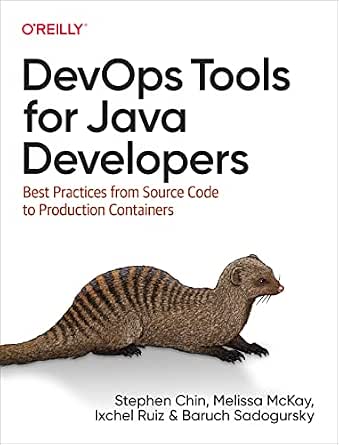 | Best Overall for Java DevOps Strategies | Focus Area: Java DevOps | Content Type: Best practices guide | Coverage: Source code to production | VIEW LATEST PRICE | See Our Full Breakdown |
| GitHub Copilot for Modern Developers: Boosting Productivity with AI-Assisted Coding, Testing, Documentation, and DevOps |  | Best for Modern AI-Driven Development | Focus Areas: AI-assisted development, Testing, Documentation, DevOps | Target Audience: Modern developers | Content Type: Guidance and best practices | VIEW LATEST PRICE | See Our Full Breakdown |
| Cursor AI Cookbook: Practical Recipes for AI-Assisted Coding, Refactoring, Debugging, and Developer Productivity |  | Best for Practical AI Coding Recipes | Focus: AI recipes for coding and debugging | Skill Level: Intermediate to advanced | Content Type: Step-by-step recipes | VIEW LATEST PRICE | See Our Full Breakdown |
| The Developer’s Second Brain: Obsidian & Zettelkasten Guide |  | Best for Knowledge Management and Note-Taking | Focus: Note-taking and knowledge organization | Tools Covered: Obsidian, Zettelkasten | Intended Audience: Individual developers | VIEW LATEST PRICE | See Our Full Breakdown |
| Developer Experience Engineering: Building Tools and Platforms That Empower Modern Software Teams |  | Best for Team-Centric Developer Tool Design | Focus: Team-oriented developer tools | Target Audience: Team leads and architects | Content Type: Strategic guidance | VIEW LATEST PRICE | See Our Full Breakdown |
| Visual Studio Code for Modern Developers: From Fundamentals to Advanced Productivity and Automation Techniques |  | Best for Developers Wanting a Comprehensive, All-in-One VS Code Guide | Coverage: Basic to advanced VS Code features | Focus: Productivity tips and automation | Skill Level: All levels | VIEW LATEST PRICE | See Our Full Breakdown |
| AI-Powered Developer: Build Great Software with ChatGPT and Copilot | 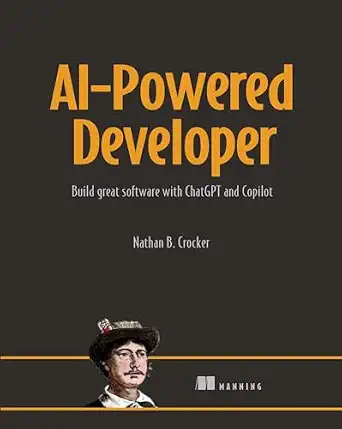 | Best for Developers Exploring AI Integration in Coding Workflows | Target AI tools: ChatGPT, Copilot | Focus: Workflow enhancement with AI | Skill Level: Beginner to intermediate | VIEW LATEST PRICE | See Our Full Breakdown |
| Visual Studio Code Developer’s Handbook: A Complete Guide to Modern Coding, Debugging, and Productivity |  | Best for Developers Seeking In-Depth VS Code Debugging & Workflow Tips | Coverage: Coding, debugging, productivity | Focus: Modern coding techniques | Skill Level: Intermediate to advanced | VIEW LATEST PRICE | See Our Full Breakdown |
| PyCharm Coding Excellence: A Step-by-Step Guide to Writing, Debugging, and Managing Python Projects |  | Best for Python Beginners and Managers of Python Projects | Focus: Python development with PyCharm | Target: Beginners and Python project managers | Coverage: Writing, debugging, managing projects | VIEW LATEST PRICE | See Our Full Breakdown |
| Visual Studio Code AI Mastery: Build Full-Stack Applications with GitHub Copilot, AI Agents, Prompt Engineering, Automated Workflows, and AI-Powered Software Development |  | Most Comprehensive for AI-Driven Full-Stack Development | Focus: AI-driven full-stack applications | Tools Covered: GitHub Copilot, AI agents, prompt engineering | Skill Level: Intermediate to advanced | VIEW LATEST PRICE | See Our Full Breakdown |
| developer productivity tool | Focus | Format | Skill Level |
|---|---|---|---|
| DevOps Tools for Java Develope | — | Print book | — |
| GitHub Copilot for Modern Deve | — | Digital and print | — |
| Cursor AI Cookbook: Practical | AI recipes for coding and debugging | Print and digital | Intermediate to advanced |
| The Developer’s Second Brain: | Note-taking and knowledge organization | — | |
| Developer Experience Engineeri | Team-oriented developer tools | — | |
| Visual Studio Code for Modern | Productivity tips and automation | — | All levels |
| AI-Powered Developer: Build Gr | Workflow enhancement with AI | — | Beginner to intermediate |
| Visual Studio Code Developer’s | Modern coding techniques | — | Intermediate to advanced |
| PyCharm Coding Excellence: A S | Python development with PyCharm | — | — |
| Visual Studio Code AI Mastery: | AI-driven full-stack applications | — | Intermediate to advanced |
More Details on Our Top Picks
DevOps Tools for Java Developers: Best Practices from Source Code to Production Containers
This book stands out for providing a comprehensive overview of DevOps best practices tailored specifically for Java developers, guiding them from managing source code to deploying containers. Compared with other developer productivity tools that focus on coding or note-taking, this resource emphasizes operational workflows, making it ideal for developers aiming to streamline deployment pipelines. However, it lacks detailed technical tool descriptions, which may leave advanced practitioners wanting more implementation specifics. This pick makes the most sense for Java teams seeking to integrate DevOps into their development lifecycle without wading through unrelated content.
Pros:- Provides comprehensive DevOps strategies tailored for Java environments
- Offers practical guidance from source code management to production deployment
- Focuses on streamlining development and operational workflows
Cons:- No specific technical details or tools listed, limiting practical implementation
- Lacks clarity on the target audience’s experience level, which may hinder beginners
Best for: Java developers and DevOps engineers looking to improve deployment workflows and operational efficiency
Not ideal for: Developers seeking hands-on coding guides or technical tool configurations, as it lacks detailed step-by-step instructions
- Focus Area:Java DevOps
- Content Type:Best practices guide
- Coverage:Source code to production
- Format:Print book
Our verdict“Best suited for Java developers who want a strategic overview of integrating DevOps practices into their workflows.”
GitHub Copilot for Modern Developers: Boosting Productivity with AI-Assisted Coding, Testing, Documentation, and DevOps
This book makes the most sense for developers eager to incorporate AI tools like GitHub Copilot into their workflow, offering broad guidance across coding, testing, documentation, and DevOps. Compared with the more task-focused Cursor AI Cookbook, it provides a higher-level understanding suitable for those wanting to see how AI can enhance entire development cycles. Nonetheless, it offers limited technical details or sample code, which might frustrate developers seeking hands-on implementation. This resource is ideal for experienced developers ready to experiment with AI-assisted workflows but less so for beginners unfamiliar with AI tools.
Pros:- Offers comprehensive guidance on AI-assisted coding and workflows
- Covers a wide array of developer tasks including testing and documentation
- Helps modernize development practices with AI integration
Cons:- Lacks specific technical details or code snippets for implementation
- May be less useful for users unfamiliar with AI tools or new to Copilot
Best for: Software developers interested in integrating AI suggestions into their daily workflows to boost efficiency
Not ideal for: Beginners or those seeking detailed technical tutorials, as the book provides conceptual guidance without deep code examples
- Focus Areas:AI-assisted development, Testing, Documentation, DevOps
- Target Audience:Modern developers
- Content Type:Guidance and best practices
- Format:Digital and print
Our verdict“Ideal for experienced developers eager to leverage AI to enhance productivity across development tasks.”
Cursor AI Cookbook: Practical Recipes for AI-Assisted Coding, Refactoring, Debugging, and Developer Productivity
This cookbook excels for developers who want clear, step-by-step recipes to incorporate AI into coding, refactoring, and debugging workflows. Compared with the broader guidance in GitHub Copilot for Modern Developers, it provides hands-on, actionable instructions ideal for those ready to implement AI tools directly into their projects. However, its technical prerequisites are not explicitly detailed, and it assumes some familiarity with AI concepts, making it less suitable for absolute beginners. This makes it perfect for developers with some AI experience seeking practical, immediate application strategies.
Pros:- Provides practical, step-by-step AI recipes for coding efficiency
- Enhances developer productivity through targeted workflows
- Covers tasks like refactoring and debugging with clear guidance
Cons:- Lacks detailed technical prerequisites, which could hinder setup
- Content may be too advanced for absolute beginners
Best for: Developers with basic AI familiarity who want actionable recipes for coding and debugging tasks
Not ideal for: Complete beginners or developers without AI tool experience, due to assumed knowledge and complexity
- Focus:AI recipes for coding and debugging
- Skill Level:Intermediate to advanced
- Content Type:Step-by-step recipes
- Format:Print and digital
Our verdict“Best suited for developers seeking practical, recipe-based approaches to AI-assisted coding and debugging.”
The Developer’s Second Brain: Obsidian & Zettelkasten Guide
This book is a strong choice for developers looking to organize their knowledge base and documentation using Obsidian and Zettelkasten methods. Compared with tools like Developer Experience Engineering, which focuses on building team platforms, this guide zeroes in on individual productivity through effective note-taking and information management. Its niche focus means it may seem too specialized for casual or less organized developers, and it doesn’t detail technical prerequisites, which could be a barrier for newcomers. Nevertheless, for those aiming to improve personal knowledge workflows, it offers actionable strategies and practical insights.
Pros:- Provides detailed strategies for organizing notes with Obsidian and Zettelkasten
- Helps improve individual knowledge management and productivity
- Focuses on practical application of note-taking techniques
Cons:- No technical prerequisites are specified, which may confuse beginners
- Content may be too niche for developers not interested in note-taking systems
Best for: Developers wanting to improve their personal documentation and knowledge management skills
Not ideal for: Team leads or organizations seeking to build collaborative tools, as it emphasizes individual note strategies
- Focus:Note-taking and knowledge organization
- Tools Covered:Obsidian, Zettelkasten
- Intended Audience:Individual developers
- Format:Print
Our verdict“Ideal for developers aiming to enhance their personal knowledge management with proven methods.”
Developer Experience Engineering: Building Tools and Platforms That Empower Modern Software Teams
This book makes the most sense for team leads and senior engineers focused on creating developer tools that enhance team collaboration and productivity. Compared with individual-focused guides like The Developer’s Second Brain, this book emphasizes building platforms and tools that support entire teams. It offers strategic insights but falls short on detailed technical implementation, which could leave those looking for code-level guidance disappointed. Its high-level focus makes it ideal for leaders designing developer experiences, but less suitable for developers seeking hands-on technical instructions.
Pros:- Provides comprehensive strategies for creating effective developer tools
- Focuses on improving team productivity and collaboration
- Suitable for leadership roles in development teams
Cons:- Lacks detailed technical implementation examples
- May be too high-level for developers seeking step-by-step guides
Best for: Software team leads and architects designing collaborative developer platforms
Not ideal for: Individual developers or beginners seeking detailed technical tutorials, due to its high-level approach
- Focus:Team-oriented developer tools
- Target Audience:Team leads and architects
- Content Type:Strategic guidance
- Format:Print
Our verdict“Best suited for team leaders aiming to build or improve developer platforms for enhanced collaboration.”
Visual Studio Code for Modern Developers: From Fundamentals to Advanced Productivity and Automation Techniques
This book stands out for its extensive coverage of Visual Studio Code, blending basic fundamentals with advanced automation techniques, making it ideal for developers aiming to maximize their editor’s potential. Compared to Visual Studio Code Developer’s Handbook, it offers broader coverage, including automation and productivity strategies, but its depth can be overwhelming for absolute beginners. The lack of specific technical specs means it’s more a strategic resource than a quick reference. Its strength lies in practical tips suitable for all skill levels, yet the detailed content might be too advanced for those just starting out. If you’re seeking a thorough, step-by-step mastery of VS Code, this guide offers comprehensive value—though you should be prepared for technical complexity.
Pros:- Covers a wide range of topics from fundamentals to advanced techniques
- Provides practical tips for increasing productivity
- Suitable for developers of all skill levels
Cons:- No specific product price or rating available
- Content may be too technical for beginners
Best for: Developers of all skill levels who want a deep, structured approach to mastering VS Code’s features and automation.
Not ideal for: Complete beginners or those seeking quick, simplified tips without extensive technical content.
- Coverage:Basic to advanced VS Code features
- Focus:Productivity tips and automation
- Skill Level:All levels
Our verdict“This book is perfect for developers looking for a comprehensive, detailed guide to elevate their VS Code skills, regardless of experience level.”
AI-Powered Developer: Build Great Software with ChatGPT and Copilot
This book makes a strong case for integrating AI tools like ChatGPT and Copilot into daily development tasks, especially for those new to AI-driven workflows. Unlike Visual Studio Code for Modern Developers, which focuses on editor features, this book emphasizes how AI can directly boost coding efficiency and idea generation. While it offers practical guidance, it’s relatively light on in-depth technical examples, making it more suitable for developers seeking high-level strategies rather than hands-on implementation. For seasoned developers, the content might feel too basic, but for those new to AI tools, it provides a solid starting point. If you’re eager to incorporate AI assistants into your workflow, this guide offers clear strategies—though it may lack the technical depth some advanced users desire.
Pros:- Provides practical guidance on using AI tools for development
- Covers popular AI assistants like ChatGPT and Copilot
- Suitable for developers looking to improve productivity with AI
Cons:- Lacks detailed technical examples
- May be too basic for experienced AI users
Best for: Developers interested in using AI tools like ChatGPT and Copilot to streamline coding and improve productivity.
Not ideal for: Advanced AI practitioners or those needing detailed technical implementation guides, as the book leans toward high-level strategies.
- Target AI tools:ChatGPT, Copilot
- Focus:Workflow enhancement with AI
- Skill Level:Beginner to intermediate
Our verdict“Ideal for developers eager to harness AI tools for smarter coding, especially those new to AI-assisted development.”
Visual Studio Code Developer’s Handbook: A Complete Guide to Modern Coding, Debugging, and Productivity
This handbook offers detailed insights into modern coding practices, debugging, and productivity enhancements within Visual Studio Code, making it especially valuable for developers aiming to refine their debugging skills. Unlike Visual Studio Code for Modern Developers, which covers a broad spectrum, this guide zeroes in on debugging and workflow improvements, offering practical advice that can significantly speed up problem-solving. While its in-depth approach benefits intermediate and advanced users, absolute beginners might find the content too dense without prior familiarity. For those focused on debugging mastery and workflow optimization, this book provides a rich resource, though it doesn’t cover the entire VS Code ecosystem comprehensively.
Pros:- In-depth coverage of VS Code features for debugging
- Practical tips for improving coding efficiency
- Suitable for developers of intermediate to advanced skill levels
Cons:- No specific technical specifications provided
- Content may be too advanced for absolute beginners
Best for: Developers seeking detailed, practical debugging and productivity tips within VS Code, especially those with some experience.
Not ideal for: Complete beginners or developers looking for a broad, surface-level overview of VS Code features.
- Coverage:Coding, debugging, productivity
- Focus:Modern coding techniques
- Skill Level:Intermediate to advanced
Our verdict“This guide is best suited for developers who want to deepen their debugging and workflow skills in Visual Studio Code, with a focus on practical application.”
PyCharm Coding Excellence: A Step-by-Step Guide to Writing, Debugging, and Managing Python Projects
This book provides a clear, step-by-step approach to using PyCharm, making it ideal for newcomers to Python development or teams managing Python projects. Unlike the broader VS Code guides, it narrows focus on Python-specific workflows, emphasizing debugging and project organization. While it’s excellent for beginners, experienced Python developers might find it too basic, especially since it doesn’t cover other IDEs or advanced Python techniques. Its straightforward instructions can accelerate learning and boost productivity for new Python coders, but it’s less suited for those seeking a more diverse or complex development environment. If you’re starting with Python or managing beginner-level projects, this guide offers valuable, focused instruction.
Pros:- Clear, step-by-step instructions for Python development
- Focuses on debugging and project management
- Great for beginners to accelerate learning
Cons:- No specific technical specifications provided
- Limited to PyCharm users and basic Python workflows
Best for: Beginners learning Python or teams managing Python projects with PyCharm, seeking structured, step-by-step guidance.
Not ideal for: Experienced Python developers or those working with multiple IDEs, as the content is limited to PyCharm and basic workflows.
- Focus:Python development with PyCharm
- Target:Beginners and Python project managers
- Coverage:Writing, debugging, managing projects
Our verdict“Perfect for Python newcomers or teams looking for a straightforward, beginner-friendly guide to PyCharm and Python project management.”
Visual Studio Code AI Mastery: Build Full-Stack Applications with GitHub Copilot, AI Agents, Prompt Engineering, Automated Workflows, and AI-Powered Software Development
This book stands out for its extensive coverage of AI tools and techniques, guiding developers through building full-stack applications using GitHub Copilot, AI agents, and prompt engineering. Compared with AI-Powered Developer, which offers high-level guidance, this volume dives into practical, hands-on techniques for integrating AI into complex workflows, making it ideal for those aiming to incorporate AI deeply into their projects. The content’s depth makes it less suitable for absolute beginners, as it assumes familiarity with AI concepts and development workflows. For developers eager to push the boundaries of AI-assisted development, this guide provides a detailed, practical roadmap—though it requires a solid technical background to fully leverage its insights.
Pros:- Extensive coverage of AI tools and techniques
- Practical guidance on building full-stack AI applications
- Includes latest techniques like prompt engineering and automation
Cons:- No specific price information provided
- Content may be too advanced for beginners
Best for: Developers experienced in full-stack development wanting to incorporate advanced AI tools and techniques into their workflows.
Not ideal for: Beginners or those unfamiliar with AI concepts, due to the advanced technical content and comprehensive scope.
- Focus:AI-driven full-stack applications
- Tools Covered:GitHub Copilot, AI agents, prompt engineering
- Skill Level:Intermediate to advanced
Our verdict“This book is ideal for experienced developers seeking to embed AI deeply into full-stack development workflows, with a focus on advanced techniques.”

How We Picked
To evaluate the best developer productivity tools, I focused on criteria that directly impact a developer’s efficiency and ease of use. Performance, such as speed and reliability, was paramount, along with usability—how intuitive and accessible the tools are for different skill levels. Build quality and ongoing support also mattered, ensuring the tools are maintained and scalable. I prioritized versatility and integration capabilities, since the best tools should complement existing workflows without requiring complete overhaul. Lastly, I balanced cost against value, aiming to highlight options that offer meaningful productivity gains relative to their price.| developer productivity tool | Format | Skill Level |
|---|---|---|
| DevOps Tools for Java Develope | Print book | — |
| GitHub Copilot for Modern Deve | Digital and print | — |
| Cursor AI Cookbook: Practical | Print and digital | Intermediate to advanced |
| The Developer’s Second Brain: | — | |
| Developer Experience Engineeri | — | |
| Visual Studio Code for Modern | — | All levels |
| AI-Powered Developer: Build Gr | — | Beginner to intermediate |
| Visual Studio Code Developer’s | — | Intermediate to advanced |
| PyCharm Coding Excellence: A S | — | — |
| Visual Studio Code AI Mastery: | — | Intermediate to advanced |
Factors to Consider When Choosing Developer Productivity Tools
Selecting the right developer productivity tools involves understanding your specific needs and balancing several factors. Not all tools are suited for every workflow, so knowing what features matter most can save you time and money. This guide explains key considerations to help you make informed decisions and avoid common pitfalls when choosing tools for coding, automation, testing, and collaboration.Compatibility and Integration
Ensuring your tools work seamlessly with your existing development environment is critical. Compatibility with your preferred programming languages, operating system, and other tools can prevent workflow bottlenecks. Look for tools that support popular platforms and have robust APIs or plugins, which allow smooth integration. Failing to consider this can lead to fragmented workflows and increased setup time, ultimately reducing productivity rather than enhancing it.
Ease of Use and Learning Curve
While advanced features are appealing, they can overwhelm new users or those with limited time for onboarding. Prioritize tools with intuitive interfaces and clear documentation. A steeper learning curve may pay off in the long run if it unlocks powerful automation, but for quick wins, simplicity often wins. Avoid tools that require extensive setup unless your team has dedicated resources for training, as initial frustrations can diminish overall productivity gains.
Automation and Customization
Automation features like code generation, testing, and deployment can drastically cut down repetitive tasks. Customizability allows you to tailor workflows precisely, but overly complex setups may introduce bugs or maintenance overhead. Striking a balance is key: choose tools that offer automation out of the box with options to extend as needed. Over-investing in highly customizable but complex systems can sometimes slow down development instead of speeding it up.
Cost and Value
Price considerations are inevitable, but the most expensive tools aren’t always the best fit. Focus on the value they bring—do they save significant time, reduce errors, or improve collaboration? Open-source options may offer great flexibility at a lower cost, but commercial tools often include dedicated support and advanced features worth the investment. Be wary of paying for features you won’t use; instead, look for scalable plans aligned with your team size and needs.
Support and Community
Active support and vibrant communities can be lifesavers when encountering issues or seeking best practices. Well-supported tools tend to update frequently, incorporate user feedback, and fix bugs quickly. Conversely, tools with limited support or small user bases can leave you stranded when problems arise. Consider the maturity of the platform and whether the vendor offers comprehensive documentation, forums, or customer service before committing.
Security and Privacy
Especially for enterprise or sensitive projects, security features like data encryption, access controls, and audit logs are non-negotiable. Verify that the tools comply with your organization’s security standards, particularly if they involve cloud services or integrations with third-party platforms. Neglecting this can expose your codebase or user data to vulnerabilities, negating productivity gains with costly security breaches.
Frequently Asked Questions
How do I choose between free and paid developer productivity tools?
Free tools are often sufficient for small projects or individual developers, especially when they cover core needs without additional costs. However, paid options typically offer advanced features, dedicated support, and better integration, which can be crucial for larger teams or mission-critical projects. When evaluating, consider whether the productivity gains and reduced manual effort justify the investment. Sometimes, a paid tool can save more time than it costs, leading to faster project delivery and fewer headaches.
Can I rely solely on AI-assisted coding tools to improve productivity?
AI-assisted coding tools like GitHub Copilot can significantly accelerate development, especially for routine or boilerplate code. However, they are not a complete solution; understanding your project requirements and maintaining oversight remains essential. Relying solely on AI can lead to issues with code quality, security, and maintainability if not properly managed. These tools work best when integrated into a well-structured workflow, complementing human expertise rather than replacing it entirely.
What should I prioritize if I am new to developer productivity tools?
For newcomers, ease of use and quick setup are the most important. Look for tools with clear documentation, active communities, and straightforward onboarding processes. Focusing on widely adopted platforms like Visual Studio Code or beginner-friendly AI tools can help you build confidence and gain immediate productivity improvements. As you grow more comfortable, you can explore more advanced or specialized tools tailored to your evolving needs.
Are automation tools worth it for small projects?
Automation tools can still provide benefits for small projects, such as faster testing, deployment, or code formatting. However, they should be chosen carefully to match the project scope; overly complex automation can introduce unnecessary overhead. For small teams or solo developers, starting with simple scripts and gradually adding automation as needed often delivers the best balance between effort and payoff. The key is to avoid over-investing in features that won’t be fully utilized.
How can I ensure my developer tools stay effective long-term?
Maintaining effectiveness involves regularly reviewing your toolset against your evolving workflow and project needs. Stay updated with new features, security patches, and community developments. Solicit feedback from your team to identify pain points or gaps. Additionally, investing in training and documentation ensures everyone can leverage the tools fully. Avoid stagnation by periodically reassessing whether your current tools remain the best fit for your development environment.
Conclusion
For those seeking the best overall experience, GitHub Copilot combined with Visual Studio Code offers a powerful, flexible setup suitable for most developers. Budget-conscious teams should consider open-source options that deliver substantial automation without high costs, while enterprise teams might prioritize premium support and security features. Beginners or those new to productivity tools will benefit from simple, well-documented solutions like VS Code and basic AI assistants. For specialized workflows, tools like PyCharm or DevOps platforms provide tailored features to maximize efficiency in specific domains. Ultimately, the best choice aligns with your project size, skill level, and particular needs.
Halloween Picks

Kalolary 11 ft Halloween Inflatable Archway Ghost House Tunnel

Halloween Inflatable Haunted House Maze – 20×20 ft with Removable Roof and Blower

ELAMAS 11ft Animatronic Flying Witch Halloween Decoration
As an affiliate, we earn on qualifying purchases.