

🔍 Read the full analysis: Which 9 AI Trends Will Dominate In 2027? on ThorstenMeyerAI.com

Get business pricing on monitors, keyboards and dev gear
- Business-only prices and quantity discounts
- Tax-exempt purchasing
- Multiple users, one account, clear invoices
TL;DR
The supplied source does not report AI developments or provide evidence for nine AI trends in 2027. It is a gaming-laptop buying guide, so any trend list would require unsupported prediction; the requested topic cannot be substantiated from this material.
The supplied material does not identify any AI trend for 2027: it is a gaming-laptop buying guide focused on performance, displays, cooling, battery life and price. It therefore cannot substantiate a list of nine trends or establish which developments will shape AI next year.
The source names the MSI Cyborg 17 as its overall gaming-laptop pick and describes the ASUS ROG Strix G18 (2025) as a higher-performance option. It also mentions the Alienware 16 Aurora. These are product recommendations, not evidence about AI systems, companies, research or market changes.
Its other observations concern tradeoffs among GPU performance, portability, display quality and cost. The material says higher-end graphics can raise price and power use, while cooling and build quality affect sustained laptop performance. It supplies no AI adoption data, forecasts, expert statements or dates tied to AI developments.
Because there are no attributable AI claims in the source, presenting nine predictions as reported facts would mislead readers. A sourced article on this subject would need current evidence from identified researchers, companies, regulators or other relevant sources, and would need to distinguish established developments from forecasts.
The 9 picks
- 1
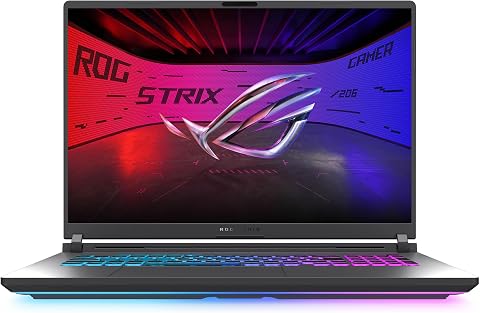 ASUS ROG Strix G18 (2025) Gaming Laptop, 18” FHD+ 16:10 144Hz/3ms Display, NV…View on Amazon →
 - 2
 ASUS ROG Strix G16 (2025) Gaming Laptop, G615LR-AS96View on Amazon →
 - 3
 MSI Katana 15 HX 15.6” QHD+ Gaming Laptop with Intel Core i9-14900HX and NVID…View on Amazon →
 - 4
 ASUS TUF Gaming A18 18-Inch WUXGA IPS Gaming Laptop with Ryzen 7 and RTX 5060View on Amazon →
 - 5
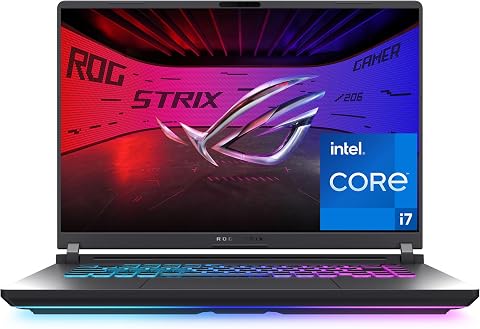 ASUS ROG Strix G16 (2025) Gaming Laptop, 16” FHD+ 165Hz, NVIDIA GeForce RTX 5…View on Amazon →
 - 6
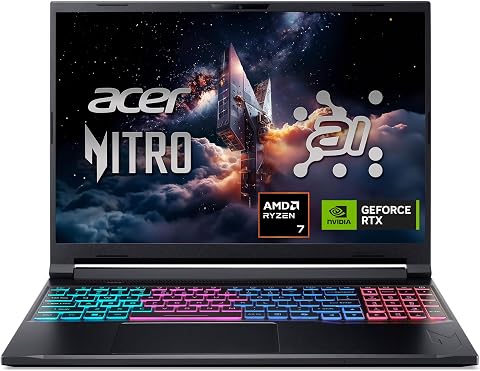 Acer Nitro V 16S AI Gaming Laptop with AMD Ryzen 7 2600 and NVIDIA GeForce RT…View on Amazon →
 - 7
 Alienware 16 Aurora Gaming Laptop with NVIDIA RTX 5060 and Intel Core i7-12400HView on Amazon →
 - 8
 MSI Cyborg 17 17.3" FHD 144Hz Gaming Laptop with Intel Core i7, NVIDIA GeForc…View on Amazon →
 - 9
 ASUS ROG Strix G16 Gaming Laptop, 16” FHD+ 165Hz, NVIDIA GeForce RTX 5050, In…View on Amazon →
Why the Source Cannot Support AI Forecasts
A nine-item prediction list may appear useful to readers planning technology investments or tracking changes in work and consumer products. Without evidence, however, it would blur the line between documented developments and speculation. The supplied guide offers no basis for judging which AI trends are growing, how quickly they may spread or what effects they could have.
That distinction matters especially for claims about future technology. A forecast depends on a stated timeframe, evidence and a clear account of uncertainty. None is provided here for AI. The only responsible conclusion from this material is that it does not answer the proposed question.
What the Supplied Guide Covers
The source is structured as a consumer buying guide. It describes factors shoppers may weigh when choosing a gaming laptop, including refresh rate, response time, thermal management and upgradeability. It also notes that battery life is often limited during gaming and that larger machines can sacrifice portability for performance.
Its mention of GPUs and components such as DDR5 memory and PCIe 4.0 storage does not establish an AI trend. The material does not discuss AI-specific hardware, software, model development, deployment, policy or investment. Nor does it provide a dated comparison that could show change over time.
Evidence Missing for 2027 Claims
It is unclear which nine trends the headline intends to cover because the source names none. It also gives no reporting date for an AI outlook, no forecasts, and no sources whose claims could be checked. The laptop recommendations and product descriptions are not independently verified by the supplied text.
As a result, this material cannot establish whether any particular AI development is accelerating, likely to dominate in 2027 or even relevant to that year. Those questions remain unanswered here, rather than confirmed or disproved.
What Reporting Would Be Needed
A publishable forecast would require relevant, current source material: for example, dated research, documented product or policy developments, and on-record views from qualified experts. Each proposed trend would need a clear explanation of its evidence and limits, with projections labeled as forecasts rather than confirmed outcomes.
Until that material is available, no nine-trend ranking can be responsibly attributed to this source. The next step is to obtain reporting focused on AI and the 2027 outlook, not to recast a gaming-laptop guide as evidence for a different subject.
Key Questions
Does the supplied source identify nine AI trends for 2027?
No. It is a gaming-laptop buying guide and does not discuss AI trends or provide a 2027 forecast.
What does the source actually cover?
It compares gaming-laptop considerations such as graphics performance, screen quality, cooling, portability and price, and names several laptop models.
Can its laptop recommendations be used to predict AI developments?
No. Product recommendations and general hardware tradeoffs do not establish AI adoption, research directions or future market trends.
What would be needed to report on AI trends in 2027?
The article would need AI-specific, dated evidence and attributable sources, with confirmed developments separated from expert forecasts and uncertainty.
Source: ThorstenMeyerAI.com
Halloween Picks
halloween
As an affiliate, we earn on qualifying purchases.