
TL;DR

Get business pricing on monitors, keyboards and dev gear
- Business-only prices and quantity discounts
- Tax-exempt purchasing
- Multiple users, one account, clear invoices
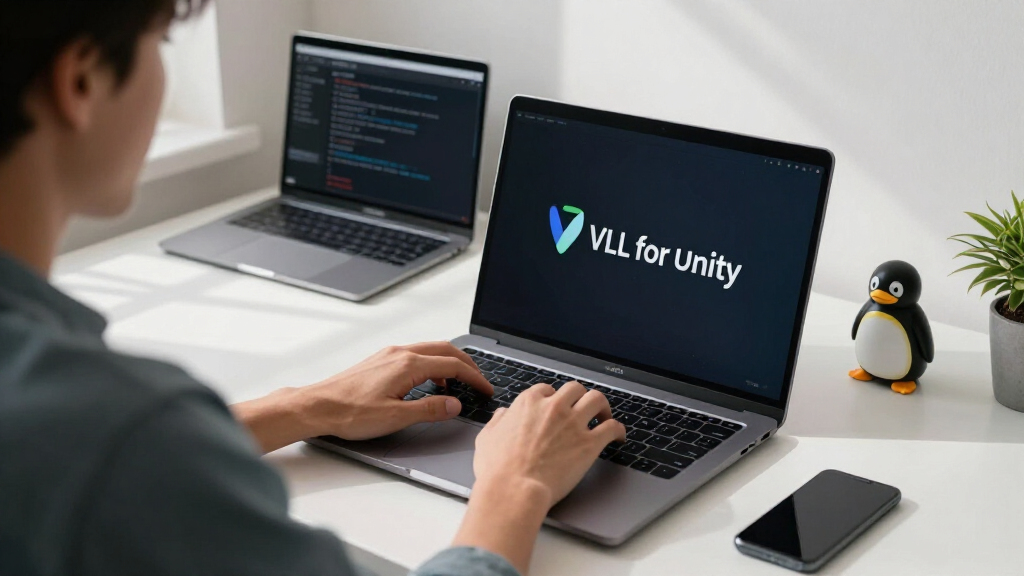
VLC for Unity has announced support for Linux, enabling developers to integrate VLC’s media playback capabilities into Unity projects on Linux systems. This update broadens cross-platform compatibility and enhances multimedia development options.
VLC for Unity now officially supports Linux systems, allowing developers to integrate VLC’s media playback capabilities directly into Unity projects on Linux. This development expands the platform’s reach and offers new options for cross-platform multimedia application development, making it a notable update for developers and users alike.
The developers of VLC for Unity announced Linux support in March 2024. Previously, support was limited to Windows and macOS, but now Linux users can leverage VLC’s robust media playback functionalities within Unity environments. This update is expected to streamline multimedia development workflows for Linux-based projects and improve compatibility for applications targeting Linux desktops and embedded systems.
According to the official VLC for Unity repository and statements from the development team, the support includes core features such as video and audio playback, subtitle handling, and hardware acceleration where available. The integration aims to be seamless, allowing Unity developers to incorporate VLC’s capabilities without extensive custom coding. The announcement was made via the project’s official communication channels and has been met with positive feedback from the developer community.
Implications for Cross-Platform Multimedia Development
This update is significant because it broadens the scope of multimedia development within Unity, especially for projects targeting Linux platforms. Developers working on open-source projects, embedded systems, or Linux-based desktops now have native support for VLC, a widely used media framework. This can lead to more versatile applications, improved performance, and simplified development workflows for Linux users.
Furthermore, the support aligns with Unity’s broader strategy to enhance cross-platform compatibility, making it easier for developers to target multiple operating systems with a single codebase. The integration of VLC’s features directly into Unity on Linux could also influence future multimedia standards within the game and app development communities.
As an affiliate, we earn on qualifying purchases.
Background on VLC and Unity Platform Support
VLC media player is one of the most popular open-source multimedia frameworks, known for its broad format support and performance. Its integration into various development environments has been a priority for many developers seeking versatile media solutions.
Unity, a leading game engine, has historically supported Windows and macOS, with Linux support gradually improving over recent years. However, direct integration of third-party media frameworks like VLC into Unity on Linux has been limited until now. The recent support announcement reflects ongoing efforts to enhance Unity’s cross-platform capabilities and provide developers with more native tools for multimedia handling.
Prior to this update, Linux developers often relied on workarounds or third-party plugins to embed VLC functionalities into Unity projects, which sometimes led to compatibility issues or performance limitations. The official support aims to address these challenges directly.
“We are excited to bring official Linux support for VLC in Unity, enabling developers to create richer multimedia experiences across all major platforms.”
— VLC for Unity Development Team
Unity multimedia development tools
As an affiliate, we earn on qualifying purchases.
As an affiliate, we earn on qualifying purchases.
Remaining Questions About Implementation and Compatibility
It is not yet clear how fully the Linux support is integrated across different Linux distributions or hardware configurations. Details about performance benchmarks, stability, and feature parity with Windows and macOS versions are still emerging. Additionally, the timeline for future updates or bug fixes related to Linux support remains unspecified.
As an affiliate, we earn on qualifying purchases.
Next Steps for Developers and the VLC Unity Project
Developers are encouraged to test the new Linux support and provide feedback through the official GitHub repository. The VLC for Unity team plans to release further updates based on user input, including potential improvements to performance and feature completeness. Future milestones may include expanded hardware acceleration support and broader distribution compatibility.
cross-platform media player software
As an affiliate, we earn on qualifying purchases.
As an affiliate, we earn on qualifying purchases.
Key Questions
Which Linux distributions are supported?
Support is expected to cover major distributions such as Ubuntu, Fedora, and Arch Linux, but specific compatibility details are still being finalized. Developers should check the official documentation for updates.
Does this support include hardware acceleration?
Initial support includes basic hardware acceleration where available, but full hardware acceleration support across all configurations is still under development.
Is this support available in the latest stable release?
Support was announced in March 2024, with availability in the latest stable releases of VLC for Unity. Developers should verify the version they are using.
Will there be further updates or features added?
Yes, the VLC for Unity team plans to enhance Linux support based on user feedback, including stability improvements and feature parity with other platforms.
How can developers contribute or report issues?
Developers can submit feedback and report issues via the project’s official GitHub repository or support channels listed on the VLC for Unity website.
Source: hn
Halloween Picks
halloween
As an affiliate, we earn on qualifying purchases.