Understanding the difference between towing capacity and payload is key to avoiding truck damage. Towing capacity is the maximum weight your vehicle can pull, while payload is the weight it can carry inside the truck. Overloading either can cause costly issues like suspension or brake failure. Knowing your truck’s limits helps you stay safe and maintain its longevity. Keep exploring to learn how to accurately determine and manage these important specifications.
Key Takeaways
- Towing capacity is the maximum weight a vehicle can pull, while payload is the maximum load it can carry inside the vehicle.
- Confusing towing capacity with payload can lead to overloading, causing vehicle damage or accidents.
- Both ratings are specified by the manufacturer and must be checked in the manual or door placard.
- Exceeding towing capacity affects the vehicle’s drivetrain and braking, while overloading payload stresses suspension and tires.
- Properly understanding and respecting both limits prevents costly repairs and ensures safe vehicle operation.
What Is Towing Capacity, and How Do You Measure It?
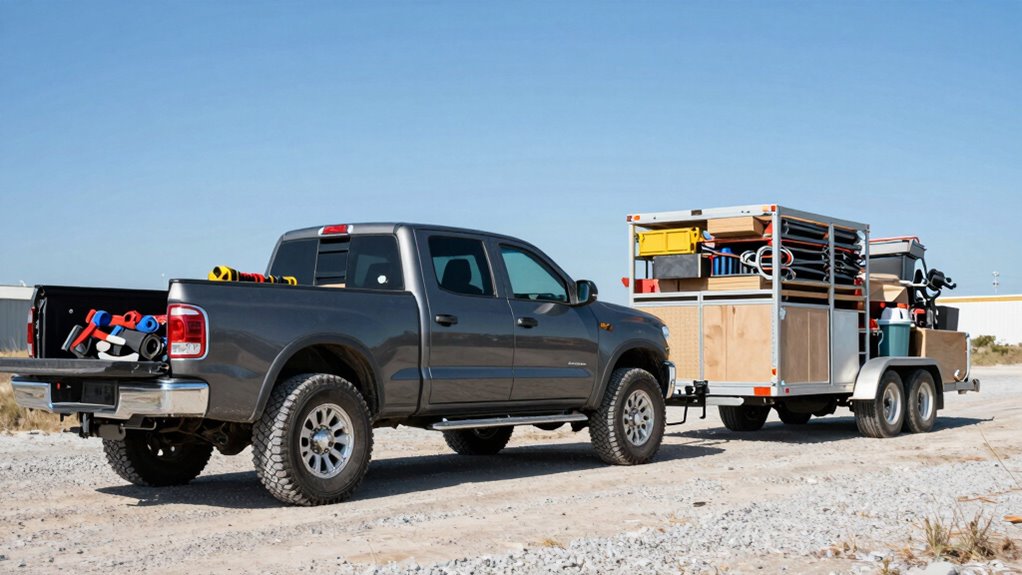
Understanding towing capacity is essential because it determines how much weight your vehicle can safely pull. To measure it, start by checking your truck’s manufacturer specifications, which specify the maximum trailer weight your vehicle can handle. Your trailer hitch plays a vital role here; it must be rated to support the total weight you’re towing. Proper weight distribution is also crucial—it helps balance the load across the axles, preventing undue strain on your vehicle and hitch. When setting up, ensure your hitch and trailer are compatible and that the weight is evenly spread. Remember, exceeding your truck’s towing capacity can lead to unsafe driving conditions, damage to your vehicle, or accidents. Always adhere to the recommended limits for safe and efficient towing. Additionally, understanding the difference between towing capacity and payload can prevent common mix-ups that may lead to vehicle damage or safety hazards. Being aware of vehicle weight limits helps ensure that you stay within safe operating parameters and avoid costly repairs or dangerous situations. Properly assessing truck capabilities can further prevent overloading and enhance safety during towing, especially when considering the weight of additional gear or accessories like electric bikes or other equipment.
How Can You Find Your Truck’s Towing and Payload Limits?
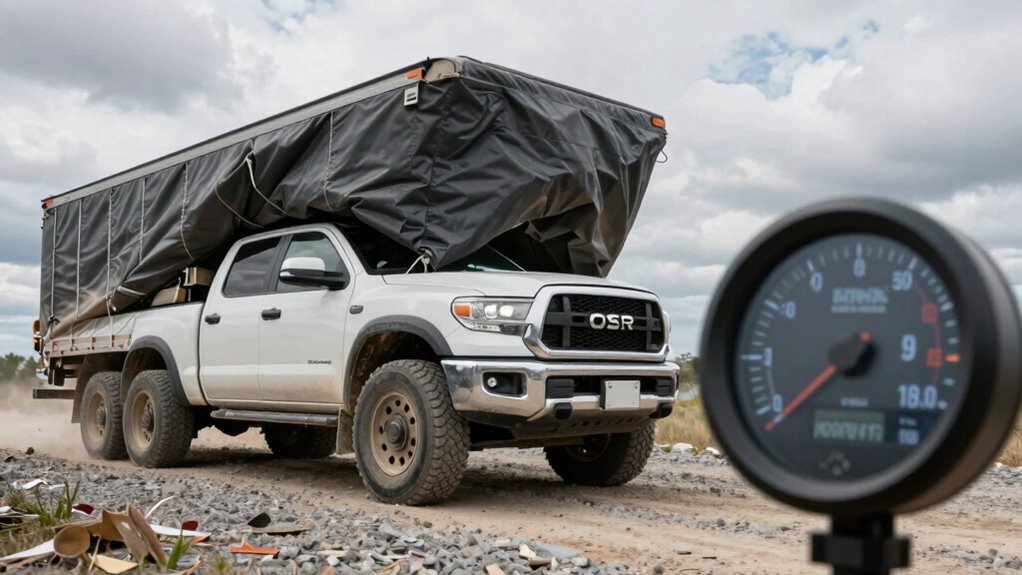
To accurately determine your truck’s towing and payload limits, start by locating the vehicle’s manufacturer’s specifications. These details are usually found in the owner’s manual or on the placard inside the driver’s door. Knowing these numbers helps you choose the right trailer hitch selection to match your truck’s capacity. Pay attention to the Gross Vehicle Weight Rating (GVWR) and Gross Combined Weight Rating (GCWR). Proper weight distribution is essential; it ensures the load is balanced, preventing strain on your truck and safety issues. Use these specifications as your guide when planning towing or carrying heavy loads. Always respect these limits to avoid damaging your vehicle or risking safety, and consult professional advice if you’re unsure about trailer hitch selection or load management. Additionally, understanding your vehicle’s cabling requirements can help prevent electrical failures or compatibility issues with your trailer or accessories. Being aware of weight limits is crucial for safe and efficient towing practices. Moreover, familiarizing yourself with the history and specifications of your vehicle can further enhance safe towing practices and ensure you stay within proper limits. Checking the actual vehicle weight periodically can also help monitor your load capacity in real-world conditions, which is especially important when considering alternative fuel sources or modifications that might affect weight distribution.
Common Towing and Payload Mistakes to Avoid

One common mistake is exceeding your vehicle’s towing or payload limits, which can cause safety hazards and damage your truck. To avoid this, pay attention to trailer hitch selection and hitch ball sizes. Using the wrong hitch or hitch ball can lead to instability or detachment. Properly matching these components guarantees safety and performance. Additionally, understanding whole-home water system components can help prevent equipment failure that might compromise your vehicle’s towing setup. Being aware of piercing aftercare and hygiene is also essential to prevent infections that could impact your overall vehicle maintenance and safety during towing. Recognizing the importance of color accuracy in your vehicle’s display system can also support better decision-making while towing, especially in low-visibility conditions. Incorporating knowledge about luxury vehicle accessories can also enhance your towing experience and ensure maximum safety. Furthermore, understanding accessibility features can assist in maintaining safety and comfort during long towing journeys.
How Overloading Can Damage Your Truck and How to Prevent It
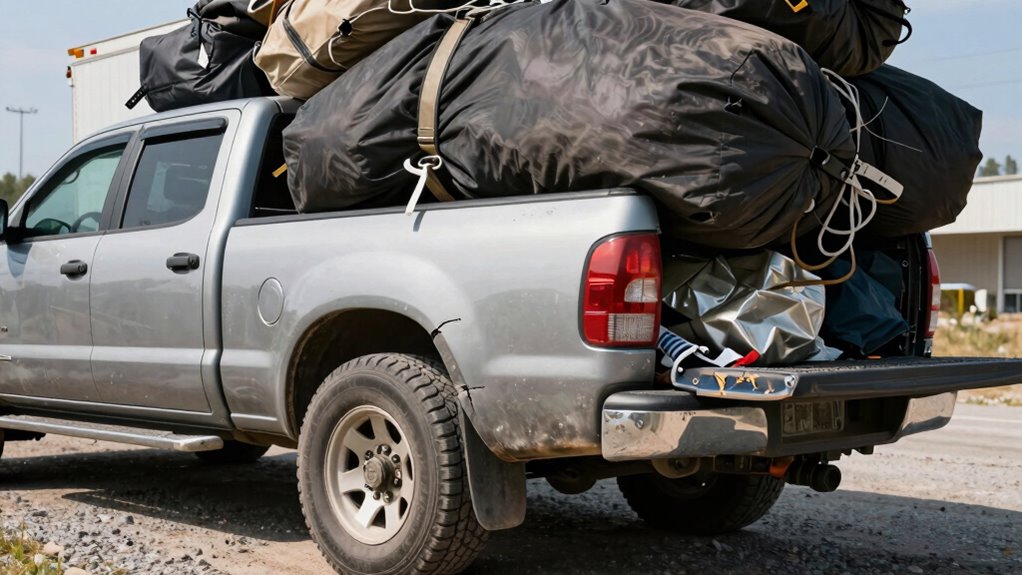
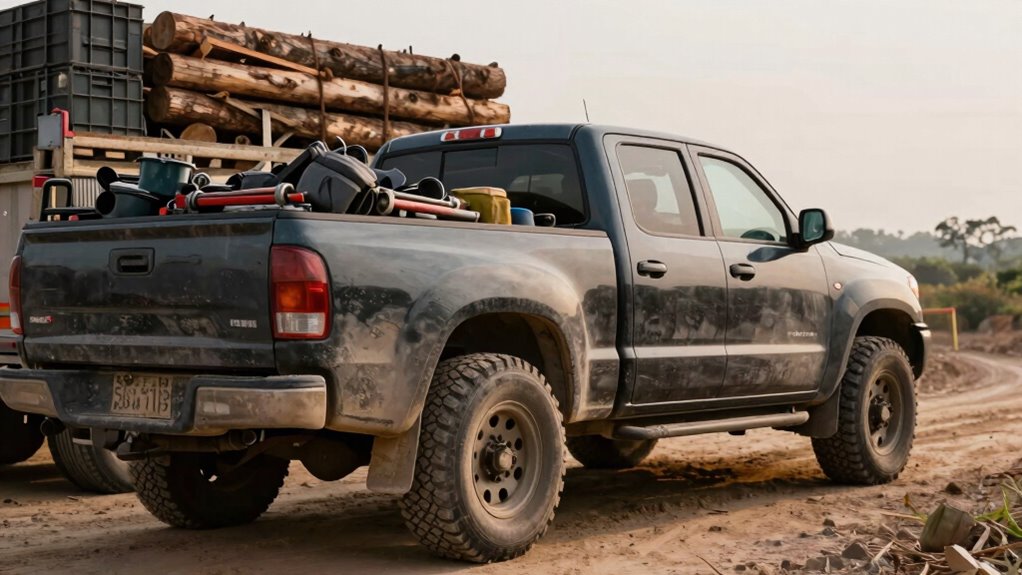
Overloading your truck by exceeding its weight limits can cause serious damage to its components and compromise safety. When you overload, your truck’s suspension, brakes, and drivetrain work harder than designed, increasing wear and risking failure. This can lead to costly repairs and reduce the lifespan of your vehicle. To prevent damage, prioritize regular truck maintenance, checking key parts like tires, brakes, and suspension systems for signs of stress. Follow safety precautions by always knowing your truck’s maximum payload and towing capacity, and avoid pushing these limits. Distributing loads properly also helps prevent uneven stress on your vehicle’s frame. Additionally, understanding your truck’s structural limits is essential to avoid overloading and potential accidents. Being aware of leasing options and costs when managing heavy loads can help you choose the most cost-effective and safe solutions. Staying within recommended limits not only protects your truck but also ensures safer driving conditions for you and others on the road. Properly securing loads and considering load distribution techniques can further minimize the risk of overloading-related damage.
Tips for Accurately Checking Your Vehicle’s Limits
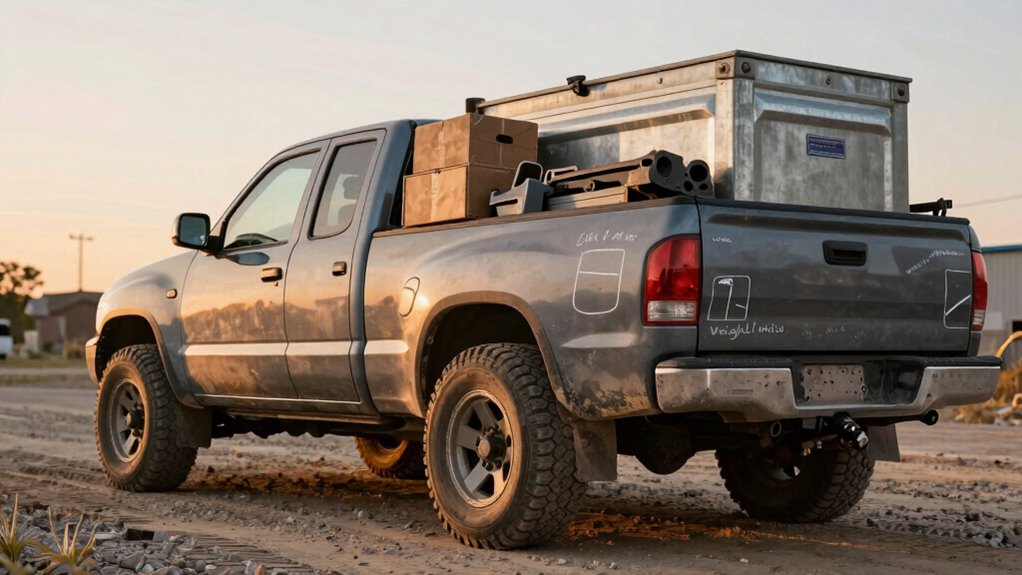
Understanding your vehicle’s limits starts with knowing where to find the information. Check your owner’s manual or the manufacturer’s label for towing capacity and payload ratings. When trailer hitching, confirm your hitch is rated for the weight you plan to tow, and always verify the gross trailer weight and tongue weight. Proper weight distribution is key—distribute cargo evenly to prevent overloading one side or putting too much strain on your vehicle’s components. Use a reliable scale to measure the actual weight of your cargo and trailer. Keep in mind that your vehicle’s limits include not just the maximum towing weight but also payload capacity, so don’t overlook these numbers. Regularly reviewing these details helps prevent overloading and keeps your truck running smoothly. Additionally, understanding your vehicle’s Rhythm Failure can help you better interpret manufacturer guidelines and ensure safe operation. Being aware of aviation regulations can also assist in understanding compliance and safety standards for vehicle operation. Incorporating hydrotherapy techniques into your routine can help maintain your vehicle’s optimal performance by reducing stress on its components during heavy loads. Staying informed about vehicle maintenance schedules will further support safe towing practices and prolong your truck’s lifespan. Recognizing the importance of proper load securing can prevent accidents and damage during transit.
Frequently Asked Questions
Can Towing Capacity Change With Different Trailer Types?
Yes, towing capacity can change with different trailer types. When you switch trailers, the trailer weight and hitch compatibility play a vital role. Heavier trailers or those with unique hitch requirements might reduce your truck’s effective towing capacity. Always check your vehicle’s specifications and make sure your hitch setup matches the trailer’s needs to avoid overloading and guarantee safe towing. Properly matching trailer weight and hitch compatibility keeps you safe on the road.
How Does Vehicle Age Affect Towing and Payload Limits?
As your vehicle ages, its towing and payload limits can decrease due to vehicle depreciation and wear. Older trucks may have reduced engine performance, weakened suspension, or worn-out brakes, all impacting capacity. Regular maintenance becomes essential to preserve these limits, but over time, natural deterioration can lower towing and payload capabilities, so you should regularly check your vehicle’s specs and avoid pushing it beyond safe limits to prevent damage.
Are Towing Capacity Ratings Affected by Modifications or Upgrades?
Yes, towing capacity ratings can be affected by modifications or upgrades. When you add upfit modifications or aftermarket upgrades, such as larger tires, upgraded suspensions, or towing accessories, they can alter the truck’s structural integrity and weight distribution. Always check with your manufacturer or a professional before making these changes, as they might impact your vehicle’s rated towing capacity and could compromise safety or warranty coverage.
What Are the Legal Penalties for Exceeding Towing or Payload Limits?
If you exceed your truck’s towing or payload limits, you could face serious legal penalties, including regulatory fines and potential license suspension. Authorities take overloading seriously because it compromises safety. Always stay within your vehicle’s rated capacity to avoid these penalties and guarantee safe driving. Ignoring limits not only risks fines but also damages your truck, increasing repair costs and possibly voiding warranties.
How Do Weather Conditions Influence Towing and Payload Safety?
Sure, because towing in a hurricane or hauling in a snowstorm is just a charming way to test your truck’s limits, right? Weather impact seriously affects safety considerations—rain, snow, wind, and ice reduce traction and increase stopping distances. Always adapt your driving, reduce loads, and check conditions before towing. Ignoring weather’s influence risks accidents, damage, or worse. So, be smart, stay safe, and don’t let Mother Nature turn your haul into a disaster.
Conclusion
Remember, your truck’s towing capacity and payload are like the heart and soul of its strength—each beats to a different rhythm. Overloading is like ignoring the music, risking a break in the harmony. Respect these limits, and your truck will carry your load smoothly, like a trusted steed on a long journey. Keep the rhythm steady, and you’ll avoid the silent damage that threatens to silence your adventure before it begins.