
TL;DR

Get monitors, keyboards and dev gear delivered free — and shop member deals
- Fast, free delivery on millions of items
- Access to Prime Big Deal Days deals on October 6–7
- Prime Video, Amazon Music and more included
Consumers are advised to be cautious when buying TV streaming sticks due to potential security and privacy risks. Experts recommend researching device origins and security features before purchase.
Consumers are being urged to carefully evaluate security and privacy risks before purchasing TV streaming sticks, following recent warnings from cybersecurity experts and consumer safety organizations.
Multiple cybersecurity researchers and consumer advocacy groups have raised concerns about certain TV streaming devices, citing vulnerabilities that could expose users to hacking or data theft. These devices, often sold at major retailers, vary widely in their security features and data handling practices.
While some manufacturers provide regular security updates and transparent privacy policies, others lack sufficient protections, leaving users vulnerable. Authorities recommend verifying device origins, avoiding unofficial or unbranded products, and reviewing manufacturer privacy disclosures before purchase.
It is not yet confirmed whether recent incidents of hacking or data breaches are directly linked to specific models or brands, but the warnings emphasize the importance of consumer vigilance. Experts advise purchasing devices from reputable sources and keeping firmware updated.
Why Consumer Safety and Privacy Should Be a Priority
This warning matters because TV streaming sticks are increasingly integrated into home networks, often with access to personal data and home security systems. Vulnerable devices could be exploited by hackers to access sensitive information, compromise home security, or launch cyberattacks. Being informed helps consumers protect their privacy and avoid financial or security risks associated with compromised devices.
As an affiliate, we earn on qualifying purchases.
Background on Security Concerns with Streaming Devices
Over the past few years, there has been a rise in security vulnerabilities associated with inexpensive or unverified streaming devices. In 2022, security researchers identified multiple models with unpatched vulnerabilities that could allow remote access. Consumer advocacy groups have repeatedly warned about the risks of purchasing cheap, unbranded devices from unknown sources, which often lack security updates or clear privacy policies.
Major brands have taken steps to improve security, but the proliferation of low-cost, third-party devices continues to pose risks for consumers unaware of the potential dangers. Recent alerts from cybersecurity experts have renewed focus on the importance of secure device sourcing and regular updates.
“Unverified streaming sticks may pose significant risks, including data theft and unauthorized access to home networks.”
— Consumer Safety Group spokesperson
As an affiliate, we earn on qualifying purchases.
Unconfirmed Links Between Devices and Recent Breaches
It is not yet clear whether recent security incidents have been directly caused by specific models or brands of streaming sticks. Investigations are ongoing, and details about affected devices are still emerging.
As an affiliate, we earn on qualifying purchases.
Next Steps for Consumers and Manufacturers
Consumers should prioritize purchasing streaming devices from reputable brands and sources, and ensure firmware is kept up to date. Manufacturers are expected to improve security features and transparency in privacy policies. Regulatory agencies may also issue new guidelines to enhance device security.
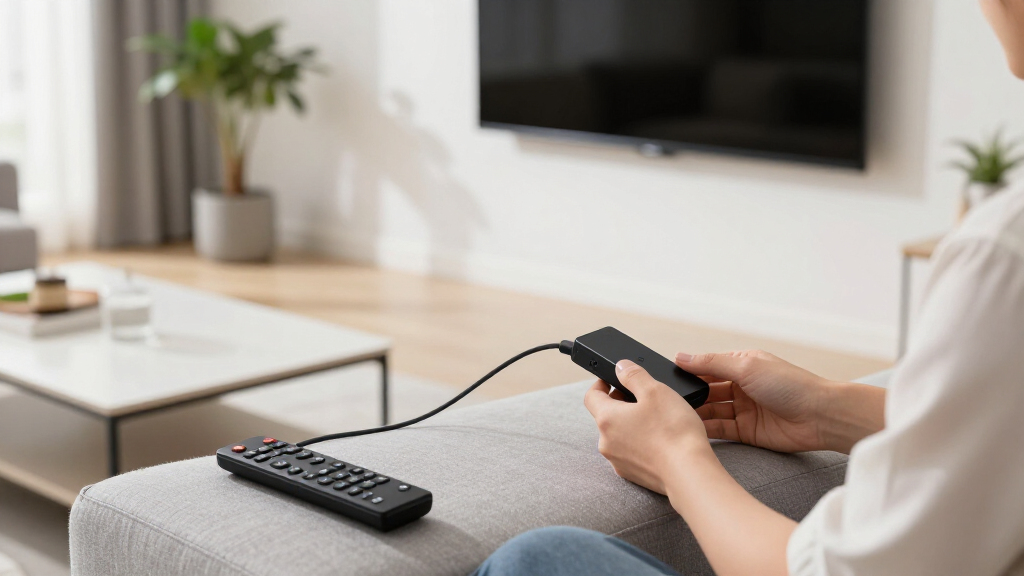
TV streaming stick with security updates
As an affiliate, we earn on qualifying purchases.
As an affiliate, we earn on qualifying purchases.
Key Questions
How can I verify if a streaming stick is secure?
Check for reviews from trusted sources, verify the manufacturer’s reputation, and ensure the device receives regular security updates. Avoid unbranded or suspiciously cheap products.
Are all inexpensive streaming sticks unsafe?
No, but lower-cost or unbranded devices often lack robust security features. It’s safer to buy from reputable brands that provide clear privacy policies and regular updates.
What are the main risks of using insecure streaming devices?
Risks include data theft, hacking, unauthorized access to home networks, and potential involvement in cyberattacks. Protecting your device reduces these risks.
Should I return my current streaming device if I suspect security issues?
If you have concerns about your device’s security, consult with the manufacturer for updates or consider replacing it with a trusted, verified product.
Source: hn
Fall Picks
fall essentials
As an affiliate, we earn on qualifying purchases.