TL;DR

Get business pricing on monitors, keyboards and dev gear
- Business-only prices and quantity discounts
- Tax-exempt purchasing
- Multiple users, one account, clear invoices
A developer reported attempting to port Android 16 to his visually impaired mother’s Kapsys SmartVision3, a keypad phone running Android 11. The project’s central challenge is that Kapsys built keypad navigation for TalkBack into the Android system itself, so replacing the operating system could remove a feature the phone’s owner depends on. The source describes early investigation and difficulties backing up the device, but does not report a completed Android 16 installation.
A developer has begun investigating a port of Android 16 for his visually impaired mother’s Kapsys SmartVision3, a keypad phone whose built-in navigation lets her use physical buttons with spoken feedback. His report describes the phone’s limitations and the work needed to understand its software, but it does not confirm that Android 16 has been installed.
The project followed problems with the mother’s previous Nokia 1280, which had served her for years, and the purchase of a used SmartVision3 for $400. According to the developer, the Kapsys device combined a physical keypad with a talking interface and accessibility features intended for blind users. He says his mother continued to rely on familiar buttons rather than learning a touchscreen smartphone interface.
The developer describes the SmartVision3 as running Android 11, with an April 2024 security patch and a MediaTek Helio P60 processor paired with 4 GB of RAM. He reports lag, battery drain and app crashes, including problems with Telegram running in the background. He also says the Google app entered a crash loop, affecting voice input. These are observations from his account, not an independent test of the device or its software.
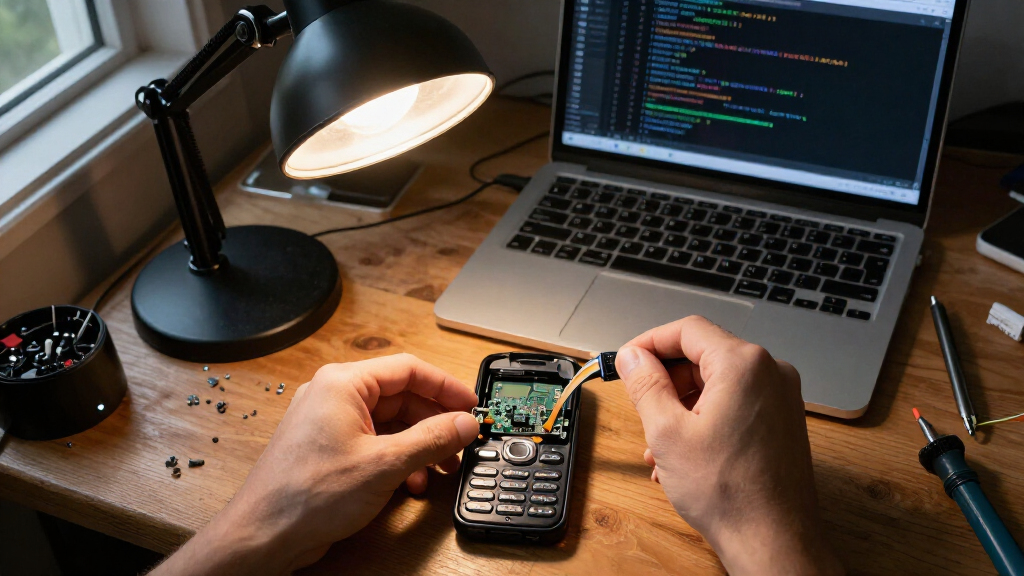
After finding no custom ROM or root guide for the model on the forums he searched, he extracted Kapsys applications and system files and examined them. His analysis found that the keypad’s TalkBack controls were not just a separate app: he says Kapsys modified Android’s libinput.so system library, adding a function named SV3KeyboardForTalkback. He also identified changes to the dialer, status bar and settings. That means a standard replacement system could lose or break the controls his mother uses.
Keeping Keypad Access in a New Android
The project illustrates a specific tension in updating specialized devices: newer software may address performance or app compatibility concerns, while replacing the operating system can remove the accessibility behavior that makes the device usable for its owner. Here, the keypad is not simply a hardware input device. According to the developer’s inspection, its interaction with the screen reader depends on Kapsys system-level changes.
That matters beyond this one phone because accessibility features can be tightly connected to a manufacturer’s software. A custom Android build would need to preserve or recreate those changes, not merely boot successfully. The report does not establish that Android 16 would fix the reported problems, nor does it show that the current phone is unusable; it documents the user’s family seeking a more reliable setup while protecting a familiar way to operate the device.
Products Worth Considering

DJI Mini 5 Pro Fly More Combo Plus with DJI RC 2

LG UltraGear 27-inch QHD OLED Gaming Monitor, 240Hz

Samsung 49-Inch Odyssey OLED G9 (G91SD) Dual QHD Curved Gaming Monitor
As an affiliate, we earn on qualifying purchases.
Why the Stock Software Was Being Replaced
The developer says his mother’s Nokia 1280 began dropping calls after years of use, prompting the search for a replacement with physical keys and spoken navigation. He chose the SmartVision3 used, saying he had not fully researched its specifications before buying it. In his account, the phone’s Android 11 software, app behavior and performance fell short of what the family needed.
He says Kapsys had promised updates through 2027, while the phone showed an April 2024 security patch. He also reports that Kapsys described Android 12 as “not possible” on the device. Those statements are presented in the source as the developer’s account of the company’s position and the phone’s status; the supplied material includes no direct response from Kapsys.
Before attempting a replacement, he tried to understand how the existing accessibility system worked. He says contacts, text messages, calendar entries and photos could be copied, but app data could not be backed up through ADB. He then tried to use the MediaTek boot ROM process to make a fuller device backup, but reports that the phone repeatedly entered preloader mode instead of the mode needed for the extraction.
“Kapsys also says Android 12 is “not possible” on this phone.”
— The developer, describing Kapsys’ position on a newer Android version
Port Status and Data Risks
The source material does not say that Android 16 has booted on the SmartVision3, that a usable custom ROM has been built, or that the mother has tested any replacement software. It also does not give a completed account of the porting work. The headline frames the effort as a port, but the detailed material supplied here focuses on the investigation and early obstacles.
Several technical and practical questions remain open: whether the developer can build a compatible system for the phone’s hardware, reproduce Kapsys’ keypad-to-TalkBack behavior, and retain reliable calling and other accessibility functions. The report also says the full storage backup failed and that app data was not copied. It does not establish whether all valuable data was secured or what consequences a failed installation could have for the device.
The stated update promise, the reported patch level, performance issues and app failures come from the developer’s account. No independent performance measurements, Kapsys response, or confirmation of the phone’s exact future software support appears in the supplied source.
Testing a Safe Replacement Build
The next milestone would be a working build that starts on the SmartVision3 while preserving the hardware keypad’s spoken navigation. The developer would also need to test core functions such as calls, voice input and background app operation before treating a port as a practical replacement for the stock system.
The source does not state a release date, a completed build, or a plan for distributing one. It also does not say whether the developer will retry the full backup process or publish further technical details. Until those steps are documented, the effort remains an investigation rather than a confirmed Android 16 upgrade for the phone’s owner.
Key Questions
Has Android 16 been installed on the Kapsys SmartVision3?
Not according to the supplied report. It describes the investigation and early technical obstacles but does not confirm a successful installation or a finished custom ROM.
Why can’t the developer simply install a different Android version?
The developer says Kapsys modified Android’s libinput.so library so keypad presses could control TalkBack. Replacing the operating system without recreating that behavior could remove a key accessibility feature.
What problems did the report describe with the stock phone?
The developer reports lag, rapid battery drain, app crashes, Telegram background problems and a Google app crash loop affecting voice input. These are claims in his account, not independent test results.
Was the phone fully backed up before the porting attempt?
No full backup is reported. Contacts, messages, calendar entries and photos were copied, but the ADB app-data backup reportedly stayed empty, and the attempted MediaTek boot ROM extraction did not work.
What remains to be shown?
The developer has yet to establish that Android 16 can run on the device, that keypad accessibility can be preserved, or that calling and other essential functions will work reliably on a replacement build.
Source: z1x.us