Vaccines protect you by introducing harmless parts of viruses or bacteria, which activate your immune system without making you sick. Your body responds by producing antibodies and memory cells that remember the pathogen. This prepares your immune system for future encounters, allowing it to respond quickly and effectively if you’re exposed again. As you learn more about how vaccines work, you’ll see their essential role in preventing disease and safeguarding public health.
Key Takeaways
- Vaccines introduce harmless components of pathogens to stimulate the immune system without causing the disease itself.
- They activate immune responses, enabling the body to recognize and fight off actual infections in the future.
- B cells produce antibodies, while T cells destroy infected cells and coordinate further immune activity against pathogens.
- Memory cells formed during vaccination allow for rapid responses to future encounters with the same pathogen.
- Widespread vaccination contributes to herd immunity, protecting vulnerable populations and controlling disease spread within communities.
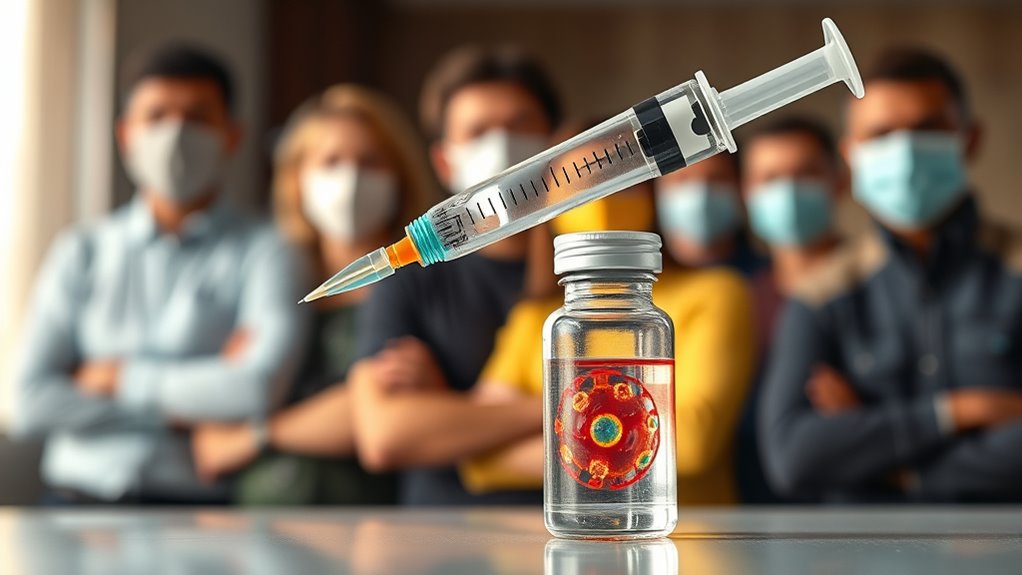
Have you ever wondered how vaccines actually work? It’s fascinating to think about how a tiny shot can trigger a powerful defense mechanism in your body. When you receive a vaccine, it introduces a harmless component of a virus or bacteria—like a protein or a piece of its genetic material. This component is enough to stimulate your immune system without causing the disease itself. But how does this all come together in the process of vaccine development?
During vaccine development, scientists carefully select the best way to present this harmless component to your immune system. They might choose a weakened or inactivated form of the pathogen, or they might use just a part of it, such as a protein. This selection process is vital because it determines how effectively your immune response will be activated. Once the vaccine is administered, your body recognizes this component as foreign and begins to mount an immune response.
Scientists meticulously choose how to present harmless components of pathogens, ensuring an effective immune response when vaccines are administered.
Your immune system comprises various cells and proteins that work together to identify and neutralize threats. When the vaccine introduces that harmless component, your immune cells—specifically, B cells and T cells—spring into action. B cells produce antibodies that can specifically target the pathogen, while T cells help destroy infected cells and coordinate the overall immune response. This entire process not only helps you fend off potential infections but also prepares your immune system for future encounters with the actual virus or bacteria.
What’s remarkable is that after the immune response is triggered, your body retains a memory of the pathogen. Some of those B and T cells become memory cells, which means they can quickly recognize and respond to the pathogen if it tries to invade your body again. This is the essence of immunity: your body becomes equipped to fight off the disease without you ever having to experience it. Additionally, the success of vaccines is often measured by their effectiveness in reducing disease transmission, which highlights their role in public health.
Frequently Asked Questions
How Long Do Vaccine Protections Last After Administration?
Vaccine protections can last anywhere from a few months to several years, depending on the vaccine and your immune response. You’ll find that most vaccines provide strong immunity for a specific duration, often referred to as vaccine durability. For some vaccines, like the flu shot, you might need annual boosters, while others, like measles vaccines, can offer long-lasting immunity. Staying informed about immunity duration helps you know when to get booster shots for ideal protection.
Can Vaccines Cause the Diseases They Prevent?
Vaccines can’t cause the diseases they prevent, but live attenuated vaccines use weakened forms of the virus. While these might sound risky, vaccine safety is rigorously tested, ensuring they’re safe for you. You’re more likely to experience mild side effects than any serious illness. So, when you get vaccinated, you’re not just protecting yourself; you’re also contributing to community immunity, keeping everyone safer from potentially severe diseases.
What Ingredients Are in Vaccines?
Vaccines have several key ingredients that work together to protect you. Common vaccine components include antigens, which trigger your immune response, and adjuvants that enhance that response. You’ll also find stabilizers to maintain the vaccine’s effectiveness and preservatives to prevent contamination. While the specific ingredients vary by vaccine, they’re all carefully selected to assure safety and efficacy, so you can feel confident in their role in keeping you healthy.
Are There Any Side Effects From Vaccines?
Yes, there can be side effects from vaccines, but most are mild and temporary. Common reactions like soreness at the injection site or a low-grade fever usually resolve within a few days. Vaccine safety is a top priority, so healthcare providers monitor these effects closely. If you experience any side effects, practicing side effect management—like resting and staying hydrated—can help. Always consult with your doctor if you have concerns or unusual reactions.
How Do Vaccines Affect Herd Immunity?
Vaccines markedly boost herd immunity, reducing disease spread. In fact, when about 95% of a community is vaccinated against measles, herd immunity can prevent outbreaks. You’ll notice that vaccine hesitancy undermines this social responsibility, leaving vulnerable populations at risk. When you and others get vaccinated, you not only protect yourselves but also help shield those who can’t be vaccinated, ensuring a healthier community for everyone.
Conclusion
In a world filled with misinformation, it’s easy to question the effectiveness of vaccines. But the science is clear: vaccines are one of our best defenses against infectious diseases. They train your immune system to recognize and combat pathogens, reducing your risk of serious illness. So, next time you hear doubts, remember that vaccines save lives and protect communities. Embrace the truth—they’re not just shots; they’re a shield for you and those around you.