TL;DR

Get business pricing on monitors, keyboards and dev gear
- Business-only prices and quantity discounts
- Tax-exempt purchasing
- Multiple users, one account, clear invoices
Kevin Boone has published a five-part tutorial series on developing bare-metal applications for UEFI-based PCs from a Linux workstation. The series covers compilation and linking, EFI system partitions, bootable media and file handling, but the source does not specify when it was published or provide independent testing of the instructions.
Kevin Boone’s five-part tutorial series explains how experienced Linux developers can build bare-metal applications for UEFI-based PCs, from compiling and linking code to preparing bootable media and working with firmware file services. The guide is aimed at developers who know Linux but have no prior UEFI experience, offering a practical route into software that runs without a conventional operating system.
The series begins with compiling and linking, then moves to the EFI system partition and methods for creating a DVD or USB flash image. Those steps address the path from source code to a medium a UEFI computer can use to start an application. Boone’s page identifies each topic, but the supplied material does not include the detailed commands or technical requirements within the individual articles.
The remaining parts cover what Boone calls a “pragmatic digression” and file handling through the Simple File Protocol, a UEFI service for accessing files. Boone says the articles are intended to be read in order, with each part relying on material introduced earlier. Readers who skip ahead may find later steps harder to follow.
A Route From Linux to UEFI
UEFI applications operate in a setting that differs from ordinary Linux application development: they must be built in a form the firmware can load, and developers need suitable boot media and access to firmware interfaces. Boone’s sequence brings those tasks together, which may help Linux programmers understand the practical stages involved rather than treating UEFI as only a firmware configuration menu.
The guide is most relevant to developers learning low-level PC software, experimenting with startup behavior or studying how firmware interacts with programs and storage. It is a tutorial, not a report of a new UEFI feature or a claim that the method works on every computer. Hardware and firmware differences may affect whether a particular boot image runs as expected.
Products Worth Considering
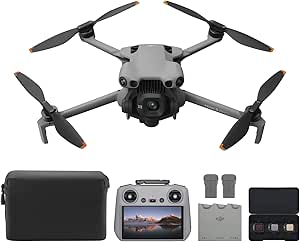
DJI Mini 5 Pro Fly More Combo with DJI RC 2

Apple iPad 11-inch with A16 Chip, 512GB, Wi-Fi 6, and Apple Pencil (USB-C) — Blue

Kindle Paperwhite Kids (2024), 16 GB, 7-inch Display, Cyber City Cover
As an affiliate, we earn on qualifying purchases.
How the Five Parts Fit Together
Boone describes the intended audience as experienced Linux developers who are new to UEFI. That distinction shapes the series: it assumes familiarity with Linux development while introducing the UEFI-specific build and boot process. The listed progression starts with creating a program, then turns to the partition and media needed to load it, before moving to file access.
The supplied source does not give a publication date, version requirements, or a tested list of hardware. It also does not provide enough detail to assess whether the instructions have changed since publication. Readers should consult the linked installments for the actual commands and prerequisites before attempting the workflow.
Hardware Support and Guide Currency
The supplied source does not state when the series was published, which compiler or tool versions it targets, or which UEFI implementations have been tested. It is not clear whether every instruction remains current across present-day Linux distributions and PC firmware. The page’s overview also does not establish that an image built by following the articles will boot on all UEFI systems; compatibility may depend on the machine and its firmware settings.
Follow the Installments in Order
The next step for readers is to open the individual articles, beginning with compiling and linking, and check their stated tools and prerequisites. They can then follow the sequence through partition setup, creation of bootable media and use of the Simple File Protocol. The source does not announce a forthcoming update, release date or additional installment, so any future changes to the series remain unknown.
Key Questions
Who is the UEFI tutorial series for?
It is aimed at experienced Linux developers who have not previously worked with UEFI.
What topics does the series cover?
The five listed parts cover compiling and linking, the EFI system partition, DVD or USB image creation, a pragmatic digression and file handling with the Simple File Protocol.
Should readers follow the articles in order?
Yes. Boone says each article relies on information from the preceding parts and warns that reading them out of sequence may make them difficult to follow.
Does the source say which computers the instructions support?
No. The supplied overview does not list tested hardware or promise compatibility across UEFI computers. Readers should check the details in the individual articles and account for differences in firmware.
Source: kevinboone.me