
A manufacturer warranty comes with most new products and covers repairs or replacements if something goes wrong within a set period. An extended warranty costs extra and offers additional coverage beyond the initial period. It’s worth considering if you plan to keep the item long-term, use it heavily, or face costly repairs. To decide, weigh the potential repair costs against the warranty price. Continue exploring to learn how to choose the best option for your needs.
Key Takeaways
- Manufacturer warranties are included at purchase and cover initial years, while extended warranties are additional contracts offering longer or broader coverage.
- Extended warranties are worth considering for expensive or long-lasting products with high repair costs or heavy usage.
- Evaluate product reliability, repair expenses, and usage habits to determine if an extended warranty provides genuine value.
- Read warranty terms carefully to understand coverage limits, exclusions, and costs before deciding.
- Consider industry standards, technological advances, and legal protections to ensure warranty benefits align with your needs.
What Is a Manufacturer Warranty?
A manufacturer warranty is a promise from the maker of a product that it will work as intended for a specified period. This warranty provides warranty coverage, meaning if your product malfunctions or breaks within the coverage period, the manufacturer will repair or replace it at no extra cost. Your decision often depends on the manufacturer’s reputation; trusted brands tend to offer more reliable warranties. A good warranty not only covers defects but also reflects the company’s confidence in its products. Keep in mind that warranty terms vary, so it’s essential to understand what’s included and any exclusions. Additionally, understanding the coverage limitations can help you assess the true value of the warranty. The product technology used can influence the warranty’s effectiveness and your overall satisfaction. Knowing how the warranty process is handled can also impact your experience if a claim needs to be made. Being aware of the manufacturer’s customer service can further help you determine the ease of resolving issues under the warranty. Moreover, researching the warranty duration can help ensure you have adequate protection during the product’s lifespan.
When Should You Consider Buying an Extended Warranty?

While a manufacturer warranty provides solid coverage during the initial years of your product’s life, there are times when extending that protection makes sense. If your product has a long product lifespan, the chances of needing repairs increase, and repair costs can add up quickly. An extended warranty becomes worth considering if you plan to keep the item beyond the manufacturer’s coverage or if the item is expensive to repair. For example, appliances, electronics, or vehicles with high repair costs often justify the extra investment in an extended warranty. Additionally, if you’re risk-averse and prefer predictable expenses, purchasing an extended warranty can provide peace of mind. Furthermore, understanding product lifespan and potential repair costs can help you make an informed decision. Given that indoor air quality can impact your health and the longevity of your appliances, considering warranties for air quality devices may also be worthwhile. It’s also helpful to evaluate warranty coverage details to ensure it aligns with your needs, as some plans may exclude certain repairs. Moreover, assessing the cost-benefit analysis of a warranty can help determine if the investment is justified based on your specific circumstances. Additionally, being aware of product failure rates can help you better estimate the likelihood of needing repairs in the future. Ultimately, weigh the potential repair costs against the cost of the warranty to decide if it’s a smart move for your situation.
Key Factors to Decide if an Extended Warranty Is Worth It

To decide if an extended warranty is worth it, you should evaluate the cost-benefit balance carefully. Consider how reliable the product has been historically and whether potential repair costs justify the extra expense. By weighing these factors, you’ll be able to make a smarter, more informed decision.
Cost-Benefit Analysis
When considering an extended warranty, conducting a cost-benefit analysis helps you determine if it’s a smart investment. Start by comparing the warranty’s cost against potential repair expenses. A good pricing strategy considers how likely you are to need repairs and the costs involved, helping you decide if the warranty offers real value. Think about your own usage habits and the product’s typical lifespan. Consumer satisfaction is also vital—if past experiences or reviews suggest frequent issues, an extended warranty might be worth it. On the other hand, if repairs are rare or inexpensive, the warranty may not justify the extra expense. Additionally, understanding Yarn for Scarves concepts related to product durability and maintenance can further inform your decision. By weighing these factors, you can make a more informed decision aligned with your financial and practical needs.
Product Reliability History
Is your product known for its reliability? Checking its product recall history can give you valuable insight. A history of frequent recalls suggests potential issues, meaning the product might be less dependable over time. Additionally, consider the brand reputation—companies with a strong track record of quality and customer satisfaction are more likely to produce durable products. If the brand has a history of recalls or negative reviews, investing in an extended warranty might be worthwhile to cover possible repairs. Conversely, if the product has a clean record and the brand is reputable, you might not need extra coverage. Understanding the product’s reliability history helps you make an informed decision about whether an extended warranty is a smart investment or an unnecessary expense. Moreover, examining product reliability data can further support your decision-making process, especially for high-value or frequently used items.
How Do Manufacturer and Extended Warranties Compare?
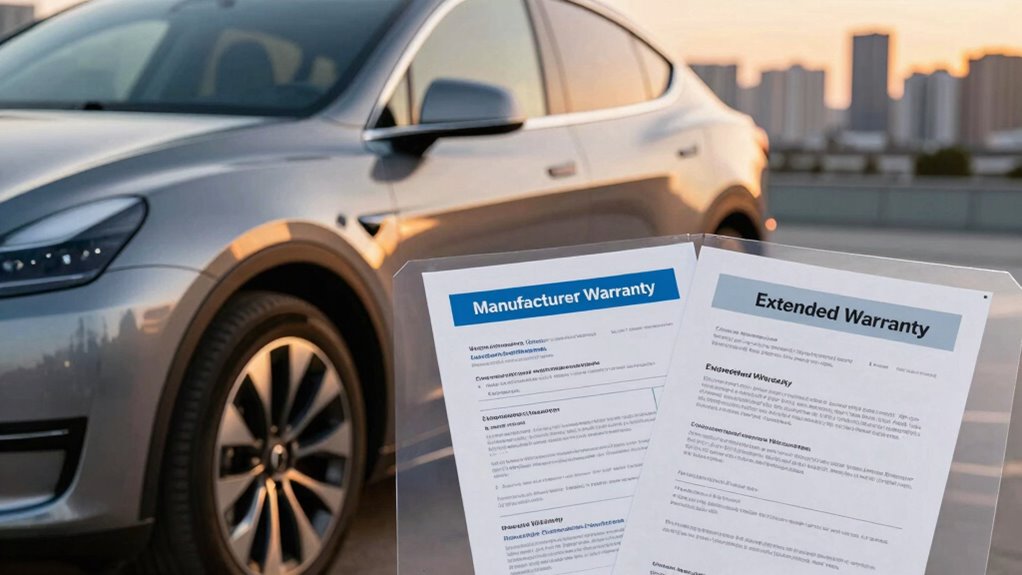
Manufacturer warranties typically come included with a new product and cover repairs or replacements for a set period, giving you peace of mind during the initial years. When comparing them to extended warranties, consider these points:
Manufacturer warranties include repairs for a set time, offering peace of mind during initial years.
- Price comparison: Manufacturer warranties are usually free, while extended warranties come at an additional cost.
- Coverage limitations: Manufacturer warranties often exclude certain damages or issues, which extended warranties might cover more thoroughly.
- Duration: Extended warranties generally last longer, offering protection beyond the manufacturer’s coverage.
- Flexibility: Extended warranties can sometimes be tailored to suit your needs, whereas manufacturer warranties are fixed.
- Regional differences, such as those seen in urban pursuits like Harrisburg or cultural activities in Washington D.C., can influence the perceived value and necessity of warranty coverage based on local service options. Additionally, understanding warranty policies is essential for making informed decisions tailored to your specific area and usage needs. Recognizing the importance of customer service can also impact your satisfaction if repairs or claims arise, especially when considering local repair options that may vary by region. Being aware of regional service providers can help you determine the ease of obtaining warranty-related repairs in your area.
When Do Extended Warranties Provide Real Value?
Extended warranties provide genuine value when you plan to keep your product for a long time or use it heavily, increasing the likelihood of repairs. In these cases, the cost of potential repairs can outweigh the price of the warranty, making it a smart investment. Sellers often use pricing strategies that make extended warranties seem like a good deal, but you should evaluate whether the coverage aligns with your needs. If you’re concerned about unexpected expenses or want peace of mind, an extended warranty can boost customer satisfaction by reducing repair worries. Consider how long you’ll likely use the product and how prone it is to issues. When these factors align, an extended warranty offers real value, helping you save money and enjoy a stress-free ownership experience. Additionally, assessing the document safety of warranty contracts can prevent future disputes or misunderstandings, especially as AI-driven discoveries reshape healthcare and other industries. Evaluating current legal standards can further ensure that warranty terms are fair and enforceable. Moreover, understanding how product longevity impacts warranty worth can guide you in making smarter purchasing decisions.
Tips for Reading Warranty Terms and Saving Money

Ever wonder how to get the most value from your warranty? Reading the fine print is essential to protect your consumer rights and avoid warranty scams. Here are four tips:
- Carefully review the coverage details to understand what’s included and excluded.
- Check the duration of the warranty and note any renewal or extension options.
- Look for hidden fees or deductibles that could increase your costs.
- Always keep documentation and receipts, so you’re prepared if you need to file a claim.
Frequently Asked Questions
Are Extended Warranties Transferable to New Owners?
Yes, extended warranties are often transferable to new owners, but transferability concerns depend on the specific warranty terms. You should check the ownership rights outlined in your warranty agreement. Some warranties automatically transfer when you sell the item, while others require you to notify the provider. Being aware of these transferability concerns guarantees you or the new owner can benefit from the warranty’s coverage without issues.
Do Extended Warranties Cover Accidental Damage or Only Repairs?
Did you know that around 70% of accidental damage claims are approved under extended warranties? Extended warranties typically focus on repair coverage for mechanical or electrical issues, not accidental damage. If you’re concerned about drops, spills, or other accidents, check your policy carefully—most don’t cover accidental damage unless you purchase a specific plan. So, if accidental damage is a priority, verify your coverage before relying on the extended warranty.
How Do Deductibles Work With Extended Warranties?
With extended warranties, deductibles are the amount you pay out-of-pocket before coverage kicks in. They typically apply per claim and can vary based on coverage limits. When you need to file a claim, you’ll go through a straightforward process, but be aware that some plans require you to pay the deductible first, and coverage limits determine how much the warranty will pay. Always check your policy details for specific deductibles and claim procedures.
Can You Negotiate Warranty Prices or Coverage Options?
Yes, you can negotiate warranty prices and coverage options. Shop around and ask providers if they’re open to price negotiations or offer discounts. Don’t hesitate to discuss coverage flexibility to tailor the warranty to your needs, potentially saving money. Be prepared to compare plans and ask about optional add-ons or exclusions. Negotiating can help you get a better deal that fits your budget and provides the protection you want.
What Are Common Exclusions in Manufacturer and Extended Warranties?
Ever wondered what isn’t covered by your appliance coverage or electronics warranties? Common exclusions often include pre-existing conditions, accidental damage, cosmetic issues, or misuse. Manufacturer warranties typically exclude repairs due to neglect or unauthorized repairs. Extended warranties might exclude routine maintenance or certain parts. Always read the fine print carefully to understand these exclusions, so you’re not caught off guard when a claim is denied.
Conclusion
Understanding the differences between manufacturer and extended warranties helps you make smarter choices. Remember, “A penny saved is a penny earned,” so always read the fine print and weigh your options carefully. If the extended warranty offers genuine peace of mind for items you’ll rely on daily, it might be worth it. Otherwise, sticking with the manufacturer’s coverage and saving for future repairs often proves the wiser route. Stay informed, and you’ll make warranties work for you.