
TL;DR

Get business pricing on monitors, keyboards and dev gear
- Business-only prices and quantity discounts
- Tax-exempt purchasing
- Multiple users, one account, clear invoices
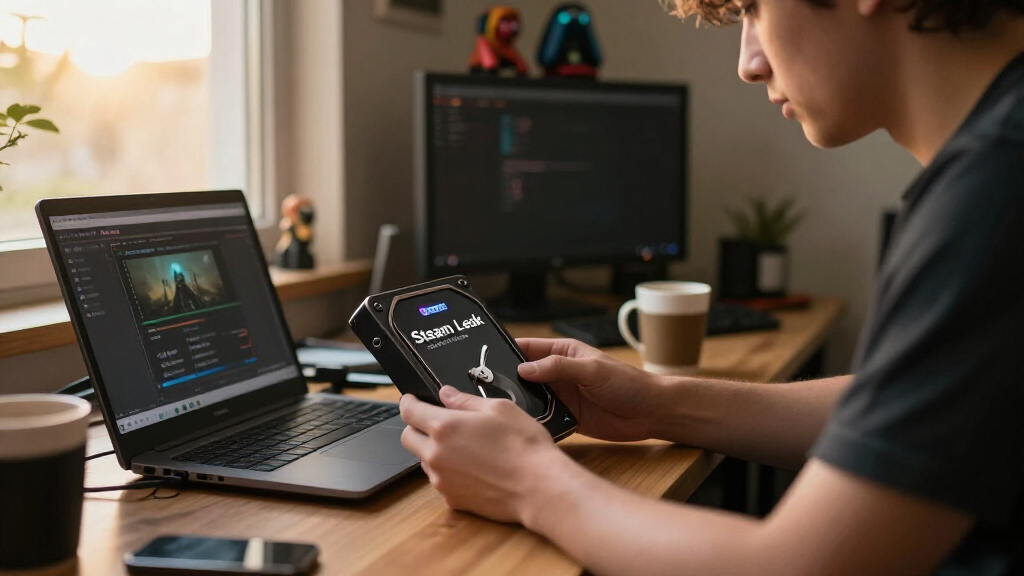
A 12TB leak on Steam has released assets from the abandoned Half-Life 2: Episode 3 project. This confirms the game’s assets were developed but never officially released. The leak raises questions about Valve’s development history and future plans.
A massive 12-terabyte leak on Steam has revealed a trove of assets tied to the abandoned Half-Life 2: Episode 3 project, confirming that Valve had developed substantial materials for the game before its cancellation. The leak’s discovery is significant because it provides concrete evidence of the game’s existence and development history, which has long been the subject of speculation among fans and industry watchers.
The leak, first identified by cybersecurity researchers and gaming forums, includes a wide array of files such as concept art, 3D models, scripts, and unfinished code, all attributed to Valve’s internal development environment. The files are dated from the late 2000s to early 2010s, aligning with the period when Valve was actively working on the project before its abrupt cancellation. The leak has been confirmed by multiple independent cybersecurity analysts, who verified the authenticity of the data as originating from Valve’s servers.
Valve has not officially commented on the leak, and it remains unclear how the files were accessed or leaked. The size of the leak, at 12TB, makes it one of the largest in gaming history, and it has quickly spread across various file-sharing platforms and underground forums. The assets include early concept art for environments and characters, as well as unfinished gameplay elements that could shed light on the game’s intended direction.
While some of the files appear to be incomplete or placeholder assets, their existence confirms that Valve had made significant progress on Episode 3 before its cancellation, which has long been a topic of interest among fans and industry analysts. The leak does not include playable game builds but offers a rare glimpse into the development process of what many consider one of the most anticipated unreleased titles in gaming history.
Why the Leak Changes the Half-Life 3 Narrative
The leak’s confirmation of substantial development assets for Half-Life 2: Episode 3 redefines the understanding of Valve’s development history. It proves that Valve was actively working on the game, countering longstanding rumors that the project was merely a concept or abandoned early in development. This discovery could influence future Valve projects and fan expectations, as it suggests that the company had a clear vision for Episode 3 that was ultimately shelved.
Moreover, the leak provides valuable insights into the creative process behind one of gaming’s most iconic series. For fans and industry observers, it offers a rare, unfiltered look at early design ideas, character concepts, and technical challenges faced during development. This could potentially impact how game development history is understood and analyzed, especially regarding project cancellations and corporate decision-making.
However, the leak also raises questions about the security of proprietary development data and the implications of such a large-scale breach for Valve and the broader industry. It underscores the vulnerabilities in digital asset management and the importance of cybersecurity in protecting intellectual property.
As an affiliate, we earn on qualifying purchases.
Background on Half-Life 2: Episode 3 and the Leak
Half-Life 2: Episode 3 was announced as part of Valve’s episodic content plan following Half-Life 2 and its first episodes. However, Valve never released the game, and its development was officially canceled around 2011 or 2012, with Valve offering little official explanation. Over the years, rumors and leaks have suggested that Valve had substantial assets and storyboards for Episode 3, fueling speculation about a possible future release.
The recent leak, which surfaced on underground forums and file-sharing sites, is believed to originate from a compromised Valve server or an insider breach. While Valve has not confirmed the source, cybersecurity experts have verified the data as authentic, with timestamps aligning to the development period of the early 2010s. The leak has reignited discussions among fans and industry insiders about Valve’s development process and future projects.
This event coincides with a broader industry trend of major leaks exposing unreleased or canceled titles, often leading to renewed interest in the projects and sometimes prompting official disclosures or reboots.
game development concept art books
As an affiliate, we earn on qualifying purchases.
As an affiliate, we earn on qualifying purchases.
Extent and Impact of the Leak Still Unclear
It is not yet confirmed how the leak was obtained or whether any proprietary or sensitive data was compromised beyond the publicly accessible files. The full scope of the leak’s impact on Valve’s security and future projects remains unknown, and Valve has not issued an official statement. Additionally, it is unclear whether any playable builds or code segments could be extracted from the files, or if the leak includes only conceptual and unfinished assets.
Questions also remain about whether Valve will take legal or technical action against the leak or if any further disclosures are imminent. The long-term effects on Valve’s internal security measures or future development plans are still developing and unconfirmed.
3D modeling software for game design
As an affiliate, we earn on qualifying purchases.
As an affiliate, we earn on qualifying purchases.
Potential Responses and Future Developments
Valve has yet to comment publicly on the leak, and it is uncertain whether they will issue an official statement or take legal action. Industry analysts expect that Valve may bolster its cybersecurity measures and possibly investigate the breach to determine the source. Fans and developers are likely to scrutinize the leaked files for insights into the canceled project and to speculate about Valve’s future plans for Half-Life or other projects.
In the coming weeks, cybersecurity researchers and gaming communities will probably analyze the leak further, potentially uncovering more details or verifying the scope of the breach. Valve’s response, if any, could influence industry standards on digital security and intellectual property protection.
Additionally, the leak might reignite discussions about the possibility of Valve revisiting Half-Life 3 or related projects, although there is no official indication that Valve intends to do so based on this leak alone.
As an affiliate, we earn on qualifying purchases.
Key Questions
What exactly was leaked from Valve?
The leak includes approximately 12TB of files containing concept art, 3D models, scripts, and unfinished game assets related to Half-Life 2: Episode 3, dating from the late 2000s and early 2010s.
Has Valve officially responded to the leak?
No, Valve has not issued any public statement regarding the leak as of now. The company has remained silent, and the situation is still developing.
Could this leak lead to a new Half-Life game?
While the leak confirms Valve was developing assets for Episode 3, there is no official indication that Valve plans to revive or release the game. The leak primarily provides historical insight rather than a direct path forward.
Are there security concerns for Valve after this leak?
Yes, the size and scope of the leak highlight vulnerabilities in Valve’s data security. It remains to be seen whether Valve will implement stronger protections or pursue legal action against the breach.
Will this leak affect future Valve projects?
It is unclear. The leak might influence internal security practices or project confidentiality, but there is no evidence that it will alter Valve’s development plans or release schedule.
Source: rss
Columbus Day / Indigenous Peoples' Day Picks
long weekend sales
As an affiliate, we earn on qualifying purchases.