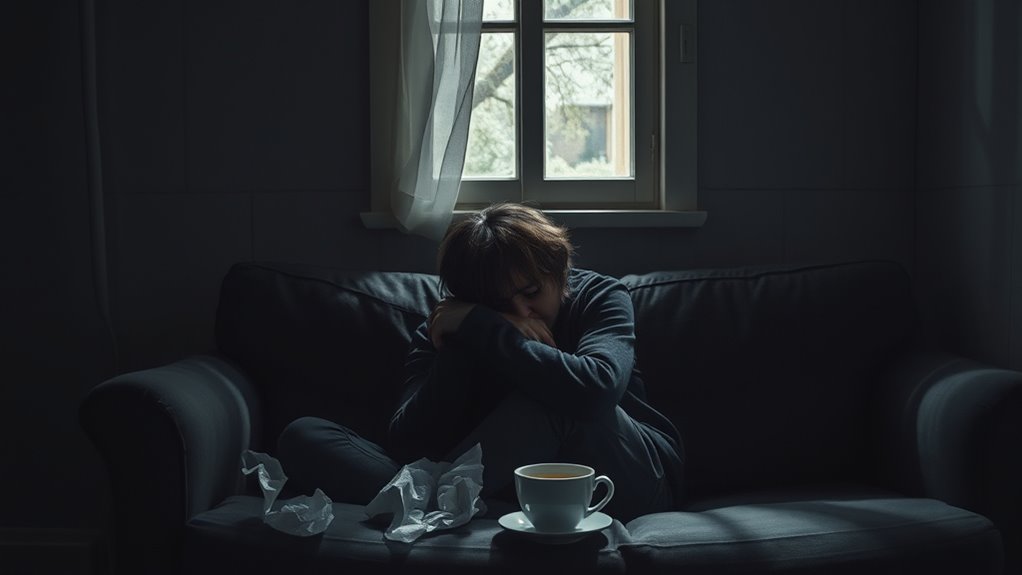

Depression is a serious mental health condition that impacts your emotional well-being. You may feel persistent sadness or heaviness, lose interest in activities you once enjoyed, and experience physical symptoms like fatigue or appetite changes. Recognizing these signs is vital for understanding your feelings. Seeking support from friends, family, or professionals can enhance your recovery. There’s more to explore about effective strategies and treatments that can lead you to a brighter, healthier state of mind.
Key Takeaways
- Depression is a mental health condition characterized by persistent sadness and a loss of interest in activities once enjoyed.
- Common signs include feelings of heaviness, fatigue, changes in appetite, and varying emotional intensity among individuals.
- Self-care strategies like maintaining routines, regular exercise, and mindfulness can help manage depression symptoms.
- Professional help, including therapy and medication, is essential for severe or persistent depression.
- Seeking support from friends, family, or support groups reduces feelings of isolation and enhances recovery efforts.

Have you ever felt a heavy weight on your chest, making even the simplest tasks seem impossible? That feeling might be more than just fatigue. It could be a sign of depression, a condition that affects millions and can leave you feeling isolated and overwhelmed. Recognizing the signs and symptoms is essential for understanding what you’re going through. You might notice persistent sadness, a lack of interest in activities you once enjoyed, or even physical symptoms like fatigue or changes in appetite. These manifestations can be subtle or pronounced, making it imperative to pay attention to your feelings and behaviors.
If you’re grappling with these symptoms, know that you’re not alone, and there are effective ways to cope. One of the first steps is to explore self-care strategies. You might think self-care is just about pampering yourself, but it goes much deeper. It involves establishing routines that promote your well-being. Simple actions like maintaining a regular sleep schedule, eating nutritious meals, and engaging in physical activity can greatly impact your mood. Even taking a few minutes each day to practice mindfulness or meditation can help ground you amidst the chaos of negative thoughts. Incorporating high refresh rates in your environment, similar to how they enhance gaming experiences, can provide a stimulating distraction.
In addition to self-care, you might consider medication options if your symptoms are severe or persistent. Antidepressants can be effective for many individuals, helping to balance the chemicals in your brain that affect mood. If you’re unsure about medication, consult with a healthcare professional who can guide you through the options. They can help determine if medication is right for you, often recommending it alongside therapy for a more complete approach.
It’s important to remember that seeking help is a sign of strength. You don’t have to face this alone. Support from friends, family, or even support groups can provide the encouragement you need. Talking about what you’re experiencing can lighten the load, allowing you to feel more connected and understood.
Frequently Asked Questions
Can Depression Affect Physical Health and Well-Being?
Yes, depression can profoundly affect your physical health and emotional well-being. When you’re feeling low, you might neglect exercise, eat poorly, or struggle with sleep, all of which can lead to various health issues. Chronic stress from depression can also weaken your immune system, making you more susceptible to illness. It’s essential to address both your emotional state and physical health for overall wellness and to break this cycle.
Are There Specific Risk Factors for Developing Depression?
Yes, there are specific risk factors for developing depression. You might have a genetic predisposition, meaning it can run in your family. Additionally, environmental triggers like stressful life events, trauma, or chronic illness can increase your risk. Other factors include substance abuse or lack of social support. By recognizing these risks, you can take steps to manage your mental health and seek help if needed.
How Does Depression Differ From Sadness?
Depression isn’t just sadness; it’s a persistent emotional response that affects daily life. Did you know that around 17.3 million adults in the U.S. experienced a major depressive episode in 2017? Unlike sadness, which can be temporary, depression lingers, impacting your mental health and overall well-being. By raising mental health awareness, you can help others recognize the difference, encouraging them to seek support when needed. Don’t underestimate the seriousness of depression.
What Are Common Misconceptions About Depression?
Many common misconceptions about depression include the idea that it’s just sadness or a sign of weakness. You might think people can just “snap out of it.” The stigma surrounding depression often leads to misunderstandings about its causes, like attributing it solely to personal choices or life events. In reality, depression can stem from biological, genetic, and environmental factors, making it essential to approach it with empathy and understanding instead of judgment.
Can Lifestyle Changes Help Manage Depression Symptoms?
Yes, lifestyle changes can definitely help manage depression symptoms. By incorporating regular exercise routines, you boost your mood and energy levels. Establishing good sleep hygiene is equally important; it helps you feel more rested and focused. Make small adjustments like setting a consistent bedtime or engaging in calming activities before sleep. Together, these changes can create a more balanced life, reducing feelings of sadness and enhancing your overall well-being.
Conclusion
So, if you’re feeling like the world’s a gloomy cloud just sitting on your shoulders, don’t worry! You’re not alone—many folks are right there with you, basking in the melancholy. But hey, instead of starting a pity party, why not grab some support? Whether it’s a chat with a friend or a therapist, there’s no need to audition for the role of “Most Depressed Human.” Remember, laughing at life’s absurdities can be the best medicine!