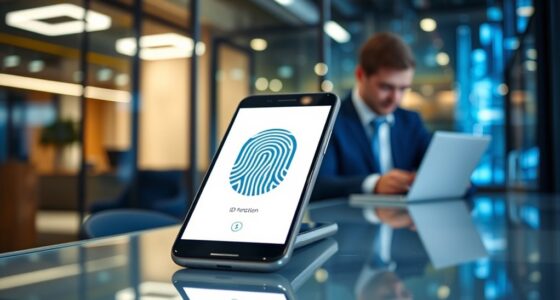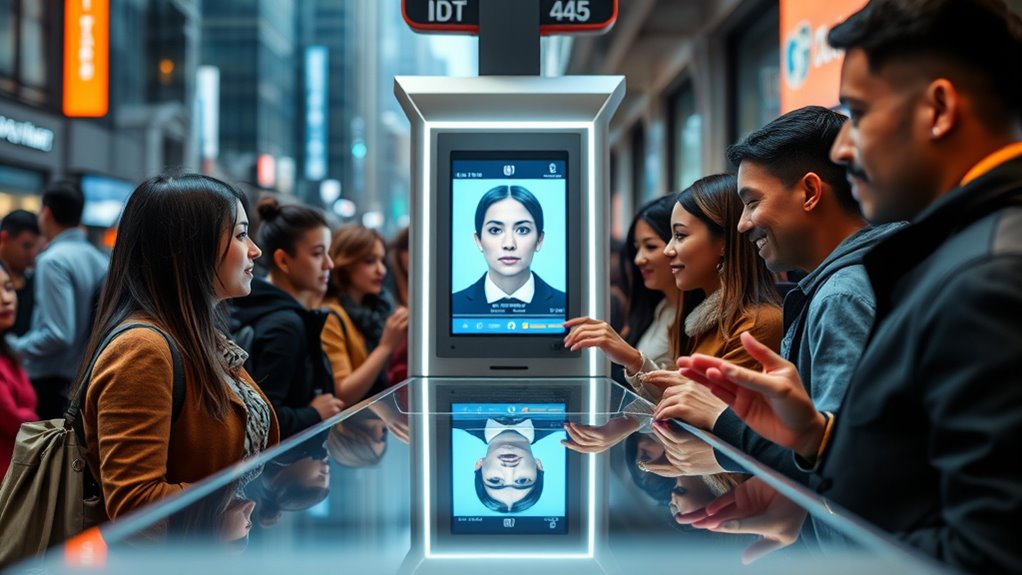

Biometric payments are transforming the way you shop by 2025. Imagine completing transactions in mere seconds using your face or fingerprint. This method not only speeds up your purchases but also enhances security, making it tough for fraudsters to replicate your unique biometric data. However, it’s essential to stay informed about privacy concerns and data protection measures. Curious about how these advances will shape your daily life and shopping habits? Let’s explore further.
Key Takeaways
- By 2025, biometric payments will replace traditional wallets, enabling quick transactions through facial recognition and fingerprints.
- Biometric data offers enhanced security against fraud, reducing risks linked to stolen cards or hacked devices.
- Privacy concerns necessitate robust data protection measures and transparency in handling personal biometric information.
- Companies are investing in strong security protocols to protect biometric data, emphasizing consumer responsibility in choosing secure payment systems.
- The integration of biometric payments will transform daily shopping habits, making transactions faster and more seamless while ensuring privacy protection.
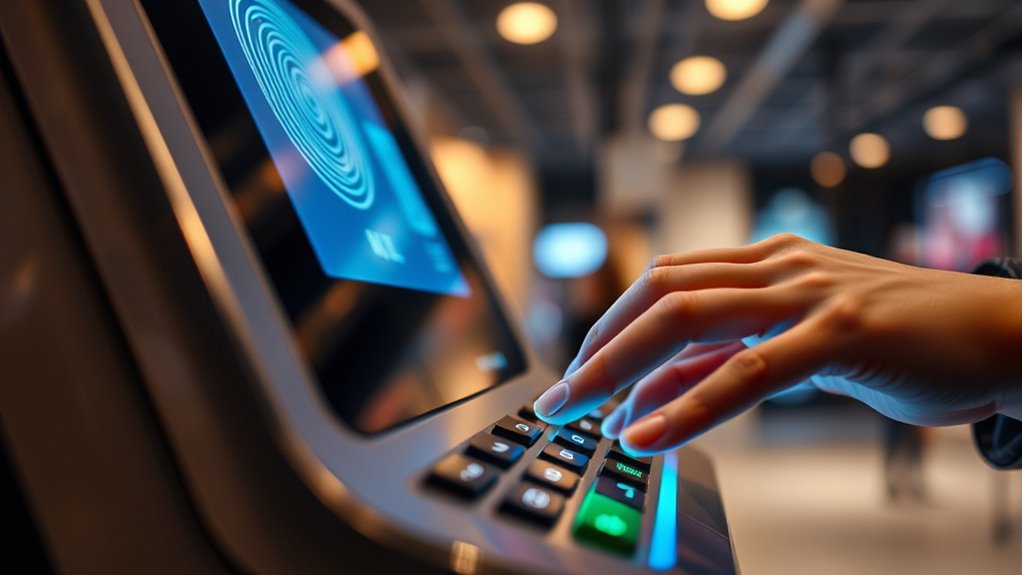
As technology evolves, biometric payments are becoming a game-changer in how you make transactions. Imagine walking into a store, and instead of fumbling for your wallet or phone, you simply smile at a camera or place your finger on a scanner. This seamless experience is not just a futuristic dream; it’s rapidly becoming a reality. By 2025, you might find yourself using your face or fingerprint to pay for everyday items, making transactions not just quicker but also more secure.
Biometric payments are transforming transactions, offering a seamless, secure way to shop by 2025.
One of the most vital advantages of biometric payments is their ability to enhance security. With traditional methods, your card can be stolen, or your phone can be hacked. However, your unique biometric data—like your fingerprint or facial recognition—cannot be easily replicated. This means you can shop with peace of mind, knowing that your payment method is tied to you and only you. As these technological advancements continue to improve, the chances of fraud decrease markedly, making your shopping experience safer.
However, it’s essential to think about the privacy concerns that come with these innovations. While biometric payments offer convenience and security, they also raise questions about how your data is collected, stored, and used. You might wonder who has access to your biometric information and whether it’s adequately protected. As more businesses adopt these systems, guaranteeing that your personal data remains confidential will be vital. The balance between convenience and privacy will be a hot topic as biometric payments become mainstream.
In response to these concerns, many companies are investing in robust security measures to protect your data. They’re implementing encryption techniques and complying with regulations to guarantee your biometric information is secure. As a consumer, you’ll want to stay informed about these practices to make educated choices about where and how you use biometric payments. Additionally, much like the care taken in selecting expert appliance recommendations for your home, choosing where to use biometric systems will require careful consideration of security features.
As you prepare for this shift in payment technology, embracing biometric systems could simplify your life. It’s about more than just speed; it’s a step toward a more integrated, tech-savvy world where transactions are almost invisible. By 2025, you’ll likely find that using your face or fingerprint isn’t just a novelty; it’s a preferred method of making purchases. The convenience of biometric payments will certainly reshape your shopping habits, but the importance of safeguarding your privacy will remain paramount as we navigate this evolving landscape.
Frequently Asked Questions
Are Biometric Payments Secure Against Identity Theft?
Biometric payments can be secure against identity theft, but they’re not foolproof. While your fingerprint or face recognition adds a layer of protection, biometric fraud still exists. If hackers manage to bypass data encryption or steal your biometric data, they could potentially access your accounts. Always stay vigilant, use multi-factor authentication, and make sure your biometric systems are updated. Remember, no payment method is entirely risk-free, so don’t let your guard down.
How Do I Set up Biometric Payments on My Device?
To unbolt the magic of biometric payments on your device, you’ll first need to check its compatibility. Head to your settings, and look for the biometric setup option. Once you find it, follow the prompts to scan your fingerprint or face. It’s like painting your personal signature in the digital world! After that, you’re all set to enjoy a seamless, secure payment experience that’s as easy as a wink!
What Happens if My Biometric Data Is Compromised?
If your biometric data’s compromised, you face significant privacy concerns. Unlike passwords, biometric traits can’t be changed easily, so you might need to take extra measures to secure your identity. Many devices use data encryption to protect your biometric information, but if a breach occurs, it’s essential to monitor your accounts for unusual activity and report any suspicious behavior immediately. Stay proactive to minimize potential risks.
Can I Use Biometric Payments Internationally?
You can use biometric payments internationally, just like using a rotary phone in a world full of smartphones! For cross-border transactions, many systems will adapt to various local currencies, allowing seamless biometric currency exchange. As technology advances, you’ll find that your face or fingerprint can unlock payment options wherever you go. Just ensure your chosen service supports international transactions, and you’re good to shop without any hassle!
Will Biometric Payments Work With All Smartphones?
Biometric payments won’t work with all smartphones. You’ll need a device that supports either facial recognition or fingerprint scanning. Most modern smartphones have these features, but older models might not. Check your phone’s specifications to see if it’s equipped for biometric payments. If it is, you’ll enjoy a faster, more secure way to pay. Keep in mind that compatibility can vary by payment provider, so always verify before making transactions.
Conclusion
As you stroll through a world where your face or fingerprint relies on the treasures of everyday life, remember that each payment is a step into the future. Like a keyless door leading to a vibrant garden, biometric payments invite you to explore new possibilities. Embracing this technology means leaving behind the burdens of forgotten cards and cumbersome wallets. So, take a deep breath, trust in your unique identity, and step forward into a landscape where convenience blooms.