As more households and businesses upgrade to Wi Fi 7, choosing the right router becomes more complex. The best options offer blazing fast speeds, broad coverage, and advanced features, but they also come with higher costs and increased complexity. The Deco 7 Pro Tri-Band WiFi 7 BE10000 stands out for its top-tier mesh capabilities, while the NETGEAR Nighthawk RS140 offers a solid balance of speed and coverage for most users. For gamers and power users, the ASUS ROG Rapture GT-BE98 Pro delivers impressive speed and gaming features, but it also comes with a premium price tag. The main tradeoffs include deciding how much speed, coverage, and advanced features you actually need. Continue reading for a detailed breakdown of each option and how to choose the best Wi Fi 7 router for your setup.

Get business pricing on monitors, keyboards and dev gear
- Business-only prices and quantity discounts
- Tax-exempt purchasing
- Multiple users, one account, clear invoices
Key Takeaways
- High-end mesh systems like the Deco 7 Pro provide unmatched coverage but come at a premium cost.
- Speed and coverage vary significantly; consider your space size before choosing a model.
- Gaming-focused routers like the ASUS ROG Rapture offer low latency but are more expensive.
- Budget-friendly Wi Fi 7 routers can still deliver fast speeds for small to medium homes.
- Feature sets differ; prioritize essential features like security, parental controls, or mesh support based on your needs.
| Deco 7 Pro Tri-Band WiFi 7 BE10000 Whole Home Mesh System 6-Stream 10 Gbps |  | Best Overall for Large, High-Performance Homes | Coverage: 7,600 sq.ft. | Number of Devices Supported: 200+ | Wi-Fi Speed: up to 5,188 Mbps (6 GHz), 4,324 Mbps (5 GHz), 574 Mbps (2.4 GHz) | VIEW ON AMAZON | See Our Full Breakdown |
| NETGEAR Nighthawk WiFi 7 Router RS140, Up to 2,250 sq ft, 5 Gbps |  | Best for Fast, Reliable Coverage in Medium Homes | WiFi Standard: WiFi 7 | Max Speed: 5 Gbps | Coverage: 2,250 sq ft | VIEW ON AMAZON | See Our Full Breakdown |
| ASUS ROG Rapture GT-BE98 Pro WiFi 7 Gaming Router – Quad-Band, 30Gbps, Mesh |  | Best for Gamers Seeking Ultra-High-Speed, Low Latency | WiFi Standard: WiFi 7 (802.11be) | Max Speed: 30 Gbps | Bands: Quad-Band | VIEW ON AMAZON | See Our Full Breakdown |
| Deco 7 Dual-Band WiFi 7 Mesh System (BE5000), 4-Stream, 5 Gbps |  | Best for Moderate Coverage and Easy Mesh Setup | WiFi Standard: WiFi 7 | Speed: 5 Gbps | Coverage: Up to 6,600 sq ft | VIEW ON AMAZON | See Our Full Breakdown |
| TP-Link Tri-Band WiFi 7 Router (Archer BE600) |  | Best for Large Homes with Wired Connectivity Needs | WiFi Technology: WiFi 7 | Maximum Speed: 5,765 Mbps | Coverage: Up to 2,600 sq ft | VIEW ON AMAZON | See Our Full Breakdown |
| NETGEAR Nighthawk WiFi 7 Router RS90, Up to 2,000 sq ft, 3.6 Gbps |  | Best Overall for Large Homes | WiFi Standard: WiFi 7 | Max Speed: 3.6 Gbps | Coverage: Up to 2,000 sq ft | VIEW ON AMAZON | See Our Full Breakdown |
| eero 7 Dual-Band Mesh Wi-Fi 7 Router – Supports Internet Plans Up to 2.5 Gbps, Coverage Up to 2,000 sq. ft., 1-Pack |  | Best for Simple Whole-Home Coverage | Connectivity: Dual-band Wi-Fi 7 | Max Internet Speed: Up to 2.5 Gbps | Coverage Area: Up to 2,000 sq ft | VIEW ON AMAZON | See Our Full Breakdown |
| TP-Link Deco 7 Pro BE63 Tri-Band WiFi 7 Mesh System |  | Best for Extensive Coverage and Speed | Coverage: 5,800 sq ft | Number of Devices Supported: over 200 | WiFi Speed: up to 5,188 Mbps | VIEW ON AMAZON | See Our Full Breakdown |
| GL.iNet GL-BE9300 Flint 3 Tri-Band Wi-Fi 7 Router |  | Best for Power Users and VPN Enthusiasts | Wi-Fi Standard: Wi-Fi 7 | Maximum Speed: 9 Gbps | Coverage Area: 2000 sq ft | VIEW ON AMAZON | See Our Full Breakdown |
| TP-Link Tri-Band WiFi 7 Router (Archer BE550) |  | Best for High-Speed Streaming and Gaming | WiFi Bands: Tri-Band | Max Speed: 5760 Mbps | Ports: 1x 2.5G WAN, 4x 2.5G LAN | VIEW ON AMAZON | See Our Full Breakdown |
| TP-Link Dual-Band Wi-Fi 7 Router, Archer BE3600 |  | Best for Budget-Conscious Users Seeking Reliable Dual-Band WiFi 7 | Wi-Fi Technology: Wi-Fi 7 | Speed (5 GHz): 2882 Mbps | Speed (2.4 GHz): 688 Mbps | VIEW ON AMAZON | See Our Full Breakdown |
| NETGEAR Nighthawk WiFi 7 Router, Up to 2,500 sq ft, 9.3 Gbps | 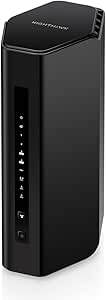 | Best for Power Users Who Need High Speeds and Extensive Coverage | WiFi Standard: WiFi 7 | Speed: 9.3 Gbps | Coverage: 2,500 sq. ft. | VIEW ON AMAZON | See Our Full Breakdown |
| TP-Link BE6500 Dual-Band WiFi 7 Router (BE400) |  | Best for Large Homes and Many Devices on a Budget | Wi-Fi Technology: Wi-Fi 7 | Maximum Bandwidth: 6.5 Gbps | Coverage: Up to 2,400 sq. ft. | VIEW ON AMAZON | See Our Full Breakdown |
| wi fi 7 router | Coverage | Ports |
|---|---|---|
| Deco 7 Pro Tri-Band WiFi 7 BE1 | 7,600 sq.ft. | Four 2.5G WAN/LAN ports, USB 3.0 port |
| NETGEAR Nighthawk WiFi 7 Route | 2,250 sq ft | — |
| ASUS ROG Rapture GT-BE98 Pro W | — | — |
| Deco 7 Dual-Band WiFi 7 Mesh S | Up to 6,600 sq ft | — |
| TP-Link Tri-Band WiFi 7 Router | Up to 2,600 sq ft | 1x 10 Gbps WAN, 3x 2.5 Gbps LAN |
| NETGEAR Nighthawk WiFi 7 Route | Up to 2,000 sq ft | One 2.5 Gig WAN, four 1 Gig Ethernet LAN |
| eero 7 Dual-Band Mesh Wi-Fi 7 | — | 2 auto-sensing 2.5 GbE ports |
| TP-Link Deco 7 Pro BE63 Tri-Ba | 5,800 sq ft | Four 2.5G WAN/LAN ports, USB 3.0 |
| GL.iNet GL-BE9300 Flint 3 Tri- | — | — |
| TP-Link Tri-Band WiFi 7 Router | Variable based on environment | 1x 2.5G WAN, 4x 2.5G LAN |
| TP-Link Dual-Band Wi-Fi 7 Rout | Up to 2,000 sq. ft. | — |
| NETGEAR Nighthawk WiFi 7 Route | 2,500 sq. ft. | — |
| TP-Link BE6500 Dual-Band WiFi | Up to 2,400 sq. ft. | 1x 2.5 Gbps WAN/LAN, 1x 2.5 Gbps LAN, 3x 1 Gbps LAN |
More Details on Our Top Picks
Deco 7 Pro Tri-Band WiFi 7 BE10000 Whole Home Mesh System 6-Stream 10 Gbps
This mesh system is designed for expansive homes, offering coverage up to 7,600 sq. ft. and supporting over 200 devices simultaneously. Its tri-band WiFi 7 delivers speeds up to 5,188 Mbps, far exceeding typical single-unit routers like the NETGEAR Nighthawk RS140, which is more suited for smaller spaces. The inclusion of a 10G WAN/LAN port and AI-driven seamless roaming ensures stable, fast, and hassle-free connectivity across large areas. However, setup can be complex for less tech-savvy users, and it requires a separate modem. Compared to smaller routers, the Deco 7 Pro provides unmatched coverage but might be overkill for apartments or small homes. It’s ideal for large households with multiple smart devices and demanding high-speed needs, but not for those seeking a simple, single-router solution.
Pros:- Extensive coverage up to 7,600 sq. ft.
- Supports over 200 devices with high-speed WiFi 7
- Robust security features and AI-driven roaming
- Multi-gigabit 10G ports for fast wired connections
Cons:- Requires a separate modem for internet access
- Setup complexity may challenge non-technical users
- Performance depends on environmental factors
Best for: Homeowners with large properties needing extensive coverage and high device support
Not ideal for: Urban apartment dwellers or users seeking a straightforward setup without mesh complexity
- Coverage:7,600 sq.ft.
- Number of Devices Supported:200+
- Wi-Fi Speed:up to 5,188 Mbps (6 GHz), 4,324 Mbps (5 GHz), 574 Mbps (2.4 GHz)
- Number of Units:3-pack
- Ports:Four 2.5G WAN/LAN ports, USB 3.0 port
- Wi-Fi Technology:Tri-band Wi-Fi 7
- Backhaul:Wireless and wired support
- Security Features:TP-Link HomeShield, VPN support
Our verdict“This mesh system is best suited for large homes with demanding high-speed needs and multiple devices, despite its complex setup.”
NETGEAR Nighthawk WiFi 7 Router RS140, Up to 2,250 sq ft, 5 Gbps
The NETGEAR Nighthawk RS140 strikes a balance between speed and ease of use, offering up to 5 Gbps for streaming, gaming, and heavy internet use in homes up to 2,250 sq. ft. Its dual-band setup is simpler than the quad-band ASUS Rog Rapture GT-BE98 Pro but still supports multiple devices with MU-MIMO and OFDMA. This makes it suitable for households seeking reliable performance without the complexity of mesh systems like the Deco 7 Pro. However, for larger multi-story homes, coverage might fall short, and speeds can vary based on device compatibility and plan. Its straightforward app management simplifies setup, but security features like NETGEAR Armor require an additional subscription. If you prioritize fast, consistent WiFi in a medium-sized home, this router offers a compelling mix of speed and simplicity, though it’s less suited for very large or multi-level residences.
Pros:- Fast WiFi speeds up to 5 Gbps
- Supports multiple devices with MU-MIMO and OFDMA
- Easy setup and management via app
- Secure with NETGEAR Armor (subscription required)
Cons:- Limited coverage of 2,250 sq. ft. for larger homes
- Speed depends on device compatibility and plan
- Security features require ongoing subscription
Best for: Tech-savvy users in medium-sized homes wanting fast, reliable WiFi without mesh complexity
Not ideal for: Users with very large or multi-story homes needing mesh systems for comprehensive coverage
- WiFi Standard:WiFi 7
- Max Speed:5 Gbps
- Coverage:2,250 sq ft
- Bands:Dual-band
- Ethernet Ports:3 x 1 Gigabit, 1 x 2.5 Gigabit WAN
- Device Capacity:Up to 80 devices
- Security:NETGEAR Armor, Advanced protection
Our verdict“This router is ideal for medium-sized homes needing speedy, reliable WiFi with straightforward management, despite some coverage limitations.”
ASUS ROG Rapture GT-BE98 Pro WiFi 7 Gaming Router – Quad-Band, 30Gbps, Mesh
The ASUS ROG Rapture GT-BE98 Pro caters to gamers and power users, supporting speeds up to 30 Gbps across four bands. Its quad-band configuration, external dual-feeding antennas, and 320MHz channels in the 6 GHz band deliver minimized latency and maximized throughput—crucial for competitive gaming. The multi-link operation and game acceleration features make it stand out compared to simpler routers like the TP-Link Archer BE600. Yet, all this performance comes with a complex setup that might overwhelm non-technical users, and its premium price puts it out of reach for casual users. It’s best suited for those who need ultra-fast, stable connections for gaming and streaming, willing to handle advanced configuration for top-tier performance.
Pros:- Supports speeds up to 30 Gbps across quad-band
- External dual-feeding antennas for enhanced coverage
- Advanced gaming features like multi-link operation
- Multiple high-speed wired ports
Cons:- Complex setup for non-technical users
- Premium price may be prohibitive
- Overkill for typical browsing or streaming needs
Best for: High-end gamers and tech enthusiasts demanding maximum WiFi 7 performance
Not ideal for: Average users or households with simple internet needs who won’t utilize the advanced features
- WiFi Standard:WiFi 7 (802.11be)
- Max Speed:30 Gbps
- Bands:Quad-Band
- Channels:320MHz in 6 GHz band
- MIMO:4096-QAM
- Wired Ports:1x 10G, 4x 2.5G
- Features:Multi-link Operation, Game Acceleration
Our verdict“This router is perfect for gamers and high-performance users who prioritize speed and stability above all else, accepting a complicated setup and high cost.”
Deco 7 Dual-Band WiFi 7 Mesh System (BE5000), 4-Stream, 5 Gbps
The Deco 7 Mesh System offers reliable WiFi 7 coverage over a large area, supporting up to 150 devices across 6,600 sq. ft. with speeds up to 5 Gbps. Its dual-band configuration simplifies setup compared to tri-band mesh systems like the Deco 7 Pro, making it more accessible for users who prefer straightforward installation. Its AI-driven roaming and mesh capabilities ensure seamless connectivity for streaming and gaming. However, it’s not ideal for very large or multi-story homes where more extensive coverage might be needed. The performance can also vary depending on environmental factors, and advanced features may be overwhelming for casual users. Still, for those seeking a balance between coverage, ease, and speed, this is a solid choice.
Pros:- Supports up to 150 devices with WiFi 7
- Large coverage area of 6,600 sq. ft.
- Seamless mesh with AI-Roaming
- Simple setup via Deco App
Cons:- Requires a separate modem
- Performance may vary with environmental obstacles
- Advanced features might be complex for some users
Best for: Homeowners wanting easy-to-set-up, reliable WiFi in medium to large homes
Not ideal for: Users with very large or multi-level properties that require extensive mesh nodes for full coverage
- WiFi Standard:WiFi 7
- Speed:5 Gbps
- Coverage:Up to 6,600 sq ft
- Number of Devices Supported:Over 150
- Backhaul:Wi-Fi 7 and 2.5G Ethernet
- Security:TP-Link HomeShield
Our verdict“This mesh system offers a balanced mix of coverage and ease for users seeking reliable WiFi in substantial homes, despite some environmental limitations.”
TP-Link Tri-Band WiFi 7 Router (Archer BE600)
The TP-Link Archer BE600 combines tri-band WiFi 7 with multiple multi-gig ports, supporting speeds up to 5,765 Mbps and covering up to 2,600 sq. ft. making it suitable for large homes. Its tri-band setup offers better performance stability compared to dual-band routers like the NETGEAR RS140. The six antennas with Beamforming enhance coverage and signal directionality, making it a good choice for homes with many wired and wireless devices. The setup is straightforward via the Tether app or web interface, but its price is higher relative to standard routers, and optimal performance depends on having compatible WiFi 7 devices. If your home demands both wired and wireless high-speed connections in a large space, this router offers a strong balance of speed and coverage, though it might be overkill for smaller households.
Pros:- Supports speeds up to 5,765 Mbps
- Excellent coverage with 6 antennas and Beamforming
- Multiple multi-gig ports for wired devices
- Easy setup with app or web interface
Cons:- Complex setup for non-technical users
- Premium price point
- Requires compatible WiFi 7 devices for maximum speed
Best for: Large households with high-speed, reliable wired and wireless needs
Not ideal for: Users with small apartments or those not utilizing wired connections extensively
- WiFi Technology:WiFi 7
- Maximum Speed:5,765 Mbps
- Coverage:Up to 2,600 sq ft
- Ports:1x 10 Gbps WAN, 3x 2.5 Gbps LAN
- Antennas:6 with Beamforming
- Setup:Tether app or web interface
Our verdict“This router fits large homes with heavy wired and wireless demands, despite its higher cost and setup complexity.”
NETGEAR Nighthawk WiFi 7 Router RS90, Up to 2,000 sq ft, 3.6 Gbps
The NETGEAR Nighthawk RS90 stands out for its combination of high speed, broad coverage, and device support, making it ideal for large households with many smart devices. Compared with the eero 7, it offers more extensive wired options and a higher device capacity, though it relies on a subscription for full security features. Its 3.6 Gbps max speed and coverage of up to 2,000 sq ft make it a solid choice for demanding streaming and gaming needs. However, real-world speeds depend heavily on device compatibility, and larger homes might need additional mesh units. The security suite, NETGEAR Armor, adds value but requires a subscription for full features. This model is best suited for tech-savvy homeowners who want a powerful, network-ready solution without multiple units for coverage.
Pros:- Fast WiFi speeds with WiFi 7 technology
- Wide coverage suitable for large homes
- Supports up to 50 devices simultaneously
- Easy management via the Nighthawk app
Cons:- Real-world speeds depend on device compatibility
- Larger homes may require additional mesh units
- NETGEAR Armor subscription needed for full security
Best for: Large households needing reliable, fast WiFi with multiple wired and wireless connections
Not ideal for: Small apartments or users seeking a simple, plug-and-play setup without subscription fees
- WiFi Standard:WiFi 7
- Max Speed:3.6 Gbps
- Coverage:Up to 2,000 sq ft
- Device Capacity:Up to 50 devices
- Ports:One 2.5 Gig WAN, four 1 Gig Ethernet LAN
- Compatibility:Works with most cable, fiber, DSL, and satellite providers
Our verdict“This router offers robust performance for large homes with many devices but requires some technical familiarity and additional investment for security features.”
eero 7 Dual-Band Mesh Wi-Fi 7 Router – Supports Internet Plans Up to 2.5 Gbps, Coverage Up to 2,000 sq. ft., 1-Pack
The eero 7 offers a straightforward, expandable mesh WiFi 7 setup designed for users who prioritize ease of use and reliable coverage. It supports internet speeds up to 2.5 Gbps and can cover up to 2,000 sq ft with a single unit, making it a practical upgrade from older eero models or a good starting point for new setups. Unlike the NETGEAR RS90, it emphasizes simplicity and seamless expansion over raw speed or device capacity, supporting over 120 devices with minimal fuss. Its dual-band design may limit peak speeds compared to tri-band options like the TP-Link Deco 7 Pro, but its plug-and-play approach suits less technical users. The need for a compatible internet plan and possibly multiple units for larger spaces is a consideration. This pick is best for those seeking a clean, expandable mesh network without complex configurations.
Pros:- Supports internet plans up to 2.5 Gbps
- Easy to set up and expand with additional units
- Excellent coverage up to 2,000 sq ft from a single device
- Supports over 120 devices
Cons:- Requires compatible internet plan for full speed
- Limited to 1-pack, may need multiple units for larger homes
- Dual-band design can limit peak speed
Best for: Homeowners wanting an easy, expandable mesh system for reliable coverage with minimal setup
Not ideal for: Power users or gamers who need ultra-fast, high-capacity networks for multiple devices simultaneously
- Connectivity:Dual-band Wi-Fi 7
- Max Internet Speed:Up to 2.5 Gbps
- Coverage Area:Up to 2,000 sq ft
- Device Support:120+ devices
- Ports:2 auto-sensing 2.5 GbE ports
- Warranty:3 years
Our verdict“This router excels in easy expansion and reliable coverage, making it ideal for users who prefer simplicity over maximum raw speed.”
TP-Link Deco 7 Pro BE63 Tri-Band WiFi 7 Mesh System
The TP-Link Deco 7 Pro BE63 is designed for large homes needing extensive coverage and fast speeds. Its tri-band WiFi 7 support provides up to 5,188 Mbps on the 6 GHz band, making it suitable for high-bandwidth activities like 4K streaming and gaming. Compared to the eero 7, it offers more robust hardware features like a 10G WAN/LAN port and support for over 200 devices, making it more future-proof. The setup via the Deco app is straightforward, and its mesh capabilities ensure seamless roaming throughout large spaces. However, it requires a separate modem, and performance can vary based on environment and device placement. This system is ideal for tech-savvy users who want a reliable, high-speed mesh network with extensive coverage.
Pros:- Extensive coverage up to 5,800 sq ft
- Supports over 200 devices simultaneously
- Supports WiFi 7 speeds for demanding applications
- Future-proof with 10G WAN/LAN ports
Cons:- Requires a separate modem for internet access
- Performance varies depending on environment
- Higher price point than single-unit options
Best for: Large households or small businesses needing extensive, high-speed WiFi coverage with multiple devices
Not ideal for: Users with small apartments or those seeking a budget-friendly, basic setup
- Coverage:5,800 sq ft
- Number of Devices Supported:over 200
- WiFi Speed:up to 5,188 Mbps
- Ports:Four 2.5G WAN/LAN ports, USB 3.0
- WiFi Technology:Tri-Band WiFi 7
- Mesh Coverage:Supports multiple Deco units
Our verdict“This mesh system provides expansive, high-speed WiFi coverage suitable for large spaces and demanding users who value future-ready hardware.”
GL.iNet GL-BE9300 Flint 3 Tri-Band Wi-Fi 7 Router
The GL.iNet GL-BE9300 Flint 3 delivers ultra-fast speeds up to 9 Gbps with tri-band WiFi 7, making it perfect for gaming, streaming, and security-conscious setups. Its support for multiple VPN protocols and detailed security features cater to tech-savvy users who want control over their network. Compared with the TP-Link Deco 7 Pro, it offers more advanced security options and VPN capabilities, though it’s more complex to set up and configure. Its extensive coverage of 2,000 sq ft and support for over 100 devices make it suitable for smart homes and small offices. The firmware may need updates for optimal performance, which could be a hurdle for non-technical users. This router suits those who require cutting-edge speeds combined with high security and customization options.
Pros:- Ultra-fast Wi-Fi 7 speeds up to 9 Gbps
- Supports multiple VPN protocols and high security
- Reliable coverage up to 2,000 sq ft
- Connects over a hundred devices
Cons:- Setup may require firmware updates for best performance
- Features can be overwhelming for non-technical users
- Complex configuration process
Best for: Tech-savvy users, gamers, or small business owners needing ultra-fast speeds and advanced security
Not ideal for: Casual users or those unfamiliar with network configurations who prefer plug-and-play simplicity
- Wi-Fi Standard:Wi-Fi 7
- Maximum Speed:9 Gbps
- Coverage Area:2000 sq ft
- Number of Ports:5
- Security Protocols:wpa2-psk, wpa3, wpa2-enterprise
- Antenna Count:4
Our verdict“This router is best suited for high-demand environments where speed, security, and customization are priorities.”
TP-Link Tri-Band WiFi 7 Router (Archer BE550)
The TP-Link Archer BE550 offers impressive speeds up to 5760 Mbps across its tri-band setup, making it an excellent choice for high-bandwidth activities like gaming and 4K streaming. Its EasyMesh support ensures seamless whole-home coverage, while multiple 2.5G ports future-proof wired connections. Compared with the eero 7, it provides more advanced networking features and higher speeds, though it may be more complex to set up for less tech-savvy users. Its user-friendly Tether app simplifies initial configuration, but some features require familiarity with networking concepts. This router is ideal for households that want top-tier WiFi performance combined with flexible, expandable coverage.
Pros:- High throughput speeds up to 5760 Mbps
- Seamless coverage with EasyMesh
- Multiple 2.5G ports for future-proof wired connectivity
- User-friendly setup with the Tether app
Cons:- Requires a modem for internet connection
- Advanced features may overwhelm non-technical users
- Setup could involve firmware updates
Best for: Tech-savvy gamers or streamers seeking maximum WiFi speeds and flexible coverage options
Not ideal for: Casual users or those preferring a simple setup without advanced features
- WiFi Bands:Tri-Band
- Max Speed:5760 Mbps
- Ports:1x 2.5G WAN, 4x 2.5G LAN
- Coverage:Variable based on environment
- Security:WPA3, HomeShield
- Setup:Tether App
Our verdict“This router suits power users who need high-speed, flexible coverage with advanced networking options, accepting a steeper learning curve.”
TP-Link Dual-Band Wi-Fi 7 Router, Archer BE3600
The TP-Link Archer BE3600 stands out for delivering solid Wi-Fi 7 performance at a more affordable price than tri-band options like the NETGEAR Nighthawk. Its dual-band setup supports high speeds—up to 2.9 Gbps combined—and covers up to 2,000 sq. ft., making it suitable for typical households. However, it lacks the 6 GHz band that offers less interference and higher speeds in crowded environments, which the NETGEAR provides. While easy to set up via the Tether App and compatible with smart home devices, it requires a separate modem and may experience performance drops with many obstacles. Ideal for small to medium homes that prioritize cost and simplicity over cutting-edge multi-band performance.
Pros:- Supports the latest Wi-Fi 7 technology for faster speeds and increased device capacity
- Extensive coverage suitable for up to 60 devices
- Easy setup and management through the Tether App
- Built-in security features and smart home compatibility
Cons:- Dual-band routers do not support 6 GHz band, limiting future-proofing
- Performance can vary based on obstacles and environment
- Requires a separate modem for internet connection
Best for: Budget-conscious families or individuals who want fast Wi-Fi 7 with straightforward setup and basic smart home integration.
Not ideal for: Large households or tech enthusiasts who need the lowest latency and multi-gigabit speeds in crowded environments, or those wanting Wi-Fi 6E’s 6 GHz band support.
- Wi-Fi Technology:Wi-Fi 7
- Speed (5 GHz):2882 Mbps
- Speed (2.4 GHz):688 Mbps
- Coverage:Up to 2,000 sq. ft.
- Antennas:4 internal antennas with beamforming
- Processor:Next-gen 2.0 GHz quad-core
- Compatibility:Works with EasyMesh, Alexa, Google Assistant
- Security:TP-Link HomeShield, parental controls
Our verdict“A well-rounded choice for users seeking reliable Wi-Fi 7 with decent coverage on a budget.”
NETGEAR Nighthawk WiFi 7 Router, Up to 2,500 sq ft, 9.3 Gbps
The NETGEAR Nighthawk WiFi 7 Router offers remarkable tri-band performance, supporting speeds up to 9.3 Gbps across a coverage area of 2,500 sq. ft. It supports up to 100 devices simultaneously, making it ideal for busy households or small offices. Its multi-gig Ethernet ports add flexibility for wired connectivity, outperforming dual-band models like the TP-Link BE6500 in speed and device capacity. However, it requires a separate modem or gateway, and its security trial is limited to 30 days, necessitating a subscription afterward. Its larger footprint and higher price point may be a drawback for users with limited space or budgets. Best suited for tech-savvy users demanding maximum speed, device support, and wired options.
Pros:- Exceptional tri-band Wi-Fi 7 speeds up to 9.3 Gbps
- Supports up to 100 devices concurrently
- Multi-gig Ethernet ports for fast wired connections
- Wide coverage area of 2,500 sq. ft.
Cons:- Requires a separate modem or gateway for internet access
- Higher cost and larger size may not suit all spaces
- Security trial limited to 30 days, then subscription needed
Best for: Power users, gamers, or small offices needing high throughput and extensive coverage with multiple wired options.
Not ideal for: Casual users or those with small apartments who don’t require ultra-high speeds or extensive device support, or who prefer integrated modem/router solutions.
- WiFi Standard:WiFi 7
- Speed:9.3 Gbps
- Coverage:2,500 sq. ft.
- Supported Devices:up to 100
- Bands:Tri-band (2.4 GHz, 5 GHz, 6 GHz)
- Ethernet Ports:2x 2.5 Gig, 2x 1 Gig
- Processor:Quad-core 2.0 GHz
- Security:NETGEAR Armor (30-day trial)
Our verdict“A top-tier choice for demanding households or small businesses that need maximum speed and device handling capability.”
TP-Link BE6500 Dual-Band WiFi 7 Router (BE400)
The TP-Link BE6500 delivers strong Wi-Fi 7 features in a dual-band setup, supporting up to 90 devices and covering approximately 2,400 sq. ft. This makes it a good fit for large homes with multiple smart devices, especially since it’s more affordable than tri-band models like the NETGEAR Nighthawk. Its multi-link operation and beamforming help maintain stable connections, but it doesn’t support the 6 GHz band, limiting its performance in heavily congested areas. The setup via Tether App is quick, and security features are robust, but it requires a separate modem and offers less detailed device compatibility info. Ideal for users who need reliable coverage and device support without the highest speeds or mesh compatibility.
Pros:- Supports Wi-Fi 7 for fast, reliable connections
- Wide coverage suitable for large homes
- Easy setup via Tether App
- Advanced security features with HomeShield
Cons:- Not compatible with mesh systems like Deco
- Requires a separate modem for internet access
- Limited detailed device compatibility information
Best for: Large household users on a budget who want extensive coverage and support multiple devices without needing tri-band speeds.
Not ideal for: Gamers or heavy streamers seeking ultra-fast speeds or low latency, or those wanting mesh system compatibility.
- Wi-Fi Technology:Wi-Fi 7
- Maximum Bandwidth:6.5 Gbps
- Coverage:Up to 2,400 sq. ft.
- Number of Devices:up to 90
- Wi-Fi Bands:Dual-band (2.4 GHz, 5 GHz)
- Ports:1x 2.5 Gbps WAN/LAN, 1x 2.5 Gbps LAN, 3x 1 Gbps LAN
- Security:HomeShield
- Setup:Tether App
Our verdict“A practical choice for large homes needing broad coverage and device support on a budget, with moderate speeds.”
How We Picked
These Wi Fi 7 routers were selected based on a combination of performance metrics, usability, build quality, and value. We evaluated each model’s maximum throughput, real-world coverage, ease of setup, and software features. Our ranking emphasizes the balance between speed, range, and price, aiming to help different types of users—from casual homeowners to tech enthusiasts—find the best fit. We also considered the latest Wi Fi 7 innovations and how well each router leverages these advances to improve connectivity. Ultimately, the list reflects models that stand out for their reliability, feature set, and overall value in 2026.Factors to Consider When Choosing Wi Fi 7 Routers
Choosing the right Wi Fi 7 router involves more than just looking at raw speeds. To get the best experience, consider factors like coverage area, device compatibility, and future-proofing features. A well-chosen router can improve your network’s stability, security, and ease of use, but selecting the wrong one may mean frequent upgrades or dead zones. Here are key considerations to keep in mind before making your purchase.Coverage Area and Size of Your Home
Understanding your home’s size and layout is crucial. Larger homes or those with multiple floors benefit from mesh systems or routers with extensive range. Failing to match your router’s coverage with your space can lead to dead zones or weak signals, especially with high-bandwidth devices. Consider models that specify coverage in square footage and look for mesh support if you need broad, seamless coverage.
Speed Requirements and Device Compatibility
Your internet plan and the number of connected devices determine how much speed you need. Wi Fi 7 routers support multi-gig speeds, but only if your ISP and devices can match these speeds. For households with many devices or smart home gadgets, prioritize routers with higher throughput and multiple bands. Avoid overpaying for ultra-high speeds if your internet plan or devices cannot leverage them.
Future-Proofing with Advanced Features
Look for routers that support the latest Wi Fi 7 features, such as multi-gig ports, OFDMA, and MU-MIMO, which improve efficiency with multiple devices. Some models include gaming optimization, security enhancements, or integrated mesh capabilities. Investing in future-proof features can extend your router’s relevance, but they often come with higher costs. Balance your current needs with potential future demands to avoid premature upgrades.
Ease of Setup and Use
An intuitive setup process and user-friendly app can save significant time and frustration. Some routers offer guided setup, detailed management options, and automatic updates. If you’re less tech-savvy, prioritize models with straightforward interfaces and robust customer support. Remember, a complex router with advanced features may require ongoing management, which could be a hassle for casual users.
Price and Overall Value
High prices often correlate with advanced features and top-tier performance, but not always. Set a budget based on your actual needs and compare what each model offers within that range. Consider long-term value—sometimes paying more upfront results in better longevity and fewer upgrades. Beware of models that oversell features you won’t use, and look for balanced options that deliver reliable performance at a fair price.
Frequently Asked Questions
Do I need a Wi Fi 7 router if I already have a Wi Fi 6 setup?
Upgrading to a Wi Fi 7 router makes sense if you want faster speeds, lower latency, and better device management, especially as more gadgets become Wi Fi 7 compatible. However, your current internet plan and devices must support Wi Fi 7 to see these benefits. If your devices are still on Wi Fi 6 or older standards, upgrading may not provide immediate noticeable improvements, but it can future-proof your network for upcoming devices and services.
Can I use a Wi Fi 7 router with my existing internet plan?
Most Wi Fi 7 routers are backward compatible with previous Wi Fi standards, so they should work with your current internet plan. Still, to get the maximum speeds and features, ensure your internet service provider supports high-speed plans that match the router’s capabilities. If your plan is limited in bandwidth, investing in a high-end router might not deliver noticeable performance gains. Check your plan’s speed and consider whether a more advanced router is worth the investment.
Are mesh Wi Fi 7 systems better than traditional routers?
Mesh systems excel in providing seamless coverage across large or multi-story homes, often outperforming traditional single-unit routers in these environments. They are designed to eliminate dead zones and ensure consistent connection strength. However, they tend to be more expensive and require more setup effort. If your home is small or your coverage needs are modest, a high-quality single-router setup might be more cost-effective and simpler to manage.
What features should I prioritize in a Wi Fi 7 router for gaming?
For gaming, look for routers with low latency, support for OFDMA and MU-MIMO, and prioritization features that allocate bandwidth to gaming devices. A quad-band or tri-band setup can help manage multiple devices without lag. Additionally, routers with quality of service (QoS) settings allow you to prioritize gaming traffic over other activities. While these features can significantly improve gaming performance, they often come with higher costs and complexity, so assess your gaming needs carefully.
Is Wi Fi 7 worth investing in now, or should I wait?
Wi Fi 7 is rapidly becoming mainstream, especially for households with multiple high-bandwidth devices and smart home setups. If your current network struggles with speed or coverage, upgrading now can deliver immediate improvements. Waiting might save money initially, but as Wi Fi 7 devices become more common and prices decrease, early adoption can provide a performance edge and better prepare you for future technology. Evaluate your current needs and how soon you plan to upgrade your connected devices.
Conclusion
For most users, the Deco 7 Pro Tri-Band WiFi 7 BE10000 offers the best overall blend of coverage, speed, and future-proofing, making it ideal for large households and tech enthusiasts. Budget-conscious buyers should consider the TP-Link Archer BE550 or NETGEAR RS90, which deliver solid performance without breaking the bank. Gamers and power users who prioritize low latency and advanced features will find the ASUS ROG Rapture GT-BE98 Pro worth the investment, despite its higher price. Beginners or those with smaller homes might prefer simpler, more affordable models like the eero 7 Mesh Router or the TP-Link BE400. Matching your specific needs with the right features ensures a smoother, faster, and more reliable Wi Fi 7 experience in 2026.
Halloween Picks
halloween
As an affiliate, we earn on qualifying purchases.