
🔍 Read the full analysis: Best Studio Condenser Microphones For AI In 2026: Our Expert Choices on ThorstenMeyerAI.com
TL;DR
In 2026, the top studio condenser microphones for AI voice and audio work include the RØDE NT1 Signature as the overall leader, with options like Audio-Technica AT2020 offering value. Connectivity, build quality, and sound performance are key factors shaping choices.
In 2026, the RØDE NT1 Signature has been identified as the top studio condenser microphone for AI voice and audio applications, thanks to its exceptional sound quality and durability, according to industry experts. This development reflects ongoing advancements in microphone technology tailored for AI training, voice synthesis, and professional audio processing, making it essential for content creators, AI developers, and audio professionals.
The RØDE NT1 Signature stands out as the best overall choice for AI-related studio work, offering a flat frequency response, low self-noise, and top microphone quality. Its popularity is driven by its high-fidelity sound reproduction, which is crucial for training accurate AI models and producing clear voice recordings. The Audio-Technica AT2020 remains a favorite among budget-conscious users, providing reliable performance at a lower price point, making it accessible for home studios and beginners.
Meanwhile, the RØDE NT1 5th Gen has gained attention for its added USB-C connectivity, catering to modern setups that favor direct digital connection. However, this model commands a higher price, reflecting its advanced features and convenience. The choice between XLR and USB models continues to influence purchasing decisions, with XLR microphones generally offering superior audio fidelity and expandability, while USB options emphasize ease of use and quick setup.
Manufacturers emphasize that build quality and included accessories like shock mounts and pop filters can significantly impact long-term usability, as detailed in the original analysis. Price correlates with features; premium models often include multiple pickup patterns and noise rejection capabilities, whereas more affordable options still provide impressive results for basic recording needs.
The 10 picks
- 1
 RØDE NT1 5th Gen Studio Condenser Microphone, XLR + USB-C, SilverView on Amazon →
 - 2
 RØDE NT1 Signature Series Studio Condenser Microphone, BlackView on Amazon →
 - 3
 Audio-Technica AT2020 Cardioid Condenser Studio XLR Microphone, BlackView on Amazon →
 - 4
 AKG Pro Audio P120 – Affordable 2/3-Inch Diaphragm Condenser Microphone for C…View on Amazon →
 - 5
 Melon Audio MA-87 Studio Condenser Microphone with AccessoriesView on Amazon →
 - 6
 MAONO A04 Gen2 XLR/USB Condenser Microphone Kit for PC Podcast RecordingView on Amazon →
 - 7
 Maono PM320S Condenser PC Microphone with XLR Cable, Boom Arm, Pop FilterView on Amazon →
 - 8
 Mackie EM-Series Large-Diaphragm Condenser Microphone (EM-91C)View on Amazon →
 - 9
 FIFINE T669 Studio Condenser USB Microphone for Recording and PodcastingView on Amazon →
 - 10
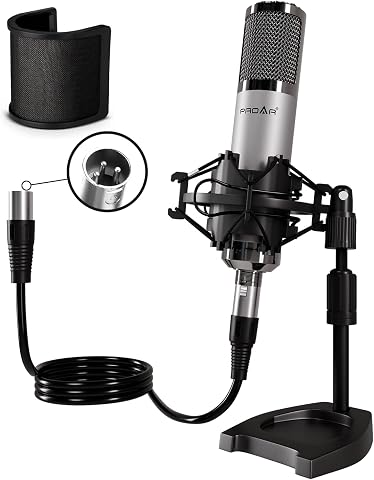 XLR Condenser Microphone with Desktop Stand for Vocals and PodcastingView on Amazon →
Why High-Quality Microphones Matter for AI Applications
Choosing the right studio condenser microphone is critical for AI voice and audio projects because sound quality directly impacts the accuracy of AI training and output. High-fidelity microphones like the RØDE NT1 Signature enable clearer data collection, reducing errors in speech recognition and synthesis. As AI applications become more prevalent in media, entertainment, and communication, having reliable, professional-grade microphones ensures that AI models are trained on the most accurate and natural-sounding data available. This development underscores the importance of investing in quality audio equipment for AI-focused workflows.
2026 Microphone Market Trends and Innovations
Over the past few years, microphone technology has evolved to better serve AI and machine learning needs, emphasizing lower self-noise, wider frequency responses, and digital connectivity options. The market has seen increased demand for microphones that can seamlessly integrate into digital workflows, with models like the RØDE NT1 5th Gen introducing USB-C as a standard feature. The shift toward more accessible, high-quality audio hardware has expanded the ecosystem for AI developers and content creators, enabling more precise voice data collection and training.
Previously, professional studios relied heavily on XLR microphones, but recent innovations have made USB microphones more competitive, especially for remote work, home studios, and on-the-go AI data collection. The ongoing development of durable, feature-rich microphones reflects a broader trend toward democratizing high-quality audio production for AI applications.
“The RØDE NT1 Signature sets a new standard for AI-focused studio microphones, combining pristine sound with durability essential for rigorous data collection.”
— Thorsten Meyer, AI Audio Expert
Remaining Questions About Future Microphone Developments
While the current top models are well-established, it is still unclear how emerging technologies like AI-optimized microphones with integrated noise-canceling and adaptive sound features will influence the market. The long-term durability and performance of new digital connectivity options, such as USB-C, in professional AI workflows are also still being evaluated. Additionally, the impact of upcoming standards and interoperability between different hardware and AI platforms remains uncertain as manufacturers innovate rapidly.
Upcoming Innovations and Market Shifts in 2026
Manufacturers are expected to release next-generation microphones with enhanced AI integration, including built-in processing and smarter noise rejection. Industry experts anticipate increased adoption of multi-pattern microphones with digital interfaces tailored for AI data collection, alongside continued improvements in build quality and affordability. Further, the integration of wireless and remote-controlled microphones may expand, offering more flexibility for AI training in diverse environments. Monitoring these developments will be key for professionals aiming to stay at the forefront of AI audio technology.
Key Questions
Do I need a special microphone for AI voice applications?
While not strictly necessary, high-quality condenser microphones like the RØDE NT1 Signature provide clearer, more accurate recordings, which are essential for effective AI training and voice synthesis. The choice depends on your specific needs and budget.
Are USB microphones suitable for professional AI projects?
Yes, especially models like the RØDE NT1 5th Gen with USB-C, which offer convenience and sufficient quality for many AI applications. However, XLR microphones paired with audio interfaces generally deliver higher fidelity for demanding tasks.
Will future microphones eliminate background noise automatically?
Many upcoming models will incorporate advanced noise-canceling features tailored for AI data collection, but it remains to be seen how effectively they will perform across different environments. Ongoing innovations are expected to improve this capability significantly.
How much should I expect to spend on a professional AI-ready microphone?
Entry-level models like the Audio-Technica AT2020 can cost under $100, while premium options such as the RØDE NT1 Signature are typically priced around $300–$400. Additional costs for accessories and interfaces should be factored into your budget.
Source: ThorstenMeyerAI.com