
If you’re busy, a quick 10-minute cyber hygiene routine can keep your online life secure and save you trouble later. Start by updating your software, checking privacy settings, and scanning for threats. Use a password manager and enable two-factor authentication for added protection. Staying consistent with these simple steps prevents cyber threats and keeps your devices safe. Keep going, and you’ll find easy tips to build this habit into your busy schedule.
Listen free for 30 days with Audible
Thousands of audiobooks and originals — cancel anytime.
As an affiliate, we earn on qualifying purchases.
Key Takeaways
- Dedicate 10 minutes daily to review privacy settings and spot suspicious emails or links.
- Enable automatic updates and strong passwords to patch vulnerabilities quickly.
- Use a password manager and two-factor authentication to enhance account security efficiently.
- Remove unused software and check connected devices regularly for comprehensive protection.
- Reinforce habits with reminders and stay informed on emerging cyber threats to maintain long-term hygiene.
password manager for cybersecurity
As an affiliate, we earn on qualifying purchases.
As an affiliate, we earn on qualifying purchases.
Why Busy People Need a Simple Cyber Hygiene Routine

If you’re constantly juggling multiple responsibilities, it’s easy to overlook your online security. Cyber threats like email scams can sneak in when you’re distracted, risking your personal information. A simple routine helps you stay alert and protected without adding stress. Social media privacy is also vital; sharing too much or ignoring privacy settings can expose you to identity theft or targeted scams. With a quick daily check, you can spot suspicious emails and tighten your social media privacy controls. Developing this routine keeps you proactive, saving you from major issues later. Even with a busy schedule, dedicating just a few minutes ensures your online presence remains secure and your personal data stays safe. Regularly reviewing your privacy settings can further enhance your online security and prevent unauthorized access. Incorporating basic cyber hygiene practices into your routine can significantly reduce the risk of cyberattacks and data breaches. Additionally, understanding and recognizing spiritual awakening signals, such as heightened intuition during your routine checks, can help you stay aware of subtle online threats and opportunities for growth. Staying informed about media literacy helps you differentiate between trustworthy information and misinformation, strengthening your overall digital resilience.
two-factor authentication device
As an affiliate, we earn on qualifying purchases.
As an affiliate, we earn on qualifying purchases.
Key Steps to Protect Your Devices in Just Minutes

Protecting your devices doesn’t have to take hours; with just a few quick steps, you can substantially improve your security. Start by updating your software regularly to patch vulnerabilities. Strengthen your password security by creating unique, strong passwords for each account. Stay alert to phishing awareness—be cautious of suspicious links and emails asking for personal info. Regular security updates are essential to stay ahead of emerging threats. Additionally, being aware of upfitting fundamentals can sometimes boost your confidence, which indirectly improves your overall digital security habits. Understanding best anime movies can also provide a refreshing break that reduces stress and keeps you alert to online scams. Remember that understanding the importance of affiliate disclosure helps you make more informed choices about the products and services you use. Here are key steps to quickly enhance your device protection:
- Enable automatic software updates
- Use strong, unique passwords for every account
- Recognize and avoid phishing scams
As an affiliate, we earn on qualifying purchases.
How to Use Password Managers and Two-Factor Authentication Effectively
Using password managers and two-factor authentication (2FA) can substantially boost your online security with minimal effort. A password manager securely stores your passwords, so you don’t have to remember them all, enhancing password security. When setting up accounts, use a strong, unique password generated by the manager. For two factor setup, enable 2FA wherever possible, typically through an app or text message, to add an extra layer of protection. This makes it harder for hackers to access your accounts even if your password is compromised. Regularly update your master password and review your 2FA settings to ensure they remain secure. Incorporating ethical online practices into your routine helps protect your personal information and supports responsible digital behavior. Additionally, understanding the importance of cyber hygiene can help you recognize potential threats before they become serious issues. Developing security awareness can further enhance your ability to identify and respond to suspicious activity. Implementing consistent security protocols ensures your defenses stay robust over time. Practicing regular updates to your security tools and habits further reinforces your protection. By integrating these tools into your routine, you create a strong, easy-to-maintain barrier against cyber threats.
cybersecurity privacy settings checklist
As an affiliate, we earn on qualifying purchases.
As an affiliate, we earn on qualifying purchases.
Quick Ways to Keep Your Software Up to Date and Secure
Keeping your software up to date is one of the simplest and most effective ways to stay secure online. Regular software updates patch security flaws and fix bugs that cybercriminals could exploit. To keep things quick and easy, consider these quick security tips:
Regularly updating your software helps patch security flaws and protect against cyber threats.
- Enable automatic updates for your operating system and apps so you don’t have to remember to do it manually.
- Check for updates at least once a week to stay current with the latest security patches.
- Remove or disable software you no longer use, reducing potential vulnerabilities.
- Being aware of home theater projectors and their features can also help you recognize potential security or compatibility issues with connected devices. Additionally, understanding software vulnerabilities can help you prioritize updates that protect your system from the most common threats.
- Regularly reviewing your connected devices and their security settings can further enhance your overall cyber hygiene, including awareness of network security practices to safeguard your entire digital environment.
- Staying informed about emerging cyber threats enables proactive defenses to better protect your data and privacy.
Maintaining Your Cyber Hygiene Habit for Long-Term Security
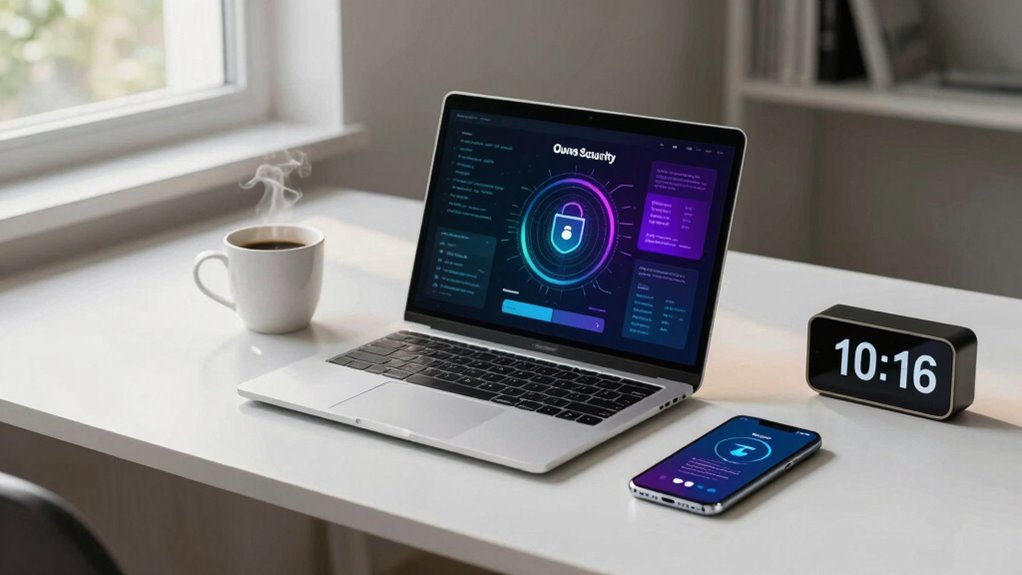
Building a strong cyber hygiene routine requires consistent effort over time, rather than relying on occasional security measures. To sustain your habits, focus on behavior consistency; performing your routine daily makes it second nature. Reinforcing these habits helps prevent complacency and keeps security top of mind. Set reminders or link cyber hygiene tasks to existing routines, like brushing your teeth or starting your workday. Celebrate small wins to reinforce positive behavior and stay motivated. Over time, these small, consistent actions become automatic, reducing the risk of lapses that could compromise your security. Remember, long-term security isn’t about one-time fixes but about embedding good practices into your daily life through habit reinforcement. Staying aware of evolving threats cyber threat awareness ensures your routines remain effective and relevant. Incorporating regular security checks into your routine can help identify vulnerabilities early and adapt to new cyber risks. Additionally, educating yourself about cyber attack methods can help you recognize potential threats before they impact your data. Practicing cyber hygiene consistently enhances your resilience against emerging cyber threats, making your defenses more robust over time. Stay committed, and your cybersecurity defenses will become stronger naturally.
Frequently Asked Questions
How Often Should I Review My Cybersecurity Practices?
You should review your cybersecurity practices at least once a month. During this time, update your password management by changing weak passwords and enabling two-factor authentication. Make sure to install software updates promptly, as they patch security vulnerabilities. Regular reviews keep your defenses strong, prevent breaches, and guarantee your devices and accounts stay secure. Staying proactive helps you avoid potential cyber threats and maintain peace of mind.
What Are Common Cyber Hygiene Mistakes Busy People Make?
You often neglect password management and skip regular software updates. This makes you vulnerable to hacking and malware. You might reuse passwords across sites or use weak ones, and delay installing updates that patch security flaws. To stay protected, prioritize strong, unique passwords and set automatic updates. Spending just a few minutes on these habits daily can markedly boost your cybersecurity and save you headaches later.
Can Small Daily Habits Significantly Improve My Online Safety?
Absolutely, small daily habits can dramatically boost your online safety—think of them as your digital armor! By consistently practicing good password management and secure browsing, you’re protecting yourself from the biggest cyber threats. These tiny, quick actions prevent hackers from breaking in and save you from costly, stressful breaches later. Just a few moments each day make a huge difference, turning your routine into an impenetrable shield.
How Do I Quickly Identify Phishing Attempts?
To quickly identify phishing attempts, look for common phishing indicators like suspicious sender addresses, unexpected attachments, or urgent language urging immediate action. Always verify the email sender’s address carefully, checking for slight misspellings or unfamiliar domains. Use email verification tools or hover over links to see where they lead before clicking. Staying alert to these signs helps you spot and avoid phishing scams effectively.
What Tools Can Help Automate My Cyber Hygiene Routine?
You can automate your cyber hygiene routine with tools like password managers, which securely generate and store strong passwords, reducing manual effort. Automated backups guarantee your data stays safe without you needing to remember to do it regularly. These tools save you time and protect you from cyber threats, making your routine more efficient and less stressful. Incorporate them into your daily habits for ongoing cyber safety.
Conclusion
By dedicating just 10 minutes a day, you markedly reduce your risk of cyber threats—did you know that 94% of malware is delivered via email? Staying consistent with simple routines like updating software, using strong passwords, and enabling two-factor authentication can save you from costly breaches down the line. Make cyber hygiene a daily habit, and you’ll protect your devices and personal info effortlessly, giving you peace of mind in today’s digital world.
NFL season / tailgating Picks
team gear
As an affiliate, we earn on qualifying purchases.