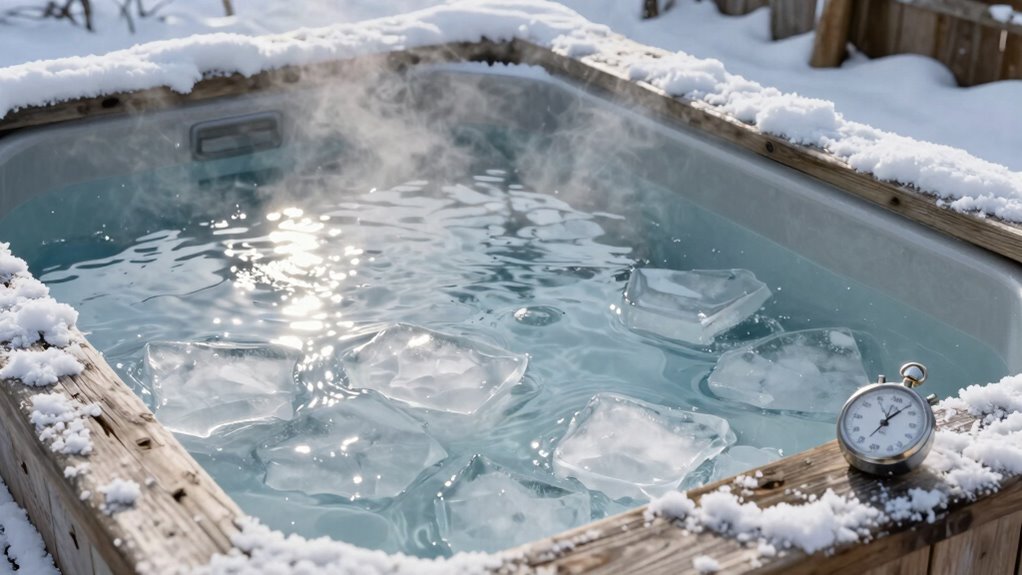

For safe cold plunging, aim for water temperatures between 50°F and 60°F (10°C to 15.5°C), especially if you’re starting out. Keep your immersion time between 1 to 3 minutes, or just 30 seconds to 1 minute if you’re a beginner, and always listen to your body. Never go alone—have safety gear nearby and exit immediately if you experience numbness or dizziness. Staying informed about these basics can help you enjoy the benefits safely; learn more to optimize your practice.
Key Takeaways
- Maintain water temperatures between 50°F to 60°F (10°C to 15.5°C) for safe cold plunges.
- Start with 30 seconds to 1 minute; extend gradually up to 3 minutes based on comfort.
- Never plunge alone; always have a buddy and safety gear like floatation devices.
- Use deep, slow breathing to stay calm and prevent cold water shock.
- Exit immediately if experiencing numbness, dizziness, or discomfort to avoid hypothermia.

Cold Plunge Club First Immersion Tank Top
- Lightweight and comfortable fit: Lightweight, classic fit with durable stitching
As an affiliate, we earn on qualifying purchases.
As an affiliate, we earn on qualifying purchases.
What Is Cold Plunging and Why Should You Try It?
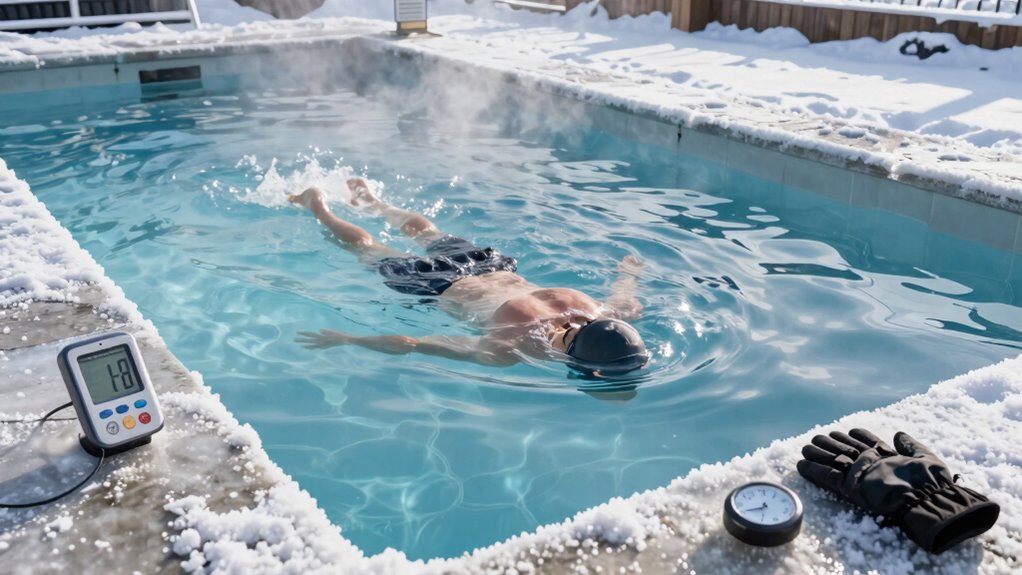
What exactly is cold plunging, and why should you give it a try? Cold plunging involves immersing your body in cold water for a short period, offering numerous therapeutic benefits. Many people find it helps reduce inflammation, boost circulation, and improve recovery after workouts. But beyond physical effects, cold plunging can strengthen your mental resilience. Facing the shock of cold water trains your mind to stay calm and focused under stress, building mental toughness over time. It’s a practice that encourages discipline, enhances mood, and promotes a sense of accomplishment. Additionally, incorporating high-performance equipment like specialized wetsuits or immersion tanks can optimize the experience. Utilizing proper safety rules and gear is essential to prevent risks and ensure a safe, effective plunge. Being aware of safety precautions related to cold water immersion can further help in avoiding potential dangers. Proper ventilation and temperature control are also important to maintain a safe environment during cold plunges. To maximize benefits, understanding cold water temperature ranges and adjusting immersion times accordingly can make your practice safer and more effective. If you’re looking for a way to challenge yourself, improve both your body and mind, and access new levels of mental clarity, cold plunging might just be the perfect addition to your routine.
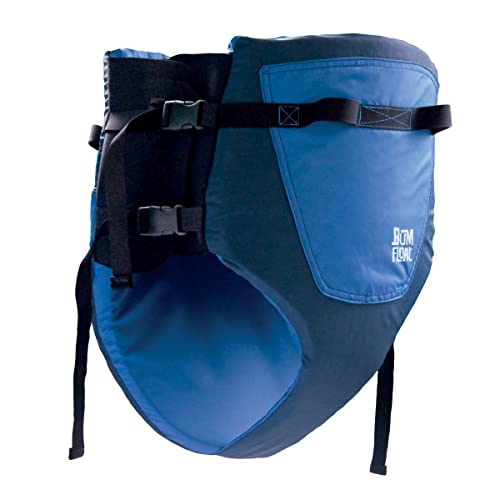
BumFloat – Floating Pants – Hands Free Recreational Floatation Device – Wearable Adult Water Float for Lakes & Pools – Floaty Bottom with Adjustable Straps – Medium – Fits Waist Sizes Up to 38"
- Better Float Design: Hands-free, comfortable, and perfectly buoyant
- Upright Floating: Keeps your butt floating upright without effort
- Hands-Free Convenience: Allows you to sit, play, and reach easily
As an affiliate, we earn on qualifying purchases.
As an affiliate, we earn on qualifying purchases.
What Water Temperatures Are Safe for Cold Plunges?
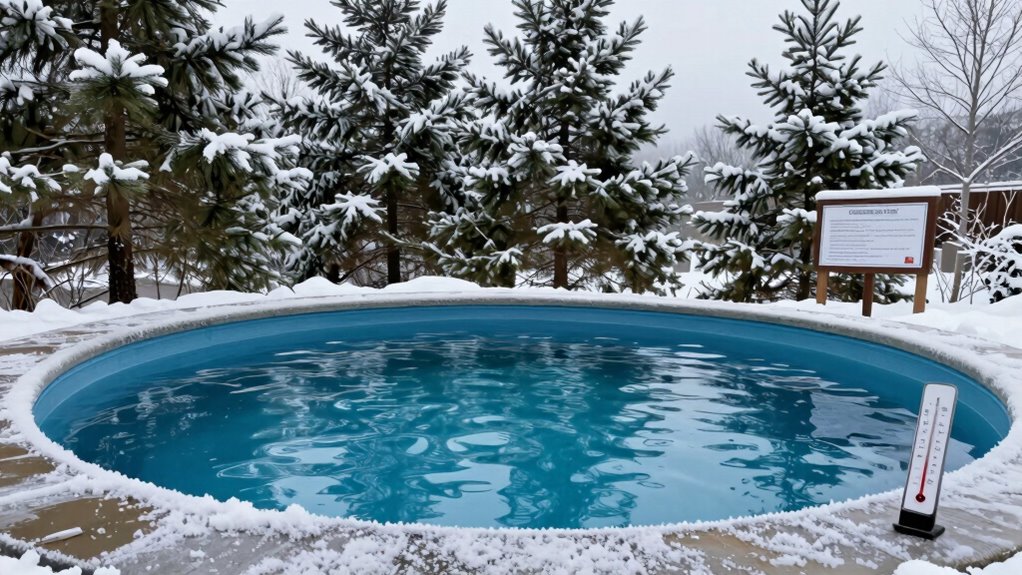
Understanding the right water temperature is key to safely enjoying cold plunges. Water temperature guidelines typically recommend starting with water around 50°F to 60°F (10°C to 15.5°C), which is generally safe for most beginners. Avoid plunges below 50°F (10°C) unless you’re experienced, as colder water considerably increases the risk of cold water shock—a sudden gasp or rapid breathing that can be dangerous. Cold water shock can impair your ability to breathe and lead to panic or drowning if you’re not prepared. Always listen to your body and gradually acclimate to colder temperatures. Staying within safe temperature ranges helps you enjoy the benefits of cold plunging without risking health issues related to extreme cold exposure. Understanding water temperature guidelines is essential for safe cold plunge practices. Additionally, using proper safety equipment like floatation devices and having a companion nearby can further reduce risks during your plunge. Remember that water temperature plays a critical role in your overall safety and comfort during cold exposure. Proper temperature regulation ensures a safer and more enjoyable experience. Being aware of cold exposure symptoms can help you recognize when to exit the water to prevent hypothermia or other health issues.

Hevto Men Wetsuits 3/2mm Neoprene Front Zip Full Wet Suit Keep Warm for Surfing Swimming SUP Snorkeling Diving (M2-Black, L)
- Insulating for Warmth: Keeps you warm in cold water
- Versatile Water Activities: Suitable for surfing, swimming, diving, and more
- Comfortable 3/2mm Neoprene: Provides flexibility and comfort
As an affiliate, we earn on qualifying purchases.
As an affiliate, we earn on qualifying purchases.
How Long Is Safe to Stay in a Cold Water Dip?

Knowing how long to stay in a cold water dip is essential for safety and maximizing benefits. Generally, limiting your time to 1 to 3 minutes helps reduce the hypothermia risk and minimizes water shock, which can be dangerous if your body isn’t prepared. Beginners should start with shorter durations, around 30 seconds to 1 minute, and gradually increase as your body adapts. Staying too long can lead to rapid cooling of your core temperature, increasing hypothermia risk and impairing your judgment. Always listen to your body—if you start shivering intensely or feel numb, it’s time to exit. Remember, safety comes first; overextending your time in cold water can have serious health consequences.

Silicone Cover Ice Bath Thermometer with Timer, Waterproof Floating Water Thermometer for Cold Plunge, Works with Ice Bath Tub Hot Tub Accurate Recovery(Black)
- Real-time Temperature and Timer: Tracks water temperature and time accurately
- Easy °C/°F Switch & 20-Minute Timer: Simple control for temperature units and timing
- Waterproof and Floating Design: Water-resistant, floats for easy retrieval
As an affiliate, we earn on qualifying purchases.
As an affiliate, we earn on qualifying purchases.
What Safety Tips Should You Follow When Cold Plunging?
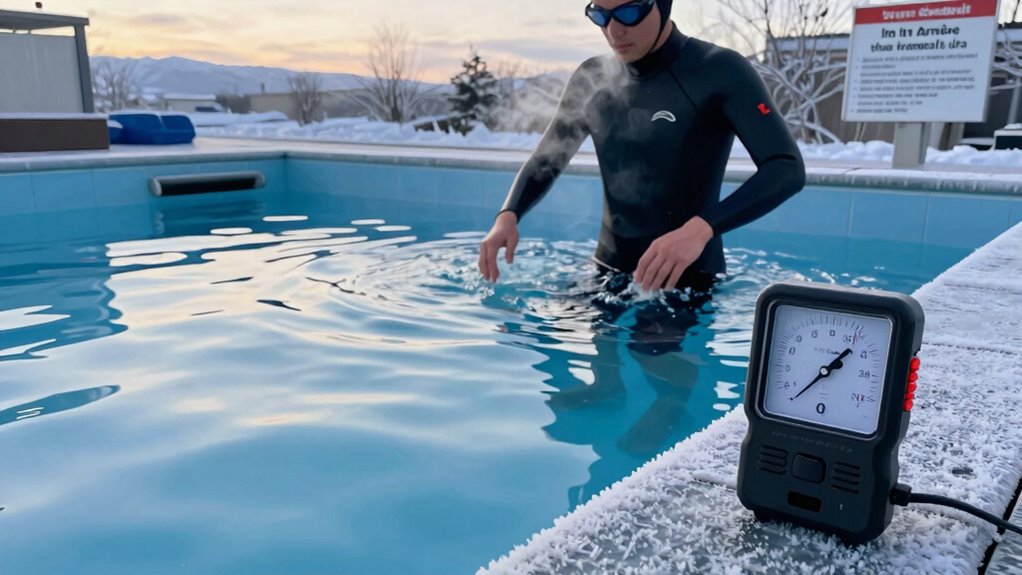
To guarantee a safe cold plunging experience, you should always prioritize preparation and awareness. Follow these safety tips to minimize risks and ensure hypothermia prevention:
- Never plunge alone; always have a buddy nearby for emergency preparedness.
- Limit your immersion time based on your comfort and experience.
- Listen to your body; exit immediately if you feel numbness, dizziness, or discomfort.
- Keep warm clothes and a towel nearby to rewarm quickly afterward.
- Know the signs of hypothermia and seek medical help if symptoms appear.
- Be aware of simple safety tips for everyday preparedness to help you stay safe in various situations.
- Understanding environmental awareness can also help you better assess risks during cold plunges and other outdoor activities.
Sticking to these guidelines helps prevent cold-related injuries and ensures you enjoy the benefits safely and responsibly.
How Can You Prepare Your Body for Cold Water Immersion?
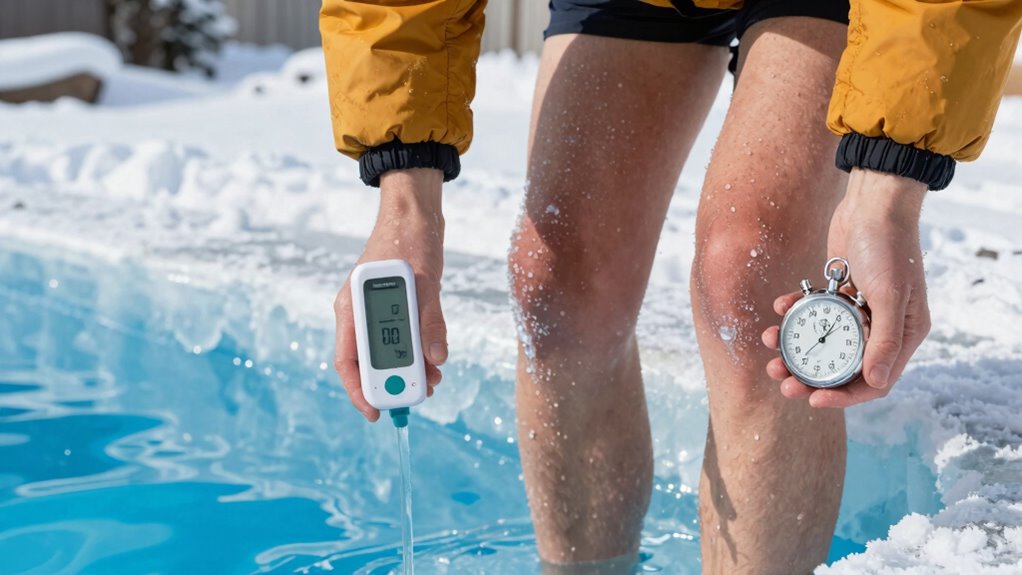
Preparing your body for cold water immersion is essential to maximize benefits and reduce risks. Start with breathing techniques, such as deep, slow breaths, to help calm your nervous system and improve oxygen flow. Practice gradual exposure by slowly lowering your body temperature over time, beginning with shorter cold showers or dips. This progressive adaptation allows your body to adjust without shock. Focus on maintaining steady breathing during each session, as it helps manage the initial cold shock response. Incorporate warm-up exercises beforehand to increase circulation and ease into the cold. Consistent, gradual exposure builds resilience and prepares your body for longer or colder immersions. Additionally, understanding sound healing science can help you develop a calming mental state, making cold plunges more effective and enjoyable. Developing mindful breathing techniques can further enhance your ability to stay relaxed during cold water exposure. Being aware of autonomic nervous system responses can help you better control your reactions to cold stress. Remember, patience and mindful breathing are key to safely reaping the benefits of cold water immersion.
Frequently Asked Questions
Can Cold Plunging Help With Mental Health or Mood Improvement?
Cold plunging can markedly boost your mental health benefits and mood enhancement. When you immerse yourself in cold water, your body releases endorphins, which lift your spirits and reduce stress. It also helps combat anxiety and depression by stimulating your nervous system. Regular cold plunges can increase resilience and mental clarity, making you feel more energized and balanced throughout your day. Give it a try for a natural mood boost!
Are There Specific Health Conditions That Contraindicate Cold Plunging?
Cold plunging isn’t suitable for everyone; it can be dangerous for those with cardiovascular restrictions or skin sensitivities. If you have heart conditions, high blood pressure, or poor circulation, the sudden shock can trigger serious issues. Skin sensitivities, like dermatitis or eczema, can worsen with cold exposure. Always consult your healthcare provider before diving into cold plunging, especially if you have existing health conditions—your health is no joke!
How Does the Body Physiologically Respond During a Cold Plunge?
When you take a cold plunge, your body responds by constricting blood vessels to conserve heat and protect essential organs. You also experience an adrenaline release, which boosts alertness and energy. This physiological response helps you adapt quickly to the cold, enhancing circulation once you’re out. Your body works hard to maintain core temperature, making cold plunges a powerful way to stimulate your nervous system and improve resilience.
What Are Signs of Hypothermia to Watch for During Cold Plunges?
During a cold plunge, watch for signs of hypothermia like intense shivering, numbness, dizziness, and confusion. You might also notice slurred speech or fatigue. The cold shock response can cause rapid breathing and a panic-like feeling. If you experience these symptoms, get out immediately, warm up gradually, and seek medical help if needed. Staying alert can prevent serious health risks during your cold plunge.
Is Cold Plunging Safe for Children or Elderly Individuals?
Cold plunging isn’t safe for children or elderly individuals without strict supervision and proper safety precautions. Age considerations are vital because their bodies react differently to cold exposure, risking hypothermia or shock. Always consult a healthcare professional before allowing them to plunge. Their delicate systems need extra care, and you should monitor closely. Never assume it’s safe—prioritize safety precautions to prevent any health emergencies.
Conclusion
So, think you’re invincible and ready to conquer the cold? Remember, no medal for bravery here—just a potentially icy shock to your system. Follow the safety rules, listen to your body, and don’t pretend you’re a superhero in a freezer. Cold plunging can boost your health, but only if you respect the water’s chill. Otherwise, you might end up as just another frozen statue—more “cold” than “plunge.” Stay safe and stay warm!