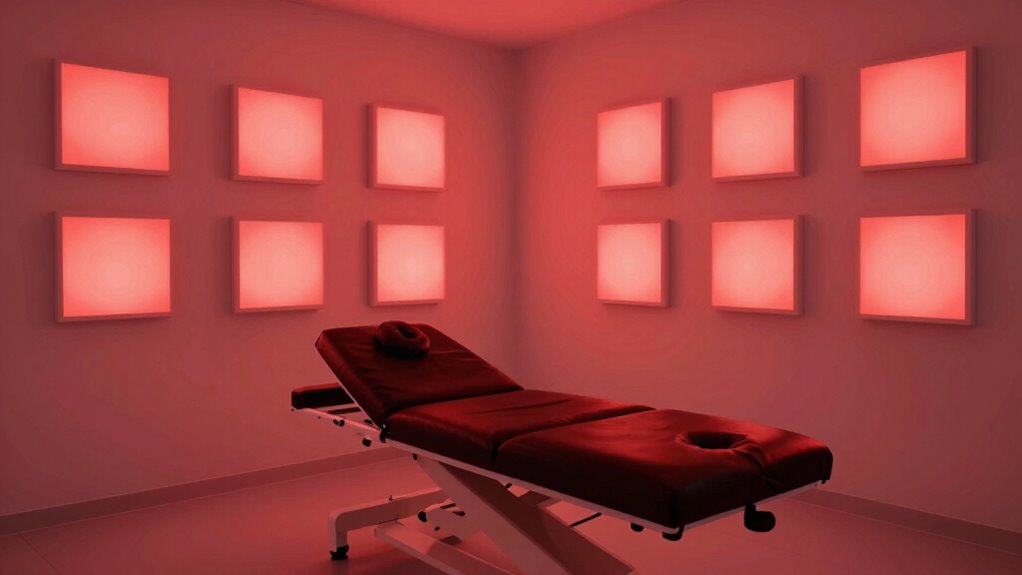

Red light therapy uses specific wavelengths of red and near-infrared light to help your body heal, reduce pain, and improve skin. Shorter wavelengths, around 620-750 nm, mainly target surface skin issues like collagen and cell repair. Longer wavelengths, 800-900 nm, reach deeper tissues to reduce inflammation and promote healing in muscles and joints. Understanding these differences helps you choose the right setting for your goals—keep exploring to learn how to get the best results.
Key Takeaways
- Different wavelengths of red light target specific skin or deep tissue issues.
- Shorter wavelengths stay on the surface, helping with skin repair and collagen.
- Longer wavelengths penetrate deeper to reduce pain, inflammation, and help muscles heal.
- Choosing the right wavelength depends on your treatment goal and target area.
- Proper device use and safety measures ensure effective and safe red light therapy sessions.

Redragon K521 Upgrade Rainbow LED Gaming Keyboard, 104 Keys Wired Mechanical Feeling Keyboard with Multimedia Keys, One-Touch Backlit, Anti-Ghosting, Compatible with PC, Mac, PS4/5, Xbox
- Vivid Rainbow LED Backlight: Enhanced, penetrating rainbow lighting effect
- One-Touch Lighting Control: Easy on/off and adjustable lighting modes
- Mechanical Feel Keys: Responsive keys for fast, gaming performance
As an affiliate, we earn on qualifying purchases.
What Is Red Light Therapy and How Does It Work?
Red light therapy is a treatment that uses low-level wavelengths of red or near-infrared light to stimulate cellular function. Many light therapy myths suggest it’s a miracle cure, but understanding wavelength variations helps clarify how it works. Different wavelengths penetrate tissues differently, affecting how deep the light reaches and what benefits it provides. Shorter wavelengths are more surface-level, while longer near-infrared light can target deeper tissues. This controlled light exposure encourages cellular repair, reduces inflammation, and boosts energy production in cells. Knowing about wavelength variations dispels misconceptions and explains why specific wavelengths are chosen for different conditions. Understanding light penetration helps clarify the specific effects of different wavelengths and why they are selected for particular treatments. Additionally, the ability of certain wavelengths to promote tissue regeneration is a key reason they are utilized in therapy. Recognizing the role of wavelength selection in therapy enhances the effectiveness of treatment plans. When selecting wavelengths, practitioners consider how light absorption varies across tissues to optimize healing outcomes. The variation in light absorption across tissues influences how effectively different wavelengths promote healing and recovery. Recognizing the role of light-tissue interaction is essential for tailoring therapies to individual needs.

wegear Wired Mechanical Gaming Keyboard with Clicky Switch,104-Key, Black
- Tactile Blue Switches: Provides crisp clicks and tactile feedback
- Multi-Color Backlighting: Features 11 dynamic lighting modes and adjustable brightness
- Ergonomic Design: Includes adjustable tilt and tiered key layout for comfort
As an affiliate, we earn on qualifying purchases.
What Are Red and Near-Infrared Wavelengths?
Ever wonder what makes red and near-infrared wavelengths effective in light therapy? It’s all about their position in the wavelength spectrum, which influences how they interact with your body. These wavelengths penetrate deep enough to promote healing and reduce pain, making them popular in phototherapy applications. Think of it like this:
| Wavelength Type | Penetration Depth |
|---|---|
| Red Light (620-750 nm) | Superficial layers |
| Near-Infrared (750-950 nm) | Deeper tissues |
| Useful for | Skin and muscle repair |
| Wavelength spectrum range | Visible to near-infrared |
| Effectiveness relies on | Precise wavelength targeting |
This spectrum allows specific wavelengths to trigger biological responses, making them effective tools for health and healing. Additionally, understanding wavelength absorption by tissues helps optimize treatment outcomes. Certain tissue properties determine how effectively these wavelengths can penetrate and stimulate biological responses, which varies across different biological structures. The ability of these wavelengths to target specific tissues depends on their absorption properties, which vary across different biological structures.

Redragon Mechanical Gaming Keyboard Wired, 11 Programmable Backlit Modes, Hot-Swappable Red Switch, Anti-Ghosting, Double-Shot PBT Keycaps, Light Up Keyboard for PC Mac
- Vibrant Backlit Modes: 11 customizable lighting effects
- Adjustable Brightness & Speed: 5 levels for light control
- Clear Double-Shot Keycaps: Enhanced backlight and durability
As an affiliate, we earn on qualifying purchases.
How Do Different Wavelengths Affect Skin Healing and Pain?
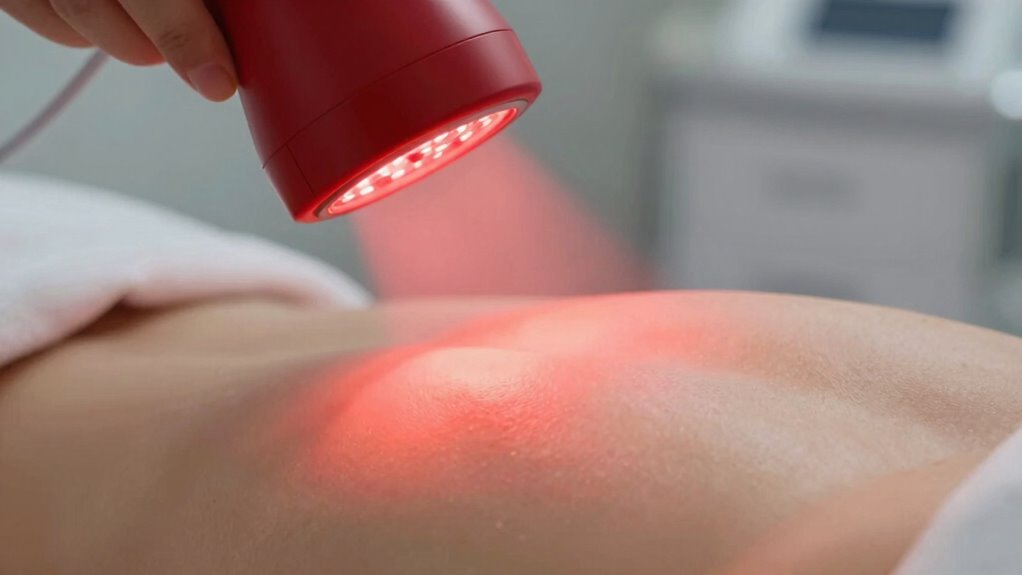
Different wavelengths of red and near-infrared light influence skin healing and pain relief by targeting specific layers of tissue. Wavelength variability determines how deeply the light penetrates, affecting the skin’s ability to regenerate and recover. Shorter wavelengths focus on surface layers, promoting faster skin regeneration, while longer wavelengths reach deeper tissues to reduce inflammation and pain. Your body responds differently depending on the wavelength used, optimizing healing processes. Additionally, Light penetration depth plays a crucial role in determining treatment effectiveness and tissue response. The variation in wavelength also impacts the targeted cellular mechanisms, allowing for more precise therapeutic outcomes. Understanding how wavelength selection influences tissue response helps tailor treatments to individual healing needs. Moreover, light-tissue interaction is affected by various factors such as tissue composition and pigmentation, which can alter treatment results. Recognizing how wavelengths influence tissue response can help optimize therapeutic strategies for better outcomes.

Redragon K521KS Wireless Gaming Keyboard, Tri-Mode BT/2.4G/USB-C RGB Mechanical Feeling Keyboard with Multimedia Keys, 4000mAh Battery, Anti-Ghosting, Compatible with PC - Upgrade
- Tri-Mode Connectivity: Bluetooth, 2.4G, USB-C support
- Long-Lasting Battery: 4000mAh rechargeable battery
- Multi-Device Support: Connects up to five devices
As an affiliate, we earn on qualifying purchases.
Which Wavelengths Are Best for Skin Health and Recovery?
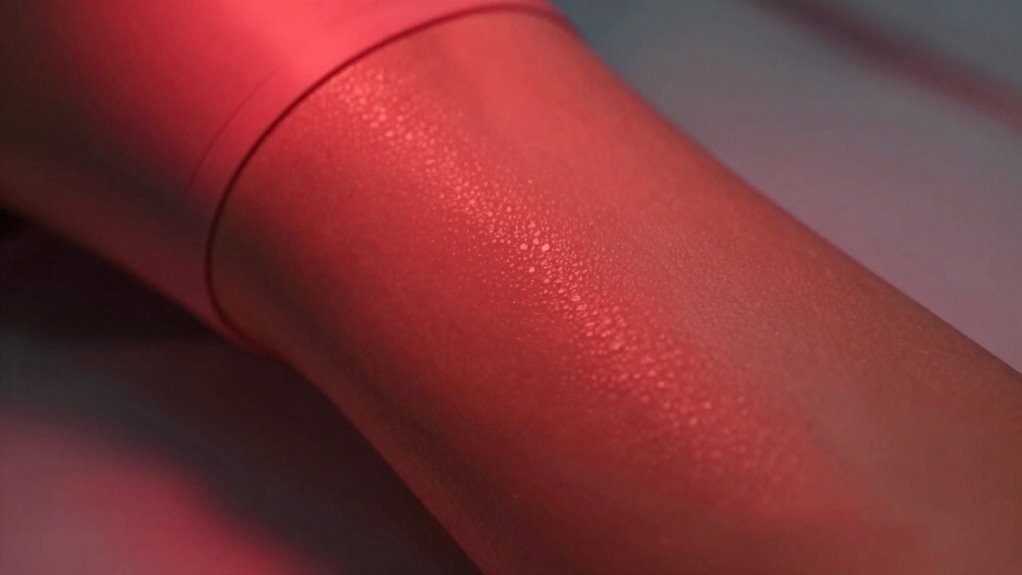
When choosing wavelengths for skin health and recovery, selecting the right one can substantially enhance your healing process. Many phototherapy myths suggest that all wavelengths are equally effective, but wavelength selection truly matters. For skin benefits, wavelengths around 620-750 nanometers are most effective because they penetrate the skin and stimulate cell repair. These red and near-infrared wavelengths promote collagen production, reduce inflammation, and boost skin regeneration. Avoid falling for phototherapy myths that claim any light will do; targeted wavelengths deliver better results. By choosing the appropriate wavelength, you optimize skin healing and recovery without wasting time or energy. Additionally, understanding the specific wavelength ranges helps in selecting the most effective devices for your needs. Recognizing how wavelength-specific absorption impacts skin tissue can further enhance therapy outcomes. Knowing how to target specific wavelengths allows for more precise and effective treatments. For example, selecting wavelengths that align with optimal tissue penetration can maximize therapeutic benefits. Remember, the right wavelength is key to achieving the best outcomes in red light therapy for skin health. To further improve results, understanding light-tissue interactions can help tailor treatments to individual needs.
How to Use Wavelengths for Pain Relief and Reduce Inflammation?
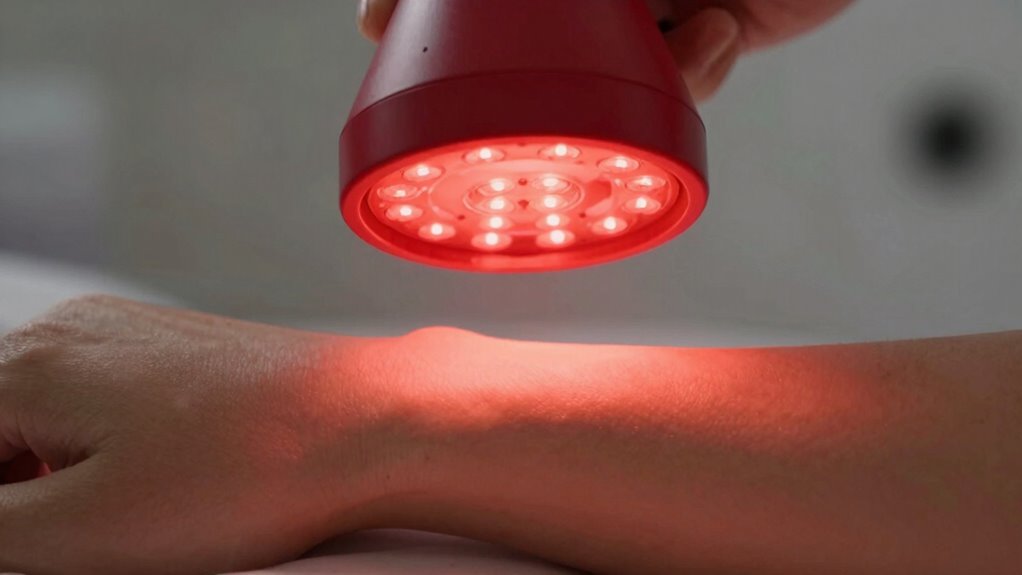
To effectively use wavelengths for pain relief and inflammation reduction, focus on specific red and near-infrared light ranges, typically around 600-900 nanometers. Proper wavelength selection is key for targeted pain management. You should:
- Use wavelengths closer to 600-700 nanometers for superficial pain relief
- Opt for 800-900 nanometers for deeper tissue inflammation
- Follow recommended treatment durations, usually 10-20 minutes per session
- Maintain consistent use to see lasting benefits
- Selecting the right contrast ratio can enhance the effectiveness of light therapy by improving image clarity and treatment precision. Additionally, understanding light penetration depth helps optimize treatment outcomes by targeting specific tissue layers effectively. Recognizing the wavelength-specific tissue absorption can further improve therapy effectiveness by ensuring the light reaches the intended area. Furthermore, considering tissue oxygenation levels can help tailor therapy to individual needs for better results. Incorporating treatment timing strategies can also maximize the benefits of wavelength therapy by aligning sessions with natural biological rhythms.
Should You Choose Shorter or Longer Wavelengths?
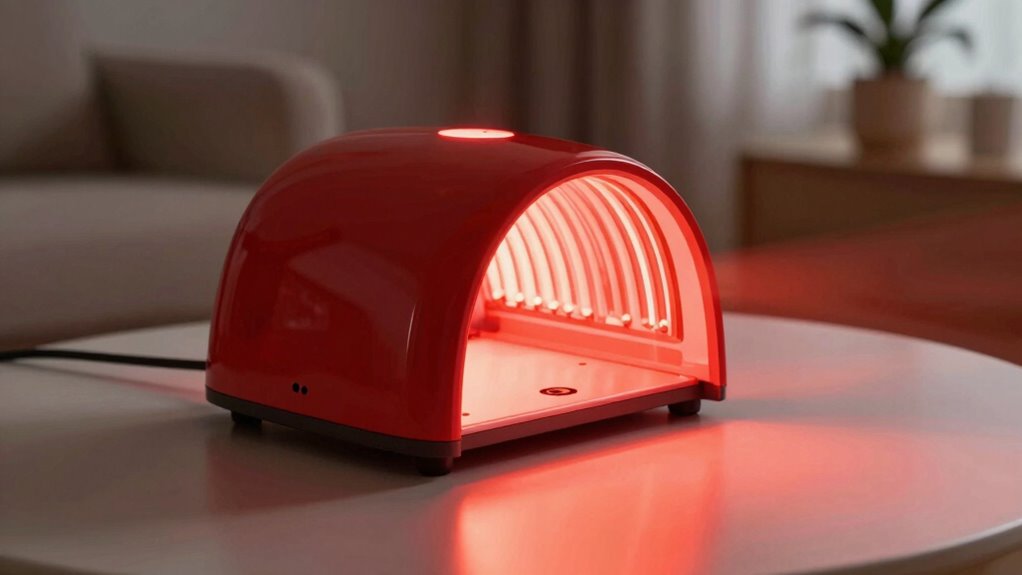
You should consider how different wavelengths penetrate your skin, as shorter wavelengths target surface layers, while longer ones reach deeper tissues. This affects the healing benefits you can achieve for specific conditions. Choosing the right wavelength depends on whether you need surface treatment or deeper tissue healing.
Penetration Depth Differences
Longer wavelengths in red light therapy typically penetrate deeper into the skin and tissues, making them suitable for targeting underlying structures like muscles and joints. This increased skin depth results from their ability to reach beyond the surface layers. When considering wavelength penetration, longer wavelengths offer greater access to internal areas.
- They deliver energy to deeper tissues more effectively
- Shorter wavelengths mostly stay within surface layers
- Skin depth influences how much therapy reaches underlying structures
- The choice depends on your specific treatment goals
Understanding these differences helps you select the right wavelength for your needs. Longer wavelengths can be more beneficial if you’re aiming at deeper tissue healing, while shorter wavelengths focus on surface-level concerns.
Targeted Healing Benefits
Choosing the right wavelength for red light therapy depends on your specific healing goals. Shorter wavelengths target surface-level issues like skin rejuvenation, while longer wavelengths penetrate deeper, aiding in joint and tissue repair. Your wavelength selection influences therapy customization, guaranteeing you address your needs effectively. Consider the table below to help determine your focus:
| Healing Focus | Suitable Wavelengths |
|---|---|
| Skin surface issues | 620–640 nm |
| Deeper tissue repair | 810–850 nm |
| Inflammation reduction | 640–660 nm |
| Muscle recovery | 810–830 nm |
| Pain relief | 650–670 nm |
Matching your wavelength with your goals ensures precise therapy customization, maximizing benefits and results.
How to Pick the Right Wavelength for Your Goals?
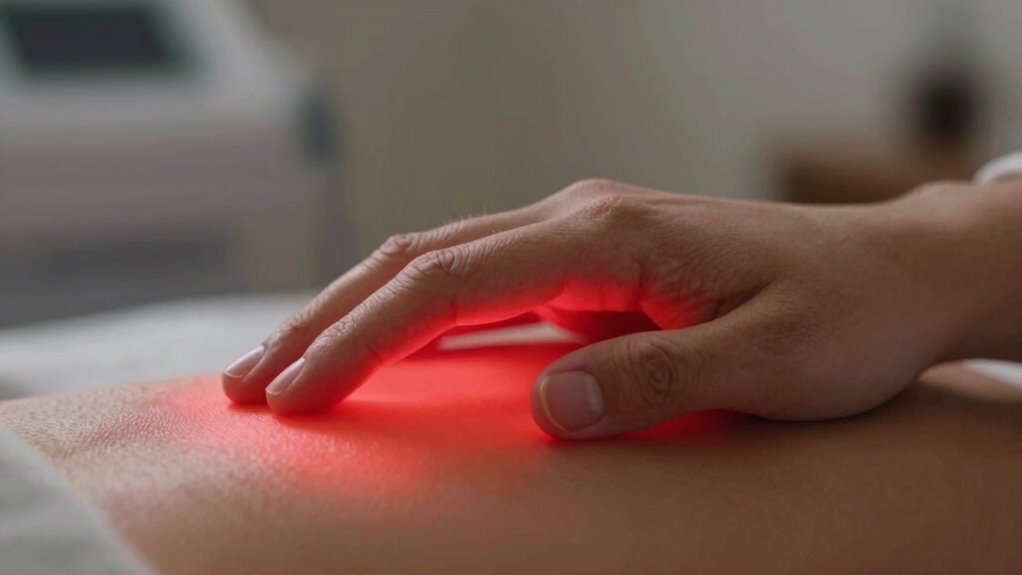
Selecting the right wavelength is essential because different wavelengths penetrate the skin to varying depths and target specific tissues or conditions. To choose effectively, consider your goal-specific therapy needs. First, identify whether you want surface-level skin benefits or deeper tissue healing. Then, think about the intensity of penetration required for your condition. Next, match your goal with the appropriate wavelength range—shorter wavelengths for surface issues, longer for deeper treatment. Finally, consult device specifications or a professional to ensure the wavelength aligns with your objectives.
- Determine if you need superficial or deep tissue treatment
- Match wavelengths to your specific condition
- Consider device capabilities and settings
- Prioritize goal-specific therapy for ideal results
Are There Risks or Side Effects of Different Wavelengths?
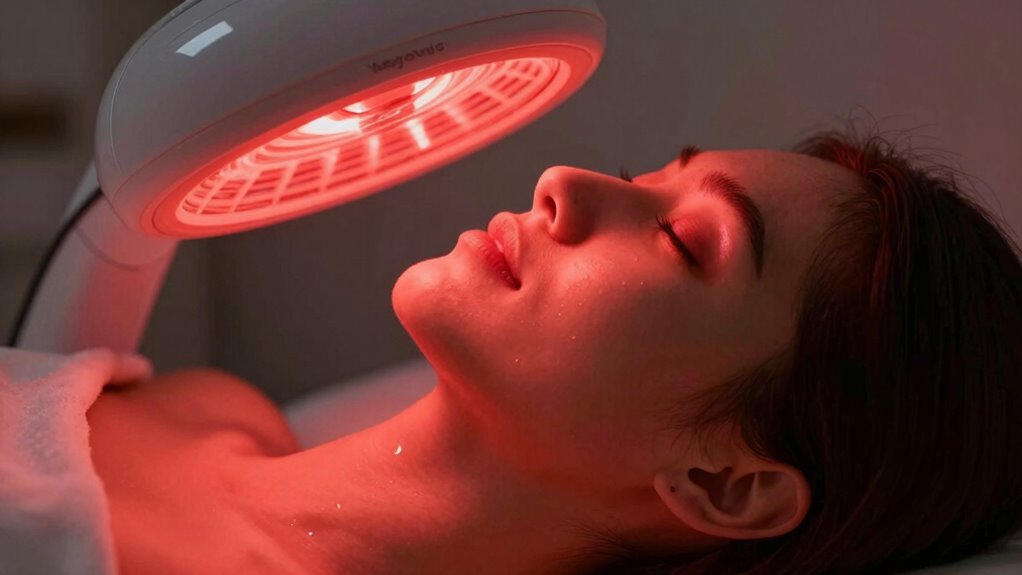
While red light therapy is generally considered safe, different wavelengths can carry potential risks or side effects if not used properly. One concern is device safety; using devices that aren’t certified or are poorly made might cause burns or eye damage. It’s important to follow manufacturer guidelines and avoid overexposure. Some people may experience allergy risks, especially if they have sensitive skin or allergies to certain materials used in the device. Redness, irritation, or mild discomfort can occur if you misuse the therapy or use wavelengths that are too intense for your skin. Always start with shorter sessions and monitor your response. Proper device safety measures and awareness of allergy risks help ensure that your red light therapy experience remains safe and beneficial.
Practical Tips for Safe and Effective Red Light Therapy
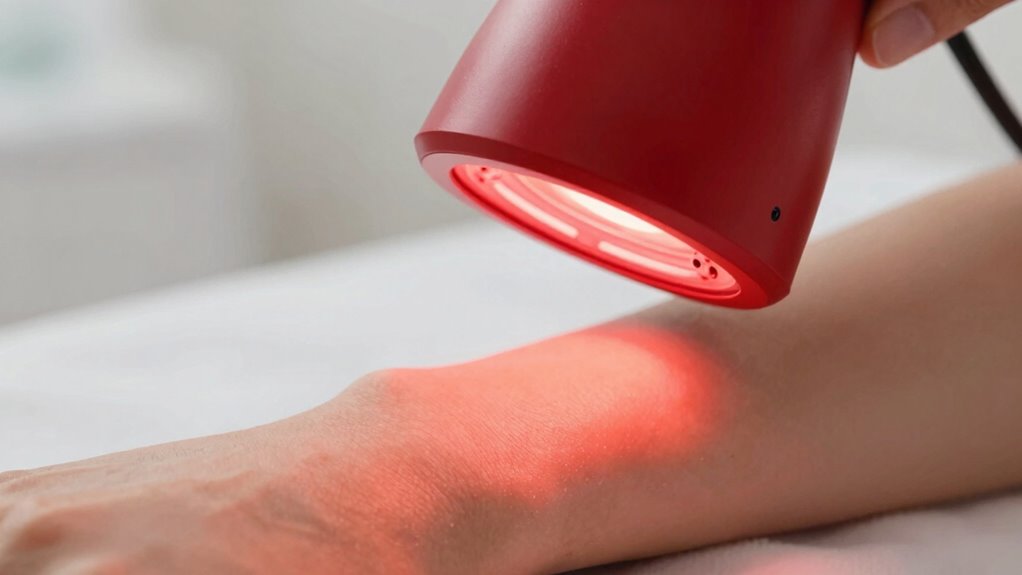
To get the best results, follow proper usage guidelines and avoid overexposure. Always protect your eyes by wearing safety goggles or keeping a safe distance from the light source. Staying mindful of these tips guarantees your sessions are both safe and effective.
Proper Usage Guidelines
Using red light therapy safely and effectively requires paying close attention to proper guidelines. First, ensure your device is properly calibrated for accurate light intensity. Follow recommended session durations, usually between 10 to 20 minutes, to prevent overexposure. Position the device at the correct distance, often a few inches from your skin, as specified by the manufacturer. Consistency matters—use the therapy regularly but avoid daily sessions if advised. Keep track of your responses and adjust session times if needed. Remember, overdoing it can reduce benefits or cause irritation. Always adhere to manufacturer instructions and avoid prolonging sessions beyond recommended limits. Proper usage maximizes results while keeping your skin safe and healthy.
Protect Your Eyes
Protecting your eyes during red light therapy is essential to prevent potential damage, especially since the light can reach sensitive areas. To guarantee ideal eye safety and maintain your vision protection, follow simple precautions. Always wear protective goggles designed for red light therapy sessions, and avoid staring directly into the light source. Be cautious with the duration and intensity of exposure, especially if you experience discomfort. Use the following table as a quick reference:
| Tip | Why it Matters | Best Practice |
|---|---|---|
| Wear protective goggles | Shields eyes from intense light | Use goggles every session |
| Limit exposure time | Prevents overstimulation | Keep sessions within recommended limits |
| Position device correctly | Ensures even, safe light exposure | Maintain proper distance |
| Regular eye check-ups | Detect early issues | Schedule routine exams |
Summary: Simplifying Wavelengths to Maximize Results
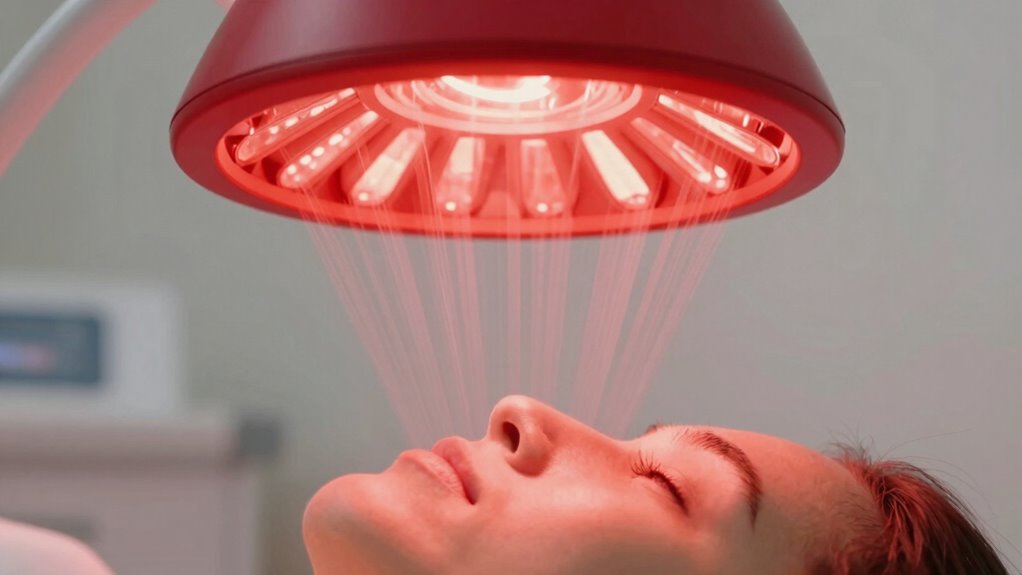
Understanding wavelengths can seem complicated, but simplifying them is key to maximizing red light therapy results. When you focus on clear wavelength selection, you can better target your specific needs. This allows for effective therapy customization, ensuring you get the best benefits. To simplify:
- Choose wavelengths that align with your goals, like skin healing or pain relief
- Use consistent, appropriate exposure times for each wavelength
- Avoid overcomplicating with unnecessary options; stick to proven ranges
- Adjust therapy based on how your body responds over time
Frequently Asked Questions
Can Red Light Therapy Help With Hair Growth?
Yes, red light therapy can help with hair growth by promoting scalp health and aiding hair loss prevention. It stimulates blood circulation in your scalp, encouraging hair follicles to become healthier and stronger. Regular treatments may reduce thinning and support new hair growth. You might notice improvements over time, especially when combined with other hair care routines. Just guarantee you follow recommended guidelines for the best results.
How Long Should Each Session Last for Optimal Results?
Imagine a gentle sunrise warming your skin—each red light session should last about 10 to 20 minutes for ideal timing. You’ll want to stick to this duration consistently, as longer sessions don’t necessarily mean better results and could cause discomfort. Find a comfortable, quiet space, and let the light work its magic during this window. Keep track of your progress and adjust if needed, but don’t overdo it.
Is Red Light Therapy Safe for Pregnant Women?
Red light therapy is generally considered safe for pregnancy, but you should consult your healthcare provider first. While it doesn’t directly affect hormones, some women worry about pregnancy safety and hormone effects. It’s best to avoid intense sessions or treatments near the abdomen. Always prioritize professional advice to ensure your safety and your baby’s health, and don’t hesitate to ask your doctor about any concerns.
Can I Use Red Light Therapy Device Daily?
You can use a red light therapy device daily, especially if it’s portable and easy to incorporate into your routine. For example, a person might use it every morning to boost skin glow and energy. Just make certain you follow the recommended time limits to avoid overexposure. Daily application can be safe and effective, but listen to your body and consult guidelines for best results.
Does Red Light Therapy Work on All Skin Types?
Yes, red light therapy works on all skin types, regardless of skin tone or age differences. You can safely use it whether you have fair or darker skin, as it targets cells without damaging the surface. Younger or older skin both benefit, with improvements in healing, firmness, and clarity. Just guarantee you follow the recommended guidelines for your specific device and skin condition to get the best results.
Conclusion
Now that you understand how different wavelengths work, you’re closer than ever to unlocking their true potential. But remember, not all wavelengths are created equal—what works for one goal might not suit another. The real question is, are you ready to experiment and discover what your body responds to best? The secret lies in your hands—dare to explore, and watch as your journey toward better health unfolds in ways you never imagined.