
Mattress firmness labels like “medium” can be confusing because they’re subjective and vary between brands, with no standard test to define them. What feels medium to one brand might be soft or firm to another. Factors like materials, body type, and sleep position heavily influence what’s comfortable for you. If you want to find the right support, understanding these differences and how firmness ratings work can make a big difference—keep going to learn more.
Key Takeaways
- “Medium” firmness varies widely across brands due to subjective labels and differing materials, making it unreliable for comparison.
- Lack of standardized testing methods means “medium” can mean different firmness levels depending on the manufacturer.
- Mattress firmness labels are marketing tools rather than precise measurements, leading to inconsistent consumer expectations.
- Factors like body type, sleep position, and mattress construction significantly influence how “medium” feels and performs.
- Accurate firmness understanding requires testing in a consistent sleep environment, as subjective labels don’t guarantee support or comfort.
![Zinus 8 Inch Green Tea Cooling Memory Foam Mattress [New Version], Queen, Fiberglass Free, Medium Firmness, Cooling Gel Foam, Certified Safe Foams & Fabric, Mattress in A Box](https://m.media-amazon.com/images/I/41EchMTmMuL._SL500_.jpg)
Zinus 8 Inch Green Tea Cooling Memory Foam Mattress [New Version], Queen, Fiberglass Free, Medium Firmness, Cooling Gel Foam, Certified Safe Foams & Fabric, Mattress in A Box
COOLER SLEEP AND A CLEANER PLANET – Topped with soothing gel memory foam, this mattress is designed to…
As an affiliate, we earn on qualifying purchases.
As an affiliate, we earn on qualifying purchases.
Why Mattress Labels Like ‘Soft,’ ‘Firm,’ and ‘Medium’ Can Be Confusing
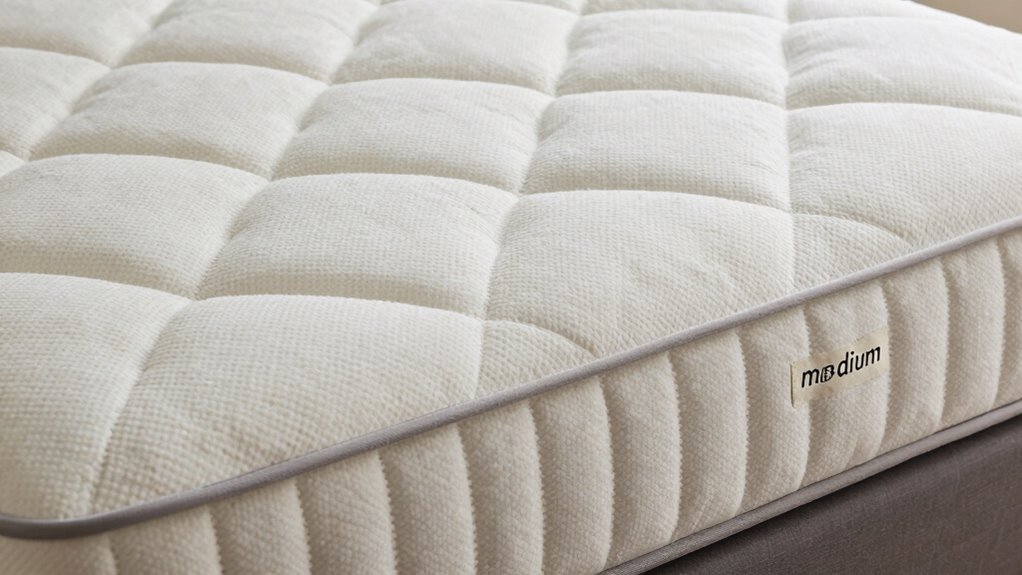
Have you ever wondered what mattress labels like ‘soft,’ ‘firm,’ and ‘medium’ truly mean? These labels can be confusing because they’re subjective and vary between brands. When it comes to bedroom aesthetics, selecting the right firmness ensures your space looks inviting and well-coordinated. A mattress that’s too soft might cause your bedding to look saggy, while a very firm one can make the bed appear stiff and uninviting. Additionally, mattress firmness directly impacts mattress longevity. A mattress that’s mismatched to your preferences or sleeping style may wear out faster or develop uncomfortable indentations. Understanding that these labels are more about marketing than standard measurement helps you make smarter choices, ensuring your bed both looks appealing and lasts longer. Recognizing that Free Floating design principles can influence overall comfort and appearance can also help you choose a mattress that complements your bedroom decor and lifestyle. Moreover, the essential oils used in sleep environments can enhance relaxation and overall sleep quality, contributing to a more restful experience. Incorporating sleep technology can further optimize your sleep environment and support your health. Knowing how mattress materials affect firmness can help you select a product that aligns with your preferences. For example, gel-infused memory foam can provide a different feel compared to traditional foam or innerspring options, impacting perceived firmness and comfort.

BedStory 12 Inch Firm Queen Mattress, Hybrid Mattress with Extra Lumbar & Back Hip Support, Signature Collection for Pressure Back Pain Relief, 365-Night Trial & 10 Years Warranty
【Zonal Support Design】: Bedstory 12 inch hybrid queen mattress adopts an ergonomic design with a zonal support system…
As an affiliate, we earn on qualifying purchases.
As an affiliate, we earn on qualifying purchases.
How Mattress Firmness Is Measured: and Why It’s Not Standardized

You might assume firmness ratings are consistent, but they aren’t because different companies use various methods to measure it. There’s no single industry standard, so what feels firm to one brand could be softer or firmer elsewhere. This lack of uniformity in testing methods leads to confusion among consumers trying to find the right mattress. For example, cabling failures in projector installations can be just as unpredictable due to inconsistent quality standards. In the same way, industry variability in mattress testing contributes to these discrepancies. Furthermore, test method inconsistencies mean that even similar models can feel different depending on the testing parameters used. Additionally, standardized testing procedures are lacking, which further complicates comparisons between different brands and models.
Varying Measurement Methods
Measuring mattress firmness proves challenging because there’s no single, standardized method. Different tests can produce varying results, making it hard to compare mattresses accurately. For example, some tests focus on how a mattress responds to applied pressure, while others evaluate its supportiveness or durability over time. Your sleep environment influences how firmness feels, so a mattress might seem different in your room than in a lab. Additionally, manufacturers may use distinct criteria, adding to inconsistency. To understand firmness better, consider these factors:
- Test methods (pressure sensors, subjective assessments)
- Mattress construction and materials
- Intended use and personal preferences
- Measurement techniques can vary significantly depending on the equipment and procedures used, further complicating standardization.
All these variations highlight why firmness ratings aren’t universal, and why your ideal mattress depends on your specific needs. Recognizing the measurement methods used can help you make a more informed choice.
No Industry Standard
Since there’s no single, universally accepted way to measure mattress firmness, the industry faces ongoing inconsistencies. This lack of industry standards fuels firmness variability, making it hard to compare mattresses reliably. Manufacturers often use different testing methods or subjective ratings, leading to confusion. Here’s a quick look at how firmness can vary:
| Testing Method | Description |
|---|---|
| Industry Standard | No single, mandated method |
| Manufacturer Ratings | Varies by brand |
| Customer Reviews | Subjective perception |
| Independent Tests | Inconsistent results |
This inconsistency means what’s labeled as “medium” can differ drastically from one mattress to another. Without clear standards, you can’t rely solely on labels to gauge firmness. Standardized testing methods could help create more consistency in the industry. Understanding bed firmness is essential because it directly impacts sleep comfort and support. Additionally, industry regulation could help set clearer benchmarks for consumers and manufacturers alike, reducing firmness variability across the market.

Novilla 12 Inch Queen Mattress in a Box, Gel Memory Foam for Cooling Night Sleep, Comfort & Pressure Relief, CertiPUR-US Certified
Cooling & Breathable – The Novilla 12 inch queen size memory foam mattress addes 30% more NanoGel, which…
As an affiliate, we earn on qualifying purchases.
As an affiliate, we earn on qualifying purchases.
What Does ‘Medium’ Really Mean When Shopping for a Mattress

When shopping for a mattress, the term “medium” can be confusing because it varies between brands and models. It often describes the sleep surface’s firmness level, but this doesn’t guarantee consistency across products. “Medium” might feel different depending on the materials used or the design. It’s important to understand that this label doesn’t reflect the actual support or comfort you’ll experience. Additionally, a mattress’s firmness can influence its longevity and how well it maintains its shape over time. To get a clearer picture, consider factors like:
- The type of foam or coil system used in the construction
- How the firmness aligns with your sleep preferences and body weight
- The overall durability of the materials, impacting mattress longevity
- Achieving Balance by understanding how firmness relates to sleep quality and avoiding burnout from poor sleep habits. Being aware of the firmness scale can help you better interpret product descriptions and make informed choices, especially since material composition can significantly affect comfort and durability. Knowing the regulatory standards that ensure product safety and consistency can also guide your decision-making process.
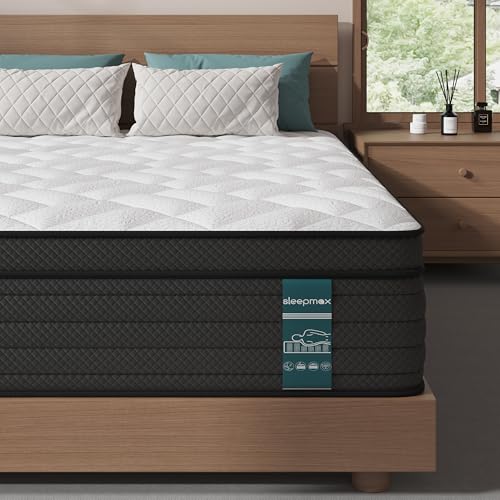
Sleepmax King Size Mattress 14 Inch – Deep Sleep Hybrid Mattress for Pain Relieving – Deluxe Cooling Bed in a Box for Back & Side Sleepers – CertiPUR-US Certified, 365-Night Trial, Forever Warranty
PAIN RELIEF & MOTION ISOLATION – Blending the benefits of traditional spring and soft foam mattresses, Sleepmax Starry…
As an affiliate, we earn on qualifying purchases.
As an affiliate, we earn on qualifying purchases.
How Your Body Type and Sleep Position Affect the Best Firmness for You
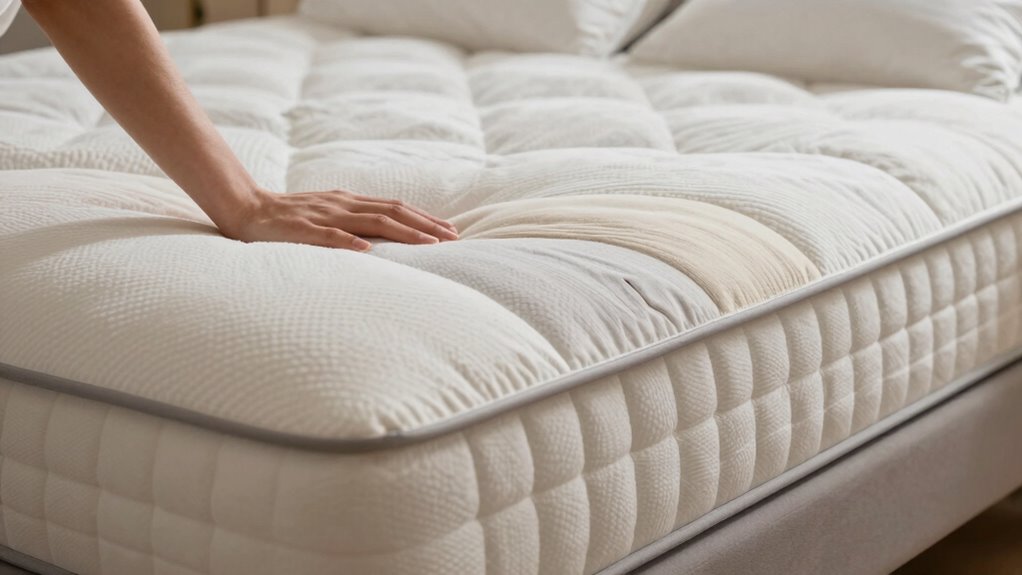
Your body type and sleep position play significant roles in determining the ideal mattress firmness for you. Heavier individuals often need firmer mattresses to provide proper body support and prevent sinking too much, which can compromise sleep comfort. Conversely, lighter sleepers might prefer softer options that contour closely to the body, offering a feeling of plushness. Your sleep position also matters: side sleepers benefit from medium to soft mattresses that cushion shoulders and hips, while back and stomach sleepers often require sturdier surfaces to keep the spine aligned and support the body evenly. When choosing a mattress, consider how your body weight and preferred sleep posture affect the level of support needed for best sleep comfort and spinal health. Additionally, understanding mattress firmness levels can help you make more informed choices tailored to your needs. Knowing your sleep position can further refine your selection, ensuring optimal support and comfort throughout the night. For example, selecting the right firmness based on your body type can significantly improve overall sleep quality and prevent discomfort.
Mattress Firmness Ratings Explained: What Do Scores From 1 to 10 Mean?

Mattress firmness ratings from 1 to 10 help you understand how soft or firm a mattress feels. These scores follow standard interpretation guidelines, making it easier to compare options. Knowing what each score represents can guide you toward the right level of comfort for your sleep needs.
Scale Interpretation Standards
Understanding the scale used to rate mattress firmness can help you choose the right level of support for your sleep needs. A clear understanding of interpretation standards guarantees you pick a mattress that complements your bedroom decor and minimizes future mattress maintenance. Generally, scores from 1 to 10 are standardized, but variations exist across brands.
- Lower scores (1-3) indicate very soft mattresses, ideal for pressure relief but may lack support.
- Mid-range scores (4-6) represent medium firmness, offering a balance suited for most sleepers.
- Higher scores (7-10) suggest very firm mattresses, best for those needing maximum support.
Recognizing these standards helps you avoid confusion, ensuring your mattress choice aligns with your comfort preferences and sleep health.
What Scores Represent
Ever wondered what a mattress firmness score really means? These ratings from 1 to 10 help you understand how a mattress will support your sleep posture and pressure relief needs. Lower scores, like 1 or 2, indicate very soft mattresses, ideal for side sleepers who need cushiony support for their shoulders and hips. Mid-range scores, around 5 or 6, offer a balanced feel suitable for back sleepers seeking moderate pressure relief. Higher scores, 8 or 9, are firmer, perfect for stomach sleepers or those who prefer a more supportive surface. Keep in mind, a higher score doesn’t automatically mean better pressure relief for everyone. Your ideal firmness depends on your sleep posture, body weight, and personal comfort preferences.
Why Relying on ‘Medium’ Might Not Help You Find the Right Mattress
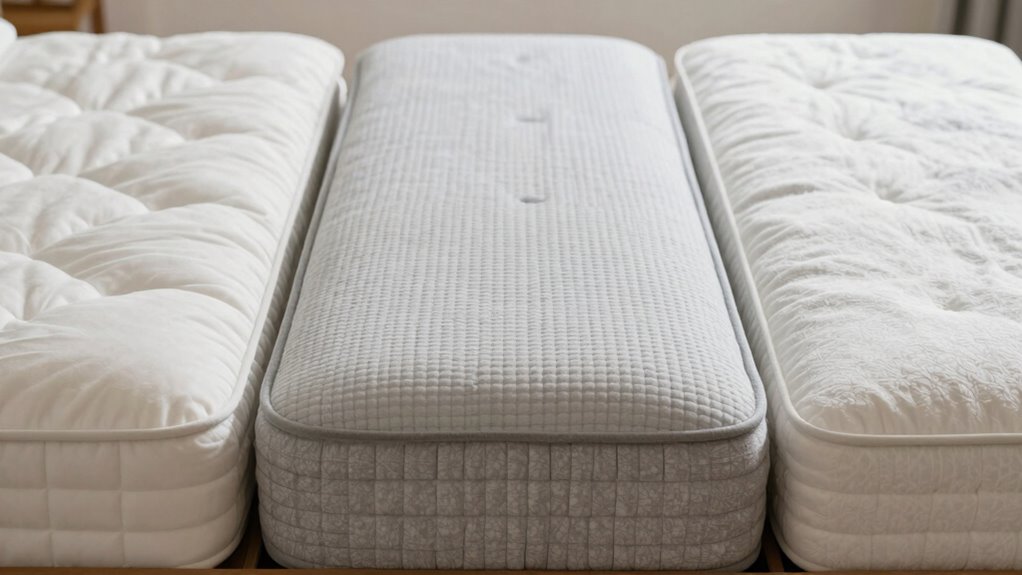
Relying solely on a mattress labeled as “medium” can be misleading because the term is subjective and varies between brands and models. Foam density influences support and durability, so two “medium” mattresses might feel vastly different. Additionally, sleep temperature plays a role; some mattresses sleep cooler or warmer depending on materials used, which affects comfort. When you pick based only on “medium,” you risk missing key factors like foam density or how well the mattress manages heat. To get it right, consider:
- Variations in foam density affecting support
- How different materials influence sleep temperature
- The subjective nature of “medium” across brands and models
Understanding these nuances helps you choose a mattress that truly matches your comfort needs, beyond just a label.
Tips for Testing Mattress Firmness When Buying or Trialing

When testing a mattress’s firmness, it’s important to approach it systematically to guarantee it matches your comfort preferences. First, consider your sleep environment—test the mattress in a similar setting to your bed at home, with your usual pillows and bedding. Lie down in your typical sleep position for at least 10-15 minutes to get an accurate feel. Focus on how your body interacts with the surface, checking if it provides enough support without feeling too hard or too soft. Keep in mind that a mattress’s firmness can affect its lifespan; a mattress that suits your needs will last longer and maintain its comfort. Take your time during the trial to ensure the mattress aligns with your preferences and supports your sleep quality.
How to Choose a Mattress That Supports Your Sleep Needs: Beyond Labels
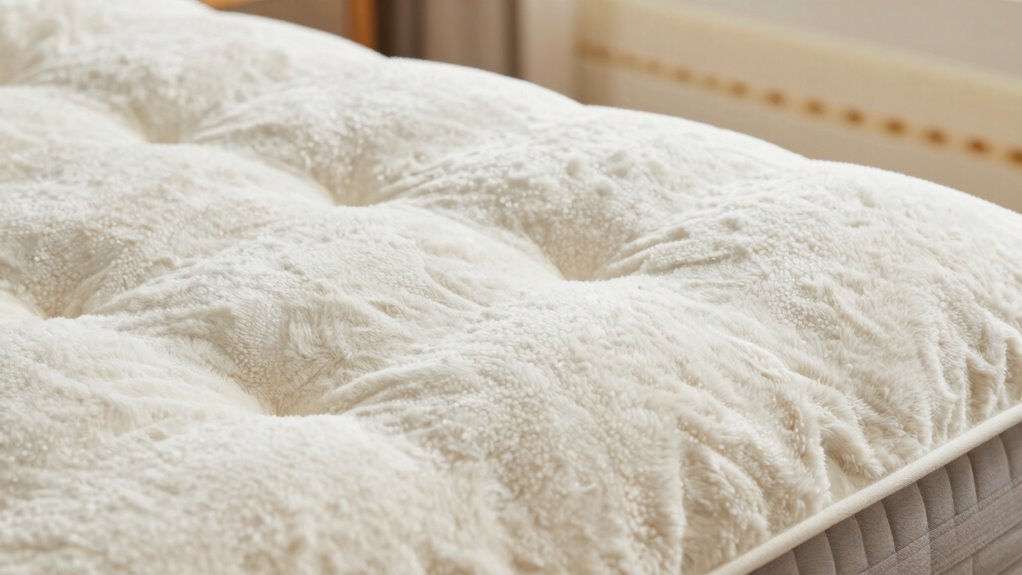
Choosing a mattress that truly supports your sleep needs goes beyond simply trusting labels like “firm” or “soft.” Instead, focus on how the mattress responds to your body, considering factors like your sleep posture, body weight, and any health concerns. Memory foam, for example, molds to your shape, providing targeted support, especially if you sleep on your side or back. Your weight influences how a mattress compresses, impacting comfort and support. To find the right fit, consider these aspects:
- How well the mattress aligns with your sleep posture and relieves pressure points
- Whether it offers enough support without feeling too rigid or too soft
- If it accommodates your body weight for consistent comfort throughout the night
This approach ensures you pick a mattress that genuinely supports restful sleep.
Key Factors to Consider for a Comfortable, Supportive Mattress

Selecting a mattress that offers both comfort and support involves considering several key factors. First, ensure your bed frame compatibility; a sturdy, compatible frame supports proper alignment. Next, think about mattress cover materials—breathable fabrics like cotton or cooling gels can improve comfort. The right firmness level is vital, but don’t overlook other factors like motion transfer and edge support. Your sleeping position and personal preferences should guide your choice. Additionally, consider the durability of materials to ensure longevity.
| Factor | Consideration |
|---|---|
| Bed frame compatibility | Check size and support requirements |
| Mattress cover materials | Breathability, cooling, and hypoallergenic features |
| Firmness level | Match to sleep position and comfort needs |
| Durability | Longevity of materials and construction |
| Support features | Edge support and motion isolation |
Frequently Asked Questions
How Does Mattress Age Affect Firmness and Comfort?
As your mattress ages, it can lose its firmness and comfort, impacting your sleep quality. Over time, mattress durability decreases due to wear and tear, causing the materials to soften or sag. This reduces comfort longevity, making it harder to maintain consistent support. To keep your sleep environment ideal, consider replacing your mattress every 7-10 years or sooner if you notice significant changes in firmness or comfort.
Can Mattress Firmness Impact Sleep Quality and Health?
Yes, mattress firmness can impact your sleep quality and health. If your mattress isn’t suited to your sleep posture, you might experience aches or disrupted sleep. Choosing the right firmness supports proper spinal alignment, reducing pain and improving rest. Regular mattress rotation helps maintain its firmness and comfort. By matching firmness to your needs and rotating your mattress, you can enhance sleep quality and support better overall health.
Are There Specific Firmness Levels Recommended for Back Pain?
If you have back pain, the best firmness level depends on your personal preference and comfort. Generally, medium to medium-firm mattresses are recommended because they provide a balance of support and softness that keeps your spine aligned. Check firmness ratings and test different options to find what feels best for your back. Remember, the right firmness helps reduce pain and improve sleep quality, so prioritize what suits your body.
How Do Different Mattress Materials Influence Perceived Firmness?
Different mattress materials greatly influence perceived firmness. Foam density plays a key role; higher density foam feels firmer and offers better support, while lower density foam feels softer. Latex elasticity also impacts firmness perception—more elastic latex responds quickly and feels bouncier, while less elastic latex feels firmer. So, your comfort depends on these factors, and trying out different materials helps you find the right feel for your needs.
Is It Possible to Customize Mattress Firmness After Purchase?
Yes, you can customize mattress firmness after purchase through adjustable firmness or custom mattress options. Many modern mattresses come with features like air chambers or modular layers, allowing you to modify firmness levels to your liking. You simply adjust the settings or swap out layers to achieve your ideal comfort. This flexibility helps ensure you get the perfect sleep experience, no matter your evolving preferences or specific needs.
Conclusion
Just like finding your perfect shoe size, choosing the right mattress isn’t about labels like “medium.” Instead, trust your body’s signals and test different options. Think of your sleep as a delicate dance—firmness should support your moves without restricting them. By focusing on your unique needs and ignoring vague terms, you’ll discover a mattress that feels just right, turning your nights into a peaceful, moonlit voyage rather than a confusing maze.