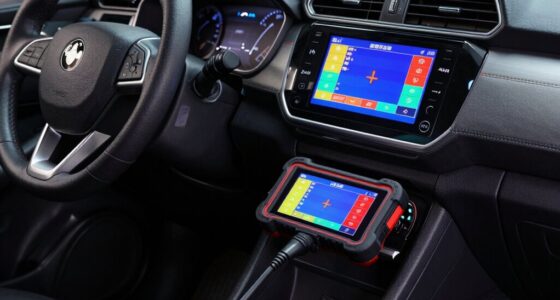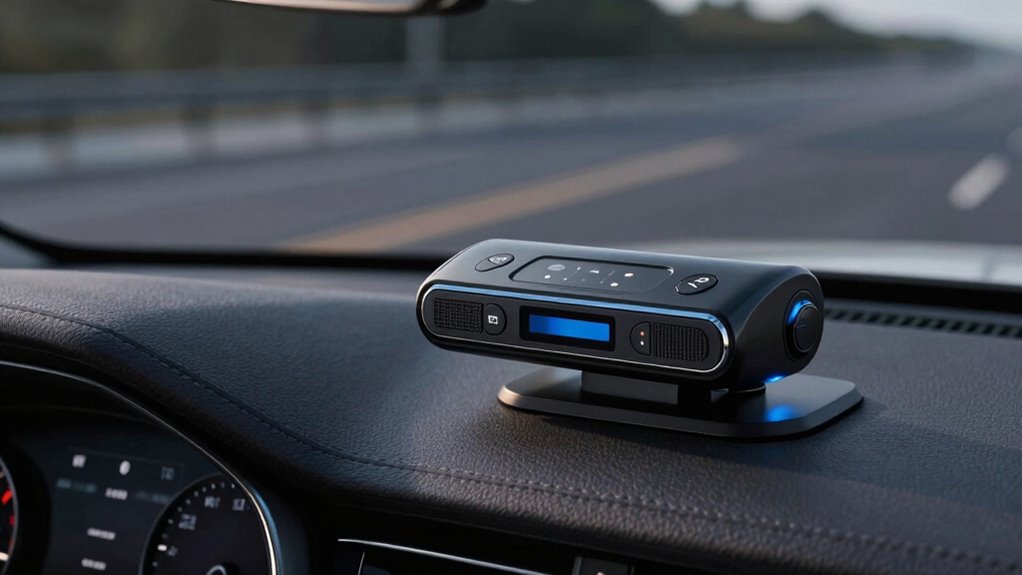
Radar detectors can alert you to police radar signals, but they don’t guarantee detection or protect you from speeding tickets. They work by sensing radar signals from different bands, but environmental factors, signal jamming, and police techniques can limit their effectiveness. Plus, their legality varies depending on your location—using one illegally can lead to fines or license issues. To stay safe and legal, know what these devices can and can’t do; find out more below.
Key Takeaways
- Radar detectors alert drivers to police radar signals but cannot guarantee detection, especially against advanced or laser-based systems.
- Their effectiveness varies due to environmental factors, signal types, and police tactics, making them unreliable as sole safety tools.
- Use of radar detectors is illegal in some regions (e.g., Virginia, Washington D.C., Canada) and can result in fines or license penalties.
- Responsible driving, vehicle maintenance, and awareness are essential; detectors should supplement, not replace, attentive driving.
- Believing detectors or jammers are foolproof is a myth; understanding their limitations helps ensure legal compliance and safety.
What Are Radar Detectors and How Do They Work?

Radar detectors are devices designed to alert you when your vehicle encounters police radar guns used to measure speed. They rely on automotive sensors to pick up radar signals emitted by law enforcement devices. When a radar signal is detected, your detector alerts you so you can adjust your speed accordingly. However, signal interference from other electronic devices or environmental factors can affect their accuracy. Modern radar detectors also incorporate filtering technology to minimize false alarms caused by automatic doors, weather sensors, or other radar sources. Despite their sophistication, they aren’t foolproof, and external factors can sometimes prevent detection. Understanding how automotive sensors work and recognizing potential sources of signal interference helps you use your radar detector more effectively. Additionally, automotive sensors are subject to environmental influences that can impact their performance, which underscores the importance of understanding sensor limitations for optimal use. Being aware of environmental factors such as weather conditions and urban infrastructure can help you interpret detector alerts more accurately and avoid false positives. Recognizing how environmental influences can distort signals allows you to better distinguish between genuine alerts and false alarms. Being familiar with signal propagation principles can further improve your ability to interpret detection alerts accurately.
Are Radar Detectors Effective at Detecting Police Radar?
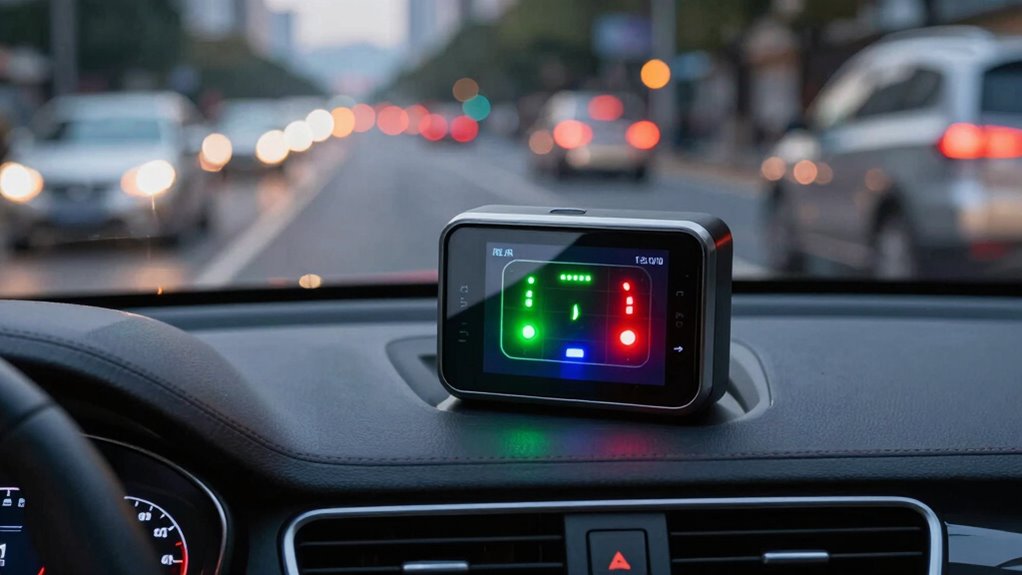
Radar detectors can alert you to police radar, but their effectiveness varies due to detection range limitations. Different radar signals from law enforcement also affect how well detectors pick them up. Understanding these factors helps you know what to expect from your device. Additionally, drone bee health plays a crucial role in maintaining hive stability, which can indirectly influence local environmental conditions that affect radar signal propagation. Monitoring hive health can provide insights into broader ecological impacts that may subtly influence signal clarity. Moreover, factors such as environmental interference can also impact the performance of radar detectors, making it essential to be aware of both technological and ecological influences. Recognizing interference sources can help optimize detection reliability in various conditions. External atmospheric conditions, such as humidity and temperature, can further impact signal detection, emphasizing the importance of understanding both environmental and technological factors.
Detection Range Limitations
While radar detectors can alert you to police radar signals, their effectiveness is limited by detection range. Typically, radar signals for speed detection are strongest at closer distances, so your detector might only pick them up seconds before you’re within the enforcement zone. External factors like signal interference from other electronic devices or nearby structures can further reduce detection range, making alerts less reliable. In some cases, police use instant-on radar or moving radar, which shortens the window for detection. Because of these limitations, you can’t rely solely on your detector to avoid speeding tickets. Instead, use it as an early warning system, understanding that detection range varies based on equipment, environment, and how the radar is operated. Twin Flame Runner phenomena can also cause sudden energy shifts that might temporarily affect radar signals or detection sensitivity.
Varying Radar Signals
Because police use different types and frequencies of radar signals, your detector’s ability to identify them varies greatly, making it difficult to rely on a single device for consistent alerts. Speed cameras often use radar or laser signals that some detectors can detect early, but not always reliably. Laser jamming devices claim to block or interfere with police laser guns, but their effectiveness is limited and often illegal. Varying radar signals, including X, K, and Ka bands, mean your detector might alert to some signals but miss others, especially with newer, more sophisticated systems. This variability highlights the importance of understanding different radar signal types, which directly impacts detector performance and reliability. This inconsistency underscores the importance of understanding that radar detectors aren’t foolproof. They can provide warnings, but they shouldn’t be solely relied upon to avoid speeding tickets or speed camera enforcement.
Types of Radar Detectors: Which One Is Right for You?
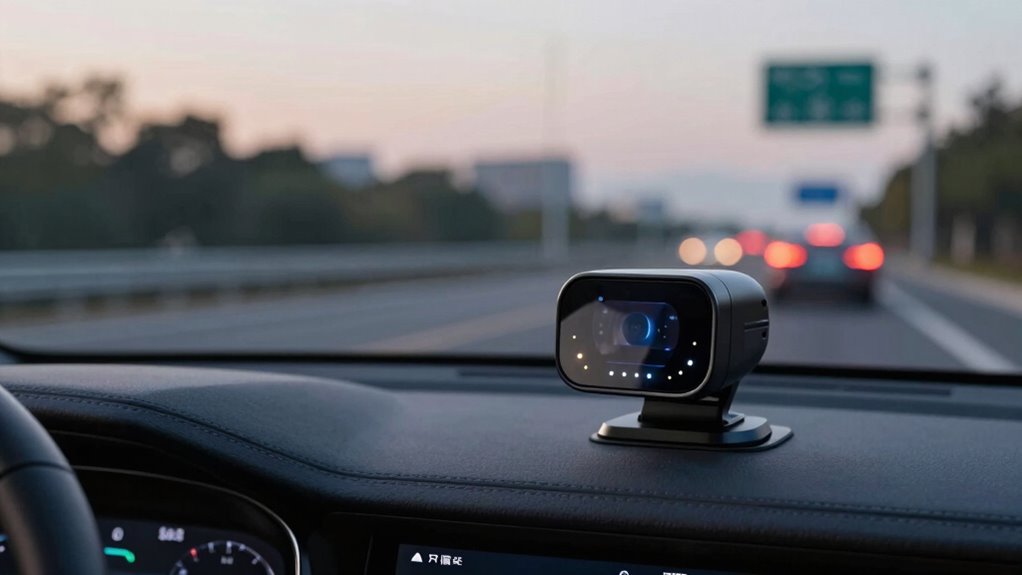
Choosing the right radar detector depends on your driving habits and needs. There are various radar detector types, each with different features and capabilities. Some detectors focus on high detection range, ideal for highway driving, while others prioritize false alert filtering for city use. A detector comparison helps you weigh factors like sensitivity, false alarm reduction, and compatibility with other devices. If you drive frequently on highways, a more advanced detector with long-range detection might suit you best. For casual or city drivers, a simpler, affordable model could suffice. Keep in mind that your local laws may restrict certain types of detectors, so picking one that balances performance with legality is key. Ultimately, understanding the radar detector types guarantees you choose the best fit for your driving style.
Busting Myths About Radar Detectors
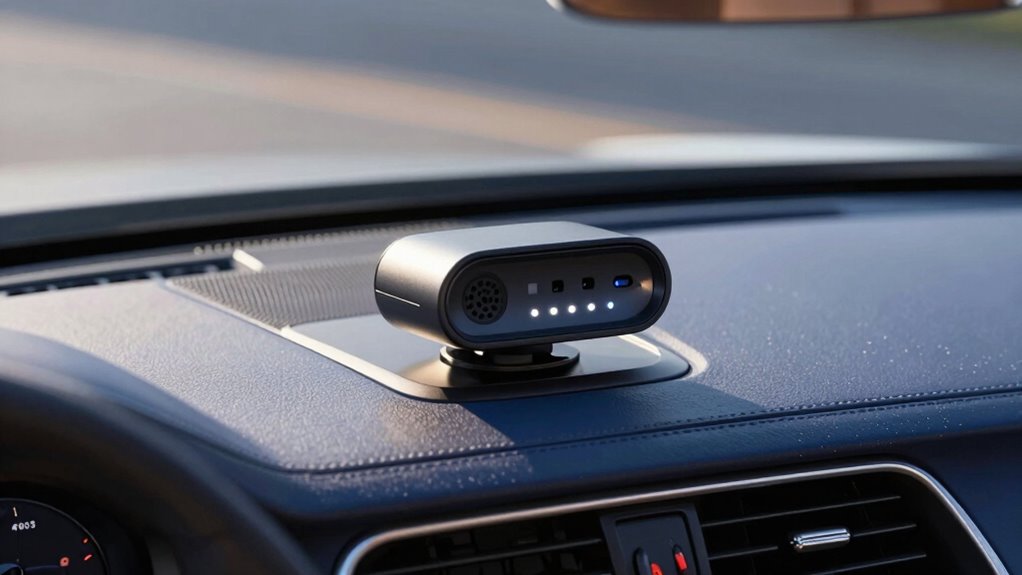
Many people believe myths about radar detectors that just aren’t true. You might think they’re illegal everywhere or that they can’t detect all speed cameras, but reality is different. Let’s clear up these misconceptions and separate fact from fiction. Additionally, some high-quality radar detectors are designed to detect precious metals, which can be useful for certain specialized applications, illustrating the importance of understanding the tools’ capabilities. It is also important to recognize that local laws regarding radar detector use vary significantly, so knowing your jurisdiction’s regulations can prevent potential legal issues.
Common Radar Detector Myths
There are several misconceptions about radar detectors that can lead drivers to rely on false assumptions. One common myth is that radar detectors will always alert you to police radar, but false positives often occur, causing unnecessary alarms. These false positives might come from automatic door openers or other electronic devices. Additionally, many believe jammer technology can completely block radar signals; however, jammers are illegal in many areas and aren’t foolproof. Relying on these myths can give a false sense of security, leading you to believe you’re protected when you’re not. It’s essential to understand the limits of your device and recognize that no radar detector is perfect. Recognizing the limitations of radar detectors can help you make smarter, legal choices on the road. Staying informed helps you make smarter, legal choices on the road.
Myths Versus Reality
Understanding the difference between myths and reality can help you use radar detectors more effectively. Many believe radar detectors can detect every speed trap, but that’s not true. Some speed traps aren’t detectable by radar, and police may use techniques to avoid detection altogether. Additionally, false alarms often lead drivers to ignore real threats. Radar detectors may trigger alerts from automatic door openers, scanners, or other devices, causing unnecessary panic. Busting these myths shows that radar detectors aren’t foolproof; they can help you be more aware of your speed but shouldn’t replace safe driving practices. Knowing these realities ensures you’re better prepared and less likely to be caught off guard by false alarms or undetectable speed traps. false alarms can also be caused by environmental factors, making it crucial to understand their limitations.
Are Radar Detectors Legal to Use?

The legality of radar detectors varies depending on where you are driving. In some states and countries, using a radar detector is completely legal, while in others, it’s prohibited. If you’re approaching a known speed trap, police enforcement might use radar guns to catch speeding drivers. Radar detectors can alert you to these signals, but laws restrict their use in certain areas. For example, in Virginia and Washington D.C., radar detectors are illegal, and you could face fines if caught using one. Conversely, in places where they’re legal, you can use them as a warning to slow down. Always check local laws before relying on a radar detector, so you avoid legal trouble and stay informed about police enforcement tactics. Additionally, the off-road performance of electric dirt bikes can vary based on model and modifications, impacting their suitability for different terrains. Being aware of local regulations regarding radar detectors can help you make informed decisions and avoid inadvertent violations. Understanding the legal status in different regions is essential to ensure compliance and avoid penalties.
Radar Detector Laws by State and Country
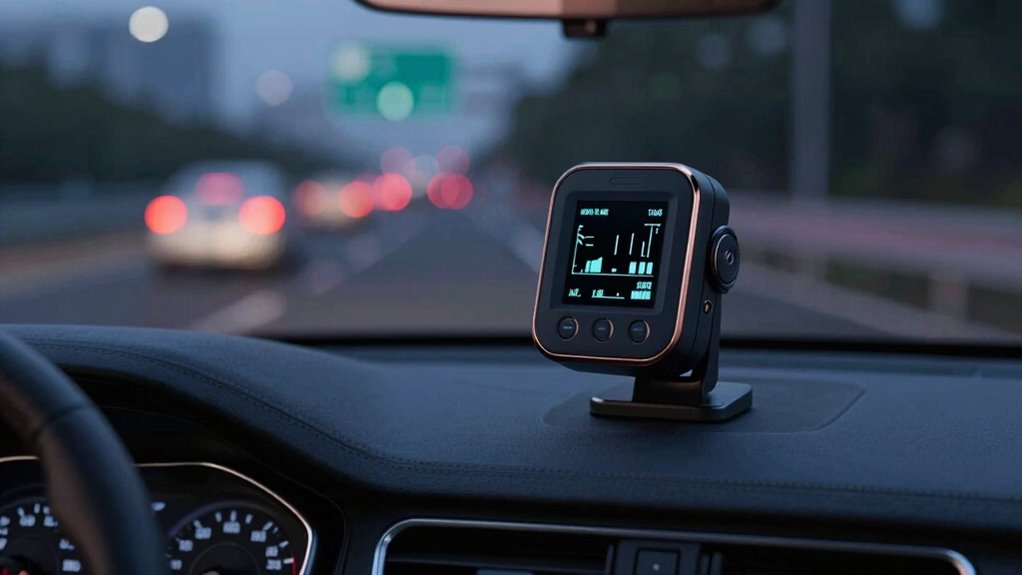
How do radar detector laws vary across different states and countries? In some areas, radar detectors are fully legal, while others ban them outright, especially in commercial vehicles. Many states prohibit using radar detectors near speed traps or within certain zones, emphasizing that they can lead to false alarms and distract you from safe driving. For example, in California, radar detectors are illegal in commercial trucks, but legal for personal vehicles. In Canada, their use is generally prohibited nationwide. Laws can also specify whether you’re allowed to have a radar detector installed or actively functioning. Knowing the specific laws in your state or country helps you avoid fines or confiscation, especially since law enforcement often uses radar to detect speed traps and monitor false alarms.
What Are the Legal Risks of Using Radar Detectors Illegally?
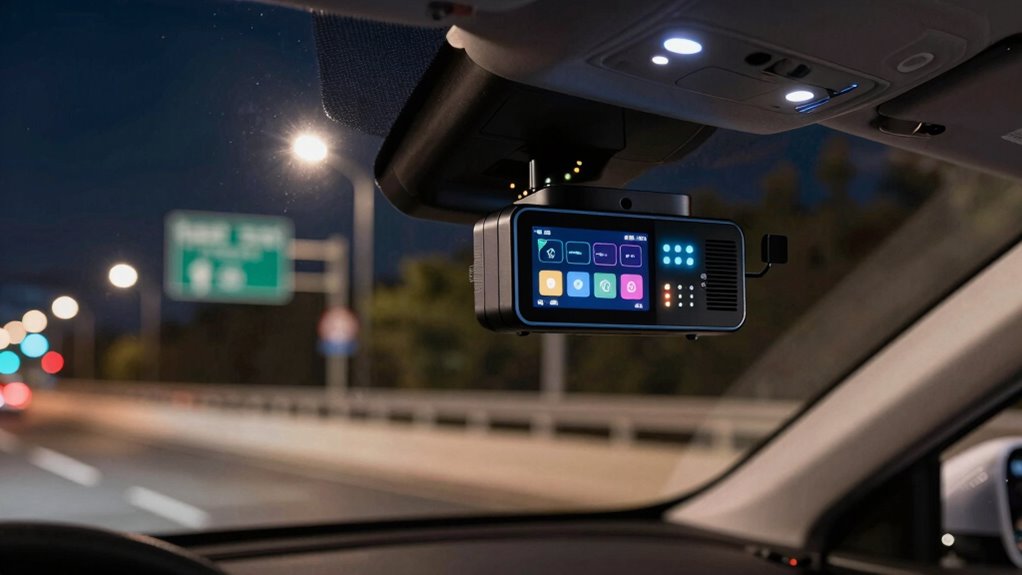
Using radar detectors illegally can lead to significant legal penalties and hefty fines that impact your finances. You might also face increased insurance premiums or even license suspension if you’re caught violating the law. Understanding these risks helps you make informed decisions about when and where to use your detector legally. Additionally, regulatory frameworks like GDPR may influence how data related to your use of such devices is handled or monitored, especially as law enforcement agencies increasingly adopt advanced detection technologies. It is important to be aware of how environmental factors such as local laws and technological advancements can affect the legality and effectiveness of radar detector use. Moreover, home security systems and other security measures are often subject to similar regulations and oversight that can impact their deployment and usage.
Legal Penalties and Fines
Driving with an illegal radar detector can lead to serious legal consequences that vary by state or country. You may face hefty speeding fines, especially if law enforcement catches you with a device designed to evade radar guns. Additionally, authorities can assign license points, which can accumulate and lead to license suspension or higher insurance premiums. In some areas, using an illegal radar detector is considered a misdemeanor or even a criminal offense, resulting in fines or court appearances. These penalties are intended to discourage illegal use and promote safe driving. Keep in mind that the severity of the penalties depends on local laws, so knowing your jurisdiction’s rules can help you avoid costly legal trouble.
Insurance and License Risks
Illegal radar detector use doesn’t just carry legal fines; it also puts your insurance and license at risk. Insurance implications can be serious—if authorities discover you’re using a detector illegally, your insurer might view it as reckless behavior, potentially increasing premiums or denying coverage altogether. Additionally, a license suspension becomes a real threat if law enforcement reports your violation. Many states consider illegal radar detector use as a serious offense, which can lead to losing your driving privileges temporarily or even permanently. These consequences extend beyond immediate fines, affecting your ability to drive legally and financially. To protect your license and insurance, always understand and follow local laws regarding radar detectors, and avoid using them in areas where their use is prohibited.
Are Radar Detectors Worth It?
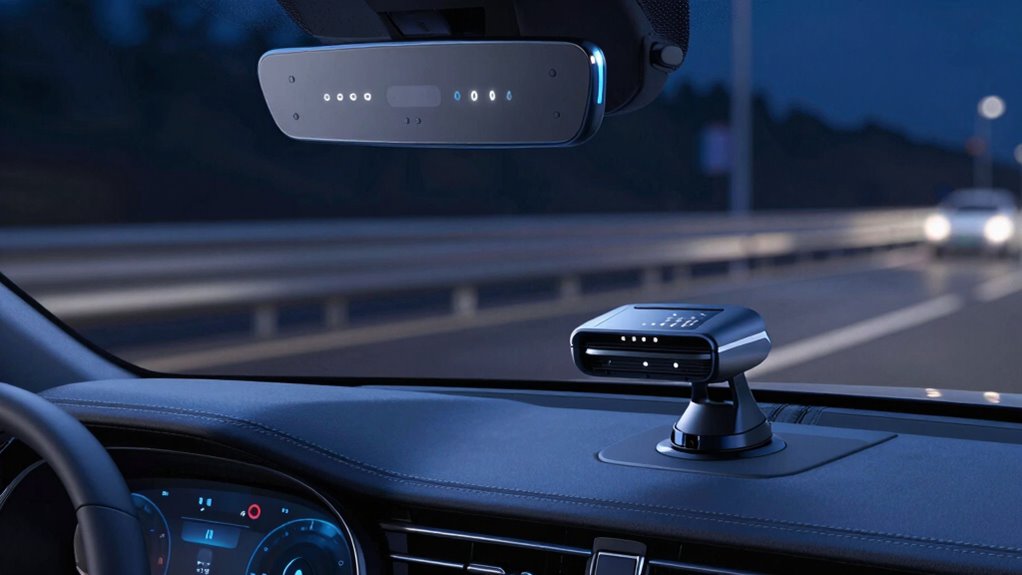
Are radar detectors worth it? It depends on your driving habits and environment. If you frequently encounter speed traps, a detector can give you valuable warning, helping you slow down before getting a ticket. However, false alerts are common and can be annoying, often caused by nearby electronics or other signals. These false alarms might lead to unnecessary worry or distraction, reducing their usefulness. Also, keep in mind that radar detectors don’t guarantee immunity from speeding tickets—they’re just alerts, not foolproof protection. If you drive responsibly and within the speed limit, a radar detector might not be necessary. But if you often find yourself in areas with aggressive law enforcement or unpredictable speed traps, a detector could be a worthwhile tool to think about.
Alternatives to Radar Detectors for Staying Within the Speed Limit
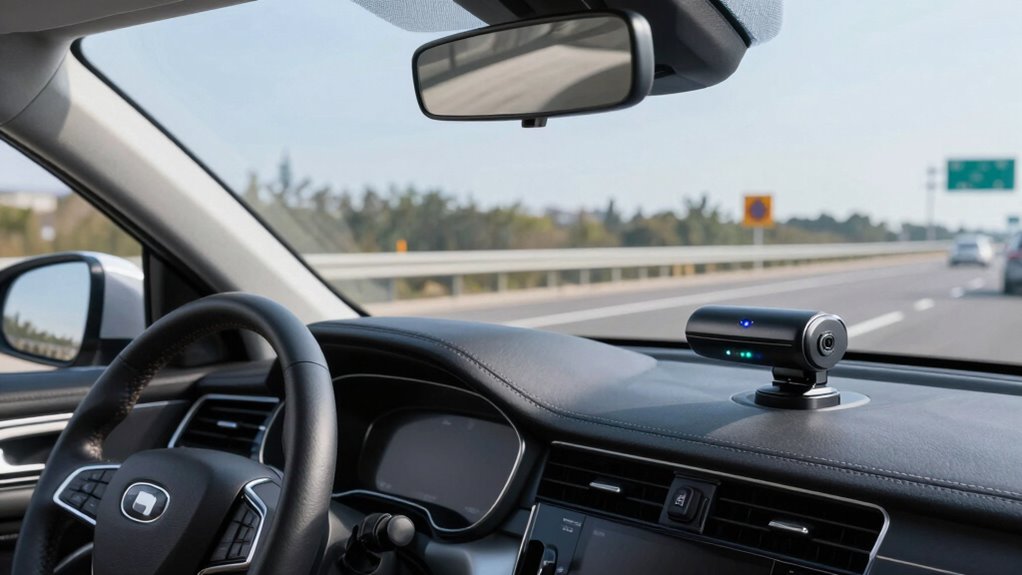
If you want to avoid the risks and distractions of radar detectors, there are effective alternatives to help you stay within the speed limit. One of the best strategies is to pay close attention to your speedometer and adjust your speed accordingly. Using cruise control on highways can maintain a steady pace and reduce the temptation to speed. Staying aware of common police tactics, like speed traps or unmarked patrol cars, can help you anticipate areas where you might get caught. Regularly checking traffic signs and speed limit zones minimizes the chances of speeding fines. Ultimately, practicing cautious driving and being mindful of your surroundings is the most reliable way to avoid penalties and stay safe on the road.
Final Tips for Staying Within the Law and Driving Safely
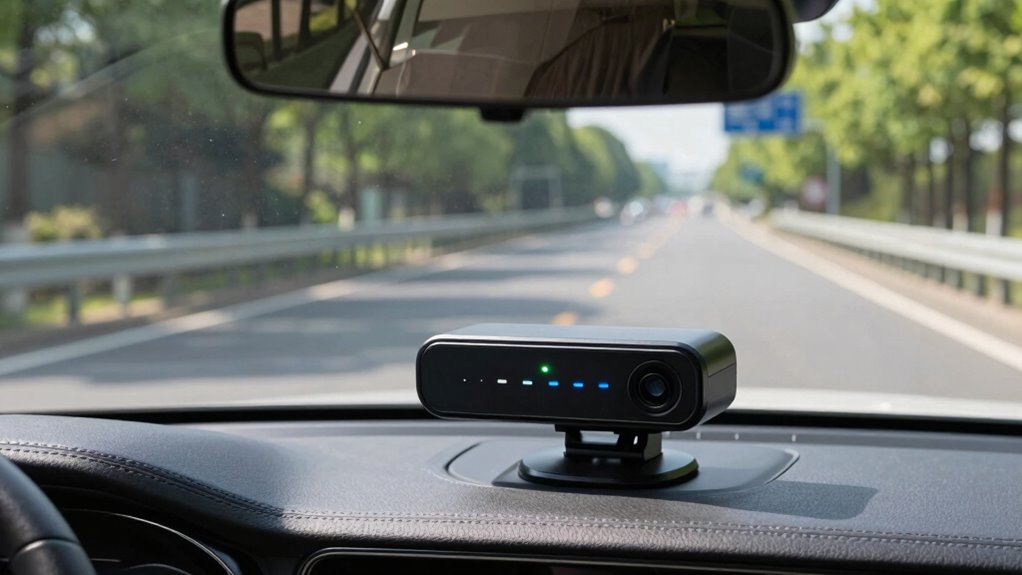
To stay within the law and guarantee your safety on the road, maintaining awareness and responsible driving habits are essential. Always observe posted speed limits and avoid aggressive driving, which can lead to speeding fines and dangerous situations. Using radar detectors responsibly means knowing their limitations and focusing on safe driving rather than solely relying on technology. Keep your attention on the road, anticipate traffic conditions, and adjust your speed accordingly. Remember, staying within legal limits protects your driver safety and helps avoid costly penalties. Regularly check your vehicle’s condition to prevent accidents. Ultimately, responsible driving not only keeps you compliant with the law but also reduces the risk of accidents, ensuring a safer journey for everyone.
Frequently Asked Questions
Can Radar Detectors Be Used in Commercial Vehicles?
You can’t use radar detectors in commercial vehicles because of commercial vehicle regulations that generally prohibit their use. Laws vary by state, but radar detector legality for commercial trucks is often restricted or outright banned. Check your local regulations before considering a radar detector for a commercial vehicle, as violating these rules could lead to fines or penalties. Stay informed to avoid legal issues and guarantee compliance.
Do Radar Detectors Work Against All Types of Police Speed Detection Devices?
Radar detectors do not work against all police speed detection devices. They are effective mainly against radar guns but may give false positives from automatic door openers or other electronics, and false negatives if police use laser or newer detection methods. You should know that while detectors can alert you to some speed traps, they’re not foolproof and can sometimes miss or falsely signal, so always drive safely and within limits.
How Often Do Radar Detectors Need Firmware Updates?
Like a trusted sidekick, your radar detector needs regular firmware updates to stay sharp. You should check for updates every 3 to 6 months, depending on detector compatibility and new threats. Firmware updates fix bugs, improve detection capabilities, and keep your device current with the latest radar and laser technology. Staying up-to-date guarantees your detector performs at its best, so don’t wait—your safety depends on it.
Are There Any Privacy Concerns With Using Radar Detectors?
You might have privacy concerns with radar detectors because some models collect data on your location and usage. While most devices are designed to protect your privacy, certain features or updates could enable data collection, which may be shared with third parties. To avoid this, choose detectors with clear privacy policies, disable unnecessary sharing options, and stay informed about how your device handles your data.
Can Radar Detectors Interfere With Vehicle Safety Systems?
Think of radar detectors as vigilant guardians, but sometimes false alerts can act like mischievous spirits, causing unnecessary worry. Generally, they don’t interfere with your vehicle’s safety systems, but legal restrictions vary by region. If not used properly, they might distract you or trigger false alerts, so stay informed and use them responsibly to keep your driving safe and legal. Remember, a cautious driver always navigates wisely.
Conclusion
Now that you know the ins and outs of radar detectors, you’re better equipped to make smart choices on the road. Remember, no gadget can turn you into a perfect driver overnight—think of radar detectors as helpful sidekicks, not magic wands. Stay legal, stay safe, and don’t let speeding turn your drive into a wild rollercoaster ride. With responsible habits, you’ll cruise smoothly, avoiding tickets and keeping your driving adventure enjoyable and stress-free.