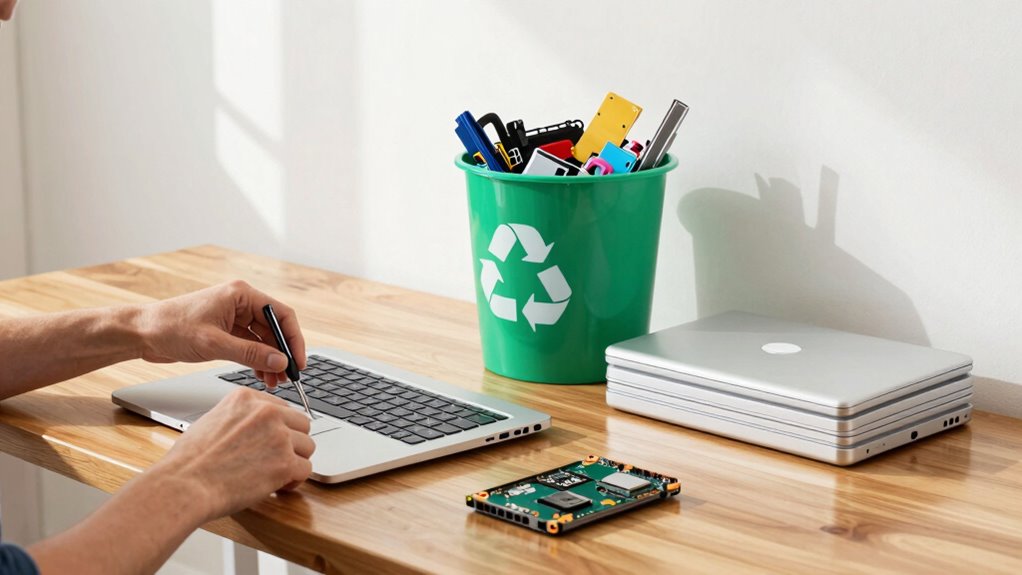

When replacing your tech, avoid throwing devices in the trash. Instead, evaluate whether they can be upgraded, reused, or recycled responsibly. Look for certified e-waste recycling centers or donation programs in your area that ensure safe disposal of hazardous materials and recovery of valuable resources. Prepare your devices by backing up data and performing factory resets to protect privacy. Want to learn how to dispose of your equipment in a way that’s safe for the planet? Keep going.

Get business pricing on monitors, keyboards and dev gear
- Business-only prices and quantity discounts
- Tax-exempt purchasing
- Multiple users, one account, clear invoices
Key Takeaways
- Recycle your devices at certified e-waste facilities to prevent environmental harm and recover valuable materials.
- Backup data, wipe personal information, and perform factory resets before donating or recycling electronics.
- Consider refurbishing or repurposing old devices for new uses like security cameras or smart home hubs.
- Support battery recycling programs to recover resources and reduce hazardous waste.
- Stay informed about local e-waste laws and choose responsible disposal methods over trash to protect the environment.
certified e-waste recycling centers
As an affiliate, we earn on qualifying purchases.
As an affiliate, we earn on qualifying purchases.
Why Responsible Tech Disposal Matters for Your Wallet and the Environment
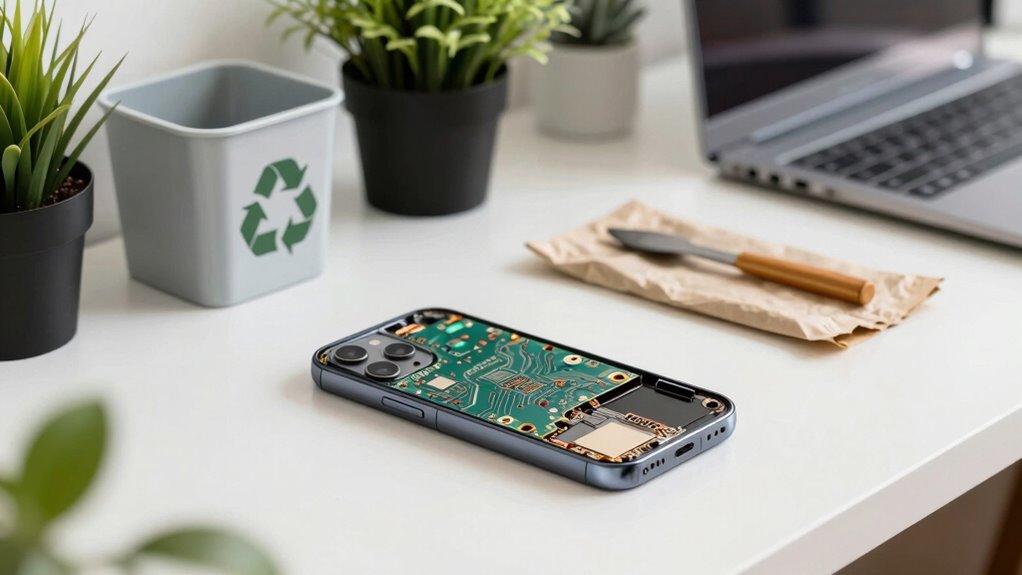
Although it might seem like a small act, responsibly disposing of your old tech can save you money and protect the environment. E-waste legislation helps guarantee proper disposal methods, preventing hazardous materials from polluting ecosystems. Participating in tech donation programs is a smart way to give your devices a second life, reducing waste and supporting those in need. When you follow these practices, you not only avoid potential legal issues but also contribute to a healthier planet. Proper disposal minimizes the risk of data breaches and reduces the demand for new resources. Understanding the cultural significance of Indonesian masks and incorporating them responsibly into your decor can also promote appreciation for diverse artistic traditions. By understanding and adhering to e waste legislation and engaging in tech donation programs, you make a positive impact while saving money and promoting sustainability. Engaging with responsible disposal methods ensures that electronic waste is managed safely and effectively, aligning with best environmental practices. Mastering Guided Access and Accessibility Tips for Kids can further enhance your understanding of responsible device use and management. Additionally, proper disposal plays a crucial role in supporting the development of sustainable whole-home water systems, which can reduce resource consumption and improve household efficiency. Recognizing the importance of contrast ratio in projectors can also guide you in selecting devices that maximize image quality while reducing energy consumption.
device data backup and factory reset tools
As an affiliate, we earn on qualifying purchases.
As an affiliate, we earn on qualifying purchases.
How to Evaluate Which Old Devices Are Worth Upgrading, Reusing, or Recycling
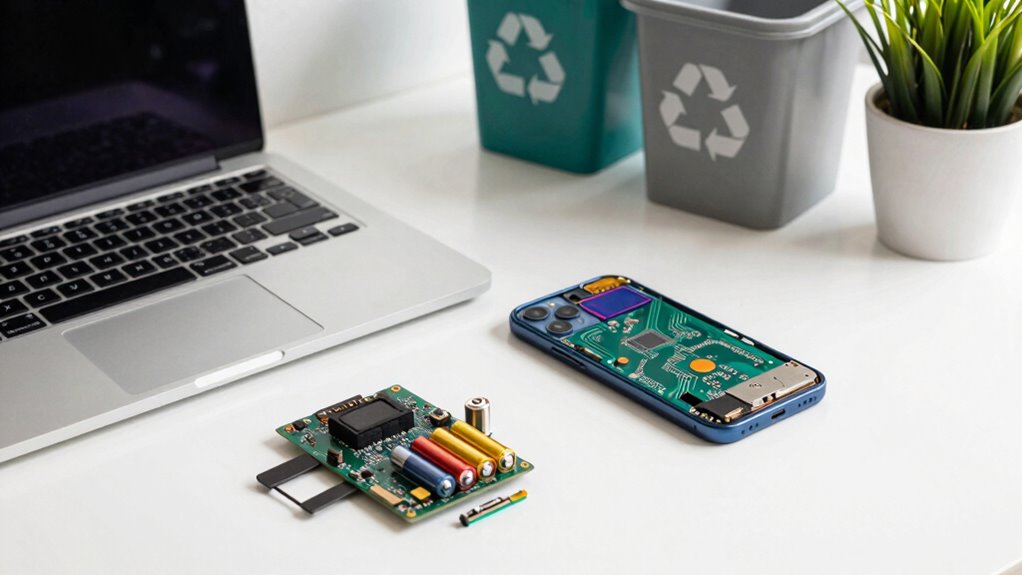
Start by evaluating your device’s performance to see if it still meets your needs. Next, consider whether upgrading parts or reusing it is a viable option before recycling. Additionally, understanding digital concepts can help you make more informed decisions about device longevity and sustainability. Recognizing technology lifecycle can assist in planning for responsible disposal and reuse. For example, becoming familiar with work-life harmony principles can guide you toward more balanced technology use and reduce burnout. Also, considering the value of electric bikes, which can produce significant horsepower and speed, might influence your decision to upgrade or repurpose certain devices. Finally, explore recycling options to dispose of devices that no longer serve a purpose safely and responsibly.
Assess Device Performance
How can you determine if an old device is still worth keeping? Start by checking the battery health—if it drains quickly or won’t hold a charge, it’s a sign to contemplate replacement. Next, verify if your device still receives current software updates; outdated software can compromise security and performance. Then, test its speed and responsiveness by opening apps and browsing; lagging indicates it may need replacing. Finally, evaluate overall hardware condition—look for visible damage or malfunctioning components. By considering these factors, you can gauge whether your device still performs well or if it’s time to recycle or upgrade. Remember, a device with good battery health, recent updates, and smooth operation is worth holding onto longer.
Determine Upgrade Potential
When evaluating whether to upgrade, reuse, or recycle your old devices, consider their current capabilities and potential for future use. Check the battery life—if it no longer holds a charge or drains quickly, upgrading might be limited. Additionally, assessing sound vibrations can reveal if the device’s internal components are still functioning optimally, which can influence your decision. Also, assess software compatibility; if your device can’t run the latest operating system or essential apps, its usefulness diminishes. Older devices with decent battery life and good software support are prime candidates for upgrading or reusing. If these aspects are lacking, recycling becomes a responsible choice. Remember, a device with a weak battery or outdated software isn’t worth investing in, but it can still have value if properly recycled. Proper Gold IRA Rollovers can provide a secure financial future, even when recycling old devices. Conducting a device performance test, including evaluating internal component health, can further help you determine its suitability for reuse or upgrade, ensuring you make the most responsible decision. Additionally, understanding piercing care and hygiene can inform how you handle and repurpose old tech accessories or devices to prevent contamination or damage, promoting a more sustainable approach. This evaluation helps you make an informed decision that extends your device’s lifespan responsibly.
Identify Recycling Options
To determine whether your old devices should be upgraded, reused, or recycled, you need to evaluate their current condition and potential value. Consider these factors:
- Battery lifespan – if batteries no longer hold a charge, replacement might be be worth it or recycling is preferable.
- Software updates – devices unable to run the latest software are less useful and should be considered for recycling.
- Physical condition – cracked screens or water damage can impact reuse options.
- Data security – confirm data is wiped before donating or recycling to protect your privacy.
- Environmental impact considerations – understanding Lifevest Advisors principles can guide you toward more sustainable disposal choices. Additionally, knowing how Crores translate to other units can help you better assess the value or cost of upgrading or recycling devices with large data capacities. Recognizing device depreciation can also assist in making cost-effective decisions about whether to upgrade or replace your tech. Proper disposal methods not only reduce environmental harm but also ensure compliance with e-waste regulations, which is crucial for responsible recycling.
refurbished smart home security cameras
As an affiliate, we earn on qualifying purchases.
As an affiliate, we earn on qualifying purchases.
Eco-Friendly Ways to Upgrade and Dispose of Your Devices
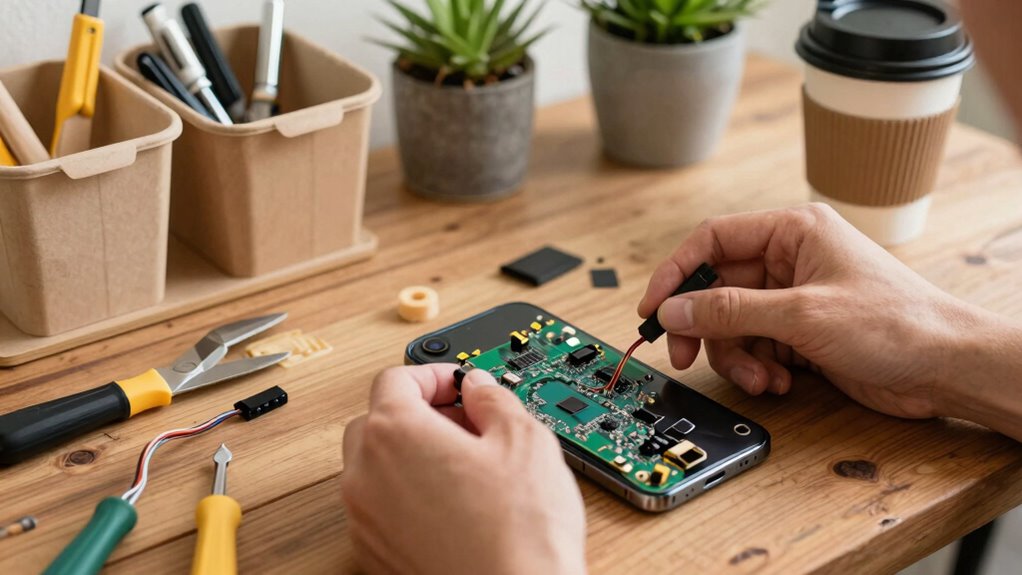
Upgrading your devices responsibly starts with choosing eco-friendly options, such as recycling old gadgets or donating them to extend their lifespan. Many people believe tech myths that suggest tossing electronics is harmless, but proper disposal reduces environmental harm. Practicing good gadget etiquette means not only upgrading thoughtfully but also ensuring your old devices are disposed of properly. Instead of throwing devices in the trash, seek out certified e-waste programs or donation centers. This approach minimizes e-waste and conserves resources. Remember, responsible upgrading isn’t just about getting the latest tech—it’s about making sustainable choices that protect the environment. By staying informed and acting consciously, you help reduce pollution and promote a greener future for everyone.
As an affiliate, we earn on qualifying purchases.
How to Find Certified E-Waste Recycling Centers Near You
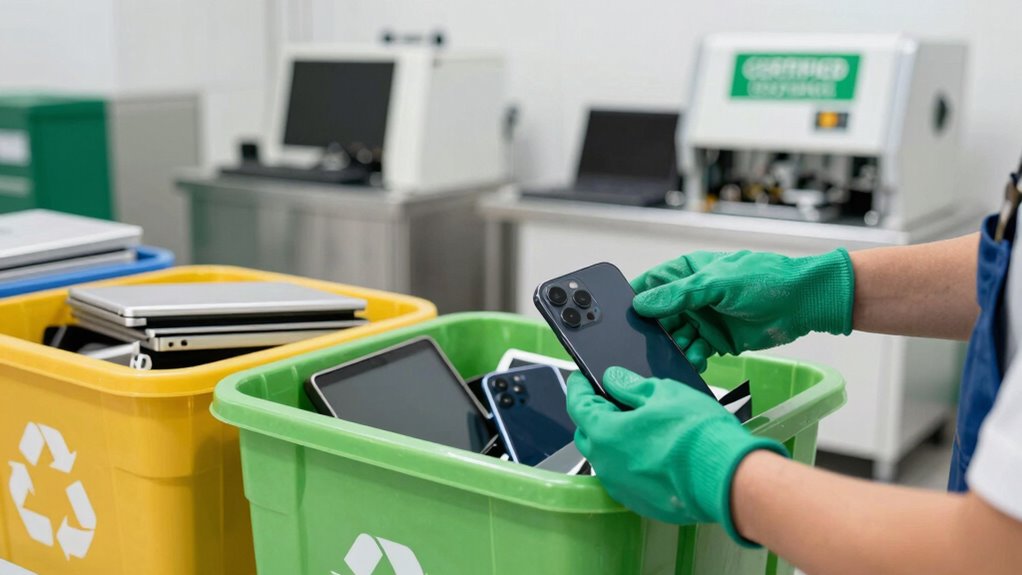
Finding certified e-waste recycling centers near you is a vital step in ensuring your old devices are disposed of responsibly. To locate one, start by checking local government websites or environmental agencies. Here’s what you might find:
Locate certified e-waste recycling centers via local government websites for responsible disposal.
- Centers that accept electronics for battery recycling and proper disposal.
- Places that support electronic donation programs, giving devices a second life.
- Certified facilities following strict environmental standards.
- Drop-off locations conveniently situated in your community.
Preparing Your Devices for Recycling or Resale: A Step-by-Step Guide
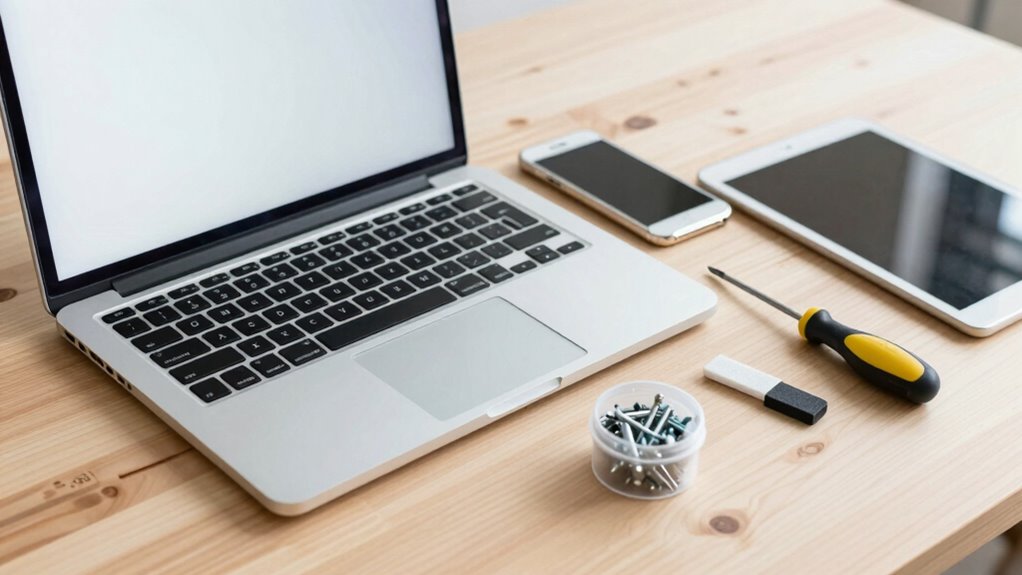
Before recycling or reselling your devices, take a few simple steps to guarantee your personal information is secure and the device is ready for its next owner. Start by backing up important data and performing a factory reset. Remove any accessories, SIM cards, or external storage. Check the battery maintenance status—if your device has a removable battery, consider replacing or properly disposing of it. Review warranty considerations to ensure there are no pending repairs or issues that could affect resale value. Use the table below to guide your preparations:
| Step | Action |
|---|---|
| Backup Data | Save important files and photos to a secure location. |
| Factory Reset | Erase all personal information from the device. |
| Remove Accessories | Detach cases, chargers, and SIM cards. |
| Check Battery Condition | Ensure the battery is functioning well or replace if needed. |
| Review Warranty Status | Confirm warranty is up-to-date or note any ongoing repairs. |
Additionally, verifying the security features of your device can help protect your data during the transfer process and ensure your device is ready for resale or recycling. Properly assessing your device’s software updates can also improve its resale value and security.
Why Choose Refurbished or Certified Pre-Owned Tech? Benefits and Considerations
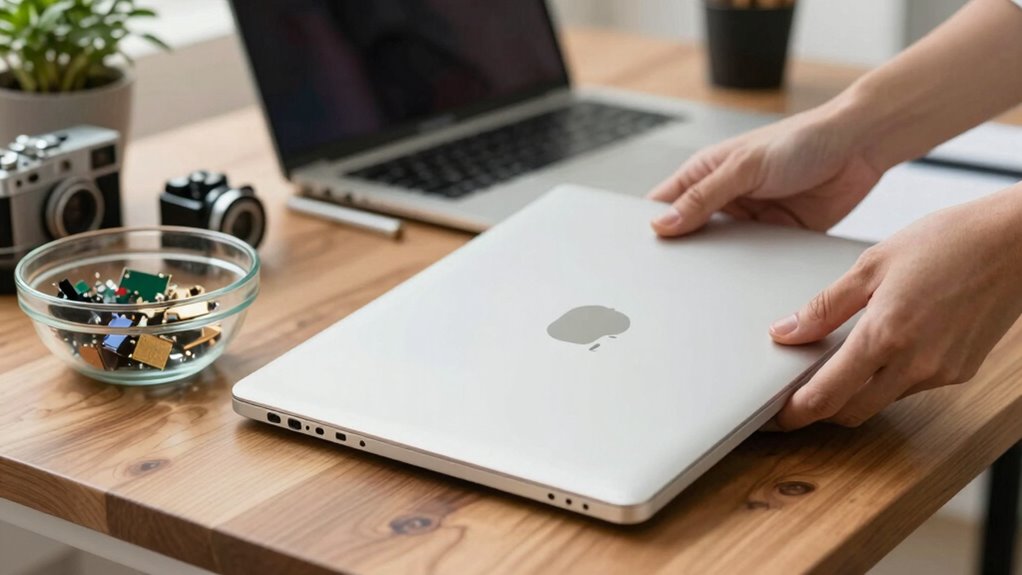
Choosing refurbished or certified pre-owned tech can save you money without guaranteeing quality. These devices often undergo rigorous testing to ensure reliability, giving you peace of mind. Considering these benefits can help you make smarter, more responsible tech decisions. Embracing calm and clarity in your choices can lead to a more virtuous and sustainable approach to technology.
Cost Savings Benefits
Opting for refurbished or certified pre-owned tech can substantially reduce your expenses without sacrificing quality. This choice is a smart way to implement savings strategies while still getting reliable devices. Here’s how it benefits your tech cost:
- Significant price reductions—often 20-50% less than new models.
- Lower depreciation—refurbished devices hold their value longer.
- Extended device lifespan—reconditioned tech is built to last.
- Reduced waste—supporting eco-friendly practices saves money and the environment.
Quality and Reliability
When considering refurbished or certified pre-owned tech, many assume these devices might compromise on quality or reliability. However, reputable refurbishers thoroughly test and restore devices to ensure they meet high standards. You’ll often find battery longevity comparable to new devices, as batteries are replaced when needed. Hardware durability is also prioritized, with components inspected and repaired to prevent future issues. Certification processes verify that the device performs reliably, giving you confidence in its longevity. While some older models may have minor signs of wear, their core functionality remains robust. Choosing certified refurbished tech offers a dependable option without sacrificing quality, all while reducing electronic waste. With careful selection, you get reliable performance and peace of mind in your tech upgrade.
How to Safely Wipe Your Data Before Disposing of Devices
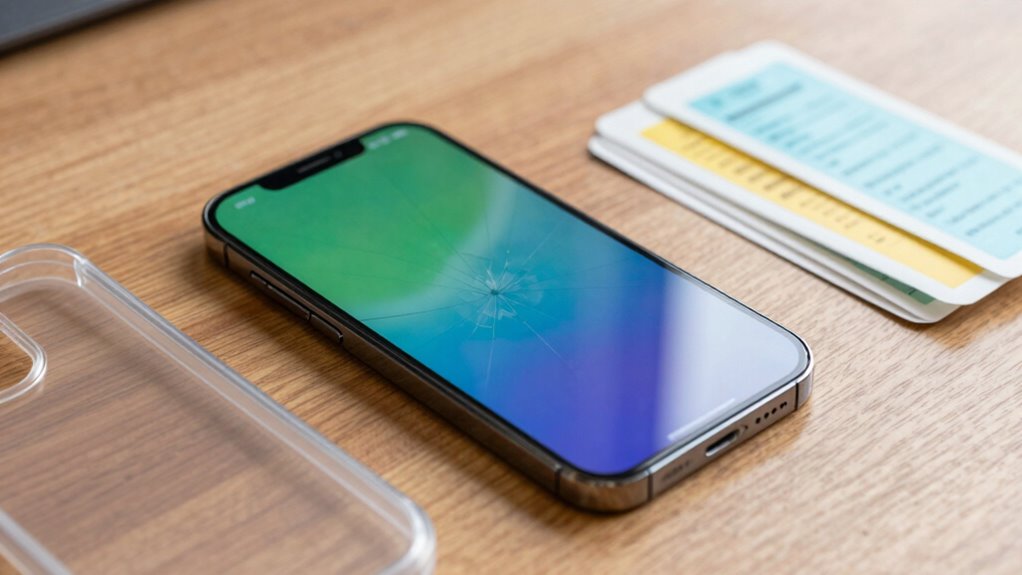
Before disposing of your devices, it’s essential to securely wipe your data to protect your personal information from falling into the wrong hands. Start by backing up important files, then use data encryption to lock your data. Next, perform a factory reset to erase all settings and apps. For added security, consider these steps:
- Encrypt your data with reliable software.
- Sign out of all accounts and disable device tracking.
- Perform a factory reset to restore the device to its original state.
- Physically destroy storage components if necessary, especially for sensitive data.
These steps ensure your information stays safe and unreadable. Remember, a combination of data encryption and a factory reset provides the best protection before you dispose of your tech responsibly.
Creative Ways to Repurpose Your Old Tech Around Home and Office

Your old devices can find new purpose around your home or office with simple upgrades. Turn an outdated tablet into a security camera, or repurpose an extra laptop as a digital photo frame. You can also transform your old tech into a smart home hub to control devices more efficiently.
Turn Old Devices Into Security Cameras
Turning old smartphones and tablets into security cameras offers a cost-effective way to enhance your home or office surveillance. First, check device compatibility to ensure your device supports camera apps. Second, consider the battery lifespan; older devices may need frequent charging or a power source. Third, choose a reliable security app that offers motion detection and remote access. Fourth, position your device in a strategic spot—like entrances or hallways—for maximum coverage. Using a sturdy mount or stand keeps your device steady. This setup not only saves money but also repurposes tech responsibly. Just be mindful of battery wear, which could limit long-term use, and verify device compatibility to avoid frustration. With some simple adjustments, your old tech becomes a smart, affordable security solution.
Create a Digital Photo Frame
Transforming an old tablet or smartphone into a digital photo frame is a simple and creative way to breathe new life into devices you no longer use. To guarantee it lasts, consider the battery lifespan—over time, batteries degrade, so keep the device plugged in or replace the battery if needed. Before repurposing, check the warranty coverage; if your device is still under warranty, avoid opening or modifying it to prevent voiding the coverage. Once set up, install a photo slideshow app and secure the device in a prominent spot. This project not only saves money but also reduces e-waste. Plus, it keeps your favorite memories on display, turning your old tech into a charming, functional decor piece around your home or office.
Use as a Smart Home Hub
Even if you’re no longer using an old tablet or smartphone, it can still serve a valuable purpose by acting as a smart home hub. You can connect and control your smart devices effortlessly. Consider these options:
- Use it to manage smart lights, locks, and thermostats from a centralized screen.
- Set up voice assistants for hands-free control and automation.
- Install security camera feeds for quick access and monitoring.
- Keep it connected to Wi-Fi with tech insurance or warranty options for added protection against malfunctions.
Repurposing your device as a smart home hub extends its life, saves money, and reduces waste. Plus, it’s a practical way to maximize your old tech without worrying about technical issues, knowing you have coverage options if needed.
The Environmental Impact of E-Waste: And How You Can Make a Difference
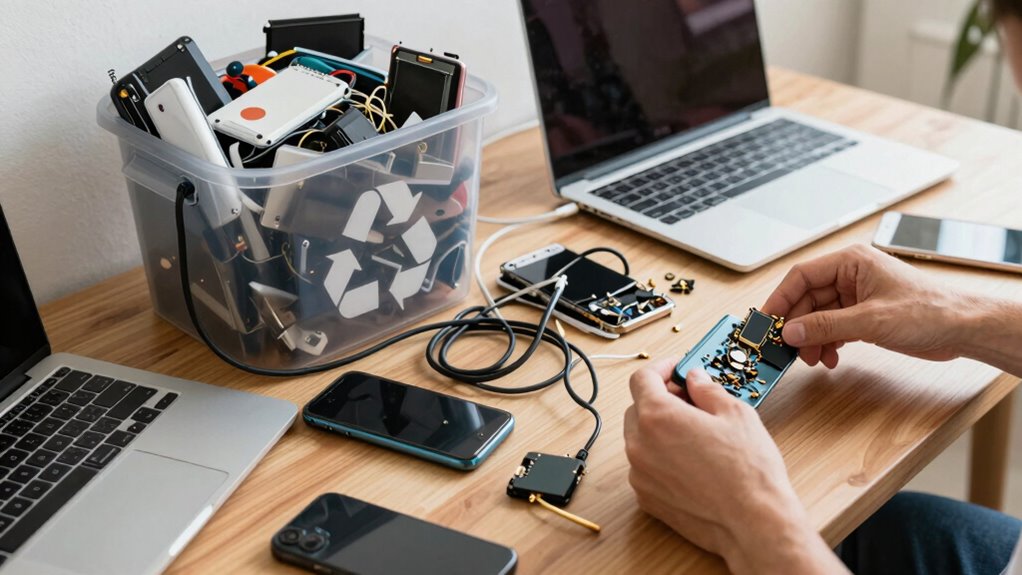
E-waste is one of the fastest-growing environmental problems today, as millions of electronic devices are discarded each year. Improper disposal releases toxic substances into soil and water, harming ecosystems and human health. You can make a difference by supporting battery recycling programs, which recover valuable materials and reduce hazardous waste. Staying informed about e waste legislation in your area helps guarantee your old devices are disposed of responsibly. Proper recycling prevents harmful chemicals like lead and mercury from contaminating the environment. Additionally, choosing certified e-waste recyclers assures your devices are processed safely and sustainably. Your conscious actions, like recycling and adhering to local laws, contribute notably toward reducing e-waste’s environmental impact and promoting a healthier planet.
Commit to Responsible Tech Upgrades and Disposal: Your Next Steps
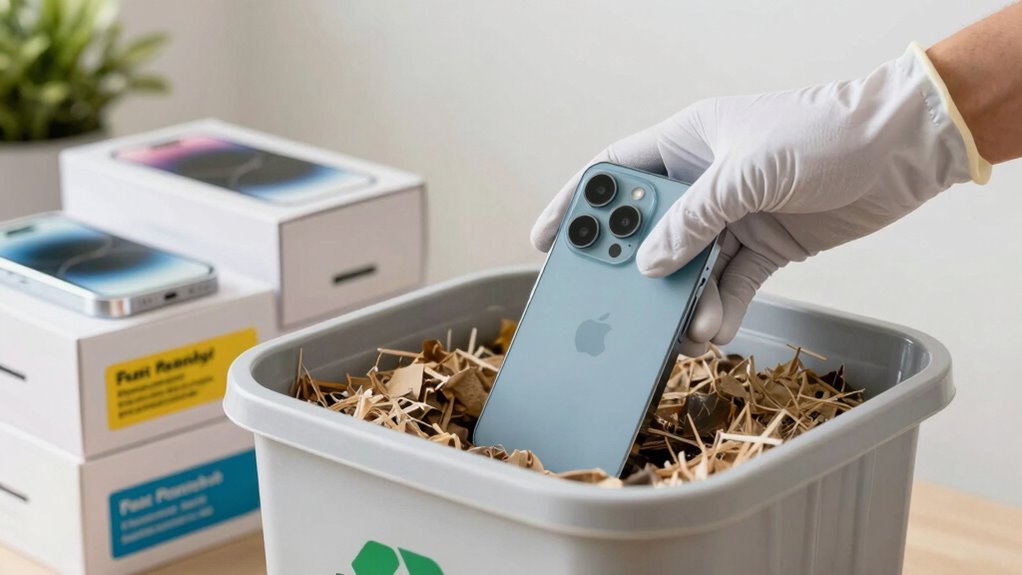
Making responsible choices with your electronic devices doesn’t end at recycling; it also means committing to thoughtful upgrades and proper disposal. To extend device longevity and support sustainable tech maintenance, consider these steps:
- Regularly clean and update your devices to prevent unnecessary replacements.
- Opt for upgrades that enhance performance instead of buying new devices prematurely.
- Choose responsible disposal methods, such as certified e-waste programs, when upgrading.
- Research options for donating or reselling devices instead of discarding them.
Frequently Asked Questions
How Often Should I Upgrade My Tech Devices Responsibly?
You should upgrade your tech devices based on their tech lifespan, which typically ranges from 3 to 5 years. To be responsible, consider upgrading every 3 to 4 years, ensuring peak performance without unnecessary waste. Regularly assess your device’s functionality and software updates; if they slow down or become unsupported, it’s time for an upgrade. This balance helps extend your device’s usefulness while minimizing environmental impact.
Are There Financial Incentives for Recycling Old Electronics?
Yes, there are financial incentives for recycling old electronics. Many e-waste regulations and recycling programs offer rebates, discounts, or trade-in value when you responsibly recycle your devices. You can take advantage of these programs through manufacturer trade-ins or local recycling initiatives. Not only does this help the environment, but it also saves you money. Always check your local e-waste regulations and recycling programs to maximize these benefits.
Can I Donate My Used Devices to Charity Organizations?
Yes, you can donate your used devices to charity organizations. Device donation is a great way to support charitable electronics initiatives that help those in need. Many charities accept gently used smartphones, tablets, and laptops, refurbish them, and distribute them to underserved communities. Before donating, confirm your devices are wiped clean and functional. Your thoughtful contribution can make a meaningful difference, promoting sustainability and helping others access technology.
What Are Common Signs My Device Needs Recycling or Upgrading?
If your device’s battery health drops below 80%, it’s a clear sign you should consider recycling or upgrading. Also, if your software becomes obsolete and apps or features no longer work properly, it indicates it’s time for an upgrade. Don’t ignore sluggish performance or frequent crashes, as they often point to hardware aging. Recognizing these signs helps you responsibly replace your tech, reducing waste and supporting sustainable choices.
How Can I Ensure My Data Is Fully Unrecoverable After Disposal?
To make certain your data is fully unrecoverable after disposal, you should perform secure data erasure using data sanitization methods. Use specialized software to overwrite your device’s storage multiple times or physically destroy the storage media if necessary. This process guarantees that sensitive information can’t be recovered, protecting your privacy and complying with data protection standards. Always verify that the data sanitization was successful before recycling or discarding your device.
Conclusion
By choosing responsible disposal, you’re not just freeing up space—you’re saving the planet from an onslaught of toxic e-waste that could choke our oceans and suffocate our wildlife. Imagine your old devices transforming into vibrant new life or peacefully returning to the earth without causing harm. Every small step you take in recycling and reusing has the power to stop a mountain of trash from crashing down on our future. Be a hero—dispose responsibly!
Fall Picks
fall essentials
As an affiliate, we earn on qualifying purchases.