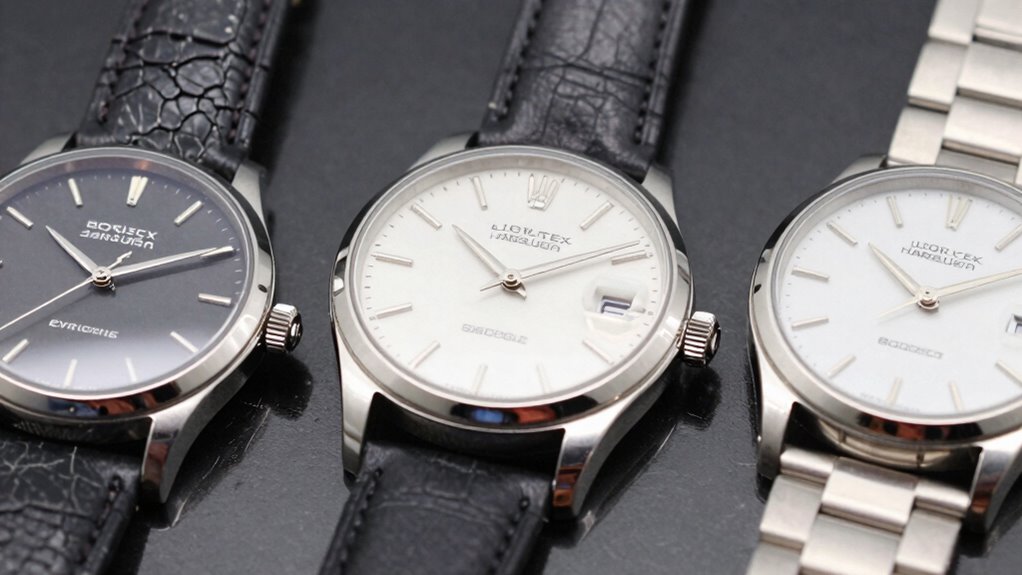

To avoid counterfeits, check seller ratings and reviews for signs of trustworthiness, and be cautious of overly perfect scores. Look closely at branding, logos, and packaging for inconsistencies or poor quality. Compare prices with reputable sites—if a deal seems too good to be true, it probably is. Examine product descriptions for grammar mistakes and verify authenticity seals or holograms. Watch for suspicious payment methods like untraceable options. If you continue exploring, you’ll learn how to spot these red flags easily.

Get business pricing on monitors, keyboards and dev gear
- Business-only prices and quantity discounts
- Tax-exempt purchasing
- Multiple users, one account, clear invoices
Key Takeaways
- Verify seller ratings, reviews, and background checks to ensure credibility.
- Examine logos, packaging, and holograms for discrepancies and quality issues.
- Compare product prices and descriptions with official sources to identify suspicious deals.
- Check for tampered seals, microtext, and authentic holograms to confirm product genuineness.
- Trust your instincts and consult experts when in doubt about authenticity or suspicious listings.
How to Verify Seller Credentials and Spot Suspicious Deals

To protect yourself from counterfeit products, it’s crucial to verify a seller’s credentials before making a purchase. Start by checking their seller reputation on the platform—look for high ratings, positive reviews, and consistent feedback. A well-established seller with a solid transaction history indicates reliability and trustworthy dealings. Be cautious of sellers with limited or suspiciously perfect ratings, as these can be manipulated. Review their past transactions for patterns of successful, legitimate sales. If you notice frequent complaints or unresolved issues, consider avoiding that seller. Additionally, read reviews from other buyers to gauge their experiences. Taking these steps helps guarantee you’re buying from a reputable source and reduces the risk of falling for counterfeit products. Always ensure the seller offers authentic products by verifying seller credentials and product authenticity checks, as these are critical factors in avoiding counterfeit items. Conducting a background check on the seller can provide further assurance of their legitimacy and credibility. Understanding the Twin Flame vs Soul Tie distinction can help you make more discerning choices in your emotional and spiritual pursuits. Moreover, educating yourself about common counterfeit warning signs can empower you to recognize potential frauds before engaging in a transaction.
Recognize Fake Branding and Logos to Protect Yourself

Recognizing fake branding and logos is essential to avoid counterfeit products. Counterfeiters often use brand imitation techniques, making it tricky to spot fakes based solely on appearance. Look for logo discrepancies such as incorrect fonts, colors, or spacing, which often signal a fake. Pay attention to details like misspelled brand names or poorly executed emblems. Authentic brands usually maintain strict quality control, so any inconsistencies can be red flags. Also, check the overall logo design—if it looks off or different from the official branding, it’s likely a counterfeit. To help identify fakes, consider these signs:
- Slight differences in logo shape or size
- Inconsistent font styles or colors
- Low-quality print or embroidery
- Misspelled brand names
- Unusual placement of logos
Being aware of brand consistency can further aid in distinguishing authentic products from counterfeits, especially since counterfeiters often struggle to replicate the precise logo design and overall branding standards of genuine items. Additionally, examining the packaging quality can reveal signs of counterfeit goods, as many fakes tend to have inferior packaging compared to authentic products. Checking the material quality used in packaging and labels is a critical step in authentication, as authentic brands typically use high-grade materials that counterfeiters cannot easily replicate.
Assess Pricing and Deal Offers Before Buying
Counterfeit products often come with tempting deals that seem too good to pass up, but evaluating pricing and offers carefully can help you spot scams. Be wary of pricing strategies that seem unusually low, as they may indicate counterfeit or subpar items. Discount traps are common; a deal that appears too good to be true often is. Compare prices across reputable sellers and check for consistent pricing patterns. If a deal seems suspiciously cheap, consider whether the seller is using fake discounts or exaggerated claims. Trust your instincts—premium brands rarely sell at deep discounts outside official sales. By scrutinizing pricing strategies and being cautious with deal offers, you reduce your risk of falling for counterfeit products and ensure you’re making a genuine purchase. Additionally, understanding gelato quality standards can help you recognize authentic products from spurious ones. Recognizing authentic branding cues can further assist in avoiding counterfeit items during your purchase process. Furthermore, being familiar with digital authentication methods can provide an added layer of verification to confirm the legitimacy of the product before clicking “buy.” Staying informed about consumer deal tactics can also help you identify legitimate discounts versus deceptive ones. Always remember that website security indicators such as HTTPS can also help verify the legitimacy of online sellers and protect your personal information during transactions.
Check for Poor Packaging and Inconsistent Product Details
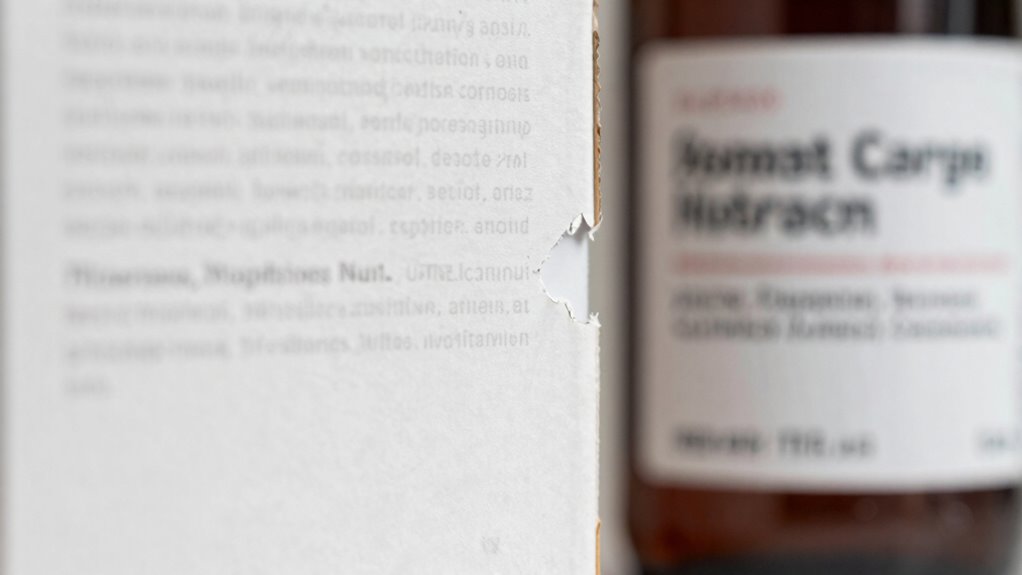
Poor packaging can be a telltale sign that a product isn’t genuine. During packaging inspection, look for irregularities like torn seals, misspelled labels, or flimsy materials. Inconsistent product details—such as mismatched fonts, blurry images, or incorrect information—are red flags. Genuine items maintain product consistency across all packaging elements. Be cautious if you notice:
- Poor print quality or faded labels
- Misaligned or uneven seals
- Incorrect or missing barcode information
- Unusual packaging materials or design deviations
- Discrepancies between product images and actual item
- Water-related features or labels that don’t match typical branding standards for aquatic products
Additionally, packaging quality standards are often more rigorous for authentic items, so deviations can indicate counterfeits. For example, counterfeit products might lack the precise branding details that genuine items have. Another indicator can be production consistency, which counterfeit items often lack due to hurried manufacturing processes. Variations in packaging can also be a sign of manufacturing irregularities, as authentic manufacturers follow strict quality controls. These signs suggest the product might be counterfeit. Always scrutinize packaging carefully and compare it with verified authentic versions to avoid falling for fake products. Remember, diligent packaging inspection helps protect you from counterfeit items.
Look for Missing or Altered Authenticity Seals and Holograms

Authenticity seals and holograms are essential indicators of genuine products, so always examine them carefully. Missing seals or altered holograms can signal counterfeit items. Look for signs of seal tampering, such as uneven edges, scratches, or irregularities. Hologram duplication is common among counterfeiters, so compare holograms with official images or labels. Authentic seals often have unique features like microtext, color-shifting effects, or embedded logos. Counterfeit products may lack these details or show signs of tampering. Use the table below to identify common counterfeit indicators:
| Indicator | Description | Tips for Verification |
|---|---|---|
| Missing seals | Seal absent or completely absent | Verify with official sources |
| Altered holograms | Hologram appears scratched or blurry | Compare with authentic holograms |
| Seal tampering | Seals show signs of removal or resealing | Check edges for damage |
| Duplicate holograms | Hologram looks identical to original | Cross-reference with known authentic holograms |
| Inconsistent features | Features don’t match official designs | Consult trusted sources |
Always scrutinize seals and holograms before purchasing. Additionally, familiarizing yourself with authentic product features can help you identify fakes more confidently. Recognizing common counterfeit tactics can also improve your ability to spot fakes at a glance. Being aware of counterfeit detection methods can further enhance your confidence in authentic products.
Examine Product Descriptions for Spelling and Grammar Mistakes
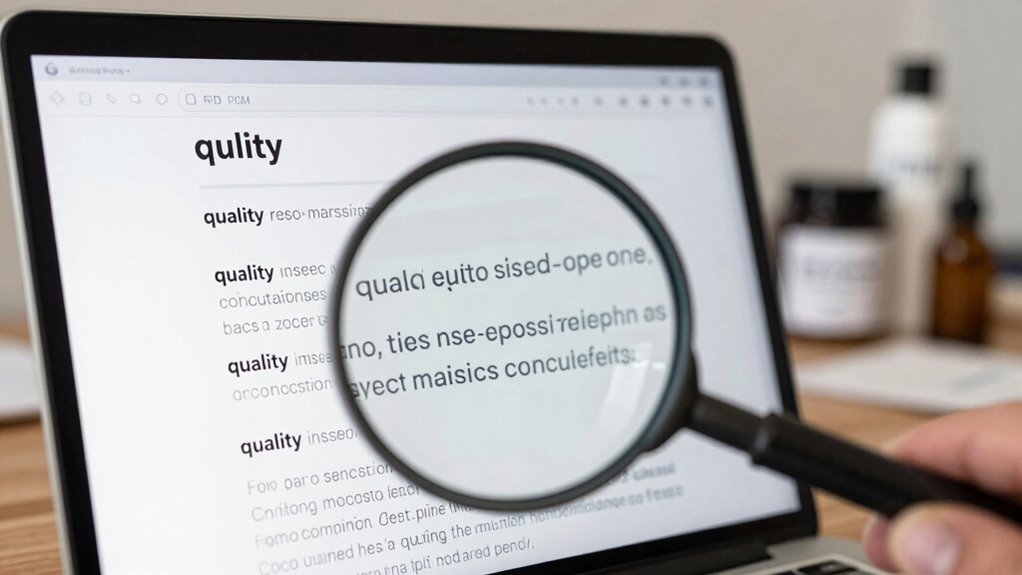
Carefully examining product descriptions for spelling and grammar mistakes can reveal signs of a fake. Fake listings often contain product description errors, including awkward phrasing and inconsistent language. Look for spelling mistakes that seem out of place or repeated typos, as these are common in counterfeit listings. Poor grammar, such as missing punctuation or incorrect sentence structure, also raises red flags. To spot these issues, check for:
- Unusual or misspelled words
- Inconsistent terminology
- Poor sentence flow
- Typos in key product details
- Lack of professional editing
These clues can help you identify fake products before clicking “buy.” Remember, genuine brands invest in well-written, accurate descriptions, so product description errors are a strong indicator of a counterfeit.
Verify Authenticity Through Official Brand Websites or Retailers
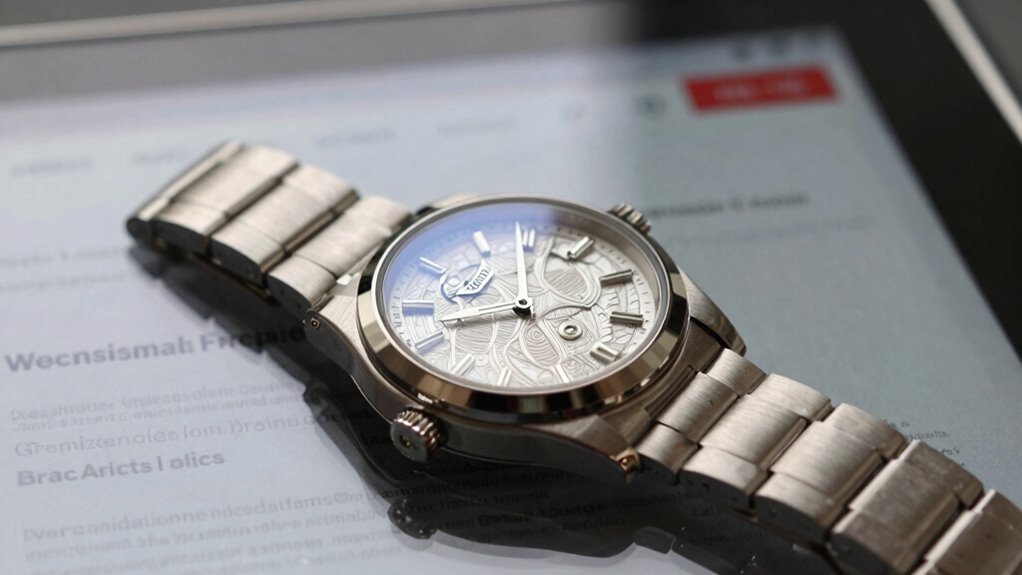
To confirm a product’s authenticity, always cross-check it on the official brand website or authorized retailers. This step helps guarantee the item’s legitimacy and protects your investment. Trusted sources often display the latest models and verified customer reviews, giving you insight into the product’s quality. Be cautious if the seller’s site looks unprofessional or lacks detailed product info. Use the table below to compare key indicators:
| Indicator | Authentic Product | Counterfeit Product |
|---|---|---|
| Brand Reputation | Well-established, positive reviews | Limited or suspicious reviews |
| Customer Reviews | Confirm quality and authenticity | Often fake or overly positive |
| Official Website Access | Direct links, secure connection | Unsecure, misspelled URLs |
| Retailer Credibility | Authorized sellers, verified credentials | Unverified or unknown sellers |
Checking these details helps you avoid fakes and safeguard your purchase.
Identify Suspicious Payment Methods That Signal Counterfeits
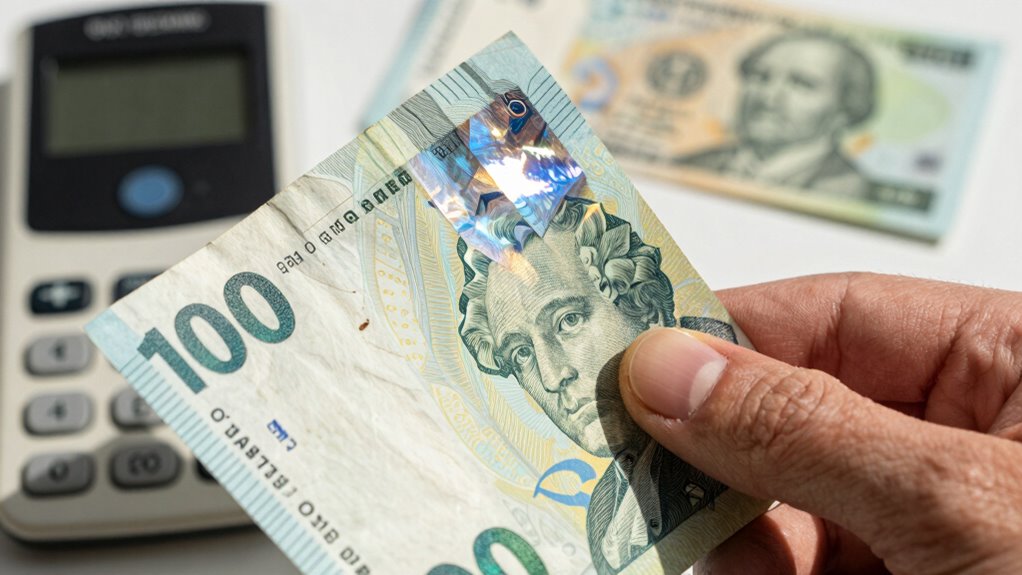
Suspicious payment methods often serve as red flags for counterfeit products. If a seller insists on unusual or untraceable options, be cautious. Look out for these warning signs:
- Demanding payment via digital wallets like PayPal Friends & Family
- Preferring cryptocurrency payments over traditional methods
- Rejecting credit card protections or buyer safeguards
- Requesting wire transfers or prepaid gift cards
- Avoiding official checkout systems or secure sites
Counterfeit sellers often use these methods to avoid detection and keep transactions untraceable. Digital wallets and cryptocurrency payments can be convenient, but in suspicious contexts, they signal potential fraud. Always verify the payment method’s legitimacy and prefer secure, traceable options for your safety. If something feels off, don’t hesitate to walk away.
Know When to Trust Your Instincts and Seek Expert Help
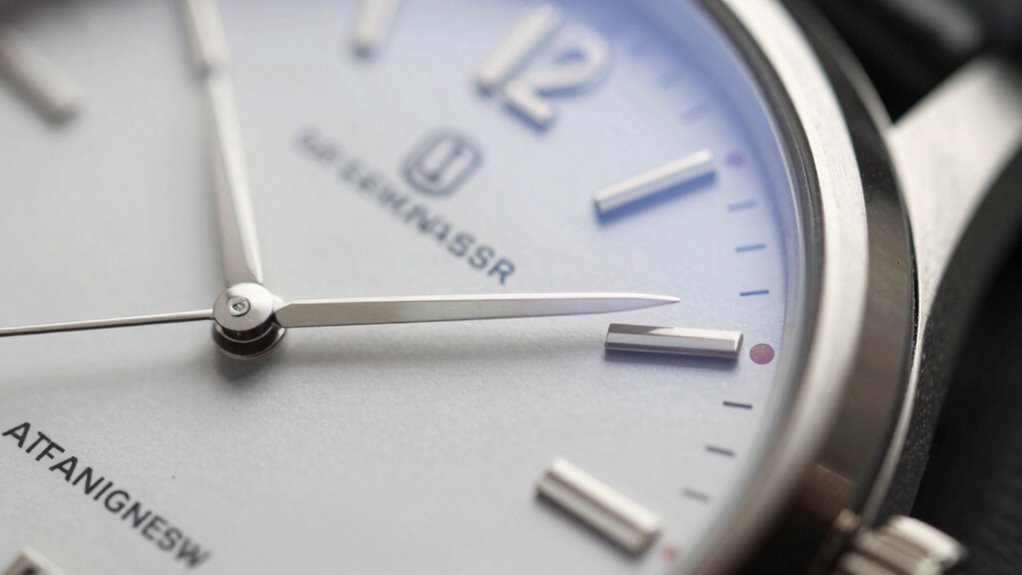
Trust your instincts whenever something feels off about a product or transaction. Recognizing warning signs, like poor craftsmanship or inconsistent branding, can save you from counterfeit purchases. When in doubt, consult experts quickly to confirm authenticity and protect yourself from fraud.
Trust Your Gut Feelings
Your instincts can be a powerful tool in spotting counterfeits, especially when something just doesn’t feel right. Trusting your gut instincts often provides valuable intuition guidance. If that uneasy feeling persists, it’s a sign to pause and reassess. Your subconscious picks up subtle cues that your conscious mind might overlook.
Consider seeking expert help if:
- The price is suspiciously low
- The seller is unresponsive or evasive
- The product details seem inconsistent
- The website has poor design or lacking contact info
- The item’s authenticity isn’t verified
Listen to those instincts—they’re often correct. When your gut warns you, it’s better to double-check or consult an expert before making a purchase. Your intuition guidance can save you from falling for counterfeit scams.
Recognize Common Signs
While instincts are a helpful guide, recognizing specific signs of counterfeits can boost your confidence in identifying them. One key sign is shopping on counterfeit marketplaces that seem suspicious or lack reputable reviews. Be cautious of listings with prices that are too good to be true or poorly photoshopped images. Fake reviews are another red flag—they often appear overly positive or generic, aiming to boost a product’s credibility. Pay attention to inconsistent product details or vague seller descriptions. If a seller pushes quick payments or avoids providing detailed contact info, trust your instincts. Recognizing these signs helps you avoid counterfeit products and makes it easier to spot genuine items, giving you the confidence to make smarter purchasing decisions.
Consult Experts Promptly
Even if you have a good eye for spotting counterfeits, there are times when it’s best to consult an expert. When uncertainties arise, expert consultation can save you from costly mistakes. Trust your instincts, but don’t hesitate to seek professional opinions when something feels off. Reach out to trusted referrals for reliable advice, especially on high-value or luxury items. Experts can verify authenticity through detailed inspection, provenance checks, or specialized tools. Knowing when to involve an expert helps you avoid scams and counterfeit products. Remember, expert help is an investment in peace of mind.
- Confirm authenticity with specialized appraisals
- Use trusted referrals for reputable experts
- Seek professional opinions on unfamiliar items
- Verify seller credentials before purchasing
- Act promptly when doubts persist
Frequently Asked Questions
How Can I Differentiate Between Genuine and Counterfeit Product Images?
You can differentiate genuine from counterfeit product images by examining branding inconsistencies, such as logos or packaging details that seem off. Pay close attention to image quality; authentic products usually have high-resolution, professional photos, while counterfeits often show blurry or uneven images. Comparing the images with official brand photos helps spot discrepancies, ensuring you’re viewing real items before making a purchase.
What Are Common Signs of Counterfeit Packaging Beyond Visual Cues?
Did you know that over 60% of counterfeit products have packaging material and labeling details that differ from genuine items? You can spot these signs by examining the packaging material for poor quality or inconsistent textures. Pay close attention to labeling details like misspellings, font inconsistencies, or misaligned graphics. These subtle differences can reveal a fake, helping you avoid falling for counterfeit products before clicking “buy.”
How Do Counterfeit Sellers Typically Evade Detection During Transactions?
Counterfeit sellers often evade detection through online payment scams, asking for unconventional payment methods like wire transfers or gift cards, making tracking difficult. They also engage in seller impersonation, creating fake profiles that appear legitimate. To avoid falling for these tactics, verify seller identities, use secure payment options, and be cautious of overly good deals. Always research the seller’s reputation before completing your purchase.
Are There Specific Red Flags to Identify Fake Reviews or Ratings?
Like spies suspecting double agents, you should watch for signs of review manipulation and fake testimonials. Overly positive reviews with generic language or repetitive phrases often signal inauthentic feedback. Sudden spikes in ratings or reviews from accounts with little activity can also be red flags. Trust your instincts—if something feels off, it’s likely a sign of fake reviews designed to deceive you. Stay vigilant and verify reviews across multiple sources.
What Legal Options Are Available if I Unknowingly Purchase a Counterfeit?
If you unknowingly buy a counterfeit, your legal remedies include filing a complaint with consumer protection agencies or seeking a refund through the seller. You have consumer rights that protect you from fraudulent transactions. You can also pursue legal action against sellers for misrepresentation or fraud. Keep records of your purchase, and consider consulting an attorney to explore your options for compensation or resolution.
Conclusion
By staying vigilant and trusting your instincts—like a knight guarding a castle—you can dodge counterfeit pitfalls before they strike. Always verify seller credentials, scrutinize branding, and be wary of suspicious deals or payment methods. Remember, even the most convincing facsimiles can’t replace genuine quality. Don’t let a false sense of security turn into a modern-day Trojan horse; arm yourself with knowledge and safeguard your purchases from counterfeit con artists.
Evergreen bestsellers Picks
bestsellers
As an affiliate, we earn on qualifying purchases.