
Your immune system is your body’s defense against germs like bacteria, viruses, and fungi. It uses white blood cells and antibodies to identify and eliminate these invaders. When you encounter a pathogen, your immune response kicks in, producing antibodies and memory cells that help you fight off infections faster in the future. Vaccines play a vital role in training your immune system without causing disease. Discovering more about this complex network might surprise you!
Key Takeaways
- The immune system identifies and eliminates pathogens like bacteria, viruses, and fungi using a network of white blood cells and antibodies.
- Upon encountering a pathogen, the immune response produces specific antibodies to neutralize it and protect the body.
- Memory cells remember previously encountered pathogens, enabling a faster response upon re-exposure to the same invader.
- Vaccines simulate infection to train the immune system, promoting the production of antibodies and memory cells for effective future protection.
- Immune disorders can impair the system’s ability to fight infections or cause it to attack healthy cells, highlighting the need for ongoing research.
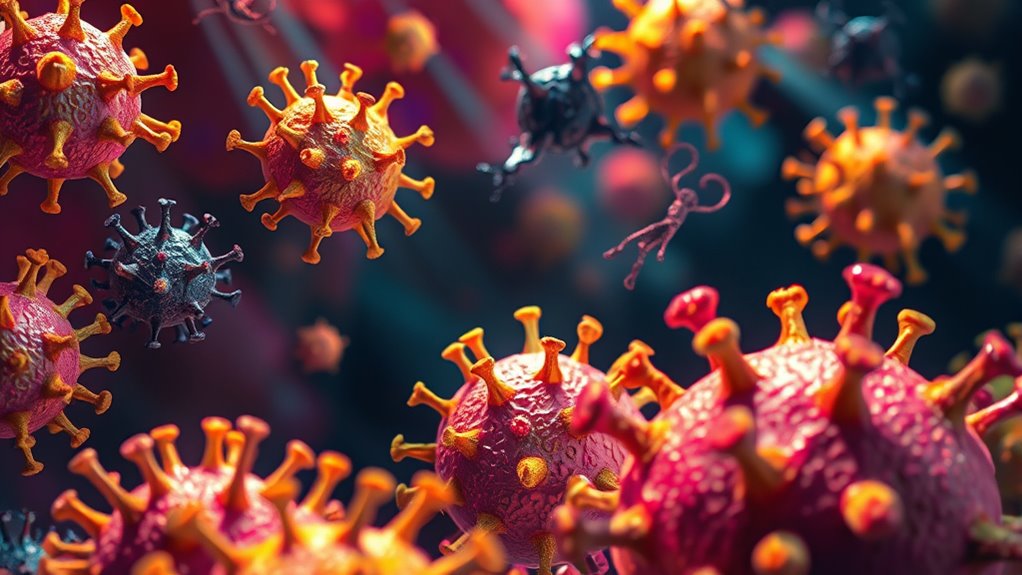
How does your body defend itself against countless pathogens every day? Your immune system works tirelessly to identify and eliminate harmful invaders like bacteria, viruses, and fungi. It’s a complex network that includes white blood cells, antibodies, and various organs, all coordinating to protect you from disease. When you encounter a pathogen, your immune system springs into action, recognizing the foreign invader and launching a response to neutralize it. This often involves the production of antibodies, which are proteins specifically designed to target and destroy the invader.
Your immune system tirelessly defends against pathogens, utilizing a complex network to identify and eliminate harmful invaders.
One of the key components of your immune response is the memory cells. After your body successfully fights off an infection, these cells remember the specific pathogens you’ve encountered. This memory enables your immune system to respond more efficiently if you’re exposed to the same pathogen in the future, which is the fundamental principle behind vaccine development. Vaccines train your immune system by mimicking an infection without causing the disease. They introduce a weakened or inactivated form of the pathogen or a piece of it, prompting your immune system to produce antibodies and memory cells. This way, if you’re exposed to the real pathogen later, your body can respond swiftly and effectively.
However, not everyone’s immune system functions *indispensably*. Some people experience immune system disorders, where the immune response is either too weak or overly aggressive. In cases of immune deficiency, your body struggles to fend off infections, making you more susceptible to diseases. On the flip side, autoimmune disorders occur when your immune system mistakenly attacks your own healthy cells, thinking they’re harmful invaders. Both situations highlight the delicate balance your immune system must maintain.
Advancements in vaccine development are *vital* in combating these immune system disorders. Researchers are continually exploring new vaccines to provide better protection against a variety of diseases. They’re also investigating how vaccines can be tailored for individuals with specific immune challenges. This personalized approach aims to enhance the efficacy of vaccines, ensuring that even those with immune system disorders can benefit from immunization. Additionally, understanding the role of memory cells can further clarify how your body remembers and efficiently responds to previously encountered pathogens.
Understanding how your immune system operates helps you appreciate the importance of vaccines and the ongoing research to improve them. By staying informed and proactive about your health, you can better support your immune system in its *necessary* role of defending against pathogens every day.
Frequently Asked Questions
How Does Stress Affect the Immune System’s Function?
Stress affects your immune system by increasing stress hormones like cortisol, which can lead to immune suppression. When you’re stressed, your body prioritizes survival over immune function, making it harder to fight off infections. You might notice that you get sick more often during stressful times. To boost your immune health, try managing stress through relaxation techniques, exercise, or mindfulness practices. Your body will thank you for it!
Can Diet Influence Immune System Health?
Absolutely, your diet plays a vital role in your immune health. Think of your body as a garden; without proper nutrition balance, it struggles to thrive. Nutrient-rich foods act as sunlight, while dietary supplements can be the rain that nourishes your plants. When you prioritize whole foods like fruits, vegetables, and lean proteins, you’re giving your immune system the strength it needs to flourish and fend off illness. Don’t underestimate the power of your plate!
What Role Does Sleep Play in Immunity?
Sleep plays a vital role in your immunity. When you prioritize sleep hygiene, you promote restorative sleep, allowing your body to repair and regenerate. During deep sleep, your immune system releases cytokines, proteins that help fight infections and inflammation. If you’re skimping on sleep, you’re compromising your immune response. So, aim for 7-9 hours of quality sleep each night to keep your defenses strong and effectively fend off illnesses.
Are Vaccines Effective Against All Pathogens?
You know what they say, “You can’t catch a fish if you don’t cast a line.” Vaccines are effective, but they have limitations against all pathogens. They target specific diseases, so their effectiveness varies with pathogen diversity. Some pathogens can mutate or evade the immune response, making vaccines less effective. It’s essential to stay informed and get vaccinated according to recommendations to best protect yourself against the most common and dangerous diseases.
How Does Age Impact Immune Response?
Age impacts your immune response by contributing to age-related decline and immune aging. As you get older, your immune system becomes less efficient, making it harder for you to fight off infections. You might notice that you get sick more often or take longer to recover. Vaccines may also become less effective, so it’s vital to stay up-to-date with immunizations and maintain a healthy lifestyle to support your immune function as you age.
Conclusion
Just like a vigilant knight guarding a castle, your immune system stands ready to defend against invaders. Each white blood cell is a brave soldier, swiftly responding to threats and repairing the damage done. When you nourish your body with the right foods and rest, you’re fortifying your fortress. Remember, every time you fend off an illness, you’re not just surviving—you’re thriving. So, keep your defenses strong, and let your body’s warriors continue their noble quest to protect you.