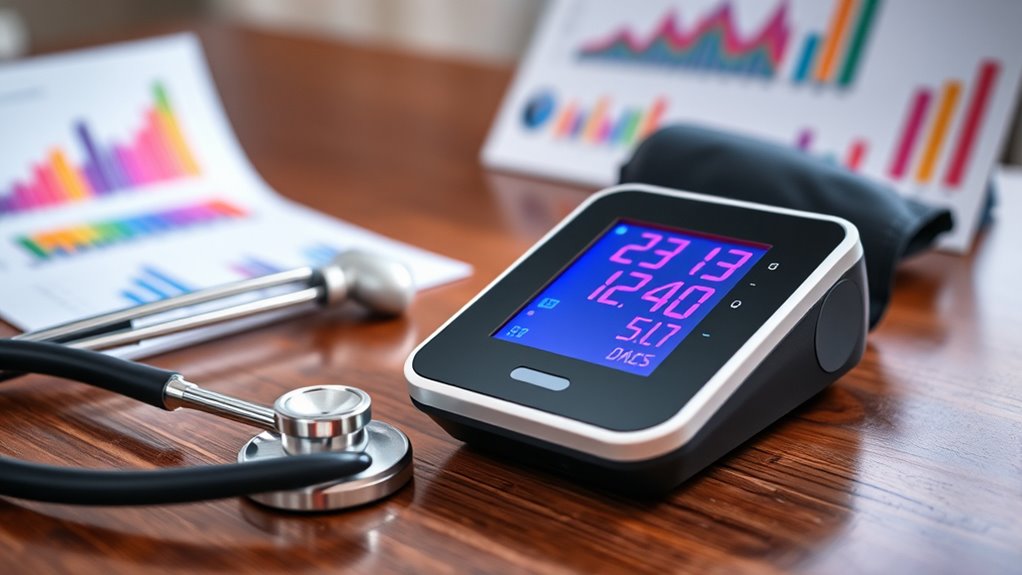

Understanding blood pressure is essential for your health. It measures how hard your heart works to pump blood through your arteries. The two numbers you see—systolic and diastolic—reflect the pressure during heartbeats and when the heart rests, respectively. Normal ranges are around 120/80 mmHg. High blood pressure can lead to serious health issues, affecting blood vessels and organs. Knowing your numbers helps you manage risks, and there’s much more to explore about maintaining healthy blood pressure.
Open a free Amazon Business account
Business pricing, bulk buying and tax-exempt orders.
As an affiliate, we earn on qualifying purchases.
Key Takeaways
- Blood pressure is a crucial indicator of cardiovascular health, reflecting how hard the heart works to pump blood.
- Readings include systolic (pressure during heartbeats) and diastolic (pressure at rest), with normal being around 120/80 mmHg.
- High blood pressure can lead to serious health issues, affecting blood vessels and organ function over time.
- Recognizing risk factors like obesity, stress, and poor lifestyle choices helps in proactive health management.
- Regular monitoring and maintaining healthy habits are essential for managing blood pressure and overall well-being.
Have you ever wondered why blood pressure matters so much for your health? Understanding blood pressure is crucial because it serves as an essential indicator of your overall cardiovascular condition. When your blood pressure is too high, it can lead to a range of serious health problems. Essentially, it reflects how hard your heart works to pump blood through your arteries. If your blood vessels aren’t healthy, that pressure can increase, leading to various complications, including heart disease, stroke, and kidney damage.
Monitoring your blood pressure is vital for maintaining blood vessel health. Your blood vessels play a key role in transporting oxygen and nutrients throughout your body. When they become narrow or stiff due to high blood pressure, it can impede blood flow and damage your organs over time. This is why you need to be aware of the hypertension risk factors that may contribute to elevated blood pressure. Factors like obesity, lack of physical activity, smoking, high sodium intake, and excessive alcohol consumption can all raise your risk of developing hypertension. Recognizing these risk factors early on helps you take proactive steps to mitigate them.
You might be surprised to learn that even stress can elevate your blood pressure. When you experience stress, your body releases hormones that temporarily increase your heart rate and narrow your blood vessels. While this reaction is natural, chronic stress can lead to sustained high blood pressure. That’s why finding healthy ways to manage stress is essential for maintaining a balanced blood pressure level. Incorporating practices like mindfulness, regular exercise, and quality sleep can significantly benefit your overall well-being.
Another important aspect is understanding the numbers associated with blood pressure readings. Blood pressure is measured in millimeters of mercury (mmHg) and is represented as two numbers: systolic and diastolic. The systolic number measures the pressure in your arteries when your heart beats, while the diastolic number measures the pressure when your heart is at rest. A normal reading is typically around 120/80 mmHg. Anything above that may indicate a risk for hypertension and warrants further investigation. Additionally, maintaining a healthy lifestyle can help manage hypertension risk factors and keep your blood pressure in check.
Frequently Asked Questions
What Are the Symptoms of High Blood Pressure?
You might not notice high blood pressure signs right away, as it’s often called the “silent killer.” However, some blood pressure symptoms can include headaches, dizziness, nosebleeds, and shortness of breath. If you experience any of these symptoms, it’s important to consult a healthcare professional. Regular check-ups can help detect any issues early, allowing you to manage your health effectively and avoid serious complications down the line.
Can Stress Affect My Blood Pressure Readings?
Yes, stress can definitely affect your blood pressure readings. When you’re stressed, your body’s response can cause your heart rate to increase and blood vessels to constrict, leading to higher blood pressure. Anxiety effects can also intensify this reaction, making it vital to manage stress levels. Regular relaxation techniques, like deep breathing or meditation, can help mitigate stress impact and promote healthier blood pressure readings. Don’t underestimate the role your emotions play in your health!
How Often Should I Check My Blood Pressure?
You should check your blood pressure at least once a week if you’re healthy, but daily monitoring may be necessary if you have high blood pressure or other health concerns. For home monitoring, make certain you use proper measurement techniques—sit quietly for a few minutes before taking a reading, and use a validated blood pressure monitor. Consistency in timing and technique helps you get accurate readings and track your health effectively.
Are There Foods That Can Lower Blood Pressure?
Imagine your blood pressure dropping like a rock in a pond. Yes, certain foods can help! Incorporating fruits and vegetables, especially leafy greens and berries, can make a big difference. Diet tips such as reducing salt and opting for whole grains can further support your heart health. Don’t forget about fatty fish like salmon; they’re rich in omega-3s. So, revamp your meals, and watch your blood pressure improve!
What Lifestyle Changes Can Help Manage Blood Pressure?
To manage your blood pressure, start by incorporating regular exercise routines into your daily life—aim for at least 150 minutes of moderate activity each week. Improve your sleep hygiene by establishing a consistent sleep schedule and creating a calming bedtime environment. Reducing stress through mindfulness or yoga can also help. Ultimately, focus on a balanced diet rich in fruits and vegetables, and limit salt intake to keep your blood pressure in check.
Conclusion
So, now you know that blood pressure isn’t just a set of numbers; it’s a crucial sign of your overall health. The theory that high blood pressure is merely a sign of aging is misleading. In reality, lifestyle choices play a huge role. By staying active, eating well, and managing stress, you can keep your blood pressure in check. Understanding these numbers empowers you to take control of your health—so don’t underestimate their importance!
Fall Picks
fall essentials
As an affiliate, we earn on qualifying purchases.