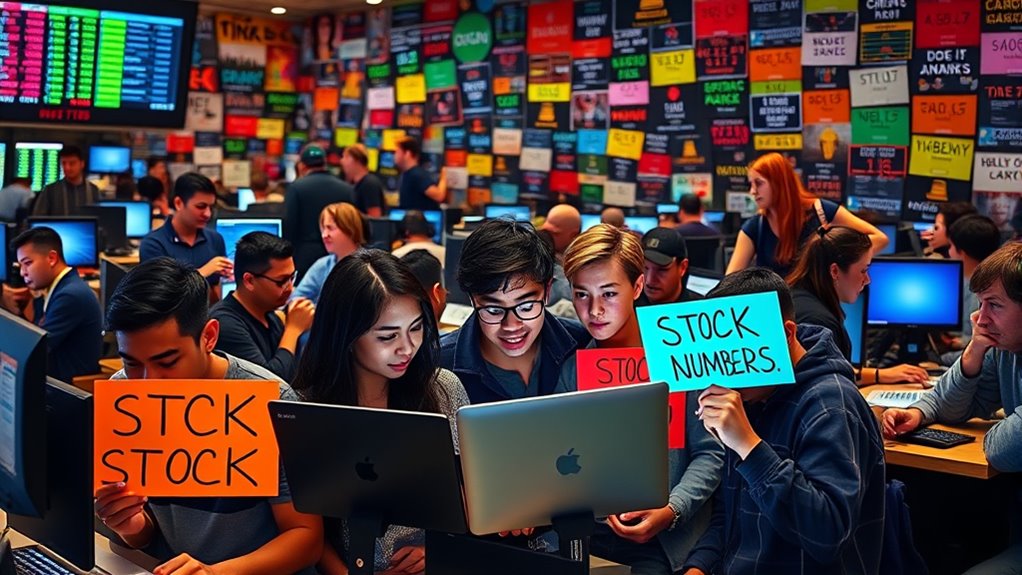

Meme stock culture is all about you and other retail investors teaming up on social media to influence stock prices, especially for companies like GameStop and AMC. Platforms like Reddit’s WallStreetBets let you share memes, strategies, and excitement while challenging traditional Wall Street practices. This community-driven approach makes investing more participatory and fun. Just remember, with great rewards can come great risks, and there’s a lot more to uncover about this thrilling phenomenon.

Get business pricing on monitors, keyboards and dev gear
- Business-only prices and quantity discounts
- Tax-exempt purchasing
- Multiple users, one account, clear invoices
Key Takeaways
- Meme stock culture merges social media dynamics with investing, exemplified by stocks like GameStop and AMC driven by retail investors.
- Reddit’s WallStreetBets serves as a primary platform where investors share strategies and memes, fostering community engagement.
- This culture transforms retail investing into a participatory experience, emphasizing collective action and excitement among individual investors.
- Emotional bonds and humor, such as memes about short squeezes, enhance the communal aspect of investing among participants.
- Despite the thrill, risks include volatility and potential losses, making thorough research essential before making financial decisions.
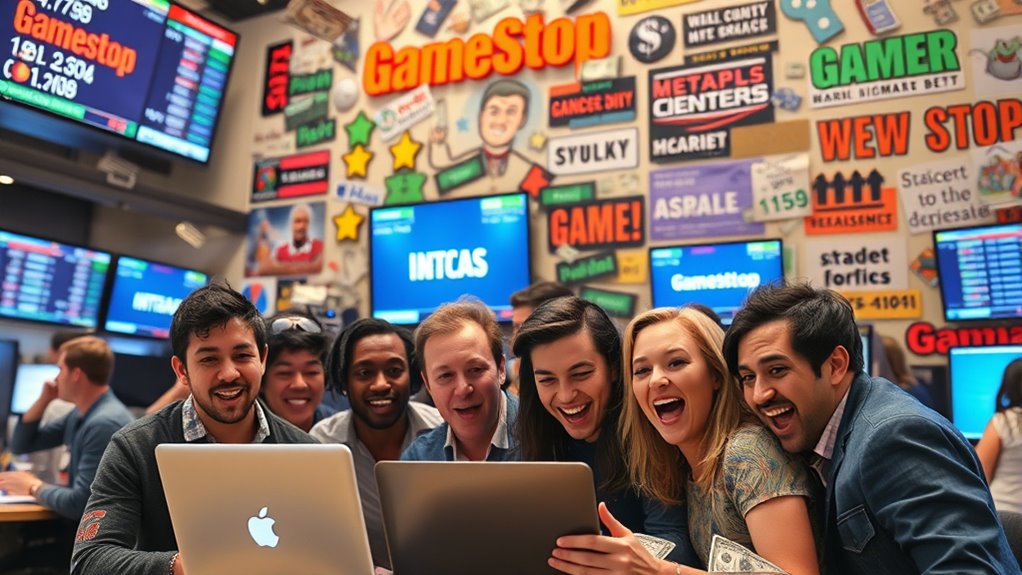
Meme stock culture has transformed the way you think about investing, blending social media dynamics with financial markets. You’ve probably seen the buzz around stocks like GameStop and AMC, where retail investors banded together on platforms like Reddit’s WallStreetBets to challenge Wall Street norms. This culture isn’t just a passing trend; it’s reshaping how you engage with your investment decisions, pulling you into the excitement and community that social media influence creates.
In the past, retail investing felt distant and exclusive, often dominated by institutional players with complex strategies that seemed unreachable. But now, you’re part of a wave that democratizes investing. You’ve likely noticed that platforms like Reddit and Twitter serve as the new marketplaces, where ideas and strategies spread faster than ever. You’re not only consuming information; you’re contributing to the conversation, sharing memes, and rallying support for your favorite stocks. This communal approach gives you a sense of empowerment, transforming the experience into something far more engaging.
As you dive deeper into this meme stock phenomenon, you’ll see how it’s driven by more than just profit. It’s about the thrill of the game and the camaraderie you share with others who are equally invested in the outcome. You might find yourself laughing at memes about short squeezes or debating the merits of a stock in a comment thread, feeling that rush of community spirit. This social media influence creates a unique bond among investors, blurring the lines between serious financial analysis and lighthearted banter.
The stakes can be high, though. While you may enjoy the excitement that comes with meme stocks, you also need to be aware of the risks involved. The volatility can be extreme, and the same social media platforms that uplift stocks can just as easily lead to sharp declines. You’ve got to balance the thrill of engaging with your peers against the reality of investing. Remember, financial decisions should still be rooted in research and sound principles, even if the environment feels more like a digital playground. Additionally, Halloween night traditions can serve as a reminder that communal experiences don’t just occur in finance; they shape our social interactions in many aspects of life.
Ultimately, meme stock culture invites you to rethink traditional investing strategies. It’s not just about numbers and charts anymore; it’s about community, shared experiences, and the unpredictable nature of social media. Embrace this new era of retail investing, but do so with an understanding of the potential risks and rewards that come with it.
Top picks for "meme stock culture"
As an affiliate, we earn on qualifying purchases.
Frequently Asked Questions
How Do Meme Stocks Differ From Traditional Stocks?
Meme stocks differ from traditional stocks mainly in their volatility and the influence of social media. While traditional stocks are often analyzed for long-term value, you’ll find meme stocks driven by short-term trading and hype. This can lead to rapid price swings, fueled by online discussions and trends. Additionally, there’s a risk of market manipulation, as coordinated buying can artificially inflate prices, creating a speculative environment that’s far removed from traditional investing principles.
What Role Does Social Media Play in Meme Stock Culture?
Social media acts like a lightning rod in meme stock culture, sparking viral trends that can ignite trading frenzies. You see, online communities thrive on shared ideas and collective momentum; they’re like a digital campfire where investors gather to swap stories and strategies. When a stock catches fire, everyone jumps in, amplifying the buzz and driving prices skyward. It’s this interconnectedness that transforms individual trades into a powerful, communal force.
Can Anyone Invest in Meme Stocks?
Yes, anyone can invest in meme stocks, but it comes with risks. You’ll need to be ready for market volatility, as prices can swing dramatically. Investor psychology plays a huge role in these stocks—trends can shift quickly based on social media buzz or online discussions. Make sure you do your research and understand what you’re getting into; it’s not just about following the hype, but making informed choices.
What Are the Risks Associated With Meme Stocks?
Investing in meme stocks carries significant risks, primarily due to market volatility and fluctuating investor sentiment. You might find prices soar based on trends or social media hype, but they can drop just as quickly, leaving you with losses. It’s essential to remember that excitement can cloud judgment, leading to impulsive decisions. Always consider your financial situation and do thorough research before diving into these unpredictable investments.
How Can I Identify a Potential Meme Stock?
To identify a potential meme stock, keep an eye on viral trends and community hype. Watch social media platforms and forums like Reddit for stocks gaining traction. Look for stocks with unusual trading volumes or dramatic price swings, as these often signal growing interest. Join discussions, and observe what stocks users are excited about. If a stock’s popularity surges due to a meme or viral moment, it might be worth considering for investment.
Conclusion
In the wild world of meme stock culture, you’re not just investing; you’re riding a rollercoaster made of rocket ships and diamond hands! WallStreetBets transformed GameStop into a mythical beast, soaring through the sky while hedge funds trembled in its wake. You’ve got the power of the internet at your fingertips, turning memes into gold and laughter into profits. So, buckle up—every trade is a thrilling adventure that could make you a legend or send you crashing back to reality!
Halloween Picks
halloween
As an affiliate, we earn on qualifying purchases.