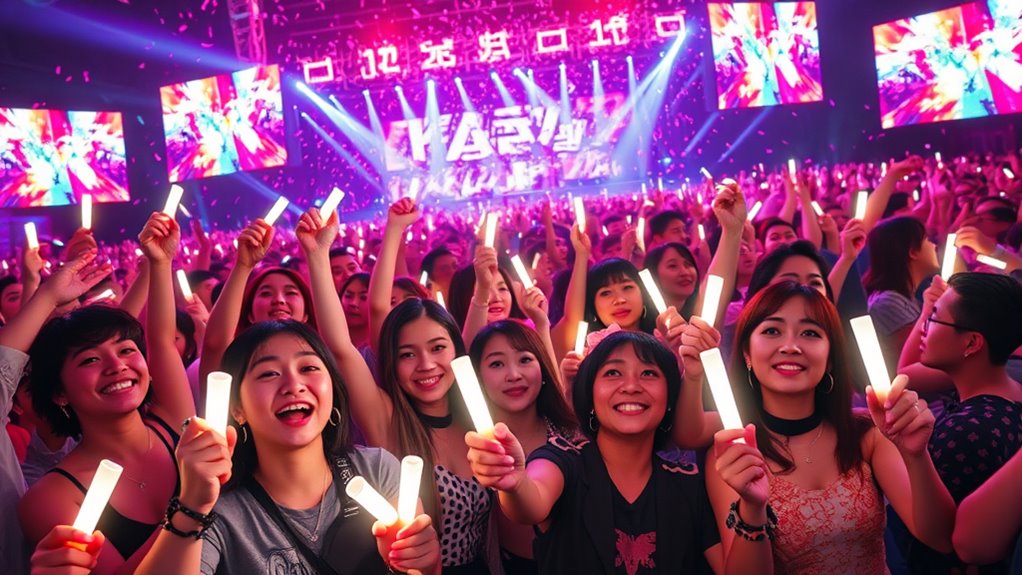

K-Pop’s rise isn’t just a music trend; it’s a vibrant cultural movement that merges catchy tunes, stylish fashion, and dynamic performances. You see fans worldwide adopting K-Pop styles, learning Korean, and passionately engaging with their favorite groups like BTS and BLACKPINK. This global phenomenon fosters a sense of community, with fans taking part in streaming parties and charity efforts. Want to discover more about K-Pop’s impact on entertainment and society?

Get monitors, keyboards and dev gear delivered free — and shop member deals
- Fast, free delivery on millions of items
- Access to Prime Big Deal Days deals on October 6–7
- Prime Video, Amazon Music and more included
Key Takeaways
- K-Pop merges music, fashion, and social media, creating a cultural movement that resonates with a diverse global audience.
- Iconic groups like BTS and BLACKPINK drive international stardom, influencing music, fashion, and cultural conversations worldwide.
- Engaged fans, known as “stans,” actively promote their favorite groups through streaming, voting, and community-building activities.
- International collaborations with global artists diversify K-Pop’s sound, showcasing music’s ability to transcend cultural boundaries.
- K-Pop reshapes global entertainment, fostering a vibrant community and influencing social issues and cultural narratives.
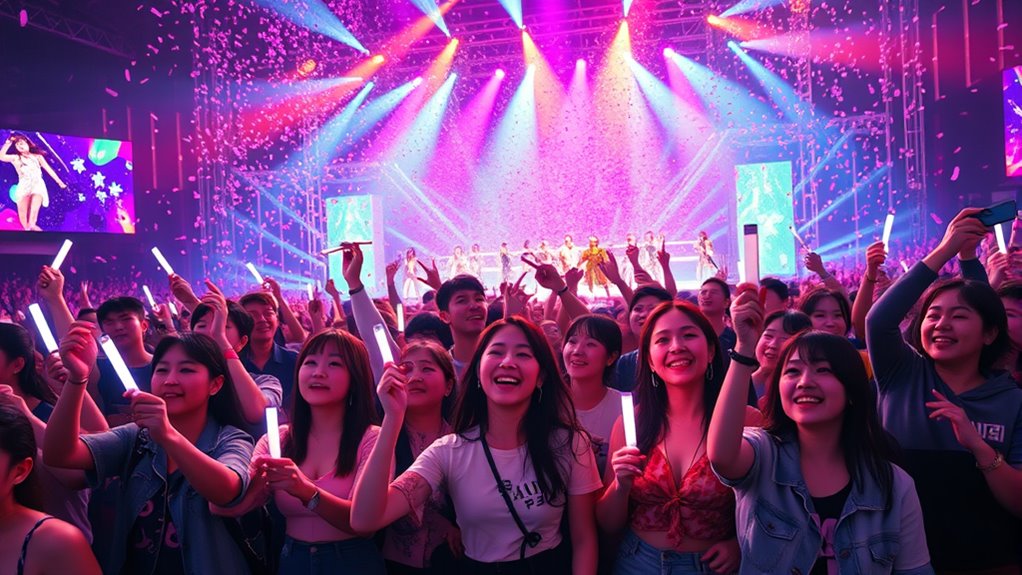
As K-Pop continues to captivate audiences worldwide, you can’t help but notice its meteoric rise in popularity. It’s not just a genre of music; it’s a cultural movement that’s redefining how we think about entertainment and global interactions. This phenomenon isn’t limited to catchy tunes and eye-catching visuals; it’s the powerful cultural influence that K-Pop has, merging music, fashion, and social media into a global tapestry that draws fans from all walks of life.
You’ve probably seen how K-Pop groups like BTS, BLACKPINK, and EXO have taken the world by storm. Their influence extends beyond music charts; it permeates fashion trends, social issues, and even language. Fans don’t just listen to their songs; they adopt their styles, learn Korean, and engage with the cultural narratives embedded in the lyrics. This isn’t just passive consumption; it’s an active participation in a larger cultural dialogue. When you stream a K-Pop song or post about it online, you’re not just enjoying the music; you’re joining a global community that thrives on shared experiences and enthusiasm.
K-Pop transcends music, shaping fashion and culture while fostering a vibrant, engaged global community.
Fan engagement is another cornerstone of K-Pop’s rise. You can’t ignore how devoted fans—often referred to as “stans”—elevate their favorite groups to iconic status. They organize streaming parties, vote for awards, and even raise funds for charity in their idols’ names. This level of engagement creates a strong sense of belonging and identity among fans. Whether you’re in Seoul, New York, or Buenos Aires, you’re part of something larger. Fans often collaborate on projects that promote their idols, creating an ecosystem that supports and amplifies the music and message. It’s a unique form of grassroots marketing that traditional artists struggle to replicate.
The global reach of K-Pop also brings diverse cultural influences into the mix. Collaborations with international artists further blend genres and styles, making K-Pop a melting pot of sounds and ideas. As you listen to these cross-cultural collaborations, you can appreciate how music transcends borders, showcasing the richness of global creativity. Additionally, K-Pop’s rise has been supported by high-performance models and marketing strategies that leverage digital platforms to connect with fans worldwide.
In essence, K-Pop isn’t just about the music; it’s about community, culture, and connection. You’re witnessing a vibrant cultural phenomenon that’s reshaping the landscape of global entertainment, and you’re right in the middle of it. So, whether you’re a casual listener or a diehard fan, it’s clear that K-Pop is here to stay, influencing not just what you listen to but how you engage with the world around you.
Frequently Asked Questions
How Can I Learn Korean to Understand K-Pop Lyrics Better?
To learn Korean and understand K-pop lyrics better, start with the basics of Korean pronunciation. You can use online resources or language apps to practice speaking and listening. Consider engaging in language immersion by watching K-dramas or listening to K-pop while reading the lyrics. Join language exchange communities where you can practice with native speakers. The more you immerse yourself, the quicker you’ll grasp the language and enjoy your favorite songs!
What Are the Primary Themes in K-Pop Songs?
K-pop songs are like a kaleidoscope of emotions, reflecting a range of lyrical themes such as love, heartbreak, and empowerment. You’ll notice that the musical styles often blend genres, from pop and hip-hop to EDM and R&B. This fusion allows artists to express their feelings and stories in dynamic ways, making each song a vibrant experience. Immerse yourself in the lyrics, and you’ll uncover deeper meanings behind the catchy tunes that captivate millions.
Which K-Pop Groups Have the Largest Fan Bases Worldwide?
Some K-pop groups with the largest fan bases worldwide include BTS, BLACKPINK, and EXO. These groups attract diverse fan demographics, spanning various ages and backgrounds. Their global concert tours sell out quickly, showcasing their immense popularity. You’ll find passionate fans attending shows in different countries, uniting through their love for the music. Engaging with these groups on social media further strengthens their global presence and connection with fans around the world.
How Do K-Pop Idols Train Before Debuting?
Training to become a K-pop idol is no walk in the park. You’ll immerse yourself in rigorous dance routines and vocal training that can last for years. Every day, you push yourself to improve, mastering choreography and perfecting your singing. You’ll often practice for long hours, balancing physical fitness with artistic expression. The dedication you put in shapes your skills and prepares you for the spotlight, but it’s all worth it when you debut!
What Impact Does K-Pop Have on South Korea’s Economy?
K-pop substantially boosts South Korea’s economy through considerable economic growth and cultural exports. You’ll notice how the industry generates billions in revenue, creating jobs and attracting international tourists. Merchandise sales and concerts enhance local businesses, while global fan engagement promotes South Korean culture worldwide. This cultural phenomenon not only elevates the music scene but also showcases South Korea’s innovation, contributing to a vibrant economy that continues to thrive and evolve.
Conclusion
As you stand amidst the vibrant energy of a K-Pop concert, it’s clear that this phenomenon has become a global force, much like a shooting star lighting up the night sky. The rhythmic beats and dazzling performances create a cultural tapestry that draws you in, uniting fans across borders. K-Pop isn’t just music; it’s a movement, a celebration of diversity, and a proof to how passion can transcend language, bringing the world together in harmony.
Fall Picks
fall essentials
As an affiliate, we earn on qualifying purchases.