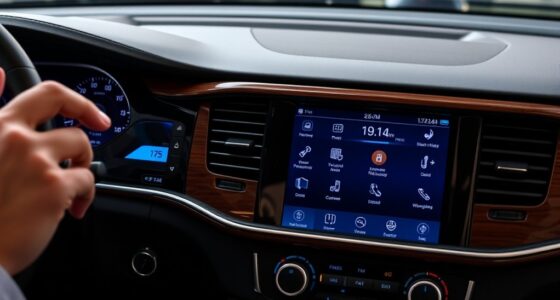
Semi-autonomous car features, like adaptive cruise control, can greatly enhance your driving experience. This technology keeps your speed consistent and adjusts it based on traffic flow, boosting safety and comfort. Additionally, driver monitoring systems ensure you’re alert and engaged, further reducing accident risk. Regular sensor calibration and maintenance play an essential role in these systems’ effectiveness. By understanding how these features work together, you can make informed choices for safer driving. There’s much more to discover about this exciting technology!

Get business pricing on monitors, keyboards and dev gear
- Business-only prices and quantity discounts
- Tax-exempt purchasing
- Multiple users, one account, clear invoices
Key Takeaways
- Adaptive cruise control automatically adjusts vehicle speed based on traffic flow, enhancing safety and comfort during highway driving.
- Sensor calibration is crucial for accurate distance measurement, ensuring the effectiveness of semi-autonomous features like adaptive cruise control.
- Regular maintenance checks on sensors are essential for reliable operation and safety of advanced automotive technologies.
- Driver monitoring systems ensure driver engagement by detecting distraction or drowsiness, promoting active participation in driving tasks.
- The integration of adaptive cruise control and driver monitoring contributes to a safer driving environment by reducing accident potential.
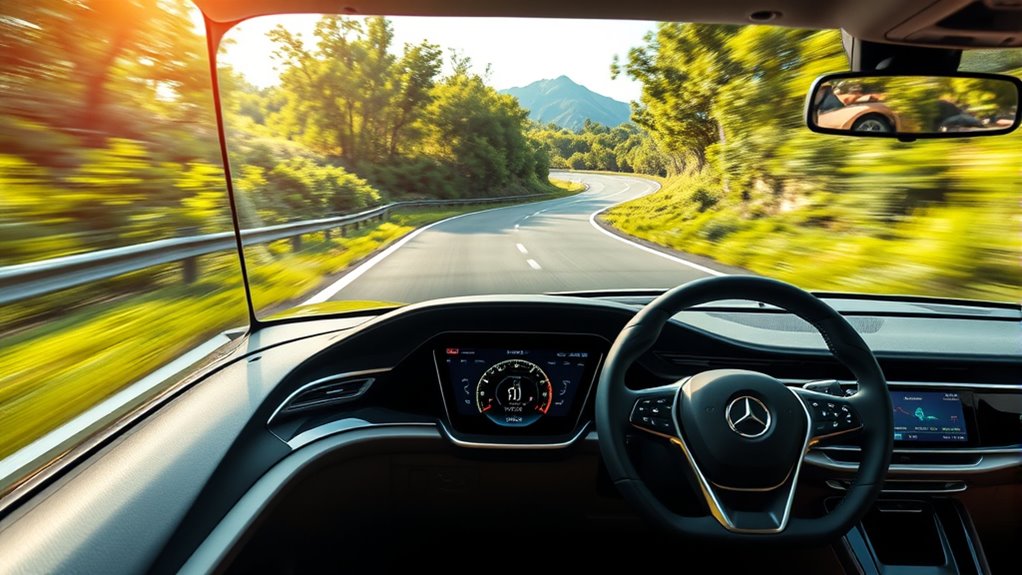
As you navigate the ever-evolving world of automotive technology, semi-autonomous cars are at the forefront, offering features that enhance safety and convenience. One standout feature you’ll often encounter is adaptive cruise control. This technology allows your vehicle to maintain a set speed while automatically adjusting to the flow of traffic. Imagine cruising down the highway, and your car detects a slower vehicle ahead, automatically reducing your speed to maintain a safe distance. It’s not just about comfort; it’s a significant step toward reducing the likelihood of collisions.
Semi-autonomous cars feature adaptive cruise control, enhancing safety by automatically adjusting speed to match traffic flow.
To guarantee the effectiveness of adaptive cruise control, sensor calibration is essential. The sensors in your semi-autonomous car continuously gather data about your surroundings, including the distance to other vehicles and obstacles. If these sensors aren’t calibrated correctly, the system may misjudge distances, leading to potential risks. Regular maintenance checks can help keep everything in proper working order, making sure that your vehicle reacts correctly to real-time conditions. So, don’t overlook those routine checkups; they play a critical role in your safety. Additionally, understanding potential financial risks associated with advanced automotive technologies is crucial for making informed purchasing decisions.
Another key feature of semi-autonomous vehicles is driver monitoring. As advanced as these technologies are, they still require your attention. Driver monitoring systems keep an eye on your alertness and engagement while the vehicle navigates autonomously. If the system detects that you’re distracted or drowsy, it’ll provide warnings to regain your focus. This feature is designed to guarantee that you remain an active participant in your driving experience, even when the car takes over some functions.
Moreover, the integration of these technologies into semi-autonomous vehicles helps create a safer driving environment. With adaptive cruise control managing speed and maintaining safe distances, and driver monitoring systems ensuring your alertness, these features collectively reduce the potential for accidents. They work together to create a seamless driving experience, allowing you to enjoy the journey while still being in control.
As an affiliate, we earn on qualifying purchases.
Frequently Asked Questions
How Do Semi-Autonomous Cars Handle Emergency Situations?
Semi-autonomous cars handle emergency situations by relying on advanced emergency protocols and sensor reliability. When a potential hazard is detected, the car can automatically apply brakes, steer away from danger, or alert you to take control. These systems use a combination of cameras, radar, and lidar to assess the environment, ensuring quick responses. By trusting the vehicle’s technology, you can navigate emergencies more confidently, knowing it’s designed to assist you when needed.
Are Semi-Autonomous Features Available in All Car Models?
Think of semi-autonomous features as an exclusive club; not every car model gets an invitation. While many manufacturers are integrating these advanced features, they aren’t universally available across all models. Some high-end cars flaunt adaptive cruise control and lane-keeping assist, while budget models might stick to basics. So, if you’re eyeing a specific feature, check the car model availability to guarantee it’s included in your ride’s lineup.
Can I Upgrade My Existing Car to Be Semi-Autonomous?
Yes, you can upgrade your existing car to be semi-autonomous using aftermarket kits or retrofit options. These solutions vary in complexity and cost, so it is crucial to research what’s available for your specific model. Some kits offer features like adaptive cruise control and lane-keeping assistance, while others might require professional installation. Always consult a specialist to guarantee compatibility and safety before making any modifications to your vehicle.
What Are the Legal Regulations for Semi-Autonomous Driving?
You’d think driving a semi-autonomous car would be as simple as hitting the highway, right? Well, not quite. Legal regulations vary widely by state, so ensuring legal compliance is essential. You’ll need to check local laws concerning licensing requirements for operating these vehicles. Some places may require special permits, while others might have specific insurance stipulations. Always stay informed to avoid any unexpected bumps in the road.
How Do Insurance Rates Change With Semi-Autonomous Cars?
Insurance rates for semi-autonomous cars often decrease due to their advanced safety features. You might find insurance discounts if you own one, as insurers recognize the reduced risk of accidents. They base these discounts on risk assessment, analyzing data from vehicle performance and technology. As these cars improve, insurers may adjust rates further, rewarding drivers who choose safer, more innovative options. Overall, owning a semi-autonomous vehicle can lead to significant savings on insurance.
driver monitoring system for cars
As an affiliate, we earn on qualifying purchases.
As an affiliate, we earn on qualifying purchases.
Conclusion
In the world of semi-autonomous cars, embracing features like adaptive cruise control isn’t just about convenience; it’s about stepping into the future with confidence. While you might feel like you’re handing over the reins a bit, rest assured that these systems are designed to enhance your driving experience, not replace it. So, as you navigate the roads, remember that these technological companions are here to make your journey smoother and safer, keeping you in the driver’s seat, metaphorically speaking.
As an affiliate, we earn on qualifying purchases.
semi-autonomous vehicle safety features
As an affiliate, we earn on qualifying purchases.
As an affiliate, we earn on qualifying purchases.
Halloween Picks
halloween
As an affiliate, we earn on qualifying purchases.