

TL;DR

Get business pricing on monitors, keyboards and dev gear
- Business-only prices and quantity discounts
- Tax-exempt purchasing
- Multiple users, one account, clear invoices
Meta has introduced Spaces, customizable experiences within its Muse app that users create by describing what they want. The company says Spaces can connect to other apps and update in the background; availability begins wherever Muse is offered, while sharing features are still being explored.
Meta has introduced Spaces, a feature that lets users build personalized experiences inside its Muse app by describing an idea, such as a trip planner, gift tracker or game. The company says the feature is available starting today wherever Muse is offered, giving users a way to assemble their own tools within the app rather than rely only on its existing layout.
Meta describes a Space as a custom experience built around a user’s routines, goals and interests. Users can begin with a written description, then work with Muse to adjust the result by adding missing elements, changing its appearance or altering how it works. Spaces remain part of Muse and can be revisited, the company says.
Users can choose where Spaces appear in Muse, including the sidebar or main tabs, hide ones they do not currently need, and schedule when particular Spaces appear. Meta’s example is keeping a weekly planner prominent during the workweek and switching to weekend plans on Saturday.
The examples in Meta’s announcement range from a shopping hub combining gift ideas and saved items to a school dashboard that finds relevant events in school emails and adds them to a calendar. Other suggested uses include music and order trackers, wedding and trip planners, client hubs, trivia games and podcast workspaces. These are examples from the company, not a guarantee that every proposed connection or function is available to every user.
Personal Tools Inside Muse
Spaces could make Muse more useful for people who currently spread planning and tracking across notes, spreadsheets, calendars and separate apps. If a user can bring the right information into one tailored view, the feature may reduce the effort of keeping a project organized. Meta presents Spaces as flexible for both practical tasks and entertainment, rather than limiting them to one type of workflow.
The company says users can connect apps so Spaces update in the background, with examples including new concert dates, price changes and savings progress. That promise makes integrations and data access central to the feature’s usefulness: the experience will depend on which apps can be connected and how reliably relevant information is kept current. Meta’s announcement does not provide performance data or independent evidence about those capabilities.
Spaces also let users choose what stays visible and when, making app organization itself customizable. Meta says it is exploring ways to let people share Spaces, but that points to a possible later collaborative feature, not one confirmed as available at launch.
Products Worth Considering

Samsung Galaxy Tab A11+ 11-Inch Tablet, 6GB RAM, 128GB Storage, Expandable, Gray
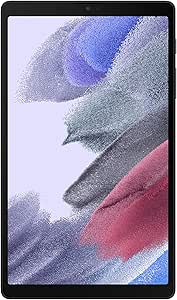
Samsung Galaxy Tab A7 Lite 8.7-Inch 32GB Wi-Fi Tablet, Gray

Samsung Galaxy Tab A11 Wi-Fi Tablet, 8.7-Inch, 64GB, 4GB RAM, Gray (SM-X133, International Version)
As an affiliate, we earn on qualifying purchases.
How Spaces Work at Launch
Meta’s announcement presents Spaces as an additional layer within Muse, not as a separate product. A user describes an idea, Muse builds a custom experience, and the user can continue revising it over time. Users can also check off tasks, add notes and make edits directly in a Space; Meta says those changes remain available when they return.
The feature is positioned for varied personal and work uses. Meta’s examples include combining a small business’s orders, customer messages and shipping tasks, or collecting a freelancer’s projects, deadlines and invoices. The company also describes a trip planner that could bring together flights, hotel details, reservations and an itinerary. These illustrations show the intended range, but the announcement does not specify which data sources or integrations support each one.
Meta says it is also rolling out specialized versions of its models to Muse, trained with learnings from Muse Wonder, to improve the overall experience. The announcement provides no technical details, independent evaluation or specific measure of the expected improvement.
“A space is a custom experience you create inside Muse by describing your idea.”
— Meta
Integrations and Sharing Details
Meta says Spaces are available wherever Muse is available, but the announcement does not list supported countries, platforms, account requirements or a rollout schedule beyond saying availability starts today. It also does not name the apps users can connect, explain what permissions those connections require, or say how information is handled when a Space draws on connected services.
It remains unclear how well Muse will build Spaces from different kinds of prompts, whether all the listed examples can be created as described, and whether background updates will be available across integrations. Meta does not provide pricing information, usage limits or independent performance results for the feature or its specialized models.
Collaborative sharing is not confirmed for launch. Meta says it is exploring ways to let users share Spaces, but gives no timing or details on how shared access might work.
Availability and Future Features
Meta says users can begin using Spaces today in places where Muse is available. People who want to try the feature will need to check Muse directly for its appearance and any available app connections; the announcement does not provide a separate rollout calendar or setup instructions.
The next developments to watch are which integrations support background updates, how users manage access to connected apps, and whether Meta turns its sharing exploration into a released feature. The company has not announced dates for collaborative Spaces or provided additional details about the specialized models it says it is adding to Muse.
Key Questions
What are Spaces in Muse?
Spaces are custom experiences inside Muse that users create by describing what they want, such as a planner, tracker or game. Meta says users can edit and revisit them.
When can users access Spaces?
Meta says Spaces are available starting today wherever Muse is available. The announcement does not list specific markets or platforms.
Can Spaces connect to other apps?
Meta says users can connect apps and that Spaces can update in the background. It does not identify supported apps or explain connection permissions in the announcement.
Can users share a Space with other people?
Not as a confirmed launch feature. Meta says it is exploring ways to support sharing, without giving a release date or further details.
What kinds of things can users build?
Meta lists examples including trip and wedding planners, music and order trackers, school dashboards, client hubs, podcast workspaces and trivia games. The announcement does not confirm that every example is available with all integrations.
Source: about.fb.com