TL;DR

Get business pricing on monitors, keyboards and dev gear
- Business-only prices and quantity discounts
- Tax-exempt purchasing
- Multiple users, one account, clear invoices
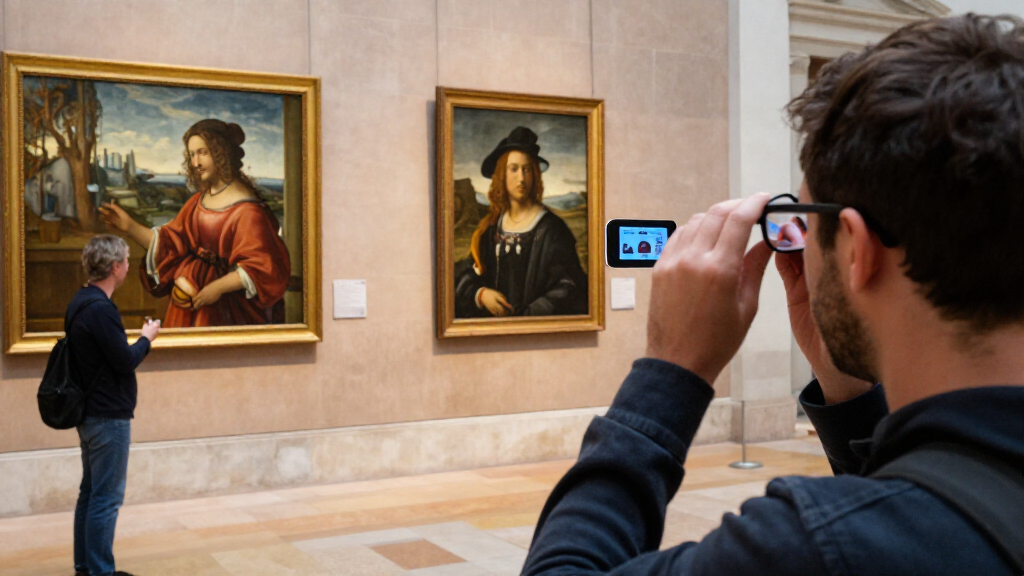
Meta, Milan’s Pinacoteca di Brera and EssilorLuxottica have launched a pilot that uses AI glasses to support blind and low-vision visitors on a museum tour. The reservation-based experience covers eight artworks and combines spoken descriptions with optional AI and live volunteer assistance.
Meta, Milan’s Pinacoteca di Brera and EssilorLuxottica have launched a pilot art tour using AI glasses to help blind and low-vision visitors experience selected works through spoken descriptions and optional assistance tools. The reservation-based route covers eight artworks and builds on the museum’s existing audio guide, developed with Italy’s Associazione Nazionale Subvedenti (ANS).
The project, called “Sensing Art – Discovering Masterpieces Beyond What Meets the Eye,” links the Grande Brera museum app with AI glasses developed by Meta and EssilorLuxottica. At each selected artwork, visitors can activate artwork recognition from the glasses and hear the matching description through speakers built into the frames. The museum says the pilot was developed with consultation and testing involving blind and visually impaired people, as well as three Italian sight-loss organizations: ANS, the Unione Italiana dei Ciechi e degli Ipovedenti (UICI), and Fondazione Istituto dei Ciechi di Milano.
The audio guide uses DescriVedendo, a method that translates an artwork’s shapes, composition and visual details into spoken language. Short orientation recordings guide visitors between works. The glasses’ open-ear speakers are intended to let visitors hear the audio while remaining aware of people and sounds around them.
Visitors may also use Meta AI to ask questions about the surroundings and context, or connect through Be My Eyes with sighted volunteers and qualified operators for real-time orientation and practical support. These are additional options during the tour; the source does not say they are required to complete the route. The museum says the experience is available by reservation, with glasses offered Tuesday to Friday from 10 a.m. to 4:30 p.m.
A New Route Into Museum Collections
The pilot tests whether wearable technology can make a museum visit more accessible without replacing a human guide or the museum’s established descriptive work. For visitors who are blind or have low vision, a spoken account of an artwork’s visual features can provide information that is otherwise difficult to access in a gallery. The route also pairs those descriptions with orientation audio and, if a visitor chooses, live support.
Its approach matters because it combines museum expertise, accessibility methods and consumer AI glasses in a real cultural venue. The partners say the project is intended to explore accessibility, not report a proven outcome. The source offers no evaluation data on visitor experience, independence, accuracy or how many people will use the service. Those results will be relevant in judging whether the model can be expanded or adapted elsewhere.
Meta’s announcement says more than one million people in Italy are blind or visually impaired and identifies cultural access as a challenge. That figure is provided by the company; the announcement does not give a date, definition or underlying source for the estimate. Even without drawing conclusions from that number, the pilot addresses a clear practical question: how can visitors receive detailed information about art while moving through a public gallery?
As an affiliate, we earn on qualifying purchases.
Building On DescriVedendo
The glasses do not introduce the museum’s descriptive audio from scratch. The Grande Brera app already includes an audio tour for blind and low-vision visitors, developed by ANS using DescriVedendo. The pilot connects that existing resource to artwork recognition on the glasses, so a visitor can trigger a description while standing near one of the selected works.
The announcement places the project within a wider partnership involving Meta, the museum, EssilorLuxottica and local sight-loss groups. Meta describes it as one of the first projects of its kind, but does not provide a comparison or evidence establishing that characterization. The stated development process included testing and consultation with people with visual disabilities, whose involvement helped shape the experience and access arrangements.
Pinacoteca di Brera director Angelo Crespi said the project adds another option to the institution’s existing commitment to accessible heritage. Meta accessibility vice-president Maxine Williams framed the initiative as a response to real needs developed through dialogue with people with disabilities. These are the organizations’ descriptions of the project’s aims, rather than independent findings about its effectiveness.
““Technology reaches its greatest potential when it succeeds in making information and daily experiences more accessible, natural, and immediate.””
— Maxine Williams, Meta vice-president of accessibility
smart glasses with audio description
As an affiliate, we earn on qualifying purchases.
As an affiliate, we earn on qualifying purchases.
Pilot Results Remain Unreported
The announcement does not specify how long the pilot will run, how many pairs of glasses are available, whether visitors pay a fee, or how reservations are allocated. It also provides no results from the testing and consultation phases, such as participant numbers or feedback measures. The source does not describe what happens if artwork recognition fails, or how the descriptions and AI responses are checked for accuracy.
It is also unclear whether the route will be expanded beyond the eight selected works, offered on additional days, or continued after the pilot. Meta and the museum present the service as an effort to explore access to art; the announcement does not claim that it resolves broader barriers to museum access.
wearable assistive technology for blind
As an affiliate, we earn on qualifying purchases.
As an affiliate, we earn on qualifying purchases.
Visitors Can Book The Tour
The immediate next step is visitor access: the museum says the tour can be booked at the Pinacoteca di Brera, with AI glasses available Tuesday through Friday, 10 a.m. to 4:30 p.m. The announcement directs prospective visitors to the museum’s information page for booking instructions and further details. It does not give a closing date for the pilot or a timetable for publishing results.
Any later decision to extend the experience will depend on information not yet provided, including visitor feedback, practical availability and the partners’ assessment of the technology in gallery conditions. The organizations have not announced a broader rollout or named a date for a review.
AI glasses for museum accessibility
As an affiliate, we earn on qualifying purchases.
As an affiliate, we earn on qualifying purchases.
Key Questions
What is the Sensing Art pilot?
It is a Pinacoteca di Brera tour for blind and low-vision visitors that connects AI glasses developed by Meta and EssilorLuxottica with the museum’s existing audio guide. The route includes eight selected artworks.
How do visitors hear the artwork descriptions?
Visitors can activate artwork recognition from the glasses and listen through the frames’ open-ear speakers. The descriptions use the DescriVedendo method to explain visual features such as shapes and composition.
Are Meta AI and Be My Eyes required?
No. The announcement describes them as optional tools. Meta AI can answer questions about context and surroundings, while Be My Eyes can connect visitors with volunteers or qualified operators for real-time support.
When can visitors use the tour?
The museum says the glasses are available by reservation Tuesday through Friday, from 10 a.m. to 4:30 p.m. The announcement directs visitors to the Pinacoteca di Brera information page for booking details.
Has the pilot’s effectiveness been established?
Not in the announcement. The partners say the experience was developed through testing and consultation, but they have not published evaluation results or announced a decision about extending the pilot.
Source: rss
Halloween Picks
halloween
As an affiliate, we earn on qualifying purchases.