
Finding the right software development project management tools can significantly impact your team’s productivity, collaboration, and delivery success. The best overall pick, JIRA, excels in Agile workflows and customization, making it ideal for complex projects. Meanwhile, Microsoft Project offers robust scheduling features suited for traditional project planning, while tools like Agile Project Management for Dummies simplify Agile adoption for beginners. Each tool comes with its own tradeoffs—some prioritize flexibility, others ease of use or cost-efficiency. Continue reading for a detailed breakdown to help you choose the right fit for your development team.

Get business pricing on monitors, keyboards and dev gear
- Business-only prices and quantity discounts
- Tax-exempt purchasing
- Multiple users, one account, clear invoices
Key Takeaways
- Top picks like JIRA and Microsoft Project differ significantly in complexity and use case, catering to different project types and team sizes.
- Ease of use remains a common challenge; simpler tools often lack advanced features, while feature-rich options can have steeper learning curves.
- Cost varies widely, with some solutions offering extensive capabilities at a premium, and others providing basic features at lower prices or free tiers.
- Agile-focused tools are increasingly favored, but traditional project management features still matter for certain workflows.
- Customization and integrations with development tools are key factors that differentiate the best options for software teams.
| Mastering JIRA for Agile Projects: A Practical Guide with Real-World Examples |  | Best Overall for Practical Agile Implementation | Focus: Practical Agile workflows | Includes: Confluence integration | Audience: Agile teams and project managers | VIEW LATEST PRICE | See Our Full Breakdown |
| Human Factors in Project Management: Concepts, Tools, and Techniques for Inspiring Teamwork and Motivation |  | Best for Improving Team Dynamics and Motivation | Focus: Team motivation and human factors | Tools: Practical techniques for teamwork | Audience: Project managers and team leaders | VIEW LATEST PRICE | See Our Full Breakdown |
| Agile Project Management with Scrum |  | Best for In-Depth Scrum Implementation | Framework: Scrum methodology | Coverage: Roles, practices, and principles | Audience: Beginners and experienced Agile teams | VIEW LATEST PRICE | See Our Full Breakdown |
| How to Measure Anything in Project Management |  | Best for Quantitative Decision-Making | Focus: Quantifying intangibles in projects | Approach: Strategic measurement techniques | Audience: Project leaders and decision-makers | VIEW LATEST PRICE | See Our Full Breakdown |
| Practical Project Management: Proven Framework, Templates, and Tools |  | Best for Beginners and Experienced Managers Seeking Structure | Content: Frameworks, templates, and tools | Extras: Bonus videos | Audience: Beginners and experienced managers | VIEW LATEST PRICE | See Our Full Breakdown |
| Agile Project Management: Creating Innovative Products | 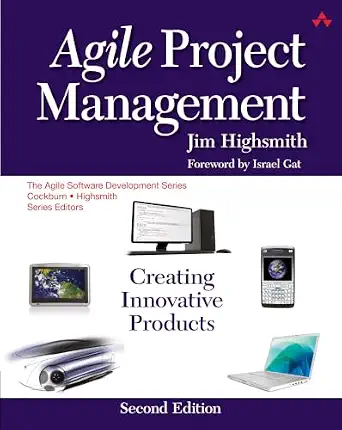 | Best for Agile Innovation Focus | Focus: Agile management for innovative products | Content: Strategies for managing agile teams and delivering value | Technical Depth: Limited | VIEW LATEST PRICE | See Our Full Breakdown |
| Software Configuration Management for Development Teams: Build Automation, Dependency Management, Release Planning, Version Control, and Continuous Delivery |  | Best for Automation and Process Streamlining | Topics Covered: Build automation, dependency management, release planning, version control, continuous delivery | Target Audience: Software developers, DevOps teams | Depth: Technical and practical | VIEW LATEST PRICE | See Our Full Breakdown |
| Agile Project Management For Dummies |  | Best for Beginners in Agile | Focus: Introductory agile principles and practices | Content: Methodologies, tools, practical tips | Complexity: Beginner to intermediate | VIEW LATEST PRICE | See Our Full Breakdown |
| Software Project Management For Dummies |  | Best for Beginners in Software Management | Focus: Software project management basics | Content: Methodologies, best practices, general overview | Audience: Beginners, junior managers | VIEW LATEST PRICE | See Our Full Breakdown |
| Management 3.0: Leading Agile Developers, Developing Agile Leaders |  | Best for Agile Leadership and Team Collaboration | Focus: Leadership and team management in agile | Content: Team collaboration, leadership strategies | Target Audience: Team leaders, Agile managers | VIEW LATEST PRICE | See Our Full Breakdown |
| Microsoft Project Cheat Sheet – Beginner and Advanced Quick Reference Guide for Project Management |  | Best Quick Reference for Microsoft Project Users | Format: PDF quick reference guide | Skill Level: Beginner to Advanced | Coverage: Core features, project tracking, resource management | VIEW LATEST PRICE | See Our Full Breakdown |
| software development project management tool | Focus | Audience | Format |
|---|---|---|---|
| Mastering JIRA for Agile Proje | Practical Agile workflows | Agile teams and project managers | — |
| Human Factors in Project Manag | Team motivation and human factors | Project managers and team leaders | — |
| Agile Project Management with | — | Beginners and experienced Agile teams | — |
| How to Measure Anything in Pro | Quantifying intangibles in projects | Project leaders and decision-makers | — |
| Practical Project Management: | — | Beginners and experienced managers | — |
| Agile Project Management: Crea | Agile management for innovative products | — | Print book |
| Software Configuration Managem | — | — | Print book |
| Agile Project Management For D | Introductory agile principles and practices | New project managers, team members | Print book |
| Software Project Management Fo | Software project management basics | Beginners, junior managers | Print book |
| Management 3.0: Leading Agile | Leadership and team management in agile | — | Print book |
| Microsoft Project Cheat Sheet | — | — | PDF quick reference guide |
More Details on Our Top Picks
Mastering JIRA for Agile Projects: A Practical Guide with Real-World Examples
This book stands out for its hands-on approach to using JIRA and Confluence, making it ideal for teams already committed to Atlassian tools. Compared with other project management books like Agile Project Management with Scrum, it offers more concrete workflows and real-world scenarios, which are essential for teams looking to implement Agile practices effectively. However, it doesn’t delve into technical customization or advanced integrations, which could be a limitation for experienced practitioners. If your team relies heavily on Atlassian products and needs clear, practical guidance, this resource becomes invaluable.
Pros:- Comprehensive, practical examples tailored to Agile workflows
- Includes valuable tips on integrating Confluence for documentation
- Suitable for teams new to JIRA or seeking to improve collaboration
Cons:- Lacks coverage of advanced JIRA customization options
- No detailed technical or configuration guides for power users
Best for: Agile teams and project managers seeking practical, step-by-step guidance on JIRA and Confluence
Not ideal for: Teams not using Atlassian tools or those looking for deep technical customization details
- Focus:Practical Agile workflows
- Includes:Confluence integration
- Audience:Agile teams and project managers
Our verdict“This guide is perfect for Agile teams wanting straightforward, real-world application of JIRA and Confluence, but less suitable for those needing technical customization insights.”
Human Factors in Project Management: Concepts, Tools, and Techniques for Inspiring Teamwork and Motivation
This book shines by emphasizing the human side of project management, offering useful tools to boost teamwork and motivation, which many technical guides overlook. Compared with Practical Project Management, it focuses more on team psychology than on frameworks and templates, making it ideal for managers aiming to foster stronger collaboration. Its general approach may leave advanced practitioners wanting more technical depth, but for those focusing on leadership and team engagement, it provides actionable insights.
Pros:- Provides practical tools to enhance team motivation
- Focuses on improving collaboration and team dynamics
- Accessible for managers new to human factors in projects
Cons:- Lacks detailed technical or software-specific strategies
- May be too broad for advanced project management professionals
Best for: Project managers and team leaders aiming to enhance motivation and team cohesion
Not ideal for: Technical project managers seeking detailed methodologies or software-specific guidance
- Focus:Team motivation and human factors
- Tools:Practical techniques for teamwork
- Audience:Project managers and team leaders
Our verdict“This book is well-suited for leaders looking to strengthen team motivation and collaboration, but less so for those needing technical project management tools.”
Agile Project Management with Scrum
This book offers a detailed look at implementing Scrum, making it ideal for teams seeking a structured guide to Agile practices. Compared with Mastering JIRA for Agile Projects, it provides a broader focus on Scrum principles and roles without tying the content to specific tools. While its comprehensive coverage suits both beginners and experienced practitioners, its lack of case studies and dense language could challenge readers new to Agile or those looking for quick reference material. It excels in foundational knowledge but might feel overwhelming for some.
Pros:- Thorough coverage of Scrum principles and roles
- Practical guidance suitable for both beginners and experienced teams
- Focus on core Agile practices rather than tools
Cons:- Lacks detailed case studies for real-world application
- May be dense and challenging for new readers
Best for: Teams adopting Scrum for the first time or seeking to deepen their understanding of Agile roles and practices
Not ideal for: Teams that prefer lightweight guides or are using non-Scrum Agile frameworks
- Framework:Scrum methodology
- Coverage:Roles, practices, and principles
- Audience:Beginners and experienced Agile teams
Our verdict“This resource is ideal for teams committed to Scrum who want a solid, detailed understanding, but may be too dense for those seeking quick overviews or alternative Agile methods.”
How to Measure Anything in Project Management
This book appeals to managers interested in improving decision quality through better measurement, contrasting with more process-focused guides like Practical Project Management. It emphasizes quantifying intangible project aspects, which can lead to better resource allocation and risk management. However, it offers limited technical tools and leans toward theory, making it less practical for teams needing immediate, concrete measurement techniques. It suits leaders open to strategic thinking about metrics but less for those seeking quick, actionable measurement tools.
Pros:- Offers innovative strategies for quantifying intangibles
- Enhances decision-making and resource allocation
- Provides a strategic perspective on project metrics
Cons:- Lacks detailed technical tools for measurement implementation
- More theoretical, less practical for immediate application
Best for: Project managers and leaders wanting to improve decision-making through measurement strategies
Not ideal for: Teams looking for detailed technical measurement tools or quick implementation guides
- Focus:Quantifying intangibles in projects
- Approach:Strategic measurement techniques
- Audience:Project leaders and decision-makers
Our verdict“This book is well-suited for strategic thinkers aiming to improve decision quality through measurement, but less so for teams needing quick, technical solutions.”
Practical Project Management: Proven Framework, Templates, and Tools
This book stands out for its collection of proven frameworks and templates that can be directly applied to project planning and execution, making it a versatile resource. Unlike Mastering JIRA, which is tool-specific, this guide offers a more general approach suited for varied environments. Its inclusion of bonus videos adds value, especially for visual learners. However, the lack of detailed content coverage or clear scope limits its usefulness for highly complex or technical projects. It makes sense for managers who want ready-to-use tools but may leave advanced users wanting more depth.
Pros:- Provides a variety of proven frameworks and templates
- Includes bonus videos for visual and interactive learning
- Suitable for both beginners and seasoned managers
Cons:- Lacks detailed coverage of complex project scenarios
- No information on content depth or scope specifics
Best for: Project managers and teams seeking structured templates and frameworks for effective project delivery
Not ideal for: Advanced practitioners needing in-depth technical methods or comprehensive coverage of complex scenarios
- Content:Frameworks, templates, and tools
- Extras:Bonus videos
- Audience:Beginners and experienced managers
Our verdict“This book offers practical, ready-to-apply tools for project managers who prefer structured approaches, but may not satisfy those seeking detailed technical guidance.”
Agile Project Management: Creating Innovative Products
This book stands out for its emphasis on managing innovative products through agile principles, making it ideal for teams seeking to foster creativity without getting bogged down in technical details. Compared with Agile Project Management For Dummies, which offers broader introductory concepts, this title dives deeper into strategies for cultivating innovation within agile frameworks. However, it lacks detailed technical guidance or supplementary materials, which may leave practitioners wanting more concrete steps. Its strength lies in practical management strategies tailored for innovative product development, though it may fall short for those needing technical implementation guidance.
Pros:- Provides practical agile management strategies tailored for innovation
- Focuses on developing creative products within agile frameworks
- Helps managers foster a culture of innovation and adaptability
Cons:- Lacks detailed technical instructions for implementation
- No supplementary materials or case studies included
Best for: Product managers and team leaders focused on innovative, agile product development
Not ideal for: Developers seeking technical implementation details or teams requiring step-by-step guides
- Focus:Agile management for innovative products
- Content:Strategies for managing agile teams and delivering value
- Technical Depth:Limited
- Supplementary Materials:None
- Intended Audience:Product managers, Agile team leads
- Format:Print book
Our verdict“This book is ideal for managers leading innovative agile projects but less suited for technical teams needing detailed guidance.”
Software Configuration Management for Development Teams: Build Automation, Dependency Management, Release Planning, Version Control, and Continuous Delivery
This book excels in providing comprehensive guidance on configuration management and automation, making it well-suited for teams aiming to optimize their development pipelines. Compared to Management 3.0, which concentrates on leadership and team dynamics, this title focuses on technical practices that enable seamless integration and delivery. Its emphasis on build automation, dependency management, and release planning helps teams reduce errors and accelerate releases, though the absence of user reviews or specific editions limits insight into its practical effectiveness. This pick is best for technical teams seeking to streamline their development workflows.
Pros:- Offers detailed coverage of build automation and dependency management
- Focuses on streamlining release planning and continuous delivery
- Provides practical, actionable guidance for technical teams
Cons:- No user reviews or edition details available
- Lacks broader strategic or leadership content
Best for: Development teams implementing or improving automation and continuous delivery pipelines
Not ideal for: Managers or non-technical leaders looking for leadership strategies rather than technical guidance
- Topics Covered:Build automation, dependency management, release planning, version control, continuous delivery
- Target Audience:Software developers, DevOps teams
- Depth:Technical and practical
- Format:Print book
- Edition Info:Not specified
- User Ratings:Not available
Our verdict“This book is perfect for technical teams focused on automation and process efficiency but less relevant for leadership development.”
Agile Project Management For Dummies
This book is a clear, accessible introduction to agile project management, making it ideal for newcomers or those seeking a broad overview. Compared with Management 3.0, which offers leadership insights, this title emphasizes fundamental principles, methodologies, and practical tips suitable for beginners or teams new to agile. While it provides practical advice and real-world examples, it lacks in-depth case studies or advanced techniques, which might limit its usefulness for seasoned practitioners. Its straightforward approach helps demystify agile concepts for a wide audience.
Pros:- Clear and easy-to-understand explanations of agile concepts
- Suitable for beginners and those new to agile project management
- Includes practical tips and real-world examples
Cons:- Lacks detailed case studies or advanced content
- May be too basic for experienced practitioners
Best for: Project managers and team members new to agile methodologies
Not ideal for: Experienced agile practitioners or teams seeking detailed case studies and advanced techniques
- Focus:Introductory agile principles and practices
- Content:Methodologies, tools, practical tips
- Complexity:Beginner to intermediate
- Format:Print book
- Audience:New project managers, team members
- Depth:Basic to moderate
Our verdict“This book is a solid starting point for beginners in agile project management but offers limited depth for advanced users.”
Software Project Management For Dummies
This title offers an accessible overview of managing software projects, similar in scope to Agile Project Management For Dummies, but with a broader focus on methodologies and practices. While it provides a well-rounded introduction suitable for newcomers, it falls short in technical depth or coverage of the latest trends, making it less ideal for those seeking cutting-edge techniques. Its straightforward language and comprehensive coverage of project management basics make it a practical choice for beginners, though more experienced practitioners might find it lacking in advanced insights.
Pros:- Easy-to-understand language suitable for beginners
- Covers a wide range of project management topics
- Provides foundational knowledge for effective software oversight
Cons:- Lacks detailed technical or latest methodological content
- May be somewhat outdated for cutting-edge practices
Best for: Novice project managers and team members new to software development processes
Not ideal for: Experienced managers or teams working with the latest agile or DevOps practices
- Focus:Software project management basics
- Content:Methodologies, best practices, general overview
- Audience:Beginners, junior managers
- Technical Depth:Limited
- Format:Print book
- Edition:Not specified
Our verdict“This book is a practical starting point for newcomers but offers limited depth for advanced or modern methodologies.”
Management 3.0: Leading Agile Developers, Developing Agile Leaders
This book offers valuable insights into leading and managing agile teams, making it a strong choice for managers and team leaders looking to improve collaboration and performance. Compared with Agile Project Management For Dummies, which covers broad project principles, this title zeroes in on leadership strategies and team dynamics, providing practical approaches to foster a motivated, high-performing team environment. Its focus on leadership development makes it less suitable for developers or technical staff seeking technical guidance, but it excels at helping managers become more effective in agile settings. However, the lack of detailed specifications or comprehensive content overview might leave some readers wanting more depth.
Pros:- Provides practical insights into agile leadership
- Focuses on fostering collaboration and team performance
- Helps develop effective agile leaders
Cons:- No detailed specifications or content overview provided
- May require prior agile knowledge to fully benefit
Best for: Agile team leaders and managers seeking to enhance leadership skills
Not ideal for: Developers or technical staff seeking technical or process-oriented guidance
- Focus:Leadership and team management in agile
- Content:Team collaboration, leadership strategies
- Target Audience:Team leaders, Agile managers
- Depth:Leadership-focused
- Format:Print book
- Prerequisites:Prior agile knowledge recommended
Our verdict“This book is ideal for managers aiming to strengthen their leadership in agile environments but less relevant for developers seeking technical details.”
Microsoft Project Cheat Sheet – Beginner and Advanced Quick Reference Guide for Project Management
This cheat sheet stands out for simplifying both basic and advanced features of Microsoft Project, making it a valuable resource for users who want quick answers rather than in-depth tutorials. Compared with comprehensive guides like Practical Project Management, this cheat sheet focuses solely on key features, which can be a double-edged sword. It accelerates workflow but offers limited explanations for complex features, potentially leaving users stuck without further guidance. Its concise format is ideal for seasoned project managers needing a refresher or beginners seeking a fast start, but it lacks detailed walkthroughs and practice exercises, which could hinder learning for some. Overall, this tool is perfect for those already familiar with Microsoft Project who need a quick reference, not a step-by-step manual.
Pros:- Provides a quick, at-a-glance overview of essential Microsoft Project features
- Covers both beginner and advanced techniques, making it versatile for different skill levels
- Helps improve efficiency by reducing time spent searching for feature details
Cons:- Lacks detailed explanations for complex features, which may leave some users confused
- Does not include practice exercises or step-by-step tutorials for hands-on learning
Best for: Experienced project managers or team leads who want a rapid, on-hand reference to streamline their use of Microsoft Project
Not ideal for: Beginners or users seeking comprehensive tutorials or hands-on practice, as it offers no exercises or in-depth explanations
- Format:PDF quick reference guide
- Skill Level:Beginner to Advanced
- Coverage:Core features, project tracking, resource management
- Length:Approximately 50 pages
- Accessibility:Instant download, portable reference
- Language:English
Our verdict“This cheat sheet is a solid choice for experienced users needing a fast reference, but it falls short for those seeking comprehensive training.”

How We Picked
The products in this roundup were selected based on their relevance to software development teams, feature sets, ease of integration with development workflows, user feedback, and overall value. We prioritized tools that support Agile, Scrum, and traditional project management methods, ensuring a comprehensive overview of options suitable for different team sizes and project complexities. Each product was evaluated on performance, usability, customization options, pricing, and customer support. The ranking reflects a combination of these factors, emphasizing versatility, ease of adoption, and long-term value for software development environments.| software development project management tool | Format |
|---|---|
| Mastering JIRA for Agile Proje | — |
| Human Factors in Project Manag | — |
| Agile Project Management with | — |
| How to Measure Anything in Pro | — |
| Practical Project Management: | — |
| Agile Project Management: Crea | Print book |
| Software Configuration Managem | Print book |
| Agile Project Management For D | Print book |
| Software Project Management Fo | Print book |
| Management 3.0: Leading Agile | Print book |
| Microsoft Project Cheat Sheet | PDF quick reference guide |
Factors to Consider When Choosing Software Development Project Management Tools
Choosing the right software development project management tool involves weighing several key factors. Beyond feature lists, consider how a tool aligns with your team’s workflow, budget, and future growth potential. Making the wrong choice can lead to inefficiencies or costly migrations down the line. Here are the main factors to guide your decision:Workflow Compatibility
Ensure the tool aligns with your development methodology—whether Agile, Scrum, Kanban, or traditional Waterfall. Some tools, like JIRA, excel in Agile environments with boards and sprints, while others are better suited for structured, Gantt-driven planning. Matching the tool to your process reduces friction and training time, leading to smoother project execution.
Ease of Use vs. Advanced Features
Balance needs for simplicity against the desire for advanced capabilities. Simpler tools often have faster onboarding but might lack automation or detailed reporting. Conversely, feature-rich platforms can boost productivity but may require more training. Consider who will use the tool and how steep a learning curve your team can handle.
Integration and Ecosystem
Look for tools that integrate seamlessly with your existing development stack—version control, CI/CD pipelines, bug trackers, and communication platforms. Strong integrations reduce manual data entry and streamline workflows, ultimately saving time and minimizing errors.
Scalability and Customization
Your chosen tool should grow with your team. Check whether it supports custom fields, workflows, and automation. Avoid overly rigid solutions that might hinder adapting to evolving project needs, but also beware of overly complex systems that overwhelm smaller teams.
Cost and Support
Pricing models vary from free tiers to premium subscriptions. Consider your budget and the value delivered. Also, evaluate the quality of customer support and community resources, as these can significantly influence your experience, especially during onboarding or troubleshooting.
Frequently Asked Questions
Can these tools support both Agile and traditional project management methods?
Many of the tools listed, such as JIRA and Microsoft Project, offer support for both Agile and traditional project management. JIRA, for example, provides Scrum and Kanban boards alongside customizable workflows, while Microsoft Project excels with Gantt charts and detailed scheduling. Your choice should depend on your team’s primary methodology, but having flexibility to switch or combine approaches can future-proof your project management setup.
Are these tools suitable for small, medium, or large development teams?
Most tools are scalable, but some are better suited for specific team sizes. For instance, simpler tools like Agile Project Management for Dummies work well for small teams or startups, while comprehensive platforms like JIRA and Microsoft Project cater effectively to medium and large organizations. Consider your current team size and potential growth when selecting a tool to avoid costly migrations later.
How important is customization in choosing a project management tool?
Customization plays a vital role in adapting a tool to your specific workflows, especially in software development. Features like custom workflows, fields, and automation can significantly improve efficiency and reduce manual work. However, overly complex customization options might increase setup time and require dedicated admin resources, so balance your needs carefully.
What should I prioritize if my team is new to project management tools?
If your team is just starting out, prioritize ease of use and quick onboarding. Tools like Agile Project Management for Dummies or simplified versions of JIRA can help your team get up to speed faster. Investing in user-friendly solutions minimizes resistance and accelerates adoption, which is crucial for initial success.
How do I evaluate the long-term value of a project management tool?
Assess whether the tool can scale with your team, supports necessary integrations, and offers automation to reduce manual effort. Consider vendor reputation, update frequency, and community support, as these indicators reflect ongoing value. A slightly pricier but more adaptable solution often delivers better ROI over time by accommodating evolving project needs.
Conclusion
For teams seeking a comprehensive and highly customizable option, JIRA remains the best overall choice, especially for Agile environments. Smaller teams or startups that prioritize simplicity and affordability might prefer Agile Project Management for Dummies. Large organizations with complex schedules will find Microsoft Project better suited to their needs. Those new to project management should opt for tools with intuitive interfaces and strong onboarding resources. Ultimately, selecting the right tool depends on your team size, workflow, and growth plans—match your specific needs to the strengths outlined here for the best results.
As an affiliate, we earn on qualifying purchases.Fall Picks
fall essentials