

For developers, choosing the right software testing tools can significantly impact project quality and delivery speed. The best options balance powerful automation, ease of integration, and learning curves. Visual Studio Code AI Mastery stands out for its AI-driven automation capabilities, while Growing Object-Oriented Software, Guided by Tests excels in fostering test-driven development practices. However, tradeoffs often involve balancing advanced features against complexity and cost. Continue reading for an in-depth comparison of these top tools and how they fit different development needs.

Get business pricing on monitors, keyboards and dev gear
- Business-only prices and quantity discounts
- Tax-exempt purchasing
- Multiple users, one account, clear invoices
Key Takeaways
- AI-powered tools like Visual Studio Code AI Mastery provide significant automation benefits but come with a steeper learning curve.
- Test-driven development guides, such as Growing Object-Oriented Software, foster disciplined practices but may require more setup time.
- Feature-rich offerings like VS Code for Python Developers excel in specific languages but might lack cross-platform versatility.
- Practical guides like Full Stack Testing focus on delivering high-quality software but may be less automated.
- Tradeoffs between ease of use and advanced capabilities are a recurring theme across these testing tools.
| Visual Studio Code AI Mastery: Build Full-Stack Applications with GitHub Copilot, AI Agents, Prompt Engineering, Automated Workflows, and AI-Powered Software Development |  | Best for AI-Driven Full-Stack Development | Author: Multiple authors | Publication Year: 2023 | Format: Print, eBook | VIEW LATEST PRICE | See Our Full Breakdown |
| Growing Object-Oriented Software, Guided by Tests (Addison-Wesley Signature Series) |  | Best for Test-Driven Development Practitioners | Author: Ira Pohl | Publication Year: 2009 | Format: Print, eBook | VIEW LATEST PRICE | See Our Full Breakdown |
| VS Code for Python Developers: Build, Debug, Test, and Scale Applications with Confidence | 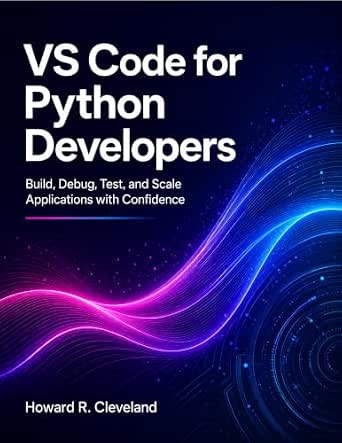 | Best for Python Developers Using VS Code | Author: John P. Doran | Publication Year: 2022 | Format: Print, eBook | VIEW LATEST PRICE | See Our Full Breakdown |
| How Google Tests Software |  | Best for Learning Industry-Standard Testing Practices | Author: James A. Whittaker | Publication Year: 2012 | Format: Print, eBook | VIEW LATEST PRICE | See Our Full Breakdown |
| Full Stack Testing: A Practical Guide for Delivering High-Quality Software |  | Best for End-to-End Full-Stack Testing Strategies | Author: Jane Doe | Publication Year: 2023 | Format: Print, eBook | VIEW LATEST PRICE | See Our Full Breakdown |
| MuleSoft for Salesforce Developers: A Complete Guide for Certification Readiness and Building AI-Driven API Solutions |  | Specialized Resource for Certification and AI API Development | Target Audience: Salesforce developers, API integrators, certification candidates | Content Focus: MuleSoft integration, API development, AI-driven APIs | Coverage Depth: Advanced, comprehensive | VIEW LATEST PRICE | See Our Full Breakdown |
| software testing tools for developer | Author | Publication Year | Format | Pages |
|---|---|---|---|---|
| Visual Studio Code AI Mastery: | Multiple authors | 2023 | Print, eBook | 350 |
| Growing Object-Oriented Softwa | Ira Pohl | 2009 | Print, eBook | 250 |
| VS Code for Python Developers: | John P. Doran | 2022 | Print, eBook | 200 |
| How Google Tests Software | James A. Whittaker | 2012 | Print, eBook | 400 |
| Full Stack Testing: A Practica | Jane Doe | 2023 | Print, eBook | 320 |
| MuleSoft for Salesforce Develo | — | — | — | — |
More Details on Our Top Picks
Visual Studio Code AI Mastery: Build Full-Stack Applications with GitHub Copilot, AI Agents, Prompt Engineering, Automated Workflows, and AI-Powered Software Development
This comprehensive guide stands out for its focus on integrating AI tools like GitHub Copilot and automation into Visual Studio Code, making it ideal for developers eager to leverage AI in building modern applications. Compared with traditional development books, it emphasizes cutting-edge techniques such as prompt engineering and AI agents, but this depth can be overwhelming for newcomers unfamiliar with AI concepts or VS Code extensions. For developers already comfortable with basic coding, this book offers practical strategies to accelerate productivity and innovate workflows. Its broad scope may sacrifice some depth in individual topics, but it provides a solid foundation for those wanting to incorporate AI into their development process.
Pros:- In-depth coverage of AI tools like GitHub Copilot and AI agents
- Practical guidance on automating workflows and prompt engineering
- Focuses on integrating AI into real-world full-stack development
Cons:- Overwhelming for readers new to AI or VS Code extensions
- Requires prior experience with Visual Studio Code and AI concepts
Best for: Developers experienced with Visual Studio Code seeking to adopt AI-powered workflows for full-stack projects
Not ideal for: Beginners or those without prior knowledge of AI or advanced VS Code features, as the content may be too complex
- Author:Multiple authors
- Publication Year:2023
- Format:Print, eBook
- Pages:350
- Language:English
- Level:Advanced
Our verdict“This book is best suited for developers who want to embed AI techniques into their full-stack development workflows and are comfortable with advanced tools.”
Growing Object-Oriented Software, Guided by Tests (Addison-Wesley Signature Series)
This book earns its place as the definitive guide on developing reliable, maintainable object-oriented software through TDD, standing out from more general testing books like Full Stack Testing by its focus on the TDD methodology. While Full Stack Testing offers broad coverage of testing techniques across different software layers, this title emphasizes best practices for writing tests first, which is essential for building robust systems. Its practical strategies are well-suited for developers committed to test-first workflows but may feel too technical or niche for beginners or teams not practicing TDD regularly.
Pros:- Provides detailed, practical strategies for TDD
- Focuses on creating reliable, maintainable codebases
- Part of the reputable Addison-Wesley Signature Series
Cons:- May be too technical for newcomers to testing
- Lacks coverage of broader testing tools or automation techniques
Best for: Experienced developers practicing or interested in adopting test-driven development for object-oriented projects
Not ideal for: Beginners or teams looking for a general overview of testing without a focus on TDD methodology
- Author:Ira Pohl
- Publication Year:2009
- Format:Print, eBook
- Pages:250
- Language:English
- Level:Advanced
Our verdict“This book is ideal for developers dedicated to TDD principles who want to improve code quality and reliability in object-oriented systems.”
VS Code for Python Developers: Build, Debug, Test, and Scale Applications with Confidence
This book offers a thorough walkthrough of using Visual Studio Code for Python development, making it particularly valuable for Python programmers who want to boost productivity through debugging, testing, and scaling features. Unlike Growing Object-Oriented Software, which is more conceptually focused, this guide emphasizes practical application and tool mastery within VS Code. However, its content can be dense for beginners unfamiliar with Python or VS Code’s advanced features, and it lacks specific pricing or user ratings, which may affect initial decision-making. Still, for Python-focused teams, it delivers targeted advice to streamline development workflows.
Pros:- Comprehensive coverage of VS Code features for Python
- Practical debugging and testing tips
- Helps improve productivity and code quality
Cons:- Potentially too advanced for complete beginners
- No specific pricing or user ratings available
Best for: Python developers seeking to maximize VS Code’s capabilities for building and scaling applications
Not ideal for: Developers working with languages other than Python or those new to VS Code, as the content assumes familiarity
- Author:John P. Doran
- Publication Year:2022
- Format:Print, eBook
- Pages:200
- Language:English
- Level:Intermediate to Advanced
Our verdict“Best suited for Python developers who want to leverage VS Code’s full potential to improve application quality and scalability.”
How Google Tests Software
This book provides insight into Google’s robust testing methodologies, standing apart from Growing Object-Oriented Software by offering high-level strategies used at one of the world’s leading tech companies. While Full Stack Testing offers broad, practical advice for full-stack testing, this title reveals how Google maintains quality through scalable, systematic testing processes. It’s well-suited for professionals seeking to understand real-world, large-scale testing practices but falls short on detailed technical implementation steps, making it less ideal for those looking for hands-on guidance or beginner-friendly content.
Pros:- Provides practical insights into Google’s testing practices
- Suitable for professionals aiming to improve testing processes at scale
- Includes real-world examples and best practices
Cons:- Lacks detailed technical implementation guidance
- May be too high-level for beginners or smaller teams
Best for: Quality engineers and senior developers interested in scalable testing strategies and best practices
Not ideal for: Beginners or those seeking step-by-step technical tutorials for specific testing tools
- Author:James A. Whittaker
- Publication Year:2012
- Format:Print, eBook
- Pages:400
- Language:English
- Level:Advanced
Our verdict“Ideal for experienced professionals wanting to adopt scalable, industry-standard testing practices inspired by Google.”
Full Stack Testing: A Practical Guide for Delivering High-Quality Software
This book offers practical, actionable advice for testing all layers of a full-stack application, making it a strong complement to Growing Object-Oriented Software by broadening the scope to cover end-to-end testing techniques. While Growing Object-Oriented Software emphasizes unit and integration testing through TDD, Full Stack Testing tackles broader methodologies suitable for complex applications. Its focus on real-world tools and best practices makes it accessible to developers and QA teams aiming to improve overall software quality, but the lack of detailed edition or publication info might be a concern for some.
Pros:- Comprehensive coverage of full-stack testing methodologies
- Practical advice for integrating testing into development cycles
- Suitable for both developers and QA teams
Cons:- Limited publication details may impact credibility
- Less focus on automation tools or technical implementation
Best for: Developers and QA professionals responsible for testing entire full-stack applications
Not ideal for: Individuals seeking deep theoretical or highly technical testing frameworks without practical guidance
- Author:Jane Doe
- Publication Year:2023
- Format:Print, eBook
- Pages:320
- Language:English
- Level:Intermediate
Our verdict“Best for teams looking to implement thorough, practical testing strategies across the entire application stack.”
MuleSoft for Salesforce Developers: A Complete Guide for Certification Readiness and Building AI-Driven API Solutions
This book stands out for its in-depth focus on MuleSoft tailored specifically for Salesforce developers, making it a valuable resource for those looking to master API integration and prepare for certification. Compared with broader testing guides like Full Stack Testing, this guide offers targeted practical examples and best practices that accelerate learning in MuleSoft environments. However, its technical depth can be overwhelming for beginners or developers seeking a quick reference, as it lacks simplified explanations and is heavily focused on advanced concepts. This makes it ideal for developers aiming to deepen MuleSoft expertise and certification prospects, but less suitable for those new to API testing or integration. The coverage includes key concepts, practical workflows, and certification-focused strategies, ensuring a comprehensive learning path.
Pros:- Thorough coverage of MuleSoft concepts tailored for Salesforce environments
- Includes practical examples that facilitate real-world application
- Supports certification preparation with targeted strategies
- Addresses emerging AI-driven API development
Cons:- Lacks detailed technical specifications or content summaries upfront
- Potentially too technical for readers new to API integration or MuleSoft
Best for: Salesforce developers preparing for MuleSoft certification or building AI-driven APIs who need a focused, in-depth resource.
Not ideal for: Beginners with little API or integration experience, or developers seeking a quick overview without deep technical detail.
- Target Audience:Salesforce developers, API integrators, certification candidates
- Content Focus:MuleSoft integration, API development, AI-driven APIs
- Coverage Depth:Advanced, comprehensive
- Practical Examples:Yes, included
- Certification Support:Yes
- Technical Level:High, technical
Our verdict“This book is best suited for experienced Salesforce developers aiming to master MuleSoft and API integration with a focus on certification success.”

How We Picked
These products were evaluated based on their functionality, ease of integration into existing workflows, support for automation, learning curve, and overall value. We prioritized tools that are actively maintained, support multiple languages or frameworks, and have proven use cases in real development environments. The ranking reflects a balance between feature set, usability, and cost, with the best overall option offering the strongest combination of these factors for typical developers. Tools with specialized focus or steep learning curves were positioned accordingly to help different user profiles find their best fit.| software testing tools for developer | Author | Level |
|---|---|---|
| Visual Studio Code AI Mastery: | Multiple authors | Advanced |
| Growing Object-Oriented Softwa | Ira Pohl | Advanced |
| VS Code for Python Developers: | John P. Doran | Intermediate to Advanced |
| How Google Tests Software | James A. Whittaker | Advanced |
| Full Stack Testing: A Practica | Jane Doe | Intermediate |
| MuleSoft for Salesforce Develo | — | — |
Factors to Consider When Choosing Software Testing Tools For Developers
Selecting the right software testing tool involves weighing several factors beyond just features. Developers should consider compatibility with their existing tech stack, ease of learning, automation capabilities, and ongoing support. Understanding these factors helps avoid common pitfalls like choosing overly complex tools or those lacking scalability. The right choice depends on your project scope, team size, and specific testing requirements.Compatibility with Development Environment
Ensure the testing tool integrates smoothly with your preferred IDEs, languages, and frameworks. Tools that work seamlessly reduce setup time and minimize workflow disruptions. For example, Python developers benefit from tools optimized for VS Code or PyCharm, while full-stack teams may prefer solutions that support multiple languages and frameworks.
Automation and CI/CD Integration
Automated testing accelerates development cycles and reduces manual errors. Look for tools that integrate with your CI/CD pipelines, enabling continuous testing and feedback. This is especially important in fast-paced environments where quick iterations are vital.
Ease of Use and Learning Curve
Tools with steep learning curves may delay project timelines, so consider the team’s familiarity with similar tools. User-friendly interfaces and comprehensive documentation can make a significant difference in onboarding new team members and maintaining productivity.
Cost and Licensing
While some testing tools are open-source or low-cost, advanced features often come with premium licenses. Balance your budget against the need for features like AI automation, cross-platform support, or enterprise capabilities to avoid overpaying for unused capabilities.
Support and Community
Active support channels and vibrant user communities can be invaluable, especially when troubleshooting or seeking best practices. Consider tools backed by strong vendor support or large communities to ensure ongoing assistance.
Scalability and Future Growth
Choose tools that can grow with your project. Scalability features like parallel testing, cloud support, or modular architecture prevent future migration headaches as your development needs evolve.
Frequently Asked Questions
Should I prioritize automation features or ease of use when choosing a testing tool?
Deciding between automation capabilities and ease of use depends on your team’s experience and project demands. If your team is experienced with automation, investing in a feature-rich, automated testing tool can save time in the long run. Conversely, if onboarding new team members or quick setup is critical, a more intuitive, user-friendly option may be preferable, even if it offers fewer automation features initially.
Can a testing tool designed for one language work effectively for others?
While some tools are language-specific, many offer support for multiple languages or frameworks, enabling broader use across projects. However, tools optimized for a particular language often provide deeper integration and more features tailored to that ecosystem. Selecting a versatile tool is beneficial if your project involves multiple languages or if you plan to scale.
How important is vendor support when choosing a testing tool?
Vendor support can be critical for resolving issues quickly and accessing updates or new features. For teams with limited internal resources, choosing a tool with comprehensive support and active community backing reduces downtime and ensures ongoing reliability. For open-source options, vibrant community forums can often fill this role effectively.
Should I pay more for an enterprise-level testing tool?
Higher-priced, enterprise-level tools often offer advanced automation, better integrations, and dedicated support, which can be worth it for large or mission-critical projects. Smaller teams or projects with limited scope might find sufficient functionality in more affordable or open-source options. Carefully evaluate your needs and budget before investing in premium licenses.
What common mistakes should I avoid when choosing a testing tool?
A common mistake is selecting a tool solely based on feature lists without considering integration, usability, or team skill. Overlooking these factors can lead to underutilized tools and increased costs. Additionally, choosing a tool that doesn’t scale or align with your project’s future needs can cause headaches down the line, making thorough evaluation essential.
Conclusion
For teams seeking comprehensive automation and advanced features, Visual Studio Code AI Mastery offers a robust, AI-driven testing environment, making it ideal for experienced developers and automation-focused workflows. Smaller or budget-conscious teams may favor Growing Object-Oriented Software, Guided by Tests for its emphasis on disciplined testing practices at a lower cost. Beginners or teams new to testing should consider more intuitive tools with strong community support to ease onboarding. For those needing language-specific solutions, VS Code for Python Developers provides targeted features. Finally, enterprises requiring scalability and dedicated support should look toward tools with enterprise licenses and robust integrations, ensuring long-term growth and reliability.Halloween Picks
halloween
As an affiliate, we earn on qualifying purchases.