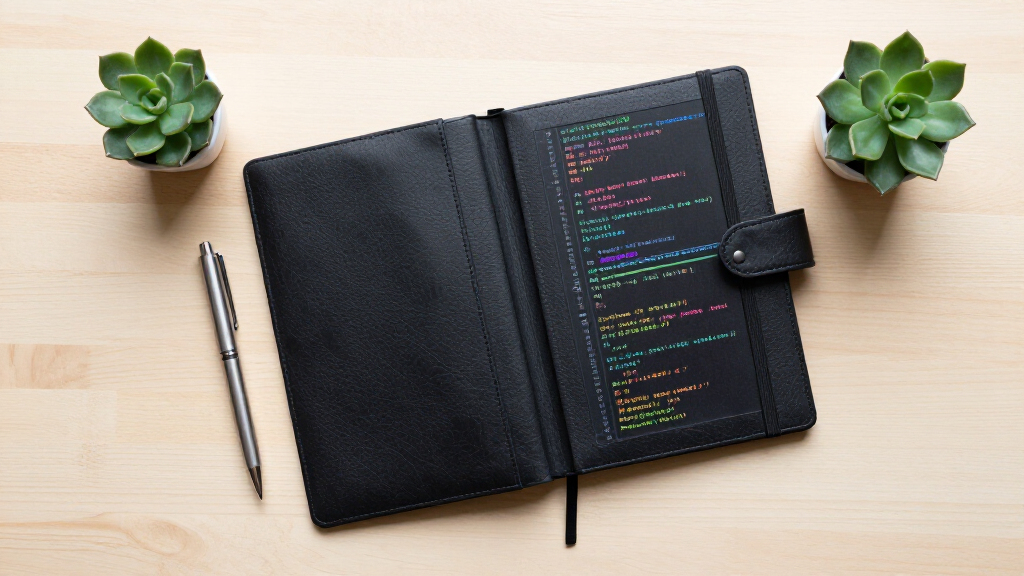

Finding the right programming notebook for students involves balancing versatility, durability, and ease of use. The Rocketbook Core Reusable Smart Notebook stands out as the best overall for its eco-friendly, reusable design that suits both classroom and personal projects. The Code Practice Notebook for Python, Java, or C++ excels for hands-on coding practice, while the Engineering Notebooks provide structured space for detailed project notes and sketches. Students often face tradeoffs between affordability, durability, and features like page organization or reuse—continue reading for a detailed breakdown of the best options to match your needs.

Get monitors, keyboards and dev gear delivered free — and shop member deals
- Fast, free delivery on millions of items
- Access to Prime Big Deal Days deals on October 6–7
- Prime Video, Amazon Music and more included
Key Takeaways
- Reusable notebooks like Rocketbook combine eco-friendliness with convenience but may lack specialized grid layouts for technical work.
- Dedicated coding practice notebooks with guides and numbering help beginners stay organized and track progress more easily.
- Engineering notebooks with structured grid pages and table of contents appeal to students working on detailed projects or lab reports.
- Premium options often feature hardcover durability and specialized page formats, ideal for serious project work or STEM students.
- Choosing the right notebook depends on whether a student prioritizes reusability, organization features, or affordability.


| programming notebooks for student | Size |
|---|---|
| Rocketbook Core Reusable Smart | 6 x 8.8 inches |
| Code Practice Notebook for Pyt | — |
| Engineering Notebook | 8.5" x 11" |
| Engineering Notebook / Lab Not | 8" x 10" |
| Clever Fox Engineering Noteboo | 8.5 x 11 inches |
| Coding Notebook with Indent Gu | Not specified |
| Clever Fox Engineering Noteboo | 8.5 x 11 inches |
| Engineering Notebook | — |
More Details on Our Top Picks
Rocketbook Core Reusable Smart Notebook, Executive Size 6×8.8, Blue
The Rocketbook Core stands out for its reusable nature and seamless integration with digital tools, making it ideal for students who want a sustainable way to organize their coding and notes. Compared to traditional paper notebooks, it offers the advantage of digitizing handwritten notes via the Rocketbook app, which can be stored in the cloud, streamlining project management. However, its reliance on the app and pen adds a layer of dependency, and cleaning the pages after each use can be cumbersome for frequent note-takers. Its compact size makes it portable for classes or study sessions, but the dot grid format may be limiting for detailed diagrams or extensive code snippets. This pick makes the most sense for students who prioritize environmentally friendly options and digital organization but are okay with the extra step of cleaning pages after use.
Pros:- Reusable and environmentally friendly design
- Supports digital organization via cloud sync
- Compact, portable size for on-the-go use
Cons:- Requires a compatible app and pen for digital features
- Pages must be wiped clean after each use, which can be inconvenient
- Limited to dot grid layout, restricting freeform sketches
Best for: Students who want a reusable, digital-friendly notebook that promotes sustainability without sacrificing organization.
Not ideal for: Students needing a larger, more robust notebook for extensive coding projects or detailed sketches, as the size and page layout are somewhat limited.
- Size:6 x 8.8 inches
- Color:Blue
- Page layout:Dot grid
- Includes:Pilot Frixion Pen, Towel
- Binding:Spiral
- Cover:Scratch-resistant
Our verdict“This is best suited for students seeking a sustainable, tech-integrated notebook for light coding and note-taking.”
Code Practice Notebook for Python, Java, or C++ Programmers
This Code Practice Notebook is tailored for students starting out in programming, providing dedicated space for handwriting exercises in Python, Java, and C++. Unlike more comprehensive reference books, it focuses solely on practice, making it ideal for reinforcing syntax and problem-solving skills. It lacks detailed explanations or solutions, so it’s less suitable for complete newcomers needing guidance, and it doesn’t feature digital or interactive elements, unlike some high-tech options. While it supports multiple languages, its limited scope means it’s best for practicing coding without distractions. This makes it perfect for students who want a straightforward, pen-and-paper method to improve coding fluency but not for those who need comprehensive tutorials or digital interactivity.
Pros:- Supports multiple programming languages
- Ideal for handwriting practice and memorization
- Portable and easy to use for on-the-go practice
Cons:- Lacks explanations, solutions, or guided exercises
- No digital features or interactivity, limiting engagement
- Limited to handwriting practice, not comprehensive learning
Best for: Beginner students practicing coding syntax and problem-solving in Python, Java, or C++ without requiring digital interactivity or detailed guidance.
Not ideal for: Students who prefer integrated coding tutorials, solutions, or interactive features, as this is purely a handwriting practice tool with no additional support.
Our verdict“This notebook is perfect for students who want to reinforce coding skills through handwritten exercises without extra digital features.”
Engineering Notebook, 8.5″ x 11″ Professional Lab Notebook with Grid Paper
The Engineering Notebook (B0DK139DJQ) is well-suited for students and professionals who need a formal record of their project milestones, sketches, and calculations. Its larger 8.5″ x 11″ size provides ample space for detailed work, standing out against smaller notebooks like the Rocketbook for its capacity. It’s ideal for documenting engineering work or complex coding projects with extensive diagrams, but it lacks any mention of cover material specifics or page count, which could be a drawback for those needing a certain durability or size. Compared to the Clever Fox Engineering Notebook, it’s more straightforward but might not include organizational extras like numbered pages or a table of contents. This makes it best for users who prioritize detailed, formal documentation for project tracking and record-keeping.
Pros:- Large 8.5″ x 11″ size offers ample space
- Grid paper suitable for sketches and calculations
- Designed for detailed project documentation
Cons:- No specific page count or cover material details provided
- Size may be cumbersome for portability
- Limited to professional or academic use, less versatile for casual note-taking
Best for: Students or professionals needing a dedicated, large-format notebook for detailed project documentation and sketches.
Not ideal for: Students seeking a compact, lightweight option for quick notes or informal practice, as its size and focus lean towards formal record-keeping.
- Size:8.5″ x 11″
- Paper Type:Grid Paper
- Use:Engineering, Student Lab Work
Our verdict“This notebook is ideal for students needing a spacious, formal record of engineering or coding projects with detailed sketches and calculations.”
Engineering Notebook / Lab Notebook – 120 Pages, 8″ x 10″, Hardcover, Graph Paper with .25″ Engineering Grid
Compared with larger formats like the B0DK139DJQ, this Engineering Notebook offers a more portable 8″ x 10″ size with durable hardcover and thick, acid-free paper that prevents ink bleed-through. Its .25″ grid is precise enough for technical drawings and detailed notes, making it suitable for daily use by students and engineers alike. The 120-page capacity strikes a balance between portability and capacity, but it might be limiting for long-term projects. While the lay-flat binding enhances usability, the absence of spiral binding means some users might find it less flexible for quick note access. This notebook makes a good choice for those who need a sturdy, portable option that can handle technical sketches and extensive notes, but it’s less ideal for users needing a larger or more flexible format.
Pros:- High-quality, acid-free paper prevents bleed-through
- Durable hardcover with lay-flat binding for ease of use
- Compact size suitable for portable use
Cons:- Limited color options, only black cover mentioned
- Size may be too large for pocket-size portability
- No spiral binding, which some users prefer for flexibility
Best for: Students or professionals seeking a durable, portable engineering notebook for detailed sketches and technical notes.
Not ideal for: Users who require a larger capacity or prefer spiral binding for easier page turning, or those who need a more lightweight option for frequent transport.
- Page Count:120 pages
- Size:8″ x 10″
- Grid Format:.25″ engineering grid
- Cover Material:Hardcover
- Paper Quality:100gsm acid-free
Our verdict“This notebook suits users who need a sturdy, portable option for technical sketches and detailed notes without sacrificing durability.”
Clever Fox Engineering Notebook – Hardcover Grid Notebook with Numbered Pages, Table of Contents for Engineers & STEM
The Clever Fox Engineering Notebook excels for students and professionals who need a highly organized space for project logs, sketches, and calculations. Its numbered pages and fillable table of contents allow for systematic tracking of work, making it easier to reference previous entries—an advantage over simpler notebooks like the Rocketbook or the basic engineering notebooks. The lay-flat hardcover, pen loop, ribbon bookmark, and storage pocket add to its usability. However, its size might be less portable for students on the move, and the 192-page limit could be restrictive for long-term projects. Compared to the B0DK139DJQ notebook, it offers more organizational features but is less spacious overall. It’s perfect for meticulous project documentation and detailed work that benefits from clear organization, but less ideal for quick note-taking or casual sketches.
Pros:- Durable hardcover with lay-flat binding
- Numbered pages and table of contents for organization
- Additional features like pen loop, ribbon, and pocket
Cons:- Size may be less portable for daily carrying
- Limited to 192 pages, which may be insufficient for extensive projects
- Higher price point compared to simpler notebooks
Best for: Students or engineers who need a well-organized, durable notebook for detailed project logs and sketches with systematic referencing.
Not ideal for: Users seeking a lightweight, highly portable notebook or those with extensive projects requiring more than 192 pages.
- Pages:192 numbered pages
- Page layout:7 mm grid
- Size:8.5 x 11 inches
- Paper weight:120 gsm
- Additional features:Pen loop, ribbon, elastic band, storage pocket
Our verdict“This notebook is best for users needing a highly organized, durable recording space for detailed engineering and STEM projects.”
Coding Notebook with Indent Guide Lines, Numbered, Organized for Developers
This notebook stands out for its focus on helping developers and students keep their code and notes organized with indent guide lines and numbered pages. Compared to more general engineering notebooks like the Clever Fox or the blue grid notebooks, this option emphasizes code structure directly on the pages, which benefits those who prefer visual guides to improve readability and workflow. However, it lacks detailed specifications about paper quality or size, and there are no customer reviews to gauge user satisfaction. Its simplicity makes it ideal for students who want a straightforward, organized workspace specifically tailored for coding projects, but it may fall short for those needing additional features like durability or extensive page counts.
Pros:- Includes indent guide lines to enhance code readability
- Numbered pages allow easy reference and organization
- Designed specifically for developers and coding projects
Cons:- Lacks detailed specifications such as paper quality and size
- No customer reviews or ratings available for validation
Best for: Computer science students and beginner programmers who want a clear, organized space for coding notes and planning
Not ideal for: Users seeking a notebook with detailed specifications, high durability, or a larger page count for extensive projects
- Page Type:Numbered, guide-lined pages
- Page Count:Not specified
- Size:Not specified
- Paper Quality:Not specified
- Binding:Not specified
Our verdict“This notebook is best suited for students and beginners focusing on organized code notes without the need for extra features.”
Clever Fox Engineering Notebook – Hardcover Grid Notebook with Numbered Pages, Table of Contents for Engineers & STEM
This hardcover engineering notebook excels in durability and organization, featuring 192 numbered grid pages with a table of contents, making it ideal for documenting detailed projects and technical work. Compared to the blue grid notebook, it offers a more robust hardcover and additional features like a pen loop and storage pocket, which are beneficial for on-the-go use or fieldwork. Its size (8.5 x 11 inches) provides ample space for sketches, calculations, and notes, although the relatively limited page count may require careful planning for extensive projects. It’s a solid choice for STEM students and professionals who prioritize durability and comprehensive organization tools, but its bulkiness could be a drawback for those needing a compact option.
Pros:- Durable hardcover with lay-flat binding for ease of use
- High-quality 120 gsm no-bleed paper suitable for various writing instruments
- Includes practical features like pen loop, ribbon bookmark, and storage pocket
Cons:- Large size may be less portable for some users
- Limited to 192 pages, which may run out quickly for extensive projects
Best for: STEM students and engineers needing a durable, well-organized notebook for project logs and technical notes
Not ideal for: Students looking for a lightweight, portable option for quick notes or brief tasks
- Pages:192 numbered pages
- Page Layout:7 mm grid
- Binding:Lay-flat hardcover
- Size:8.5 x 11 inches
- Paper Quality:120 gsm no-bleed paper
- Additional Features:Pen loop, ribbon bookmark, elastic band, storage pocket
Our verdict“This notebook is ideal for STEM professionals and students who need a durable, feature-rich solution for technical and design documentation.”
Engineering Notebook, 8.5 x 11 inches, Blue – Professional Lab and Design Notebook with Grid Paper
This blue grid notebook offers a large, spacious format for recording sketches, calculations, and project milestones, making it a practical choice for engineers and students alike. Compared to the more feature-packed Clever Fox or the durable engineering notebook, it emphasizes simplicity with ample space but lacks additional features like page numbering or a table of contents. Its lightweight design (weighing just 1.19 pounds) enhances portability, yet the limited color options and absence of perforations or specific organizational tools might make it less suitable for users who want a more structured or durable notebook. It’s perfect for quick sketches and informal notes but less ideal for detailed project management or extensive documentation.
Pros:- Large 8.5 x 11 inch size offers generous space for notes and sketches
- Durable grid paper suitable for precise drawings and calculations
- Lightweight and portable for field or classroom use
Cons:- Limited color options, only available in blue
- No page numbering or organizational features like perforations
Best for: Engineering students and professionals who need a large, simple notebook for sketches and calculations on the go
Not ideal for: Users requiring extensive organizational features or a more durable cover for fieldwork
- Item Weight:1.19 pounds
- Dimensions:11.42 x 8.54 x 0.67 inches
- Color:Blue
- Page Size:8.5 x 11 inches
- Page Type:Grid paper
- Manufacturer Part Number:ZB-ENG-BLUE
Our verdict“This notebook suits engineers and students seeking a straightforward, spacious space for sketches and calculations without extra organizational features.”
How We Picked
These products were evaluated based on their suitability for coding and STEM projects, build quality, layout flexibility, and overall value. We prioritized notebooks that support clear organization, easy note-taking, and durability, especially for repeated use and technical work. Products with specific features like grid paper, numbered pages, or reusable surfaces were rated higher, with the goal of helping students stay organized and efficient. Our ranking reflects a balance of practicality, durability, and feature set tailored to different student needs and budgets.Factors to Consider When Choosing Programming Notebooks For Students
Choosing the right programming notebook requires understanding what features support effective learning and project management. Factors such as layout flexibility, durability, reusability, and organizational tools directly impact how well a student can use the notebook for coding, note-taking, or sketching. Knowing your priorities will help you select a notebook that encourages consistent use and enhances productivity.Layout and Paper Type
Look for notebooks with grid or dot-grid pages, which are ideal for technical sketches, diagrams, and organized notes. Lined pages can be useful for annotations, but they may limit freeform sketches or code snippets. The choice of paper quality matters too—thicker paper reduces ink bleed and is more durable for long-term use, especially if students plan to annotate heavily or use different writing instruments.
Reusability and Eco-Friendliness
Reusable notebooks like Rocketbook offer a sustainable option that can be wiped clean, reducing waste and cost over time. However, these may have limitations in page layout or require special pens and cleaning methods. For students who prefer traditional paper, durability and refill options matter, especially if the notebook will see frequent use in labs or on-site projects.
Organization and Navigation
Notebooks with numbered pages, table of contents, or section dividers help students keep track of their work, especially during complex projects or multiple subjects. This organization reduces frustration and saves time when reviewing notes or referencing past work. Consider whether the student needs a structured format or more open space for creativity and brainstorming.
Durability and Portability
Students often carry notebooks in backpacks or lab kits, so sturdy covers, spiral or hardcover bindings, and resistant materials are important. Compact sizes are easier to transport but may offer less space for extensive notes. Balance portability with enough room for the student’s typical workload and note-taking style.
Price and Value
While high-end notebooks with premium features can boost organization and durability, they come at a higher cost. Cheaper options may suffice for casual use but could wear out quickly or lack important organizational features. Consider the student’s usage level and whether investing in a more durable or feature-rich notebook makes sense for their ongoing projects.
Frequently Asked Questions
Can I use a regular notebook for programming and STEM projects?
Yes, a regular notebook can work for basic note-taking and sketches, but specialized notebooks offer advantages like structured grids, numbered pages, and reusable surfaces that support organized, long-term project tracking. Using a dedicated STEM notebook can help students develop better habits for documenting experiments, code, and ideas, ultimately making their work easier to review and understand later.
Are reusable notebooks suitable for detailed technical work?
Reusable notebooks like Rocketbook are convenient for quick notes and sketches but may fall short for highly detailed work that requires precise diagrams, extensive annotations, or multiple layers of notes. For complex projects, a durable, refillable, and well-organized notebook with specific grid layouts often provides better support for technical accuracy and long-term storage.
What features should I prioritize for a beginner student?
Beginners benefit from notebooks with clear organization features, such as numbered pages, simple grids, or guided layouts that help establish good habits. Reusable notebooks can be appealing for eco-conscious beginners, but traditional durable notebooks with plenty of space for notes and sketches often encourage consistent use. Focus on affordability and ease of use to make the learning process smoother.
How important is paper quality in a programming or engineering notebook?
Paper quality significantly impacts usability, especially when using ink, markers, or highlighters. Thicker, bleed-proof paper prevents smudging and maintains clarity, which is important for readability and neatness. Durable paper also ensures that notes and sketches remain intact over time, especially if the notebook will be handled frequently or stored in various conditions.
Should I choose a hardcover or softcover notebook?
Hardcover notebooks tend to offer better protection for notes and are more durable for frequent transport, making them suitable for students on the go. Softcover options are typically lighter and more flexible, which can be preferable for quick notes or casual use. The choice depends on how often the student travels with their notebook and the level of protection needed for their work.
Conclusion
For students just starting out or working on casual projects, a budget-friendly, well-organized notebook like the Code Practice Notebook will support consistent practice without breaking the bank. Serious STEM students, especially those working on detailed labs or projects, should consider the Engineering Notebooks with grid pages and structured layouts for better organization. The Rocketbook Core makes an excellent choice for eco-conscious users who want reusability, while premium options with hardcover durability suit those tackling extensive or professional work. Ultimately, the best notebook aligns with the student’s learning style, project complexity, and budget to foster productive habits over time.
Halloween Picks
halloween
As an affiliate, we earn on qualifying purchases.