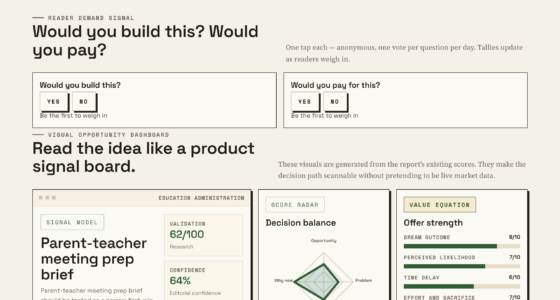

📊 Full opportunity report: 14 Best AI-Powered Student Productivity Tools In 2026 on ThorstenMeyerAI.com — validation score, market gap, and execution plan.
TL;DR
In 2026, the leading student productivity tools emphasize skill-building frameworks over app lists. The top picks teach durable workflows with ChatGPT, Gemini, and Claude, offering students practical, ethical, and cost-effective methods.
In 2026, the top-rated AI-powered student productivity tools are primarily skill-building guides that focus on teaching durable workflows with major AI assistants like ChatGPT, Gemini, and Claude. These guides are valued for their practical applicability, ethical guidance, and ability to adapt to ongoing AI updates, making them essential resources for students aiming to enhance their academic performance responsibly.
The ranking of the 14 best guides and tools is based on criteria such as practical applicability, durability, academic integrity guidance, readability, and value for money, according to Thorsten Meyer AI. For more insights, see the original analysis. The top picks emphasize skill-building frameworks over extensive app directories, which tend to become outdated quickly. Notably, guides that teach students how to prompt, plan research, and organize workflows around the three major AI assistants—ChatGPT, Gemini, and Claude—rank higher because they offer durable, transferable skills.
Among the top recommendations are AI Productivity for Students: Mastering ChatGPT, Gemini, and Claude, which provides comprehensive fluency in these assistants, and The AI Student Prompt Book, which offers over 500 prompts for experienced users seeking immediate payoff. The importance of academic integrity is a key factor, with some guides explicitly addressing how to ethically incorporate AI tools into coursework, aligning with evolving school policies. Cost considerations show that most guides are priced similarly to a used textbook, making them accessible for students with limited budgets.
Why Skill-Based Guides Outperform App Listings in 2026
This shift toward skill-building guides matters because it ensures students develop durable, transferable workflows that remain effective despite AI updates. Emphasizing ethical AI use helps students avoid academic misconduct, aligning their AI integration with institutional policies. As AI tools become more central to education, understanding how to use them responsibly offers a competitive advantage and promotes academic integrity, making these guides vital resources for modern learners.
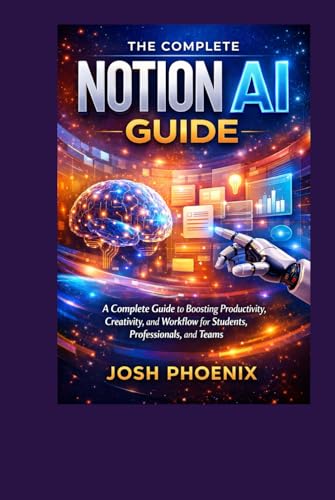
The Complete Notion AI Guide: A Complete Guide to Boosting Productivity, Creativity, and Workflow for Students, Professionals, and Teams
As an affiliate, we earn on qualifying purchases.
As an affiliate, we earn on qualifying purchases.
Evolution of Student Productivity Tools in the AI Era
Over the past few years, student productivity tools have transitioned from simple app lists to comprehensive guides that teach core skills. In 2026, experts highlight that skill-building frameworks centered on major AI assistants—ChatGPT, Gemini, and Claude—are more sustainable than static app directories, which tend to become obsolete quickly. The emphasis on ethical AI use reflects increasing awareness of academic integrity policies, with many guides now explicitly addressing responsible AI practices. The focus remains on practical, transferable skills that can adapt to future AI developments, ensuring students remain effective and ethical in their work.
“Skill-building guides that focus on workflows and ethical AI use are outperforming simple app catalogs in 2026.”
— Thorsten Meyer, AI Expert

ChatGPT Prompts for Students: 800+ Smart Prompts to Boost Studying, Writing, Productivity, Memory, Exam Success, Creativity, and Personal Growth
As an affiliate, we earn on qualifying purchases.
As an affiliate, we earn on qualifying purchases.
Remaining Questions About Guide Effectiveness and Updates
It is not yet clear how frequently these guides will be updated to reflect rapid AI changes, or how well students will adopt and apply the recommended workflows in diverse educational settings. The long-term impact of these skill-based approaches on academic integrity and performance remains to be fully assessed, and some guides may face challenges adapting to new AI models or institutional policies.
AI skill-building tutorials for students
As an affiliate, we earn on qualifying purchases.
As an affiliate, we earn on qualifying purchases.
Next Steps for Students and Educators in AI Integration
Moving forward, students should prioritize guides that emphasize ethical use and durable workflows, while educators need to update policies to align with responsible AI practices. Developers of these guides are expected to release new editions or supplementary materials as AI technology evolves. Monitoring these updates and integrating them into curricula will be essential for maintaining effective, ethical student productivity strategies in 2026 and beyond.
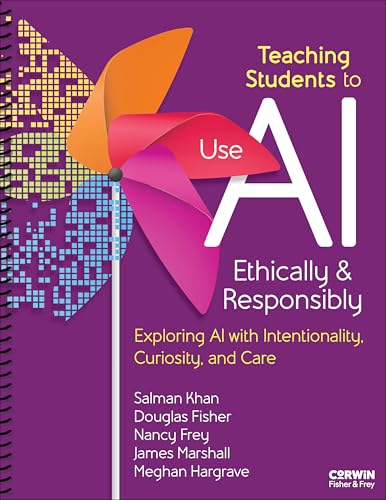
Teaching Students to Use AI Ethically & Responsibly: Exploring AI With Intentionality, Curiosity, and Care
As an affiliate, we earn on qualifying purchases.
As an affiliate, we earn on qualifying purchases.
Key Questions
What are the most important features of the top AI student guides?
The most important features include practical workflow frameworks, ethical guidance on AI use, focus on major assistants like ChatGPT, Gemini, and Claude, and adaptability to ongoing AI updates.
How do these guides help ensure academic integrity?
They include explicit guidance on responsible AI use, disclosure practices, and understanding the limits of AI assistance, helping students avoid misconduct.
Are these guides suitable for all students?
Most are designed for a range of learners, from beginners to advanced users, with specific recommendations for different skill levels and study goals.
Will these tools remain relevant as AI technology advances?
Guides focused on skill-building and workflows are more likely to remain useful, but regular updates will be necessary to stay aligned with new AI models and policies.
What is the cost of these AI productivity guides?
Most guides are priced similarly to a used textbook, making them accessible for students with limited budgets, with some offering free tools or chapters.
Source: ThorstenMeyerAI.com