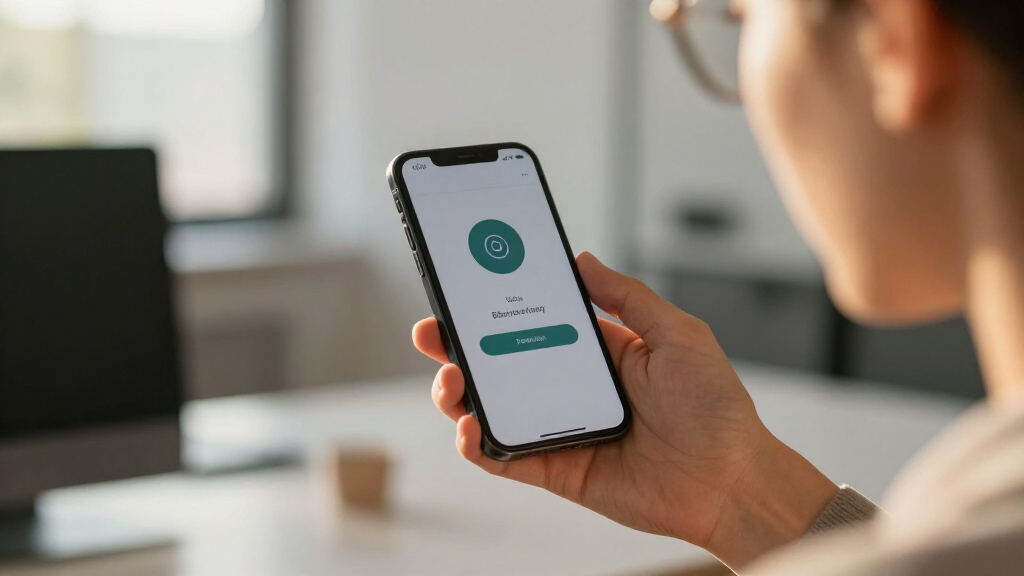

TL;DR

Get business pricing on monitors, keyboards and dev gear
- Business-only prices and quantity discounts
- Tax-exempt purchasing
- Multiple users, one account, clear invoices
Engineers with little knowledge of consumer psychology developed passkeys, a new authentication method. This raises concerns about user acceptance and effectiveness. The story highlights a disconnect between technical design and user needs.
Passkeys, a new authentication technology aimed at replacing passwords, were reportedly developed by engineers with minimal understanding of consumer behavior, according to recent disclosures. This revelation raises questions about their usability and potential adoption challenges among everyday users.
Multiple sources, including a recent online post, indicate that the team responsible for creating passkeys lacked significant insight into how average consumers think about security and usability. The developers focused heavily on technical security features, but reportedly did not consider user experience or common behavioral patterns.
Experts in human-computer interaction have criticized this approach, arguing that neglecting consumer psychology can hinder widespread adoption. The development process reportedly prioritized technical robustness over intuitive design, which could impact how easily users adopt passkeys as a password replacement.
Implications of Engineering Oversight on Passkey Adoption
This development matters because the success of passkeys depends heavily on user acceptance. If designed without considering how consumers perceive security and usability, the technology may face resistance or improper use, undermining its goal of replacing passwords. The disconnect could delay or diminish the impact of passkeys in improving digital security.
passwordless authentication devices
As an affiliate, we earn on qualifying purchases.
As an affiliate, we earn on qualifying purchases.
Background on Passkeys and Developer Expectations
Passkeys are a form of passwordless authentication based on public key cryptography, promoted by major tech firms as a more secure alternative to traditional passwords. They have been lauded for their potential to reduce phishing and credential theft. However, their development has largely been driven by engineers focused on security protocols, with limited input from user experience specialists.
The recent disclosures suggest that this technical focus may have overlooked crucial aspects of user behavior, such as ease of use, trust, and mental models around security. Historically, similar technological solutions have faced adoption hurdles when user needs are not prioritized.
“We concentrated mainly on making the security as tight as possible. User psychology was not our primary concern.”
— Anonymous developer involved in passkey project
As an affiliate, we earn on qualifying purchases.
Unconfirmed Aspects of Developer Intent and User Impact
It is not yet clear whether the lack of understanding was intentional or due to oversight. The full extent of how this affects passkey usability and adoption remains under investigation. Some industry insiders suggest that future iterations may incorporate more user feedback, but details are still emerging.
As an affiliate, we earn on qualifying purchases.
Next Steps for Passkey Development and Adoption Strategies
Developers and companies promoting passkeys are expected to review their design processes, potentially integrating more user experience research. Industry stakeholders may also conduct studies to assess how consumers perceive and adopt passkeys, aiming to improve usability and acceptance. Further disclosures or developer statements are anticipated in the coming months.
As an affiliate, we earn on qualifying purchases.
Key Questions
Why were passkeys developed without considering consumer behavior?
According to recent reports, the development team prioritized technical security features over user experience, focusing on making passkeys as secure as possible without integrating insights from consumer psychology.
Could this oversight affect passkey adoption?
Yes, neglecting consumer perception and usability could lead to resistance or improper use, hindering widespread adoption and diminishing their effectiveness as a password replacement.
Are there plans to improve passkeys based on this feedback?
While details are still emerging, industry insiders suggest that future versions of passkeys may incorporate more user-centered design principles to enhance usability and acceptance.
What does this mean for the future of passwordless authentication?
This incident underscores the importance of integrating user experience considerations into security technology development to ensure successful adoption and effectiveness.
Source: hn
Fall Picks
fall essentials
As an affiliate, we earn on qualifying purchases.