
TL;DR
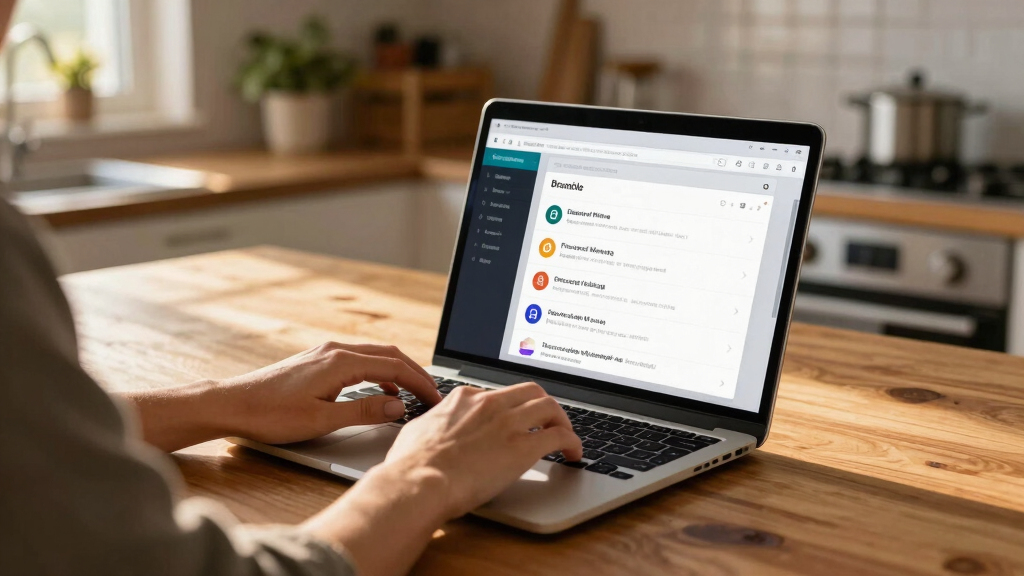
Bramble, a new open source password manager emphasizing local storage and peer-to-peer sync, has released its Chrome extension and Android app, with iOS in development. This approach aims to enhance privacy and control for users.
Bramble, an open source password manager focusing on local-first storage and peer-to-peer synchronization, has released its Chrome extension and Android application, with plans for an iOS app. This development introduces a new approach to password management emphasizing user privacy and control, making it relevant for users concerned about centralized data storage and security.
The project, currently in active development, was initially announced by its creator as a tool designed to keep passwords stored primarily on users’ devices, avoiding reliance on cloud servers. The Chrome extension, released recently, enables users to manage passwords directly within their browser, with data synchronized across devices via peer-to-peer methods.
The Android app has also been launched, allowing users to access and manage passwords on mobile devices while maintaining the local-first, decentralized architecture. Plans for an iOS app are underway, with no specific release date announced yet.
According to the developer, Bramble’s architecture prioritizes security by avoiding centralized cloud storage, instead enabling devices to sync directly using encrypted peer-to-peer connections. This model aims to reduce attack surfaces and improve user privacy, especially for those wary of cloud-based password managers.
Impact of Bramble’s Local-First, Peer-to-Peer Design
This development matters because it offers an alternative to traditional password managers that rely on cloud storage, which can be vulnerable to breaches or government requests. Bramble’s approach aims to give users greater control over their sensitive data, potentially reducing the risk of large-scale data leaks.
For privacy-conscious users, this model could represent a significant shift in how personal data is handled, aligning with broader trends toward decentralization and user sovereignty. However, the effectiveness of peer-to-peer sync in terms of reliability and ease of use remains to be seen.
As an affiliate, we earn on qualifying purchases.
Background of Decentralized Password Management Efforts
Traditional password managers like LastPass, 1Password, and Dashlane rely on cloud-based storage, making them attractive targets for cyberattacks but also offering seamless synchronization across devices. In recent years, privacy advocates and security experts have called for alternatives that minimize reliance on centralized servers.
Bramble is part of a broader movement toward decentralized security tools, with other projects exploring peer-to-peer encryption, local storage, and open source transparency. The project’s initial release as a Chrome extension and Android app marks a significant step in making such solutions more accessible.
“Our goal is to give users full control over their passwords, keeping data on their devices and syncing securely peer-to-peer.”
— Bramble developer

Password Keeper,Auto Filling and Offline Storage Password Manager, Type-C Port, Compatible with Phones, Tablets,Computers,etc. Electronic Password Keeper is Suitable for Various APP Or Websites
- Master Password for Security: Secure all credentials with one password
- Auto Fill & Instant Login: Automatically fill login details via Type-C
- Offline Storage: Store data locally for enhanced security
As an affiliate, we earn on qualifying purchases.
As an affiliate, we earn on qualifying purchases.
Uncertainties About Bramble’s Reliability and Adoption
It is not yet clear how well Bramble’s peer-to-peer sync performs in real-world scenarios, particularly regarding synchronization reliability, conflict resolution, and user experience. Additionally, the security of the encryption protocols used has not been independently verified.
Further, adoption depends on user trust in open source security and the availability of iOS support, which is still in development.

Old World Internet Address & Password Logbook (removable cover band for security)
As an affiliate, we earn on qualifying purchases.
As an affiliate, we earn on qualifying purchases.
Upcoming Developments and User Adoption Expectations
Next steps include the release of the iOS version, further testing of peer-to-peer sync robustness, and potential community feedback that could influence future features. The developer plans to continue refining the architecture and expanding compatibility with other platforms and browsers.
Observers will be watching for independent security audits and user adoption metrics to assess whether Bramble can challenge existing cloud-based password managers.

eWallet — Password Manager and Secure Wallet
- Encryption: 256-bit AES military-grade encryption
- Biometric Access: Supports fingerprint, facial, iris recognition
- Cloud Sync: Syncs via iCloud, Dropbox, Google Drive, OneDrive
As an affiliate, we earn on qualifying purchases.
As an affiliate, we earn on qualifying purchases.
Key Questions
How does Bramble ensure the security of my passwords?
Bramble uses end-to-end encryption for data stored locally and during peer-to-peer sync, but detailed security protocols have not yet been independently audited.
Will Bramble work across all devices and browsers?
The Chrome extension and Android app are available now; an iOS app is planned but not yet released. Compatibility with other browsers is not confirmed.
Can Bramble replace my existing password manager?
It can serve as an alternative, especially for users prioritizing local storage and privacy. However, its reliability and feature set are still evolving.
What are the main advantages of a local-first, peer-to-peer password manager?
It reduces reliance on centralized servers, potentially lowers attack risks, and offers greater user control over data privacy.
Source: hn