

Wind turbines spin between 10 to 20 times per minute, with large blades reaching over 180 mph at the tips. The faster the wind, the more power they generate, peaking around 35 mph. Size, design, and air density affect their rotation, with larger turbines tending to spin faster. Maintaining the correct tip speed ratio boosts energy production. Calculating turbine speed involves measuring rotations and tip speed, essential for efficiency. Environmental factors influence performance, with turbines meant to operate within specific wind ranges. Wind speed dictates blade speed, impacting the overall power output. Get a deeper understanding of turbine speeds and efficiency.

Get business pricing on monitors, keyboards and dev gear
- Business-only prices and quantity discounts
- Tax-exempt purchasing
- Multiple users, one account, clear invoices
Key Takeaways
- Wind turbines typically rotate between 10 to 20 revolutions per minute.
- Blade tip speed can exceed 180 mph for larger turbines.
- Tip Speed Ratio (TSR) ranges from 4 to 8 for efficiency.
- Turbine speed is influenced by wind speed, size, blade design, and air density.
- Monitoring and adjusting speed is crucial for energy output and equipment longevity.
Understanding Wind Turbine Speed
When examining wind turbine speed, it becomes evident that the rotation rate and blade tip speed play essential roles in harnessing wind energy efficiently. Wind turbines are designed to rotate at varying speeds, typically between 10 to 20 revolutions per minute, to generate electricity from the wind's kinetic energy.
The blade tip speed, often exceeding 180 mph for larger blades, is important in capturing as much wind as possible to maximize power generation. This fast rotation and blade speed are critical factors affecting the overall performance of wind turbines in converting wind power into clean, renewable energy.
One important metric used to evaluate the efficiency of a wind turbine is the Tip Speed Ratio (TSR), which compares the speed of the blade tips to the speed of the wind. By optimizing this ratio, wind turbine manufacturers can enhance the energy output of their turbines.
Additionally, wind speed directly influences turbine rotation, with turbines beginning to generate electricity at wind speeds as low as 6 mph and reaching peak capacity at around 35 mph. Longer blades tend to have higher tip speeds, enabling them to capture more wind and generate greater power output.
Factors Influencing Wind Turbine Rotation

Factors such as wind speed, turbine size, air density, blade design, and aerodynamics greatly influence the rotation of wind turbines. Wind speed is vital, with turbines commencing electricity generation at 6 mph and peaking at 35 mph.
The size of the turbine plays a significant role in determining RPM and tip speed, as larger turbines tend to spin faster. Air density affects turbine performance, with denser air enabling faster rotation and increased electricity production.
Blade size and design impact rotation speed, where longer blades with higher tip speeds capture more wind for enhanced power generation. Additionally, blade aerodynamics, encompassing lift, drag, torque, and thrust, are essential in determining blade speed, particularly at lower wind speeds.
Tip Speed Ratio and Efficiency
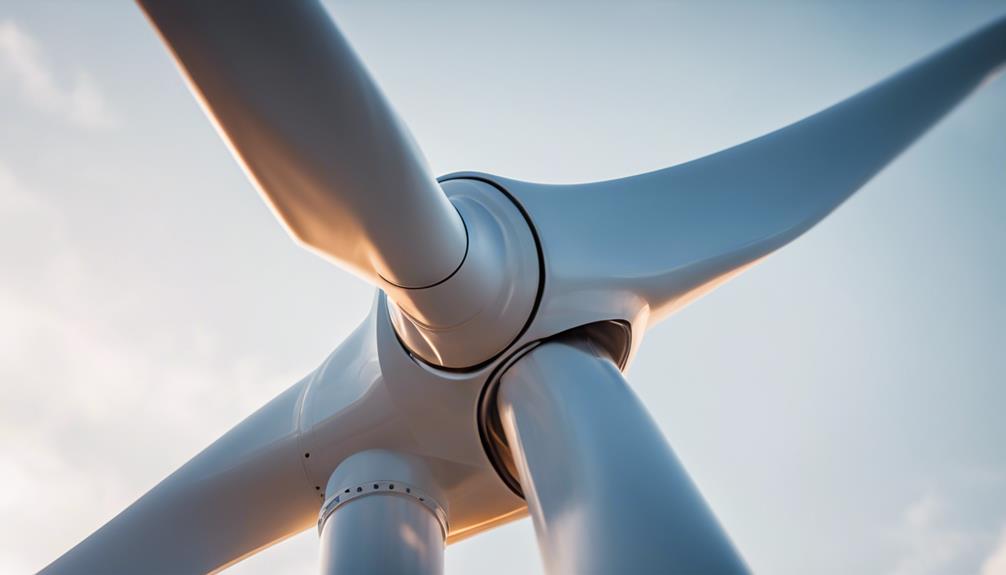
Tip speed ratio significantly impacts the efficiency and power output of wind turbines, typically falling within commercial ranges of 4 to 8. Maintaining the correct tip speed ratio is vital for maximizing energy production and minimizing issues such as noise and structural problems.
Wind turbine efficiency and power output heavily depend on the relationship between the speed of the blade tips and the speed of the wind. When the tip speed ratio is too low, the turbine may not be operating at its best performance, leading to decreased energy production. Conversely, if the tip speed ratio is too high, it can result in excessive noise and potential structural challenges.
To ensure that a wind turbine operates efficiently and effectively, it's important to calculate and maintain an appropriate tip speed ratio that aligns with the turbine's design and specifications.
Calculating Turbine Speed

To determine wind turbine speed accurately, you must measure blade rotations per minute (RPM) and tip speed, which can peak at speeds of up to 180 mph for larger blades. The size and design of the blades play a pivotal role in determining tip speed, with longer blades capable of generating more power and carrying greater momentum.
Calculating tip speed involves using the formula 2πr to determine the distance covered by a blade in one revolution. Additionally, turbines experience faster rotations in denser air, resulting in increased electricity production. Blade aerodynamics also come into play, affecting rotation efficiency at different wind speeds.
Modern wind turbines are equipped with sophisticated control systems that optimize performance by adjusting blade pitch to guarantee efficient rotation. By considering these factors, engineers can fine-tune wind turbine operations to maximize energy output and overall efficiency.
Final Considerations on Wind Turbine Speed

When evaluating wind turbine speed, it's vital to take into account various operational and environmental factors that can impact performance and efficiency.
Turbines are designed to rotate efficiently within specific wind speed ranges to optimize energy production. The rotation speed of the blades is crucial in determining the electrical output of the turbine.
Wind speeds play a significant role in how fast the rotor blades turn, directly affecting the energy efficiency of the system. Additionally, wind turbine design also influences the overall speed at which the turbine operates.
It's important to take into account the shutdown speed of turbines, typically around 55 mph, to prevent damage during high wind conditions. By carefully monitoring and adjusting the rotation speed of wind turbines, operators can guarantee that they're maximizing their energy output while maintaining the longevity of the equipment.
Frequently Asked Questions
How Fast Do Wind Turbines Go in Mph?
Wind turbines can reach speeds up to 200 mph at the blade tips. Smaller turbines typically run between 75-100 mph. They rotate at 10 to 20 revolutions per minute. Wind speed and blade design affect their speed.
What Is the Maximum Speed of a Wind Turbine?
When you consider wind turbines, remember they're like race cars with a speed limiter. The maximum speed of a wind turbine is typically around 55 mph, controlled by safety mechanisms.
What Is the Speed of the Blade Tips on a Windmill?
The blade tips on a windmill can reach speeds of over 200 miles per hour. This speed is essential for efficiently capturing wind energy and maximizing power output. Larger blades generally have higher tip speeds.
How Fast Is Too Fast for Wind Turbines?
When the wind gets too strong, wind turbines have preset maximum speeds to prevent damage. Braking systems like yaw drive and pitch braking are used to control the speed in high winds, ensuring safe operation.
Conclusion
So next time you see those majestic wind turbines spinning gracefully in the distance, remember the incredible speed at which they operate. From the powerful gusts of wind to the careful calculations of engineers, each turbine is a reflection of human ingenuity and the beauty of harnessing renewable energy.
The speed of wind turbines may be impressive, but their impact on our planet is truly awe-inspiring.
Columbus Day / Indigenous Peoples' Day Picks
long weekend sales
As an affiliate, we earn on qualifying purchases.