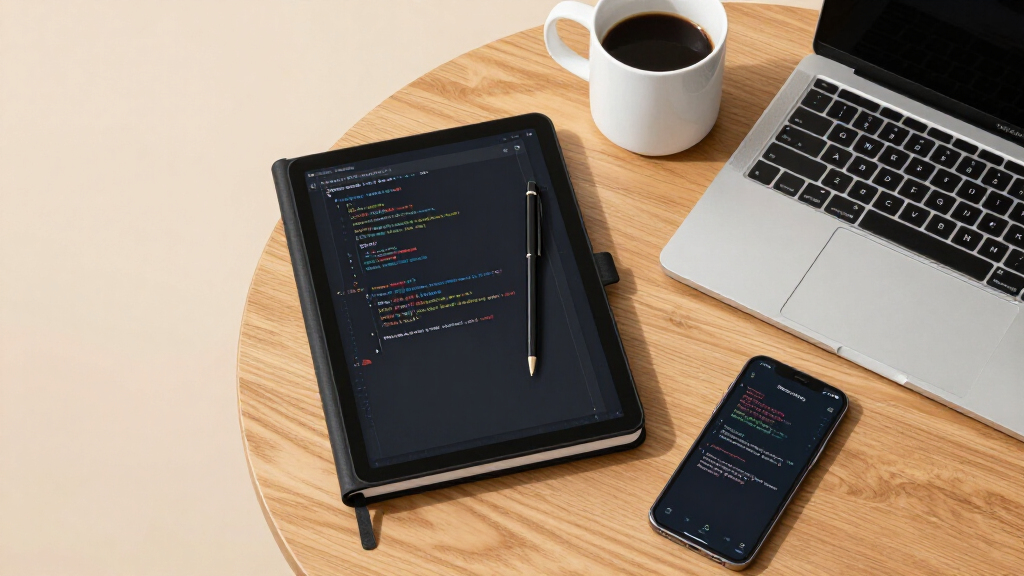

Searching for the ideal software development notebooks? The best options balance writing space, organization features, and durability, but often require tradeoffs between portability and size, or customization and simplicity. The Software Engineering for Data Scientists stands out for in-depth guidance, while the Coding Notebook with Indent Guide Lines appeals to developers needing structured code writing. But which notebook offers the right mix for your needs? Continue reading for a detailed breakdown of the top picks and what to consider before buying.

Get business pricing on monitors, keyboards and dev gear
- Business-only prices and quantity discounts
- Tax-exempt purchasing
- Multiple users, one account, clear invoices
Key Takeaways
- The top notebooks balance writing space with portability, catering to both on-the-go coding and in-depth project work.
- Structured features like indent guidelines and coding prompts add value for users who want to streamline their workflow.
- Durability and paper quality vary widely, affecting long-term use and note preservation.
- Many top options include specialized layouts or themes, making them suitable for different coding environments and learning stages.
- Price ranges reflect differences in features: premium notebooks often offer better build quality, while budget options focus on core functionality.


| software development notebook | Pages | Size | Format |
|---|---|---|---|
| Software Engineering for Data | Approx. 300 | — | Printed book |
| Coding Notebook with Indent Gu | — | Standard letter or A4 | Printed notebook |
| Developer Notebook for Program | Unknown | Unknown | Paperback |
| Software Engineer Notebook: 6x | Unknown | 6" x 9" | — |
| Programmer Notebook: Programmi | 120 | 6" x 9" | Lined |
| Software Development: Enhance | — | — | — |
| Coding Notebook: Code Workbook | 200 | 7.5 x 9.25 inches | — |
| Python Programming Notebook: C | — | — | — |
More Details on Our Top Picks
Software Engineering for Data Scientists: From Notebooks to Scalable Systems
This book stands out for its comprehensive approach to bridging the gap between data science notebooks and scalable systems, making it a must-have for data scientists aiming to elevate their projects. Compared with simpler notebooks, it offers in-depth principles and best practices, though it falls short on detailed code examples, which may slow hands-on learners. Its focus on building production-ready systems makes it less ideal for pure beginners or those seeking quick solutions. While not a traditional notebook, it provides essential guidance that complements practical coding tools like the Coding Notebook with Indent Guide Lines, especially when scaling projects. For data scientists ready to move beyond prototypes, this resource offers valuable insights, but it may feel dense for those just starting out.
Pros:- Provides a thorough overview of software engineering principles tailored for data science
- Helps transition projects from notebooks to scalable systems
- Suitable for both beginners and experienced data scientists
Cons:- Lacks detailed, step-by-step code examples in some sections
- More theoretical, less focused on practical coding exercises
Best for: Data scientists and machine learning engineers looking to develop scalable, production-grade systems.
Not ideal for: Beginners seeking quick reference guides or hands-on coding practice without deep system architecture focus.
- Audience:Data scientists and ML engineers
- Focus:Software engineering principles
- Coverage:From notebooks to scalable systems
- Difficulty:Intermediate to advanced
- Format:Printed book
- Pages:Approx. 300
Our verdict“This book is ideal for data science professionals seeking a strategic understanding of building scalable systems, not for quick coding solutions.”
Coding Notebook with Indent Guide Lines for Developers
This coding notebook excels at helping programmers maintain clean, consistent indentation, making it ideal for practice and note-taking. Compared to the Developer Notebook for Programming and Coding Journal, its organized pages and numbered references improve ease of use during study or project planning. However, it lacks detailed specifications, templates, or example pages, which limits its usefulness for those seeking ready-made content or structured exercises. The focus on indentation guides makes it less suitable for quick jotting of random ideas but perfect for crafting well-structured code snippets. This pick makes sense for students or developers who prioritize clean coding habits and organized notes, though it may disappoint those wanting more features or examples integrated into the pages.
Pros:- Helps maintain consistent indentation for cleaner code
- Organized, numbered pages facilitate easy referencing
- Ideal for learning and practicing coding standards
Cons:- No included examples, templates, or detailed features
- Lacks digital integration or specialized layouts for complex coding tasks
Best for: Computer science students and novice programmers focused on improving code formatting and organization.
Not ideal for: Experienced developers needing advanced features or ready-to-use coding templates within their notebooks.
- Page count:Approx. 100
- Page type:Organized with indent guide lines
- Format:Printed notebook
- Size:Standard letter or A4
- Intended users:Students and beginner coders
Our verdict“This notebook is best suited for learners and coders aiming to develop disciplined coding habits, not for those needing extensive content or advanced features.”
Developer Notebook for Programming and Coding Journal
This developer notebook offers a dedicated space for programmers to record ideas, snippets, and project notes, making it a thoughtful gift or personal organizer. Unlike the Programmer Notebook with Theme Design, it emphasizes a straightforward approach without specific thematic or formatting features, which may limit its appeal for those seeking specialized layouts. Its simplicity means it lacks detailed specifications like page count or size, and with no customer reviews, its actual usability remains uncertain. Nonetheless, its blank pages provide flexibility for different note-taking styles, especially for those who prefer a minimalistic approach. It’s a solid choice for gifting or casual note organization but less suited for structured coding workflows or advanced project planning.
Pros:- Dedicated space for ideas, notes, and snippets
- Makes a thoughtful gift for programming enthusiasts
- Simple, portable design for on-the-go use
Cons:- Lacks detailed specifications and features
- No customer reviews or ratings available
Best for: Programmers and tech enthusiasts looking for a simple, dedicated space to jot down ideas or snippets as a gift or personal tool.
Not ideal for: Professionals needing detailed, feature-rich notebooks with templates or specialized layouts for coding tasks.
- Size:Unknown
- Pages:Unknown
- Paper type:Unspecified
- Format:Paperback
- Intended use:Note-taking and idea jotting
Our verdict“Ideal for casual note-taking or gifting, but less suitable for structured or professional coding workflows.”
Software Engineer Notebook: 6×9 College Ruled Notebook for Developers and IT Professionals
This 6×9 college-ruled notebook offers a portable, durable option tailored for software engineers and IT professionals on the move. Its size makes it more portable than larger options like the Programmer Notebook, but it lacks extra features such as tabs or pockets for organizing supplementary materials. While ideal for quick notes and ideas during meetings, it doesn’t specify page count, which could influence its value for daily use. Compared with more feature-rich professional notebooks, this one emphasizes simplicity and portability, making it less suited for extensive documentation or project planning. It suits those who need a straightforward, professional-grade notebook to carry around without bulk.
Pros:- Compact size for portability
- Durable pages suitable for frequent handling
- College-ruled for organized note-taking
Cons:- Lacks additional organizational features like pockets or tabs
- No specified page count, which affects perceived value
Best for: Software engineers and IT professionals who need a compact, reliable notebook for daily notes and ideas.
Not ideal for: Users requiring notebooks with extra organizational features, such as tabs, pockets, or a higher page count for extensive notes.
- Size:6″ x 9″
- Page type:College-ruled
- Pages:Unknown
- Cover:Paperback
- Intended users:Developers and IT professionals
Our verdict“This notebook is well-suited for professionals needing a simple, portable note-taking solution, not for those requiring extensive organizational features.”
Programmer Notebook: Programming-themed Notebook for Programmers and Software Engineers
This themed notebook appeals directly to programmers and software engineers with its design and dedicated 120 cream-lined pages, making it a charming gift or personal journal. Compared with the Developer Notebook for Programming and Coding Journal, its focus on a specific programming theme and portable 6″ x 9″ size makes it a favorite for on-the-go note-taking. However, its limitation to lined pages and absence of additional formats or features restrict versatility for users who want perforated pages, varied layouts, or a hardcover. The cream-lined paper provides a pleasant writing experience but might not suit those who prefer grid or plain paper for sketches or code formatting. Overall, this notebook fits well as a gift or casual tool for programmers who enjoy themed stationery, but less so for detailed project documentation.
Pros:- Themed design appeals strongly to programmers
- Portable size for easy carry during meetings or travel
- 120 pages of cream-lined paper provide a comfortable writing surface
Cons:- Limited to lined paper, no other formats available
- No additional features like perforations or hardcover
Best for: Programmers and software engineers seeking a portable, themed notebook for ideas, snippets, or notes—perfect as a gift.
Not ideal for: Professionals needing a multi-format or feature-rich notebook for extensive project tracking or technical documentation.
- Size:6″ x 9″
- Pages:120
- Paper type:Cream-lined
- Format:Lined
- Theme:Programming
Our verdict“This book makes a charming gift or casual note-taker for programmers, but it lacks the flexibility needed for detailed project work.”
Software Development: Enhance Your Skills with Best Practices and Methodologies
This book stands out for its comprehensive coverage of software development practices, making it ideal for developers who want to deepen their understanding of methodologies beyond the quick notes in notebooks like Coding Notebook: Code Workbook for Developers and Programmers. Unlike physical notebooks, this resource provides structured insights and industry standards, but it lacks detailed content previews and user feedback, which can make evaluating its practical applicability challenging. It’s better suited for those who prefer reading and reflection over quick note-taking. The absence of tangible features means it won’t replace a dedicated coding journal but can complement hands-on practice with theoretical knowledge.
Pros:- Provides practical insights into software development best practices
- Suitable for developers seeking skill enhancement
- Covers a range of methodologies
Cons:- No detailed specifications or content overview provided
- No customer reviews or ratings available
Best for: Developers seeking to improve their skills through proven practices and methodologies, especially those who prefer reading over writing in notebooks.
Not ideal for: Beginners looking for step-by-step tutorials or hands-on coding exercises, as this book focuses on concepts rather than interactive practice.
Our verdict“This book makes the most sense for experienced developers wanting to deepen their understanding of industry standards rather than casual note-takers.”
Coding Notebook: Code Workbook for Developers and Programmers
Compared with the Python Programming Notebook, this coding notebook offers a larger, more portable size with 200 pages, making it ideal for jotting down ideas, snippets, and sketches on the go. Its glossy cover adds durability, but it lacks specific content prompts or structured layouts, limiting its use to basic note-taking rather than guided coding practice. This makes it a good choice for programmers who want a versatile, physical space for ideas, but it isn’t suited for those seeking integrated coding exercises or digital features. It’s best for users who prefer traditional notebooks over digital apps but want a quality, giftable product.
Pros:- Ideal size for portability and note-taking
- Suitable for programmers and developers
- Great gift idea for coders
Cons:- No specific content details provided
- Limited to note-taking, no digital features
Best for: Programmers and developers who need a portable, stylish notebook for quick notes, sketches, or code snippets.
Not ideal for: Beginners or those seeking guided coding prompts, as this notebook offers no structured exercises or templates.
- Size:7.5 x 9.25 inches
- Pages:200
- Cover:Glossy
Our verdict“This notebook is perfect for coders who want a portable, stylish space for jotting down ideas without structured prompts.”
Python Programming Notebook: Coding Journal for Programmers, 6 x 9 inches
Unlike the more general Coding Notebook: Code Workbook for Developers and Programmers, this Python-specific notebook focuses on practicing Python coding with lined pages that facilitate both notes and exercises. Its smaller 6 x 9-inch size emphasizes portability, but it offers no built-in prompts or structured exercises, which could limit its usefulness for complete beginners or those seeking guided learning. This makes it ideal for intermediate users who want a dedicated space for Python projects, but less suitable for absolute newcomers or those wanting digital integration. It bridges the gap between casual note-taking and dedicated project organization for Python enthusiasts.
Pros:- Ideal for practicing Python coding
- Portable 6 x 9-inch size
- Lined pages for organized notes and exercises
Cons:- No additional features or prompts
- Limited to note-taking and coding practice
Best for: Python programmers and intermediate developers who want a dedicated notebook for practicing and organizing their Python projects.
Not ideal for: Beginners or users seeking guided exercises, as it provides only lined pages without prompts or structured lessons.
Our verdict“This notebook makes a good choice for Python programmers wanting a dedicated, portable space for practicing and organizing their code.”
How We Picked
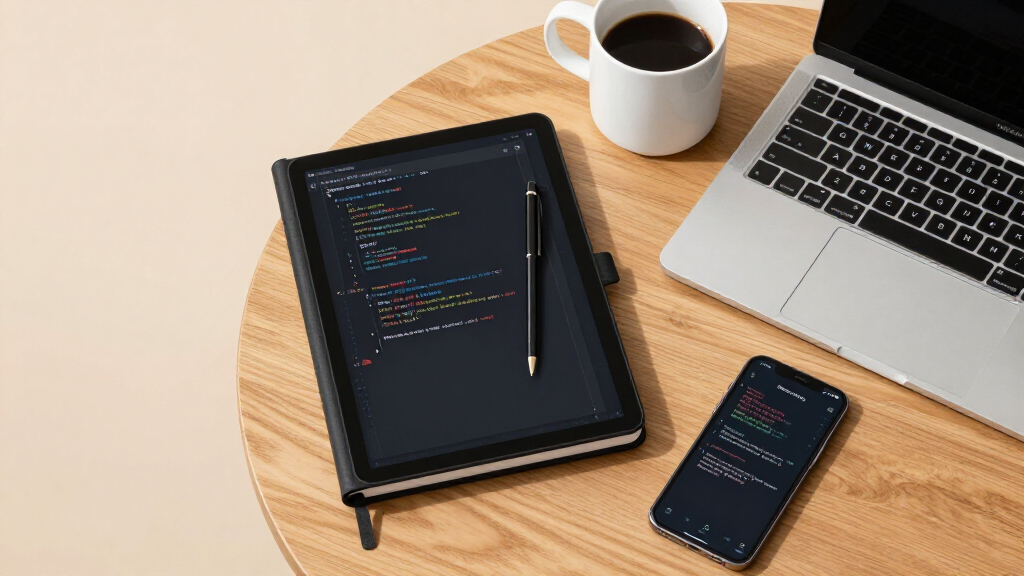
To evaluate these software development notebooks, I focused on factors that directly impact a developer’s experience: paper quality, layout versatility, portability, durability, and special features like guidelines or coding prompts. I also considered user reviews and the balance between price and features to ensure each pick offers clear value. By ranking notebooks that excel in usability and design, I aimed to highlight options suited for a range of needs—from beginners to seasoned professionals—while avoiding overly niche or poorly constructed products.| software development notebook | Format |
|---|---|
| Software Engineering for Data | Printed book |
| Coding Notebook with Indent Gu | Printed notebook |
| Developer Notebook for Program | Paperback |
| Software Engineer Notebook: 6x | — |
| Programmer Notebook: Programmi | Lined |
| Software Development: Enhance | — |
| Coding Notebook: Code Workbook | — |
| Python Programming Notebook: C | — |
Factors to Consider When Choosing Software Development Notebooks
Choosing the right software development notebook involves several considerations that can significantly impact your productivity and satisfaction. Beyond basic features, understanding how layout, size, and durability align with your workflow ensures you pick a notebook that truly supports your coding journey. Here are key factors to keep in mind when selecting your ideal notebook.Layout and Organization Features
Look for notebooks that include features like ruled lines, grid layouts, or specialized coding prompts. These elements can help maintain neatness and improve your focus, especially during long coding sessions. Some notebooks offer indentation guides or color-coded sections, which are particularly useful for structured programming or data science workflows. Choosing a layout that matches your style can reduce clutter and boost efficiency, but avoid overly complex features that may clutter your pages or distract from core tasks.
Size and Portability
The size of your notebook influences how easily you carry it around and how much space you have for notes. Compact 6×9 inch notebooks are portable but may limit writing space, while larger formats provide more room but are less convenient for mobile use. Consider how you plan to use the notebook—whether for quick sketches or extensive note-taking—and balance size with your mobility needs. Remember that a bulky notebook can hinder quick access, but a too-small one might restrict detailed notes.
Paper Quality and Durability
High-quality paper resists ink bleed-through and ghosting, which is essential if you use pens or markers. Durable covers protect your notes from wear and tear, especially if you carry your notebook daily. While premium notebooks often have thicker paper and sturdy covers, they come at a higher price. Cheaper options may sacrifice longevity and clarity, so consider your intended lifespan and whether you need archival-quality materials for long-term projects.
Special Features and Customization
Some notebooks include features tailored for programmers, such as code snippets, indentation guides, or color-coded sections. Others might have pre-printed templates for algorithms or data structures, which can save time during note-taking. However, more features often mean a higher price or less flexibility for general use. Evaluate whether these extras align with your workflow or if a simpler notebook better suits your style.
Price and Overall Value
Price varies based on materials, features, and brand reputation. While investing in a premium notebook can enhance durability and usability, budget options can serve well if you’re just starting out or prefer lightweight, basic pages. Consider how often you’ll use the notebook and whether its features justify the cost. Sometimes, paying more leads to better long-term value, especially if it motivates organized and efficient note-taking.
Frequently Asked Questions
Should I choose a notebook with dotted or grid pages for coding?
Dotted or grid pages are popular among developers because they offer flexibility for both writing and drawing diagrams or flowcharts. Dotted pages provide a minimalist look that supports freeform notes and sketches, while grid pages help with alignment and structured layouts, especially for data structures or algorithms. Your choice depends on whether you prefer a cleaner look or more guidance for organizing content visually. Both formats can enhance your workflow if chosen based on your specific note-taking style.
Is a hardcover or softcover notebook better for software development?
Hardcover notebooks tend to be more durable and offer better protection for your notes, making them ideal for frequent use and transport. Softcover options are lighter and more flexible, which can be advantageous if you prefer a more portable, less bulky option. The choice largely depends on your mobility needs and how protected you want your notes to be. For long-term projects or daily carry, a hardcover might be the better investment, while softcovers suit more casual or occasional use.
Do I need a specialized programming notebook or just a plain journal?
A specialized programming notebook often includes features like indentation guides, code snippets templates, or pre-printed sections designed to streamline coding workflows. These can be especially helpful for beginners or those who prefer structured notes. However, a plain journal offers more flexibility for sketching ideas, doodling, or freeform notes, which suits more experienced developers comfortable customizing their layout. Your choice depends on whether you prioritize structure or flexibility in your note-taking.
How important is paper thickness for digital or analog note-taking?
Thicker paper significantly reduces ink bleed-through, which is critical if you use pens or markers. For digital note-taking, thickness is less relevant, but for traditional writing, it impacts clarity and neatness. If you often write on both sides of a page, opt for high GSM paper to prevent ghosting. While thicker paper may increase the price and weight of the notebook, it enhances the overall writing experience and longevity of your notes.
Should I prioritize a notebook with pre-printed templates or blank pages?
Pre-printed templates can save time and help maintain consistency, especially for coding structures, algorithms, or project planning. They are ideal if you like to follow a structured approach and want to minimize setup time. Conversely, blank pages provide maximum flexibility for sketches, diagrams, or brainstorming. Your decision hinges on your workflow—if structure boosts your productivity, templates are beneficial; if you prefer creative freedom, blank pages work better.
Conclusion
For most developers seeking a reliable, all-around choice, the Best Overall option should balance quality, features, and price. Beginners or students will find the Best for Beginners picks more accessible and straightforward. Those who prioritize durability and premium features should consider the Best Premium options, while budget-conscious coders will appreciate the Best Value picks. Specific needs, like structured coding pages or portability, guide more tailored selections. Ultimately, choosing the right notebook depends on your workflow, whether you need flexibility, organization, or portability—use these insights to find the perfect fit for your coding journey in 2026.
Fall Picks
fall essentials
As an affiliate, we earn on qualifying purchases.