For software development tools for students, I rank Python & Visual Studio Code: The Beginning as the best overall pick because it joins an approachable programming language with a widely used editor. Visual Studio Code User Guide for Beginners 2026 is the stronger choice for students who need editor guidance before tackling larger coding projects, while the Piper Computer Kit offers a more tactile route for younger learners. The main tradeoff is between learning to write code, mastering a development environment, understanding team processes, and building through physical play. Price, learner age, available hardware, and the need for teacher support also change which option makes sense. Continue reading for my full breakdown of how these six choices serve different students.

Get monitors, keyboards and dev gear delivered free — and shop member deals
- Fast, free delivery on millions of items
- Access to Prime Big Deal Days deals on October 6–7
- Prime Video, Amazon Music and more included
Key Takeaways
- Python & Visual Studio Code: The Beginning ranks first because it covers both programming and editor use, giving it broader student appeal than the VS Code-only guides.
- Piper Computer Kit is the premium hands-on pick, but its physical components make more sense for younger makers than college students who already own suitable computers.
- Visual Studio Code User Guide for Beginners 2026 offers the gentlest editor introduction, while Visual Studio Code – The Essentials is better suited to students who want a shorter, lower-commitment reference.
- Introduction to Software Development: Processes and Tools fills the theory gap left by the coding-focused choices, making it more useful for coursework on workflows and team development.
- Every Student a Coder serves educators rather than solo learners, so I place it behind direct student resources despite its value for K–12 classroom planning.
| Python & Visual Studio Code: The Beginning |  | Best First Coding Guide | Product Type: Instructional programming book | Primary Language: Python | Featured Editor: Visual Studio Code | VIEW LATEST PRICE | See Our Full Breakdown |
| Piper Computer Kit |  | Best Hands-On Learning Kit | Computer Platform: Raspberry Pi | Display: 7-inch HDMI screen | Audio: DIY speaker | VIEW LATEST PRICE | See Our Full Breakdown |
| Introduction to Software Development: Processes and Tools |  | Best for Software Engineering Foundations | Product Type: Software-development reference book | Primary Subject: Software development processes and tools | Methodology Coverage: Industry practices and development methods | VIEW LATEST PRICE | See Our Full Breakdown |
| Every Student a Coder: A Classroom Teacher’s Guide to Teaching Computer Science and Computational Thinking in K–12 Schools |  | Best for K–12 Educators | Product Type: Classroom teaching guide | Education Range: K–12 | Primary Audience: Classroom teachers | VIEW LATEST PRICE | See Our Full Breakdown |
| Visual Studio Code User Guide for Beginners 2026 |  | Best for Editor Workflows | Product Type: Visual Studio Code beginner guide | Edition Year: 2026 | Skill Level: Beginner | VIEW LATEST PRICE | See Our Full Breakdown |
| Visual Studio Code – The Essentials: VS Code Day Preview Edition | 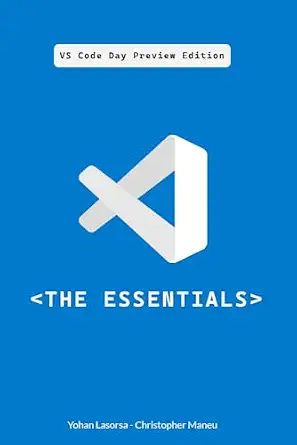 | Best for Preview Features | ASIN: B0D2PGCHWD | Edition: VS Code Day Preview Edition | Primary Platform: Visual Studio Code | VIEW LATEST PRICE | See Our Full Breakdown |
| software development tools for student | Product Type |
|---|---|
| Python & Visual Studio Code: T | Instructional programming book |
| Piper Computer Kit | — |
| Introduction to Software Devel | Software-development reference book |
| Every Student a Coder: A Class | Classroom teaching guide |
| Visual Studio Code User Guide | Visual Studio Code beginner guide |
| Visual Studio Code | — |
More Details on Our Top Picks
Python & Visual Studio Code: The Beginning
I rank Python & Visual Studio Code: The Beginning as the strongest starting point for students who want to write real code without separating language lessons from editor setup. Its Python-first approach gives beginners an immediate purpose for Visual Studio Code, while the practical examples help connect basic concepts with actions on screen. Compared with Visual Studio Code User Guide for Beginners 2026, this book is narrower on editor workflows but better suited to someone learning programming itself. It also demands less equipment and setup than the Piper Computer Kit. The tradeoff is limited staying power: advanced Python, larger projects, testing, and team practices receive little or no stated coverage. I would choose it for a first course or self-study plan, then pair it with a broader development guide once the fundamentals feel familiar.
Pros:- I like that Python instruction and Visual Studio Code orientation are taught together
- Practical examples connect beginner concepts with coding tasks
- The focused scope is approachable for first-time programmers
- It requires no dedicated educational hardware
Cons:- Advanced Python concepts and larger application patterns are not covered in depth
- The product data identifies no supplementary exercises, downloads, or companion files
- No update policy is stated for future Visual Studio Code changes
Best for: High-school or college beginners who want to learn introductory Python while becoming comfortable with Visual Studio Code
Not ideal for: Students who already understand Python basics and need advanced projects, testing practices, or deeper software-engineering instruction
- Product Type:Instructional programming book
- Primary Language:Python
- Featured Editor:Visual Studio Code
- Skill Level:Beginner
- Learning Style:Concept instruction with practical examples
- Advanced Topic Coverage:Limited
Our verdict“I recommend this as the first pick for students who want a guided route from zero experience to writing basic Python in Visual Studio Code.”
Piper Computer Kit
I place the Piper Computer Kit second because it turns software lessons into a physical building experience, a stronger fit for younger students who lose interest in book-led study. Learners assemble a Raspberry Pi computer, then move from drag-and-drop activities to Python through story-based projects. That progression makes abstract code produce visible results. Compared with Python & Visual Studio Code: The Beginning, Piper offers greater tactile engagement and a complete learning device, but it costs more, restricts students to the included hardware, and may require adult help. Its rebuildable carrying-case design suits classrooms or siblings sharing a kit, while the rechargeable battery supports learning away from a desk. I rank it below the leading book because its guided ecosystem is less flexible than a general-purpose computer and editor.
Pros:- I value the direct connection between computer assembly, coding, and visible project results
- Drag-and-drop lessons provide a gentler entry before Python
- The Raspberry Pi, display, speaker, and battery form a functional learning computer
- The sturdy case supports repeated builds and shared classroom use
Cons:- Younger children may need adult supervision during assembly and early lessons
- The guided hardware ecosystem offers less freedom than a standard laptop
- Beginners must learn both assembly and coding, which can create a steeper opening phase
Best for: Children and early teens who learn best by building hardware and completing guided, story-based coding projects
Not ideal for: College students or independent learners who already own a computer and want open-ended work with professional development tools
- Computer Platform:Raspberry Pi
- Display:7-inch HDMI screen
- Audio:DIY speaker
- Power:Rechargeable battery
- Programming Modes:Drag-and-drop coding and Python
- Learning Focus:STEAM, coding, and interactive projects
- Intended Audience:Kids and self-paced learners
- Enclosure:Sturdy carrying case designed for multiple rebuilds
Our verdict“I would choose Piper for a hands-on young learner, but not for an older student seeking the most flexible or economical coding setup.”
Introduction to Software Development: Processes and Tools
I select Introduction to Software Development: Processes and Tools for students who need to understand how coding fits inside a larger engineering process. Its coverage of methodologies, working practices, and development tools can help a learner discuss projects, workflows, and team responsibilities rather than treating programming as an isolated activity. Compared with Python & Visual Studio Code: The Beginning, this is the broader academic choice, but it does not offer the same clearly defined route to writing first programs. It also differs from Visual Studio Code User Guide for Beginners 2026 by focusing on process instead of one editor. That breadth earns it a middle position: it can strengthen coursework and career preparation, yet the supplied information identifies neither an edition nor detailed topic coverage. I would use it alongside a practical coding resource, not as a student’s only learning tool.
Pros:- I find its process-level viewpoint more useful for understanding team-based development than an editor-only guide
- It connects software tools with established development methodologies
- The scope suits both academic study and early career preparation
- It can complement language-specific coding instruction
Cons:- It is not presented as a step-by-step programming course
- The available data does not identify detailed chapter topics or featured tools
- Edition and publisher information are not supplied
Best for: Computer-science and software-engineering students who need a conceptual guide to professional processes, methods, and tool use
Not ideal for: First-time coders seeking step-by-step programming exercises or detailed instruction for a named language and editor
- Product Type:Software-development reference book
- Primary Subject:Software development processes and tools
- Methodology Coverage:Industry practices and development methods
- Intended Audience:Students and professionals
- Programming Language:No specific language identified
- Edition Information:Not provided
Our verdict“I recommend this as a companion text for students studying how software teams work, rather than as a first coding manual.”
Every Student a Coder: A Classroom Teacher’s Guide to Teaching Computer Science and Computational Thinking in K–12 Schools
I include Every Student a Coder for a different buyer from the rest of the ranking: the teacher selecting methods for an entire class. Its emphasis on K–12 computational thinking and coding instruction makes it more useful for lesson planning than Visual Studio Code User Guide for Beginners 2026, which serves an individual learning a specific editor. Compared with the Piper Computer Kit, this guide offers wider classroom strategy without tying activities to one hardware package. That flexibility is its main advantage, but it also creates uncertainty because the product information names no detailed curriculum, technical sequence, or included classroom materials. The description also suggests that some computer-science background may be helpful. I rank it below student-facing resources because learners cannot rely on it as a direct software tutorial, yet it is the clearest choice here for educators building age-appropriate coding instruction.
Pros:- I value its focus on teaching strategies across multiple K–12 age groups
- It links coding instruction with broader computational-thinking skills
- The classroom approach is less hardware-dependent than the Piper Computer Kit
- Practical strategies can support educators introducing computer science
Cons:- It is aimed at instructors rather than students learning independently
- No detailed curriculum or included technical resources are identified
- Teachers without computer-science knowledge may need added subject training
Best for: K–12 teachers, technology coordinators, and curriculum planners designing classroom coding and computational-thinking activities
Not ideal for: Students seeking independent, step-by-step training in Python, Visual Studio Code, or another named development platform
- Product Type:Classroom teaching guide
- Education Range:K–12
- Primary Audience:Classroom teachers
- Core Subjects:Computer science and computational thinking
- Teaching Focus:Strategies and resources for coding instruction
- Named Curriculum:Not specified
Our verdict“I would pick this for an educator shaping a K–12 coding program, while individual students should choose a direct tutorial instead.”
Visual Studio Code User Guide for Beginners 2026
I choose Visual Studio Code User Guide for Beginners 2026 for students who already have a language course but need help turning VS Code into a usable development workspace. Its scope extends from setup and editing to testing, version control, and productivity tools, giving it broader workflow coverage than Python & Visual Studio Code: The Beginning. The Python book remains the better first purchase for learning programming concepts; this guide makes more sense when the editor itself is the obstacle. Compared with Visual Studio Code – The Essentials: VS Code Day Preview Edition, the beginner framing sounds more accessible, though the supplied data gives no detailed tutorials or examples. That omission lowers its rank because feature coverage alone may not help a student solve real project problems. I would buy it as an editor reference beside a programming course, especially when Git and testing are entering the syllabus.
Pros:- I like its coverage of the workflow beyond basic code editing
- Testing and version-control topics support coursework involving larger projects
- The beginner orientation should make VS Code configuration less opaque
- Its 2026 framing targets modern development practices
Cons:- The available description does not promise detailed exercises or project tutorials
- It teaches an editor rather than a programming language
- No update plan is identified despite frequent changes to Visual Studio Code
Best for: Students who know basic coding concepts but need structured guidance on VS Code setup, testing, Git, and everyday project workflows
Not ideal for: Complete programming beginners who need language instruction, guided coding exercises, or a project-based course
- Product Type:Visual Studio Code beginner guide
- Edition Year:2026
- Skill Level:Beginner
- Editor Coverage:Project setup and code editing
- Development Practices:Testing and version control
- Workflow Coverage:Productivity tools and modern development workflows
- Programming Language:No specific language identified
Our verdict“I recommend this to students who need to master VS Code as a working environment, provided they already have a separate source for programming instruction.”
Visual Studio Code – The Essentials: VS Code Day Preview Edition
I rank Visual Studio Code – The Essentials as the lineup’s best preview-focused pick. Its emphasis on upcoming VS Code improvements makes it better suited to students who already understand the editor and want to follow changes that could improve coding efficiency. By comparison, Visual Studio Code User Guide for Beginners 2026 appears more appropriate for learners who need a structured introduction to everyday commands and workflows.
The tradeoff is limited buying evidence. The supplied information does not identify the author, format, length, or exact features covered, and there are no reader ratings to confirm its clarity. Preview material may also age faster than a standard reference when features change before release. I would choose this edition as a focused companion resource, not as a student’s only VS Code guide.
Pros:- Focuses on essential Visual Studio Code tools
- Introduces upcoming features before they reach standard guides
- Connects editor improvements with faster coding workflows
- Offers a narrower focus than broad software-development textbooks
Cons:- Limited product details make its depth and teaching style difficult to judge
- Preview coverage may become outdated as features change
- No user reviews or ratings are provided
Best for: Students who already know basic Visual Studio Code workflows and want a concise guide to upcoming editor features and efficiency improvements
Not ideal for: First-time programmers who need step-by-step setup, coding instruction, and a stable long-term VS Code reference
- ASIN:B0D2PGCHWD
- Edition:VS Code Day Preview Edition
- Primary Platform:Visual Studio Code
- Content Focus:Essential developer tools and features
- Feature Coverage:Upcoming updates and improvements
- Workflow Goal:Improved coding efficiency
- Reader Feedback:No user reviews or ratings provided
Our verdict“I recommend this as a supplementary update guide for VS Code-aware students, while beginners should choose a fuller introductory resource.”
How We Picked
I ranked these products by student relevance, ease of entry, and the amount of useful practice they can support. I gave more weight to options that connect instruction with an activity, since students usually gain more from writing, running, or discussing code than from reading feature lists. I also examined learner age, required hardware, setup burden, scope, and whether the material teaches skills that can carry into later projects. Because the lineup mixes books, guides, and a physical kit, I judged each product by the learning problem it solves rather than treating every item as interchangeable.
The top position went to the choice with the best balance of coding fundamentals and practical tooling. More specialized products ranked according to how clearly they serve a distinct buyer: editor newcomers, hands-on learners, software-process students, or K–12 teachers. I treated price as value relative to learning depth, not simply as the lowest purchase cost. I also marked down narrow resources when a student would quickly need a second product to begin building complete projects.
| software development tools for student | Product Type |
|---|---|
| Python & Visual Studio Code: T | Instructional programming book |
| Piper Computer Kit | — |
| Introduction to Software Devel | Software-development reference book |
| Every Student a Coder: A Class | Classroom teaching guide |
| Visual Studio Code User Guide | Visual Studio Code beginner guide |
| Visual Studio Code | — |
Factors to Consider When Choosing Software Development Tools For Students
I would begin by identifying the student’s next learning outcome, since this lineup includes coding instruction, editor guidance, development theory, and classroom resources. A product can be well made yet poorly matched to the buyer’s goal. My buying guide focuses on learner readiness, the equipment already available, practice quality, content lifespan, and the true cost of building a usable learning setup. These factors make the differences between the six options much clearer.
Match the Resource to the Student’s Immediate Goal
I would choose according to what the student needs to do next, not the number of topics named on a cover. A learner who wants to write a first program needs language instruction and runnable exercises, while someone who already receives coding lessons may only need an editor guide. Software-process material has greater value when coursework covers version control, planning, testing, or team roles. A classroom teaching guide solves a different problem by helping an adult structure instruction across ages and subjects. Buying an advanced reference too early often leaves a beginner copying commands without understanding the code. A clear, reachable outcome for the next month is a better filter than distant career ambitions.
Check Hardware, Operating System, and School Restrictions
Before buying, I would verify that the learner can install software and run the exercises on the computer they use. School-managed devices may block extensions, command-line tools, or local interpreters, which can reduce the value of a VS Code resource. Browser-based alternatives can help, but their menus and file workflows may not match a desktop-focused guide. A physical kit avoids some software abstraction yet brings its own requirements, including storage, replacement parts, and space for projects. Families with a capable laptop can often direct more of the budget toward instruction rather than extra hardware. Buyers should also check whether setup requires an adult account or administrator access before handing the product to a student.
Favor Active Practice Over Passive Coverage
I give more weight to resources that ask students to predict, build, debug, and revise. Short feedback loops help a learner connect an action with its result, whether that means running Python code or changing a physical build. A book with broad coverage can still produce weak learning if its exercises amount to copying finished examples. Look for projects that gradually remove prompts and ask the student to make decisions independently. Error explanations matter too, since debugging is part of development rather than a detour from it. For self-directed students, answer keys, expected output, and checkpoints can replace some of the feedback a teacher would normally provide.
Judge How Quickly the Material May Age
Editor guides can become dated faster than books about programming logic or development processes. I would check whether screenshots and menu paths are the main teaching method, because interface-heavy instruction loses accuracy when software layouts change. Concepts such as variables, functions, testing, and source control tend to retain value even when commands move. A dated screenshot is manageable if the surrounding explanation teaches the reason behind the action. Students who want a long-term desk reference should favor concept-led material, while learners solving an immediate setup problem may still benefit from a version-specific guide. Free update pages or downloadable corrections can extend a book’s useful life.
Calculate the Full Learning Cost
The purchase price rarely tells the whole story. I would include the cost of compatible hardware, accessories, replacement pieces, and follow-up instruction when comparing a kit with a book. A low-priced editor guide may still require another resource for programming fundamentals, while a broader course can cover both needs at once. Premium hardware earns its price when tactile work keeps a younger student engaged or supports several siblings and projects. It offers weaker value when the learner mainly needs skills for school assignments completed on a laptop. I would pay more for reusable projects and sustained practice, not packaging or a larger topic count alone.
Frequently Asked Questions
Which Option Is Best for a Student Who Has Never Coded?
I would start most independent beginners with Python & Visual Studio Code: The Beginning because it connects first programming ideas with the environment used to write and run them. Visual Studio Code User Guide for Beginners 2026 is a better fit when a class already teaches the programming language and the editor itself is the obstacle. Younger students who lose interest in screen-only lessons may respond better to Piper’s physical projects. The deciding factor is whether the learner needs coding instruction, software orientation, or a more playful entry point. No beginner resource replaces regular practice, so I would pair the choice with small weekly projects.
Is the Piper Computer Kit Worth Buying If the Student Already Has a Laptop?
I would buy the Piper Computer Kit only when hands-on construction is likely to improve the student’s motivation or understanding. A laptop paired with a coding book is usually the better value for an older student focused on assignments, portfolio projects, or standard development workflows. Piper justifies its higher cost through physical interaction and visible cause-and-effect, not by replacing a general-purpose computer. It can also make sense for siblings, clubs, or classrooms where the kit will be reused. For a student already comfortable building software on a laptop, the money may go further on deeper instruction or project materials.
Should I Choose a VS Code Guide or a General Programming Book?
I would choose a general programming book when the student still needs to learn how code works. A VS Code guide mainly reduces friction around files, settings, extensions, debugging controls, and editor shortcuts. Those skills matter, but they do not replace lessons on variables, functions, program structure, or problem-solving. If a course already supplies the programming curriculum, a dedicated editor guide can fill a real gap. Students learning alone will usually get more mileage from an integrated resource before adding a specialized VS Code reference.
Which Product Makes the Most Sense for a Teacher or Homeschool Parent?
I would direct K–12 educators toward Every Student a Coder because its role is curriculum planning and teaching support rather than solo technical instruction. It is more relevant than the VS Code guides when the adult must adapt activities for different ages, connect computing with other subjects, or plan classroom participation. A teacher seeking material for a dedicated software-development course may also benefit from Introduction to Software Development: Processes and Tools. The educator should still choose a separate student-facing coding resource for exercises and projects. One guide can shape instruction, but it rarely supplies every lesson, tool, and feedback mechanism a class needs.
Can One of These Products Prepare a Student for Real Software Projects?
I would treat any single item here as a starting layer rather than a complete pathway. Students eventually need practice with planning, source control, debugging, testing, documentation, and projects that contain incomplete instructions. The Python and VS Code pick builds a useful base, while the software-process title adds context about how development work is organized. Independent project work is what joins those lessons into a practical skill set. After finishing an introductory resource, I would have the student create a small original program, track revisions, and explain the choices made.
Conclusion
For most students, my best overall recommendation is Python & Visual Studio Code: The Beginning because it combines coding instruction with a practical development environment. My best value pick is Visual Studio Code – The Essentials for learners who want focused editor help without committing to a broader course. Students who need slower, more explicit software orientation should choose Visual Studio Code User Guide for Beginners 2026 as the best beginner-focused option.
The Piper Computer Kit is my premium pick for younger students who learn through building and physical experimentation. For academic coverage of workflows and team practices, Introduction to Software Development: Processes and Tools is the better specific-purpose choice. Teachers and homeschool parents should start with Every Student a Coder, which offers more instructional direction than the student-facing guides. I would make the final choice by matching the product to the learner’s next project, available equipment, and need for adult guidance.
Halloween Picks
halloween
As an affiliate, we earn on qualifying purchases.