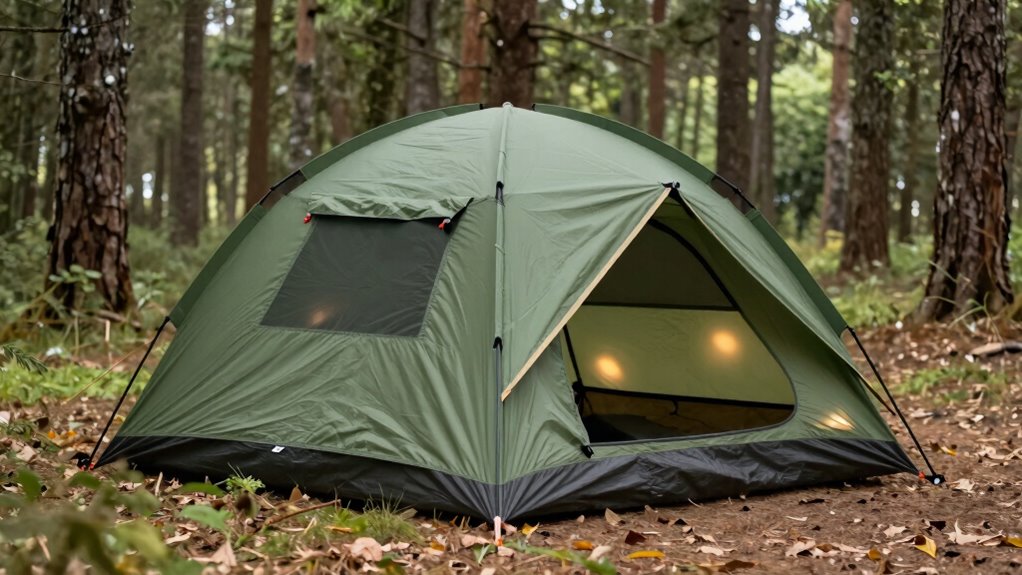

A “3-season” tent is designed to handle spring, summer, and fall weather, offering good ventilation, rain resistance, and wind durability. It’s not made for harsh winter storms or heavy snow. You’ll find features like sealed seams, sturdy poles, and breathable fabrics that balance protection and airflow. To pick the right one and keep it in top shape, learn about its construction and weather ratings—they’re key to outdoor success.
Key Takeaways
- A 3-season tent is designed for spring, summer, and fall, handling rain, wind, and moderate snow, but not extreme winter conditions.
- It features durable, weather-resistant fabrics with sealed seams, reinforced stress points, and quality ventilation to prevent condensation.
- The tent typically includes sturdy aluminum or fiberglass poles, mesh panels, and adjustable vents for optimal airflow.
- It balances lightweight portability with durability, suitable for moderate outdoor conditions but not heavy snow or extreme cold.
- Proper maintenance, seam sealing, and choosing a tent based on local weather patterns are essential for longevity and performance.
What Does a “3-Season” Tent Really Mean?
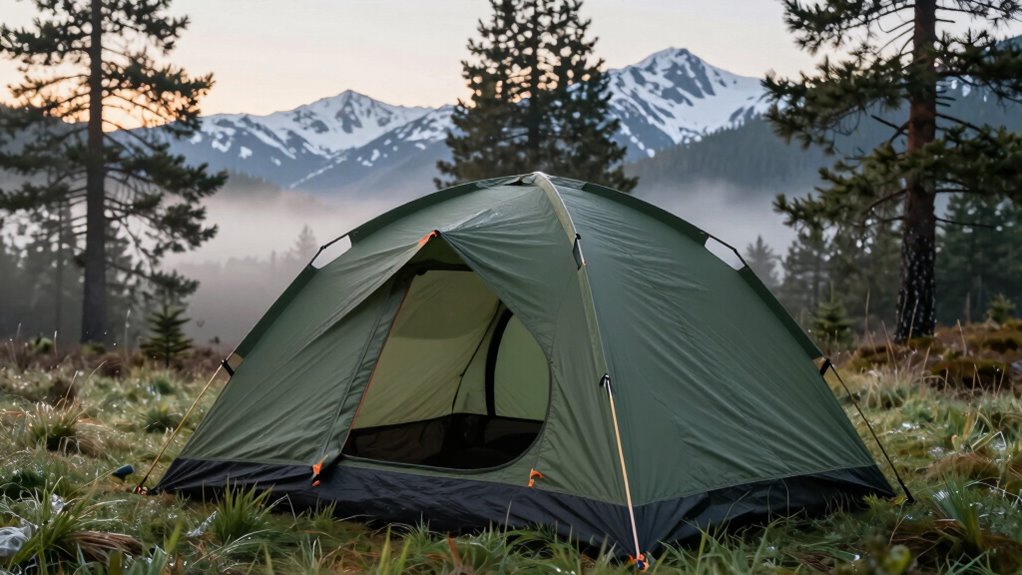
A “3-season” tent is designed to handle the typical conditions you encounter from spring through fall, but it’s not meant for harsh winter weather. When mountain camping or backpacking, this type of tent offers a good balance of ventilation, weather resistance, and lightweight design. It’s made to withstand rain, wind, and moderate snow, making it versatile for most outdoor adventures. These tents usually feature sturdy poles, durable fabric, and adequate mesh for ventilation. Keep in mind, they aren’t built for extreme cold or heavy snow loads. If your trips involve unpredictable weather or higher elevations, a 3-season tent provides reliable shelter without adding unnecessary weight to your backpacking gear. Understanding seasonal limitations can help you choose the right gear for your outdoor needs and ensure a safe experience. Being aware of weather conditions and how they affect tent performance can help prevent unexpected problems during your trip. Additionally, knowing climate variability can assist in selecting the most suitable tent for different environments. It’s your go-to choice for most three-season outdoor activities.
How Do Tent Ratings Show Weather Resistance and Durability?
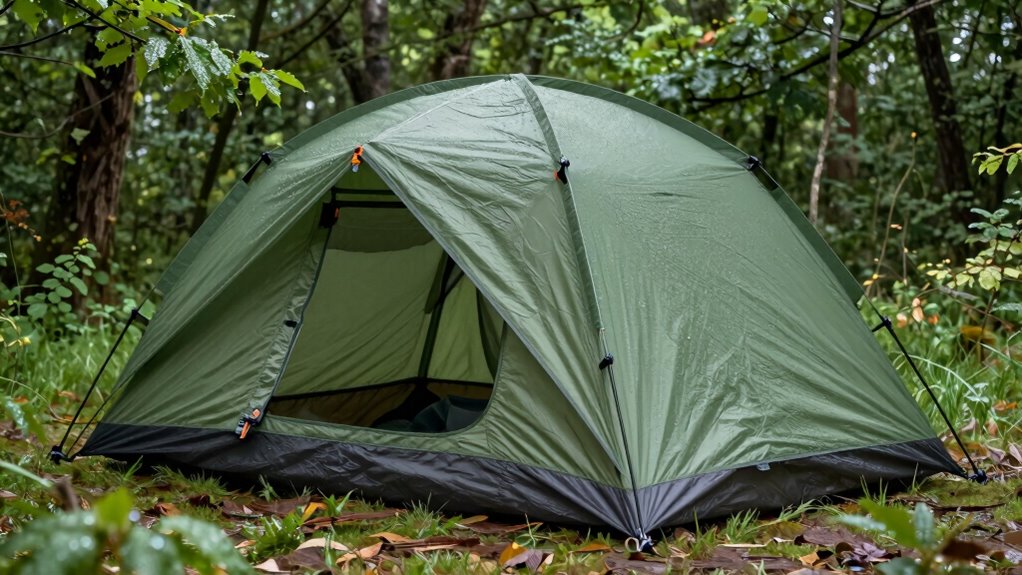
Tent ratings communicate weather resistance and durability through standardized labels, fabric specifications, and testing results that help you assess how well a tent will perform in different conditions. For example, fabric breathability indicates how well the tent vents moisture and prevents condensation, which is essential in varying weather. Durability is reflected in fabric material quality and pole strength, ensuring the tent withstands wind, rain, and rough handling. Ratings often include water resistance levels, like hydrostatic head measurements, showing how well the fabric repels water. Strong poles, typically made from aluminum or robust fiberglass, contribute to overall stability. Additionally, color accuracy in fabric dyes can indicate fade resistance over time, ensuring the tent maintains its appearance. Furthermore, fabric durability is often tested through simulated wear and tear to guarantee long-term performance. To ensure long-lasting use, manufacturers frequently conduct durability testing that simulates harsh conditions and repeated use. Properly conducted testing procedures can provide valuable insights into how a tent will hold up over multiple trips and challenging weather scenarios. Also, understanding weather resistance ratings helps you select a tent suited for specific climates and conditions. Together, these ratings give you a clear idea of how a tent will hold up against the elements and last over multiple trips.
What Are the Key Features of a True 3-Season Tent?
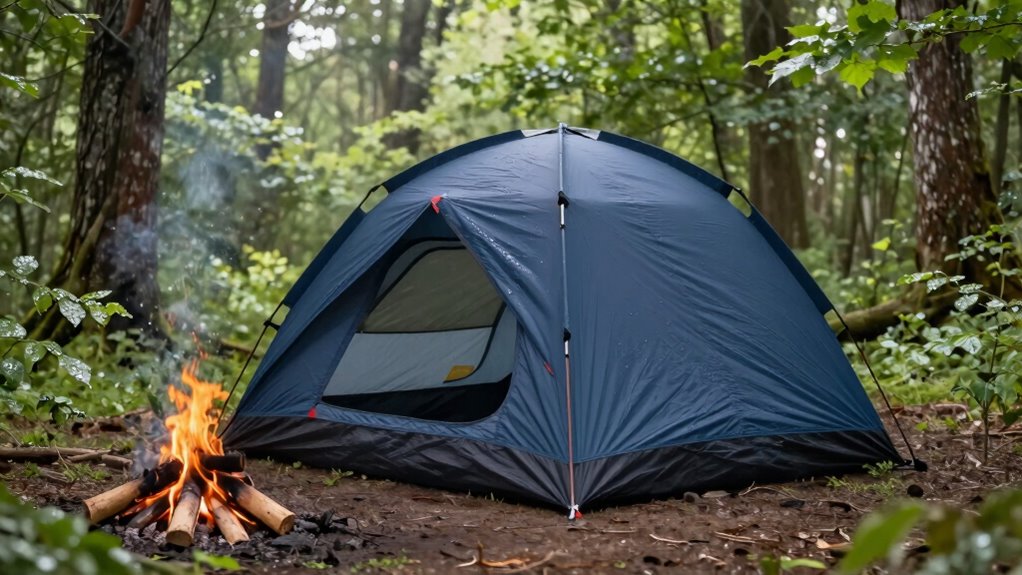
Understanding the key features of a true 3-season tent helps you choose gear that performs reliably in spring, summer, and fall conditions. Look for good ventilation options, like multiple vents or mesh panels, to prevent condensation and improve camping comfort. A sturdy frame that withstands wind and rain is essential, ensuring your tent stays stable during unpredictable weather. Water-resistant fabrics and sealed seams keep you dry, while a durable floor protects against ground moisture. Efficient gear organization features, such as interior pockets and gear lofts, help you keep your campsite tidy and accessible. Additionally, ventilation design plays a crucial role in maintaining a comfortable interior environment and reducing condensation buildup. Proper contingency planning can help you handle unexpected weather changes, ensuring a safe and enjoyable outdoor experience. Being aware of seasonal weather patterns allows you to select the most appropriate tent features for varied conditions. Incorporating appropriate materials such as ripstop fabrics and corrosion-resistant poles further enhances durability and performance. Considering ventilation options is essential for reducing condensation and increasing comfort in variable weather. Overall, these features enable you to enjoy a comfortable, well-protected shelter across a variety of seasons, making your outdoor experience more enjoyable and worry-free.
What Materials and Construction Make a Good 3-Season Tent?
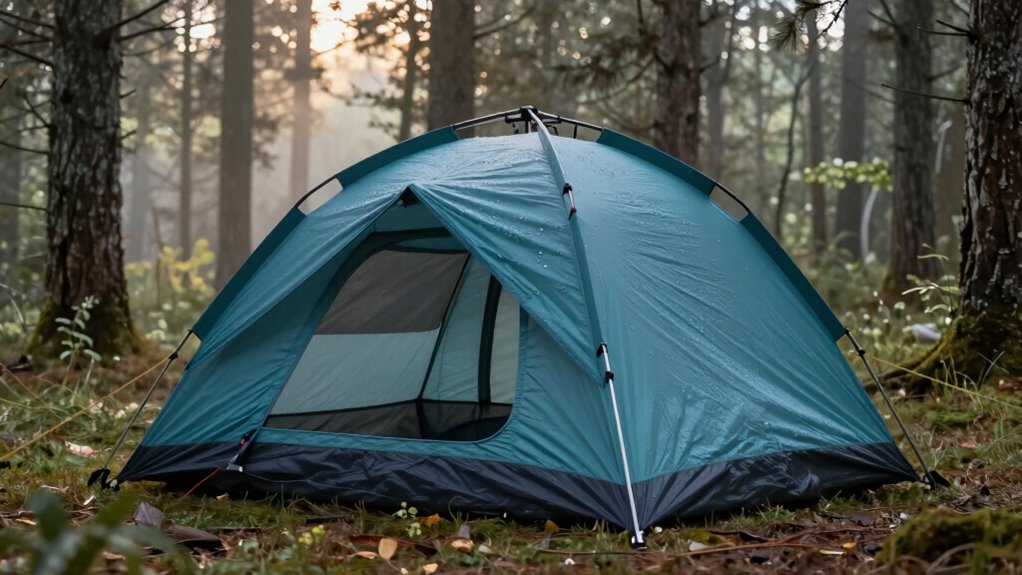
Choosing the right materials and construction techniques is vital for a reliable 3-season tent. Fabric types matter; look for durable, lightweight nylon or polyester with a waterproof coating, like silicone or polyurethane. These fabrics withstand rain, wind, and temperature fluctuations. Seam sealing is essential—ensure all seams are properly sealed to prevent leaks during wet weather. Double-stitched seams and reinforced corners add strength and longevity. Ventilation features, such as mesh panels and adjustable vents, improve airflow and reduce condensation. A sturdy frame made of aluminum poles offers stability without adding excessive weight. Quality construction also includes reinforced stress points and durable zippers. Paying attention to fabric types and Seam sealing ensures your tent performs well across a variety of conditions. Additionally, selecting tents with weather-resistant materials can significantly enhance durability and comfort during unpredictable weather. Properly designed ventilation systems further help manage condensation and improve overall comfort. Considering fabric breathability can also prevent excessive internal humidity and improve comfort during extended use. Incorporating advanced waterproof coatings can further protect against unexpected rain and moisture penetration.
How Do I Choose the Best 3-Season Tent for My Climate?
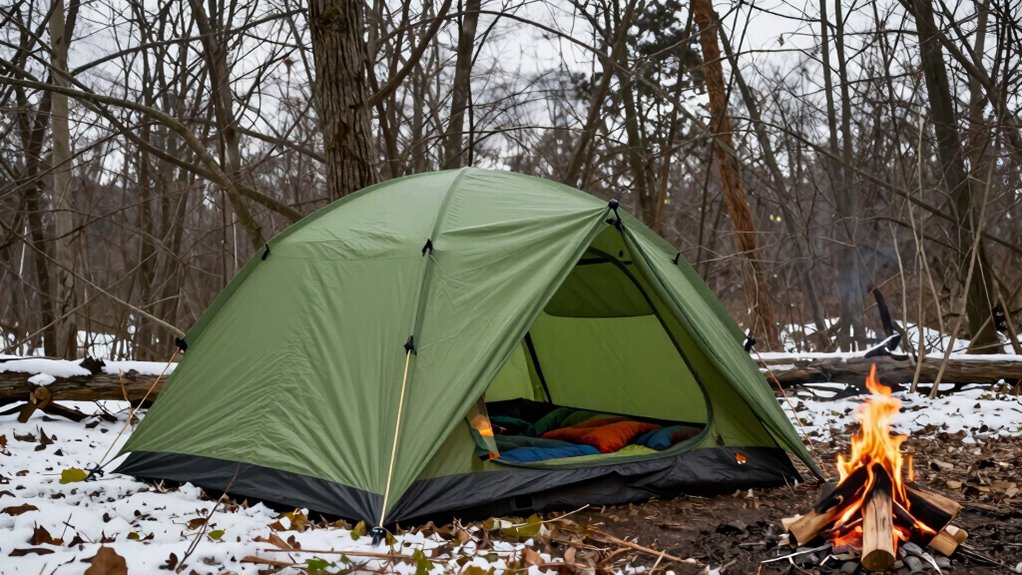
Selecting a 3-season tent that suits your climate means considering how weather patterns will impact your camping experience. If you’re facing colder conditions, look for tents with better thermal insulation to retain heat and keep interior comfort high even in chilly weather. For milder environments, focus on breathability and ventilation to prevent condensation and maintain a comfortable interior. Proper ventilation not only helps with condensation but also improves overall airflow, making your camping experience more pleasant. Consider the typical wind, rain, and snow levels in your area, and choose materials and design features that can handle those conditions. A tent with sturdy poles and waterproof fabrics will stand up better against storms. Additionally, understanding best gear options can help you select accessories that enhance your tent’s performance in your specific climate. Incorporating water-resistant fabrics can further improve your tent’s durability and protection against unexpected weather. Ultimately, matching your tent’s features to your climate guarantees you stay comfortable and protected throughout your camping trip, no matter the weather.
How Are 3-Season and 4-Season Tents Different?
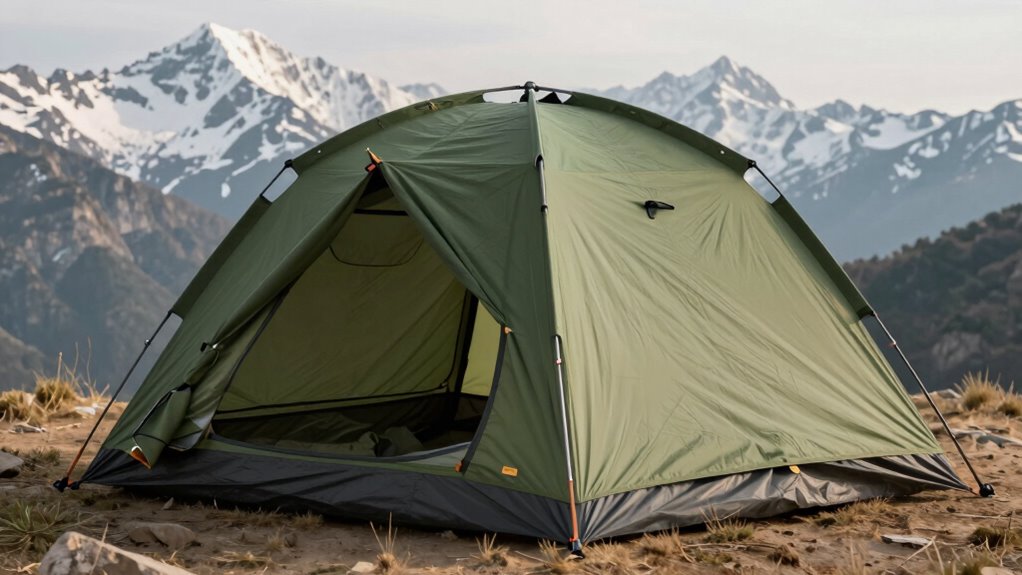
While 3-season and 4-season tents are both designed for outdoor camping, they serve different purposes based on the weather conditions you’ll face. 3-season tents are built primarily for spring, summer, and fall, offering a good balance of ventilation, lightweight design, and weather resistance suitable for milder conditions. They handle rain, moderate wind, and snow but aren’t meant for extreme winter survival or heavy snow loads. Conversely, 4-season tents are reinforced for mountain camping and harsh winter conditions, with stronger frames, sturdier materials, and better insulation. If you plan to camp in winter or in areas with severe weather, a 4-season tent provides the durability and protection needed. Understanding these differences helps you pick the right tent for your adventures.
How Can I Recognize a High-Quality 3-Season Tent?

Recognizing a high-quality 3-season tent involves examining its construction and materials. First, check the fabric; durable, waterproof, and breathable materials like ripstop nylon or polyester with a high-quality coating guarantees it can handle varying weather conditions. Second, inspect the frame; sturdy poles made from aluminum or strong fiberglass provide stability during outdoor adventures. Third, evaluate features such as sealed seams and ventilation options, which improve weather resistance and airflow. These elements are essential in camping gear meant for 3-season use, offering comfort and protection in spring, summer, and fall. A well-built tent not only withstands different weather but also enhances your overall outdoor experience. Recognizing these key qualities helps you choose a tent that supports successful outdoor adventures.
How Do I Maintain and Extend the Life of My 3-Season Tent?

Proper maintenance is essential to keep your 3-season tent in top condition and extend its lifespan. Regular tent maintenance involves cleaning off dirt and debris after each trip, inspecting seams and fabric for damage, and repairing small tears promptly. Always dry your tent thoroughly before storing to prevent mold and mildew. When it’s not in use, focus on proper gear storage—store your tent in a cool, dry place, preferably in a breathable bag to avoid moisture buildup. Avoid leaving it compressed for long periods, as this can weaken the fabric. Taking these steps helps prevent unnecessary wear and tear, ensuring your tent stays reliable for many adventures. With attentive tent maintenance and smart gear storage, you’ll maximize your investment and enjoy your outdoor experiences longer.
When and Where Should I Use a 3-Season Tent?
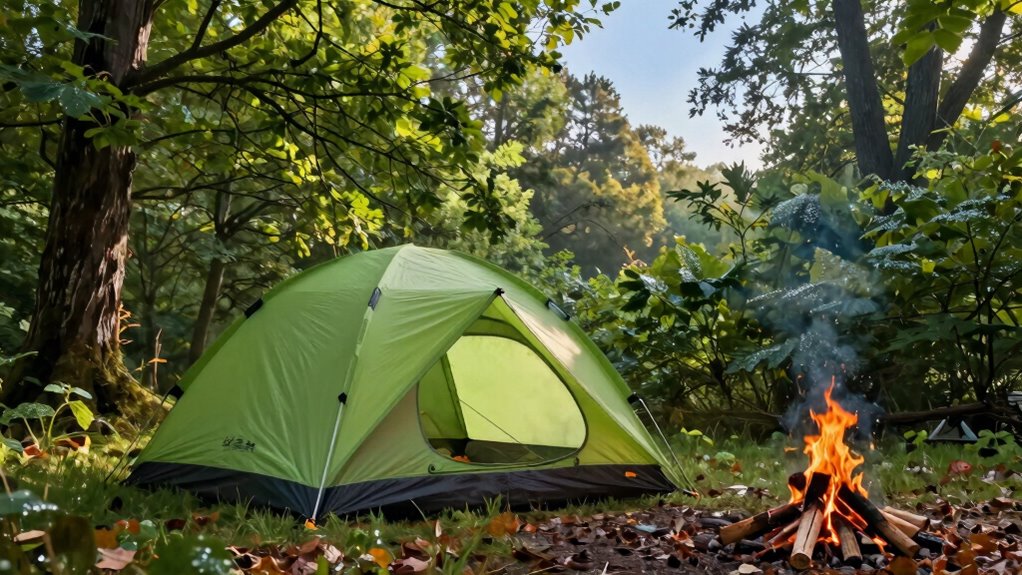
A 3-season tent is designed to handle the most common weather conditions you’ll encounter during spring, summer, and fall camping. You should use it when your trips involve moderate rain, wind, or cooler temperatures, but not extreme winter storms. Here’s when and where to choose it:
Ideal for spring through fall trips with moderate weather, balancing durability and breathability.
- Spring and fall camping, where unpredictable weather requires reliable outdoor safety and sturdy camping gear.
- Summer trips in areas with occasional rain and breezy conditions, providing ventilation and protection.
- Backpacking in temperate regions, where lightweight, versatile tents support your safety and comfort.
A 3-season tent offers the balance of durability and breathability you need for these conditions, making it your go-to for most outdoor adventures.
What Questions Should I Ask Before Buying a 3-Season Tent?
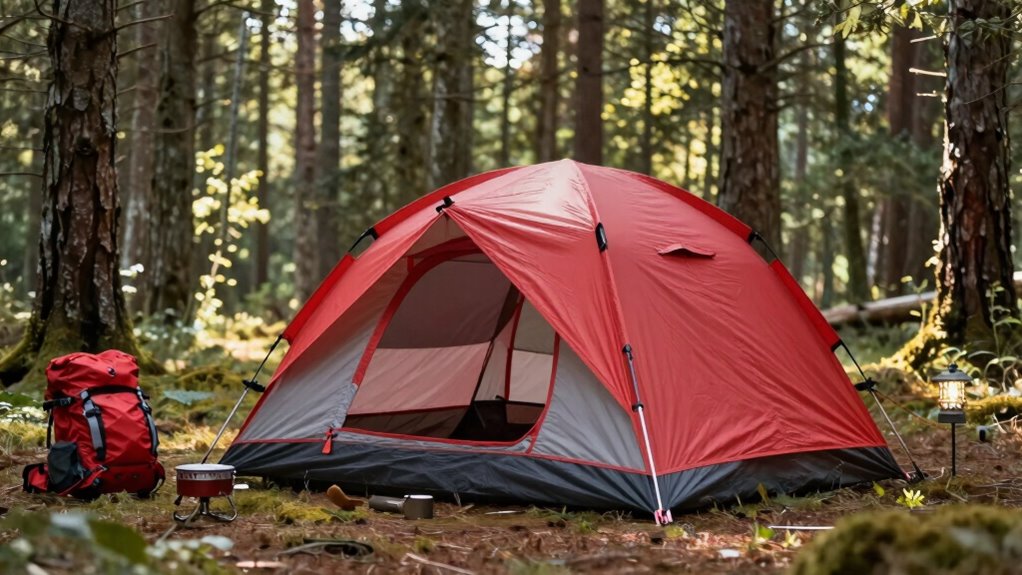
Before choosing a 3-season tent, ask about its weather resistance to guarantee it can handle rain and wind. Consider how well it ventilates to prevent condensation and keep you comfortable. Also, check the durability and material quality to make sure it’ll hold up over time and tough conditions.
Weather Resistance Capabilities
When evaluating the weather resistance of a 3-season tent, it is vital to ask how well it can handle rain, wind, and snow. You want reliable rain protection to keep you dry during storms. Check if the tent’s fabric is waterproof, with a high-quality rainfly and sealed seams. Wind resistance is equally important; make sure the tent has sturdy poles and guy lines to withstand gusts. Snow load capacity isn’t always essential but still worth considering if you camp in winter conditions.
- Is the rainfly waterproof and designed for heavy rain?
- How well does the tent resist strong wind gusts?
- Can it handle light snow or frost without collapsing?
Ventilation and Airflow
Ensuring proper ventilation is essential to prevent condensation buildup inside your 3-season tent, especially during humid or rainy nights. Breathability issues can lead to dampness and discomfort, so it’s crucial to check the airflow design of your tent. Look for features like adjustable vents, mesh panels, and windows that promote continuous airflow. A well-designed ventilation system helps moisture escape, reducing the risk of mold and soggy gear. Consider how easy it is to open or close vents without compromising weather resistance. Good airflow also prevents stuffiness, keeping the interior fresh and comfortable. Prioritize tents with multiple ventilation options for different conditions. Proper ventilation isn’t just about comfort; it’s essential for maintaining a dry, healthy interior environment during your outdoor adventures.
Durability and Material Quality
Choosing a durable 3-season tent depends on understanding the quality of its materials and construction. First, check the fabric strength—look for high-denier nylon or polyester, which resist tears and abrasions. Second, examine the seam sealing—ensure seams are properly sealed to prevent leaks during rain. Third, assess the overall build quality, including reinforced stress points and sturdy pole connections. These factors directly impact the tent’s ability to withstand wind, rain, and wear over time. A well-constructed tent with strong fabric and sealed seams offers better longevity and resilience. Asking these questions helps guarantee your investment in a tent that will hold up through multiple camping trips without compromising safety or comfort.
Frequently Asked Questions
How Do 3-Season Tents Perform in Unexpected Weather Conditions?
In unexpected weather, 3-season tents handle storm resilience and wind resistance well, but aren’t foolproof. You’ll notice they’re designed to withstand moderate rain, snow, and wind, so they perform reliably in sudden storms. However, in severe weather like hurricanes, they might struggle. To stay safe, choose a sturdy, well-anchored tent, and always check weather conditions before setting up. Proper maintenance also boosts your tent’s resilience.
Can 3-Season Tents Handle Snow Loads Effectively?
3-season tents can handle light to moderate snow loads, thanks to their winter durability features like sturdy poles and reinforced fabrics. However, they’re not designed for heavy snow or severe winter storms. You’ll also benefit from bug resistance, keeping pests out during cold months. For heavy snow and extreme cold, consider a 4-season tent that offers enhanced strength and insulation, ensuring safer winter camping.
Are 3-Season Tents Suitable for High-Altitude Camping?
Yes, a 3-season tent can be suitable for high-altitude camping if it’s built for mountain adventures and winter durability. You might face unexpected weather shifts or snow, so choose a model with sturdy poles and good ventilation. While not as specialized as 4-season tents, a well-designed 3-season tent can handle the cold and wind, giving you reliable shelter on your mountain journey. Stay prepared, and your high-altitude experience will be safe and enjoyable.
How Do Ventilation Features Vary Among Different 3-Season Tents?
You’ll notice ventilation features vary among 3-season tents, mainly through ventilation design and mesh panel effectiveness. Some tents include large mesh panels for ideal airflow, reducing condensation, while others incorporate adjustable vents or windows for customizable airflow. Look for tents with strategically placed mesh panels and vent openings, as these improve breathability and help maintain a comfortable interior environment, especially during warmer nights or in humid conditions.
What Are Common Signs a 3-Season Tent Is No Longer Reliable?
When your tent starts showing signs of wear, like fabric thinning or zippers failing, it’s a gentle hint that its durability might be waning. You should also watch for difficulty in setting it up or frequent leaks during mild rain. These signs suggest it’s time to contemplate a replacement, especially if you’re planning future trips. Staying attentive ensures you stay comfortable and protected, no matter the weather.
Conclusion
Now, as you zip up your 3-season tent beneath a star-studded sky or against a brisk mountain breeze, remember it’s built to shelter you through changing weather and rugged adventures. With the right choice and care, your tent becomes a trusted home in the wild, turning unpredictable skies into a backdrop for unforgettable memories. Embrace the outdoors confidently, knowing your 3-season shelter is ready for whatever nature throws your way.