

Choosing a Python SQLite wrapper guide depends on whether you want to work close to SQLite itself or learn a broader database toolkit. Python and SQLite Development is the most direct match for readers focused on SQLite; SQLAlchemy 2 in Practice offers the clearest stated path into modern SQLAlchemy; and Python and SQLAlchemy: A Hands-On Introduction to Database Mastery is the broader starting point for learners seeking a guided introduction. These are books, not software libraries, so I rank them by how clearly their stated focus aligns with a buyer’s learning goal. The main tradeoff is specificity: the SQLite-focused title appears most directly relevant to SQLite work, while the SQLAlchemy titles point toward an abstraction that can support work across relational databases but may teach more than a SQLite-only project needs.

Get business pricing on monitors, keyboards and dev gear
- Business-only prices and quantity discounts
- Tax-exempt purchasing
- Multiple users, one account, clear invoices
The supplied information is sparse, so I avoid assuming chapter contents, code samples, compatibility details, or reader outcomes that are not provided. My recommendations instead distinguish the books by their stated subjects and teaching approach. That matters here: someone searching for a “wrapper” may actually want a Python package, while these products are learning resources about database development. I explain which guide best fits each learning goal—and when it makes more sense to seek documentation or a software package instead.
Key Takeaways
- Python and SQLite Development is the closest title match for a reader whose project specifically uses SQLite, though its description does not confirm the topics or depth covered.
- SQLAlchemy 2 in Practice is the clearest choice for learning SQLAlchemy 2 because the product description explicitly names the version and a step-by-step teaching approach.
- Python and SQLAlchemy: A Hands-On Introduction is a general SQLAlchemy introduction, but the available information does not establish its version coverage or SQLite-specific instruction.
- All three products are books rather than SQLite wrapper libraries; buyers seeking an installable package should compare software documentation and APIs instead.
- The descriptions provide little detail about exercises, code samples, prerequisites, or SQLite coverage, so I rank stated focus—not unverified content claims.
| Python and SQLite Development |  | Best for SQLite-focused learners | Format: Book | Primary stated subject: Python and SQLite development | Database named: SQLite | VIEW LATEST PRICE | See Our Full Breakdown |
| SQLAlchemy 2 in Practice: Learn to Program Relational Databases in Python Step by Step | 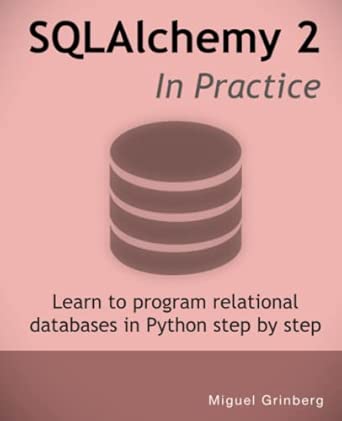 | Best for SQLAlchemy 2 learners | Format: Book | Primary stated subject: Programming relational databases in Python | Framework named: SQLAlchemy 2 | VIEW LATEST PRICE | See Our Full Breakdown |
| Python and SQLAlchemy: A Hands-On Introduction to Database Mastery |  | Best for a broad SQLAlchemy introduction | Format: Book | Primary stated subject: Working with databases using Python and SQLAlchemy | Framework named: SQLAlchemy | VIEW LATEST PRICE | See Our Full Breakdown |
| Python SQLite wrapper | Format | Primary stated subject | Python version | Teaching approach |
|---|---|---|---|---|
| Python and SQLite Development | Book | Python and SQLite development | Not specified | Not specified |
| SQLAlchemy 2 in Practice: Lear | Book | Programming relational databases in Python | Not specified | Step-by-step, as stated in the title |
| Python and SQLAlchemy: A Hands | Book | Working with databases using Python and SQLAlchemy | Not specified | Hands-on introduction, as stated in the title and description |
More Details on Our Top Picks
Python and SQLite Development
For a buyer whose project specifically uses SQLite, this is the most direct match in the lineup. Its description identifies the subject as developing with Python and SQLite, without routing the reader first through a general SQLAlchemy introduction. That focus gives it the strongest relevance to the query’s SQLite side, especially for a learner who wants a resource framed around the database engine they plan to use.
The comparison with the two SQLAlchemy titles is the main reason I place it first. Both of those books make SQLAlchemy the center of their stated subject, and neither supplied description confirms how much SQLite instruction they include. This book has the opposite advantage: its title names SQLite directly. The limitation is that the listing says little beyond its topic. I cannot verify whether it covers Python’s built-in sqlite3 interface, ORM patterns, schema design, transactions, migrations, testing, or current Python versions, so buyers should not assume that a particular tool or topic appears.
This pick is a subject-match recommendation, not a claim that it is a software wrapper or a verified course in a particular API. If you need a book centered on SQLite development, it is the most natural starting point among these three. If you want an explicit SQLAlchemy 2 learning path, SQLAlchemy 2 in Practice provides a more specific promise. If you want a general hands-on introduction to SQLAlchemy, the first title is the broader alternative. I would choose this one for SQLite relevance, while checking the full listing or sample material before relying on it for a specific implementation need.
Pros:- The stated subject directly pairs Python development with SQLite.
- Its scope appears more focused on SQLite than the two SQLAlchemy-centered titles.
- The title makes its database focus easy to identify before purchase.
- A natural first candidate for readers whose immediate project uses SQLite.
Cons:- The available description does not identify chapters, exercises, examples, or covered interfaces.
- No supplied details confirm Python-version compatibility or how current the material is.
- The listing does not establish whether it covers SQLAlchemy or another wrapper.
Best for: Readers building Python projects that use SQLite and who want a book whose stated subject directly names SQLite.
Not ideal for: Readers specifically seeking SQLAlchemy 2 instruction, a verified reference to a particular Python SQLite API, or an installable wrapper package.
- Format:Book
- Primary stated subject:Python and SQLite development
- Database named:SQLite
- Programming language named:Python
- SQLAlchemy coverage:Not specified in supplied description
- Python version:Not specified
- Teaching approach:Not specified
- ASIN:B08SKK4F99
Our verdict“I rank this first for SQLite-specific learning because it names SQLite directly, while its sparse description leaves the depth and exact tools unverified.”
SQLAlchemy 2 in Practice: Learn to Program Relational Databases in Python Step by Step
This is the most specific SQLAlchemy selection in the group. The description explicitly identifies SQLAlchemy 2, relational databases in Python, and a step-by-step teaching approach. For a reader who has already decided to learn SQLAlchemy rather than work only with SQLite’s direct interfaces, those details make the intended path easier to understand than the broader introduction in the first title.
Its position below the SQLite-focused book reflects the search phrase, not a judgment that SQLAlchemy instruction is less useful. SQLAlchemy can be relevant to SQLite-backed applications, but the supplied description does not say how much SQLite-specific coverage appears here. Compared with Python and SQLAlchemy: A Hands-On Introduction, this title gives a clearer version target and a more explicit promise about instructional progression. The tradeoff is a narrower named emphasis: buyers who want a general introduction, or who are not ready to work with SQLAlchemy 2, may prefer the less version-specific first SQLAlchemy title.
The listing still leaves important questions open. It does not describe prerequisites, sample projects, ORM versus Core coverage, code availability, or the Python versions used. I would not treat “step by step” as proof that the book is suitable for a complete beginner without checking a sample. Nor would I assume that its relational-database scope centers on SQLite. Choose it when the goal is specifically modern SQLAlchemy learning; choose Python and SQLite Development when SQLite itself is the priority. Since the product is a book rather than a package, it teaches a subject instead of supplying an installable wrapper.
Pros:- The supplied description explicitly names SQLAlchemy 2.
- It states a focus on relational databases programmed from Python.
- A step-by-step approach is part of the stated teaching promise.
- Its version-specific focus distinguishes it from the general SQLAlchemy introduction.
Cons:- The listing does not confirm how much instruction is specific to SQLite.
- No details are supplied about examples, exercises, prerequisites, or code resources.
- Python compatibility and the depth of ORM or Core coverage are not stated.
Best for: Learners who want an explicitly SQLAlchemy 2-focused, step-by-step introduction to programming relational databases in Python.
Not ideal for: Readers who want a confirmed SQLite-centered guide, a general package-selection reference, or instruction tied to an older SQLAlchemy version.
- Format:Book
- Primary stated subject:Programming relational databases in Python
- Framework named:SQLAlchemy 2
- Teaching approach:Step-by-step, as stated in the title
- SQLite-specific coverage:Not specified in supplied description
- Python version:Not specified
- Exercises or code resources:Not specified
- ASIN:B0C47LG1VT
Our verdict“I recommend it when SQLAlchemy 2 is the learning goal, but not as the clearest SQLite-specific pick because its description does not confirm SQLite coverage.”
Python and SQLAlchemy: A Hands-On Introduction to Database Mastery
This title presents itself as a hands-on introduction to working with databases through Python and SQLAlchemy. That makes it the broadest-sounding entry in the lineup: it may appeal to a reader who wants an accessible starting point before committing to a more specific SQLAlchemy 2 course or a SQLite-only resource. The description does not add further details, though, so the hands-on label is the only stated clue about how the book teaches.
Compared with SQLAlchemy 2 in Practice, this product does not identify a SQLAlchemy version or promise step-by-step instruction. That makes it less precise for someone who needs current, version-targeted guidance. Compared with Python and SQLite Development, it also does not name SQLite, so a buyer focused on that engine has less assurance that the examples or explanations will match their immediate project. Its strength is a broad introduction to the Python-and-SQLAlchemy pairing; its weakness is the lack of confirmed scope.
I would place it third for a search specifically about SQLite wrappers, while still treating it as a reasonable possibility for a reader starting with SQLAlchemy in general. Before choosing it, I would check the full product page or any available sample for its version, SQLite examples, assumed Python knowledge, and coverage of database concepts. Without those details, I cannot say whether it explains direct database access, ORM models, or practical application structure. Like the other two options, it is a book, not a library to install. It suits buyers prioritizing an introductory SQLAlchemy framing more than buyers who need a clearly documented SQLite guide.
Pros:- Its title frames the book as a hands-on introduction.
- It pairs Python with SQLAlchemy as the central subject.
- The broad framing may suit learners beginning with database concepts.
- It offers a less version-specific alternative to SQLAlchemy 2 in Practice.
Cons:- The supplied description provides no details beyond its general subject.
- It does not explicitly confirm SQLAlchemy 2 or SQLite coverage.
- No information is provided about exercises, examples, or prerequisites.
Best for: Readers looking for a broad, hands-on introduction to using SQLAlchemy with Python who do not require a stated version target.
Not ideal for: Buyers who need confirmed SQLite examples, explicit SQLAlchemy 2 coverage, or detailed information about exercises and technical prerequisites.
- Format:Book
- Primary stated subject:Working with databases using Python and SQLAlchemy
- Framework named:SQLAlchemy
- Teaching approach:Hands-on introduction, as stated in the title and description
- SQLAlchemy version:Not specified
- SQLite-specific coverage:Not specified
- Python version:Not specified
- ASIN:B0FPRM67N2
Our verdict“I see it as a general SQLAlchemy starting point, but its limited description makes it a less certain match for SQLite-focused buyers than the other two books.”

How We Picked
I ranked these three products by their fit for someone searching for a practical Python-and-SQLite learning resource. That means the comparison gives the most weight to explicit SQLite relevance, clarity of the stated learning path, and how directly the title addresses a Python database workflow. I also distinguish the products’ scopes: a SQLite-specific book may suit a focused local database project, while a SQLAlchemy guide may make more sense for a learner who wants an object-relational toolkit and a broader view of relational databases.
The information supplied for these products is limited. Only the third listing explicitly states that it focuses on SQLAlchemy 2, relational databases in Python, and step-by-step instruction. The first identifies itself as a hands-on introduction to databases with Python and SQLAlchemy, but does not state a version or confirm SQLite coverage. The second is described simply as a book about developing with Python and SQLite. I treat those statements as the evidence available rather than filling in missing details about chapters, exercises, editions, code, or compatibility.
Because the query uses the word “wrappers,” I also account for a basic category distinction. These listings are books, not Python packages. SQLAlchemy is a database toolkit commonly used from Python, while SQLite is a database engine available through Python’s standard library and other interfaces. A reader looking to choose a book can use this ranking; a reader looking to install a wrapper should instead check the current package documentation, supported Python versions, and library maintenance status. My order favors relevance to the SQLite query, then the specificity of the stated SQLAlchemy instruction. It does not imply that any book contains material the listing does not confirm.
| Python SQLite wrapper | Primary stated subject | Teaching approach | ASIN | Framework named |
|---|---|---|---|---|
| Python and SQLite Development | Python and SQLite development | Not specified | B08SKK4F99 | — |
| SQLAlchemy 2 in Practice: Lear | Programming relational databases in Python | Step-by-step, as stated in the title | B0C47LG1VT | SQLAlchemy 2 |
| Python and SQLAlchemy: A Hands | Working with databases using Python and SQLAlchemy | Hands-on introduction, as stated in the title and description | B0FPRM67N2 | SQLAlchemy |
Factors to Consider When Choosing Best Python SQLite Wrappers
Before choosing among these titles, I would separate two different needs hidden in the search phrase. A buyer may want a book that teaches Python database development, or may want an installable Python wrapper for SQLite. These products are books. They can help explain development approaches, but the supplied descriptions do not establish that any one is a package reference or API manual. The distinctions below help match each title to a learning goal without assuming details absent from its listing.
Decide whether you need a book or a library
If you are looking for software to add to a project, none of these listings is itself a wrapper. A book can teach database concepts and implementation patterns, but it does not replace checking package documentation, supported Python versions, maintenance status, and API behavior. Python includes the sqlite3 module, while tools such as SQLAlchemy provide a higher-level way to work with relational databases. The product descriptions here do not say which interfaces each book teaches in detail, so I would verify that before buying for a specific coding task.
For a learner choosing a reference rather than software, start with your intended scope. A SQLite-only project points toward Python and SQLite Development because its stated subject is the closest match. A learner deliberately choosing SQLAlchemy should compare the two SQLAlchemy titles, with the version-specific title giving a clearer stated target. This distinction keeps the purchase decision tied to the job you actually need the resource to do.
Choose direct SQLite focus or SQLAlchemy
SQLite and SQLAlchemy are not interchangeable labels. SQLite is a database engine; SQLAlchemy is a Python database toolkit that can be used with different relational databases, including SQLite. A guide centered on SQLite may be more immediately relevant when the project uses a local database and the buyer wants to understand SQLite-specific development. A SQLAlchemy guide may be a better match when the learning goal is an abstraction for database work in Python rather than one engine alone.
In this lineup, only Python and SQLite Development names SQLite directly in its description. Both SQLAlchemy books foreground the toolkit, and the provided information does not confirm their SQLite examples. I would not infer that either excludes SQLite, but I would not buy on the assumption that SQLite is covered extensively either. Look for a table of contents, sample chapter, or publisher description that resolves the question before making a version-specific or project-specific choice.
Use version details to judge a learning path
Version clarity matters because database libraries evolve and examples can depend on API conventions. Of these three products, SQLAlchemy 2 in Practice is the only title that explicitly identifies a major version. That makes it the easiest fit for a learner who has already chosen SQLAlchemy 2. The broader SQLAlchemy introduction does not state a version in the supplied information, so I would check whether its examples match the environment the learner plans to use.
The SQLite-focused title also has no stated Python version or interface details in the supplied description. That absence is not proof that the book is outdated or incomplete; it simply limits how confidently I can match it to a current project. Before purchase, confirm the publication or revision information and inspect any available sample code. If the book is being used to learn concepts rather than copy exact code, version differences may be less central, but the interface still matters when implementing examples.
Match the teaching promise to your experience
The two SQLAlchemy titles signal different instructional styles. Python and SQLAlchemy: A Hands-On Introduction claims a hands-on introduction, while SQLAlchemy 2 in Practice states a step-by-step approach. Those phrases may help a buyer identify the intended teaching style, but the listings do not specify prerequisites, exercise volume, or how much code is included. I would treat them as useful signposts rather than guarantees about beginner suitability.
If you are new to relational databases, seek a sample that explains tables, keys, queries, and transactions before moving into abstractions. If you already understand SQL and want to learn a Python toolkit, the explicit SQLAlchemy 2 focus may be more useful than a broad overview. For a learner who primarily needs SQLite in one application, the SQLite title is the most relevant starting point by topic, but its exact progression still needs verification.
Check coverage before buying for a specific task
The descriptions do not confirm coverage of ORM models, SQLAlchemy Core, parameterized queries, schema changes, transaction handling, concurrency, testing, or deployment. These topics can change which resource is useful for a real project. A beginner creating a small local application may need practical SQLite connection and query examples; a developer seeking reusable database patterns may care more about SQLAlchemy’s abstractions and version-specific behavior.
I would use the product title to create a shortlist, then check the listing or sample for the exact requirements that matter: SQLite examples, the intended SQLAlchemy version, Python prerequisites, sample code, and whether the book teaches a direct interface or an ORM. If those details remain unavailable, choose based on the clearest confirmed subject and use current official documentation alongside the book. That approach avoids treating a general database title as a guaranteed manual for a particular API.
Frequently Asked Questions
Are any of these products Python SQLite wrapper libraries?
No. All three listed products are books about Python database development, not software packages to install. The descriptions position one book around Python and SQLite and two around SQLAlchemy. If you need a wrapper for an application, check the relevant library’s current documentation, supported versions, and API rather than treating a book listing as a package recommendation.
Which book is the most directly focused on SQLite?
Python and SQLite Development is the clearest match by stated subject because its description explicitly says it is about developing with Python and SQLite. The supplied information does not specify which SQLite interfaces or topics it teaches, so I would check a sample or full listing if you need coverage of a particular API, feature, or Python version.
Which title is the clearest choice for SQLAlchemy 2?
SQLAlchemy 2 in Practice is the only product in this comparison that explicitly names SQLAlchemy 2. Its title also promises step-by-step instruction in programming relational databases with Python. The available description does not confirm prerequisites, code examples, or the amount of SQLite-specific material, so those details still need checking if they matter to your project.
Should I choose a SQLAlchemy book for a SQLite project?
That depends on whether you want to learn SQLite itself or use SQLAlchemy as the layer through which your Python application accesses a database. SQLAlchemy can be used with SQLite, but the descriptions for the two SQLAlchemy books do not confirm how much SQLite instruction they contain. For a SQLite-first learning goal, the SQLite-named book is the more direct match; for SQLAlchemy learning, verify that the chosen guide includes the engine and workflow you plan to use.
What information should I verify before choosing one of these books?
I would check the intended Python and SQLAlchemy versions, whether examples use SQLite, which interfaces are taught, and whether the book includes code samples or exercises. I would also look for prerequisites and a table of contents, since the supplied descriptions do not establish beginner level, ORM coverage, transaction topics, or migration guidance. Those checks matter more than inferring technical depth from a broad title.
Conclusion
For a project centered on SQLite, I would start with Python and SQLite Development, the most direct subject match in this group. For a learner committed to SQLAlchemy 2, I would choose SQLAlchemy 2 in Practice because its stated version and step-by-step framing are the clearest. If you want a broader SQLAlchemy introduction and do not need a stated version target, Python and SQLAlchemy: A Hands-On Introduction to Database Mastery is the alternative, though its supplied description is especially limited. None is an installable wrapper; buyers seeking a library should compare package documentation instead. For any of these books, I recommend checking sample material for version, examples, and SQLite coverage before relying on it for a specific coding task.
Halloween Picks
halloween
As an affiliate, we earn on qualifying purchases.