

Choosing the right software testing tools for QA can significantly impact your testing efficiency and accuracy. The best overall pick, Playwright, offers reliable, scalable automation for modern web apps, making it ideal for teams focused on automation. For those new to QA, Software Testing Unlocked provides an accessible introduction to fundamentals. Meanwhile, AI-powered tools like Claude Code are reshaping testing with automation and intelligent insights. However, tradeoffs often involve balancing ease of use, automation depth, and cost. Keep reading to see how these tools compare and which fit your testing needs best.

Get business pricing on monitors, keyboards and dev gear
- Business-only prices and quantity discounts
- Tax-exempt purchasing
- Multiple users, one account, clear invoices
Key Takeaways
- Automation-focused tools like Playwright stand out for reliability and scalability in web app testing.
- AI-assisted testing tools are gaining ground but often come with higher costs and learning curves.
- Beginners benefit from comprehensive guides like Software Testing Unlocked that prioritize ease of understanding.
- Manual testing tools remain relevant for certain contexts but are increasingly supplemented or replaced by automation.
- Cost and integration capabilities are key factors that differentiate premium options from more budget-friendly choices.
| Software Testing Unlocked – A Beginner’s Guide to QA & Automation |  | Best for Beginners Entering QA and Automation | Target Audience: Beginners to QA and automation | Content Focus: Manual testing, automation basics | Coverage Level: Introductory | VIEW LATEST PRICE | See Our Full Breakdown |
| Hands-On Automated Testing with Playwright: Create Fast, Reliable, and Scalable Tests for Modern Web Apps with Microsoft’s Automation Framework |  | Best for Modern Web App Automation Using Playwright | Focus Area: Web app automation with Playwright | Skill Level: Intermediate to advanced | Test Speed: High | VIEW LATEST PRICE | See Our Full Breakdown |
| All You Need to Know About Software Testing: From Beginner to Job-Ready QA Engineer |  | Best for Aspiring QA Engineers Covering Wide Topics | Topics Covered: Manual, automation, APIs, AI | Target Audience: Beginners to aspiring QA engineers | Content Scope: Wide-ranging | VIEW LATEST PRICE | See Our Full Breakdown |
| How Google Tests Software |  | Best for Learning Industry-Standard Testing Strategies | Approach: Strategy and methodology | Content Depth: High-level | Target Audience: Senior testers, QA managers | VIEW LATEST PRICE | See Our Full Breakdown |
| Manual Software Testing Pro: A Practical Guide for Testers | Software Testing Strategies 2024 | API Testing Explained |  | Best for Beginners Focusing on Practical Testing Strategies | Focus Area: Manual testing, API testing | Standards: International | Target Audience: Beginners | VIEW LATEST PRICE | See Our Full Breakdown |
| API Testing for Beginners: Using Postman and Rest Assured |  | Best for Learning API Testing Fundamentals | Focus: API testing with Postman and Rest Assured | Content Level: Beginner to Advanced | Includes: Practice questions, interview prep | VIEW LATEST PRICE | See Our Full Breakdown |
| Mastering Software Testing & QA: A Practical Guide to Manual Testing, Agile Quality, and Real-World Delivery | 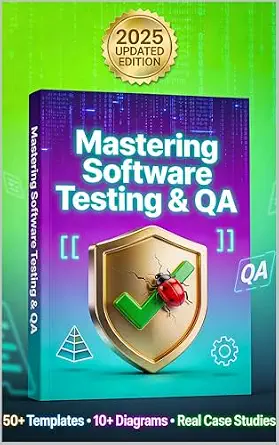 | Best for Practical QA and Manual Testing Skills | Focus: Manual testing and Agile QA | Audience: Beginners to experienced testers | Content Type: Practical guidance and strategies | VIEW LATEST PRICE | See Our Full Breakdown |
| AI-Assisted QA and Software Testing with Claude Code |  | Best for AI-Driven Automation Enthusiasts | AI Integration: Claude Code | Workflow Automation: Unit, integration, end-to-end | Ease of Use: Moderate; requires AI familiarity | VIEW LATEST PRICE | See Our Full Breakdown |
| AI for Quality Assurance and Software Testing: The Practitioner’s Complete Guide to AI-Powered Testing, Tools, and Transformation |  | Best for AI Enthusiasts and Advanced Testers | Scope: AI in QA and testing strategies | Content Focus: Methodologies, tools, transformation | Target Audience: Advanced practitioners and managers | VIEW LATEST PRICE | See Our Full Breakdown |
| Managing the Testing Process: Practical Tools and Techniques for Hardware and Software Testing |  | Best for Testing Management and Process Optimization | Focus: Testing process management | Applicable Environments: Hardware and software | Content Type: Tools and techniques | VIEW LATEST PRICE | See Our Full Breakdown |
| Full Stack Testing: A Practical Guide for Delivering High-Quality Software |  | Best Practical Guide for Full Stack Testing Strategies | Coverage: Testing methodologies, tools, and best practices | Audience: Developers and QA professionals | Application: Real-world testing strategies | VIEW LATEST PRICE | See Our Full Breakdown |
| Continuous Delivery: Reliable Software Releases through Build, Test, and Deployment Automation |  | Best for Automation and Release Reliability | Coverage: Build, test, and deployment automation | Audience: Development teams and DevOps practitioners | Focus: Automation workflows for continuous delivery | VIEW LATEST PRICE | See Our Full Breakdown |
| Full Stack Testing: A Practical Guide for Delivering High Quality Software in the Age of AI |  | Best for AI-Driven Full Stack Testing & QA | Coverage: Full stack testing in AI contexts | Audience: AI-focused QA and development teams | Focus: AI-driven testing techniques and tools | VIEW LATEST PRICE | See Our Full Breakdown |
More Details on Our Top Picks
Software Testing Unlocked – A Beginner’s Guide to QA & Automation
This book stands out for its structured, easy-to-follow approach tailored specifically for newcomers aiming to understand both manual testing and automation. Compared to All You Need to Know About Software Testing, which covers a broader spectrum including AI and APIs, this guide focuses more on foundational concepts, making it ideal for those just starting out. Its step-by-step methodology helps beginners grasp core testing principles early, but it lacks in-depth technical examples that advanced testers might seek. The practical career tips are valuable for job seekers, yet the basic content might feel too shallow for experienced QA professionals seeking advanced strategies.
Pros:- Clear, step-by-step guidance tailored for beginners
- Covers both manual testing and automation basics
- Provides practical tips for landing a QA role
Cons:- Lacks detailed technical examples or advanced content
- May be too basic for experienced testers looking for depth
Best for: Beginners seeking a clear, foundational introduction to QA and automation
Not ideal for: Experienced testers or automation engineers looking for advanced technical depth
- Target Audience:Beginners to QA and automation
- Content Focus:Manual testing, automation basics
- Coverage Level:Introductory
- Practical Tips:Yes
- Career Guidance:Included
- Technical Depth:Limited
Our verdict“This book is perfect for newcomers needing a straightforward, beginner-friendly overview of QA fundamentals.”
Hands-On Automated Testing with Playwright: Create Fast, Reliable, and Scalable Tests for Modern Web Apps with Microsoft’s Automation Framework
This guide excels at helping testers craft efficient, scalable tests specifically with Playwright, making it ideal for teams working on contemporary web applications. Unlike Software Testing Unlocked, which targets beginners, this book dives into practical automation techniques suitable for intermediate to advanced testers focused on speed and reliability. Its emphasis on creating scalable tests aligns well with modern CI/CD pipelines, but the absence of prerequisites or beginner-friendly explanations might challenge those new to automation frameworks. The dense content offers real value for those already familiar with testing basics but may overwhelm absolute beginners.
Pros:- Focused on creating fast, reliable, and scalable tests
- In-depth coverage of Playwright automation techniques
- Ideal for modern web app testing environments
Cons:- No specific prerequisites or beginner guidance
- Dense content may intimidate newcomers
Best for: Testers with some automation experience aiming to master Playwright for web testing
Not ideal for: Beginners or those unfamiliar with automation tools who need foundational knowledge first
- Focus Area:Web app automation with Playwright
- Skill Level:Intermediate to advanced
- Test Speed:High
- Scalability:Yes
- Framework Focus:Microsoft Playwright
- Content Density:High
Our verdict“This resource is best suited for testers with some automation background wanting to specialize in Playwright for scalable web testing.”
All You Need to Know About Software Testing: From Beginner to Job-Ready QA Engineer
This comprehensive guide covers an extensive range of testing areas, from manual methods to AI-assisted QA, making it suitable for those aiming to become well-rounded QA professionals. Unlike the more focused Software Testing Unlocked, which emphasizes beginner fundamentals, this book offers deeper insights into automation, APIs, and even emerging AI tools, preparing readers for diverse roles. However, its broad scope means some sections might be overwhelming for absolute beginners without prior experience, and technical details are sometimes glossed over. It balances practical knowledge with a wide-ranging curriculum, but those seeking concise, in-depth technical tutorials may find it lacking.
Pros:- Covers a wide spectrum of testing topics including automation and AI
- Prepares readers for multiple roles in QA
- Includes practical insights applicable in real-world scenarios
Cons:- Content can be dense and overwhelming for complete beginners
- Lacks detailed technical instructions on specific tools
Best for: Beginners and aspiring QA engineers wanting a broad, career-oriented knowledge base
Not ideal for: Experienced testers looking for advanced technical deep-dives or niche automation topics
- Topics Covered:Manual, automation, APIs, AI
- Target Audience:Beginners to aspiring QA engineers
- Content Scope:Wide-ranging
- Technical Depth:Moderate
- Practical Advice:Yes
- Pre-requisites:None specified
Our verdict“This book is ideal for aspiring QA professionals seeking a broad overview and practical career advice across testing domains.”
How Google Tests Software
This book offers valuable insights into Google’s testing methodologies, emphasizing best practices that can elevate any organization’s QA process. It’s particularly useful for professionals interested in high-level strategies rather than technical tool tutorials, setting it apart from more practical-oriented books like Manual Software Testing Pro. While it provides real-world testing strategies, it offers limited technical specifics or implementation details, which might leave practitioners wanting more actionable steps. The focus on process and strategy makes it a good read for managers and senior testers aiming to refine their testing philosophies.
Pros:- Provides practical testing strategies used at Google
- Focuses on high-level QA process improvements
- Suitable for experienced professionals seeking best practices
Cons:- Limited technical specifics or step-by-step guidance
- No detailed tool or automation framework coverage
Best for: Quality assurance managers and senior testers seeking to adopt industry-leading testing practices
Not ideal for: Entry-level testers or those looking for hands-on technical tutorials in automation
- Approach:Strategy and methodology
- Content Depth:High-level
- Target Audience:Senior testers, QA managers
- Practical Focus:Strategies over tools
- Content Type:Theoretical and strategic
- Technical Details:Limited
Our verdict“This book is best for QA leaders and experienced testers interested in high-level testing strategies rather than technical implementation details.”
Manual Software Testing Pro: A Practical Guide for Testers | Software Testing Strategies 2024 | API Testing Explained
This publication offers a pragmatic approach to testing, emphasizing API testing and adherence to international standards, making it a solid choice for those new to QA. Compared to Software Testing Unlocked, which is more introductory, this book dives into specific testing strategies relevant for 2024, including API testing, which is increasingly vital. Its emphasis on standards and practical methods makes it highly applicable for beginners seeking to build a solid foundation, though the absence of pricing and customer ratings may raise questions about its popularity or completeness. It’s a practical guide that balances strategy with real-world relevance.
Pros:- Comprehensive coverage of testing strategies for 2024
- Includes API testing and international standards
- Practical guidance tailored for beginners
Cons:- No pricing or customer ratings available
- Lacks advanced technical content for seasoned testers
Best for: Beginners who want actionable, standards-based testing guidance including API testing
Not ideal for: Experienced QA professionals or testers seeking advanced automation or tool-specific tutorials
- Focus Area:Manual testing, API testing
- Standards:International
- Target Audience:Beginners
- Content Focus:Practical strategies
- Relevance Year:2024
- Technical Content:Basic to intermediate
Our verdict“This book is well-suited for newcomers aiming to establish strong testing practices aligned with current standards and API testing needs.”
API Testing for Beginners: Using Postman and Rest Assured
This book stands out for its balanced approach, making it a strong choice for those starting in API testing who want a solid foundation with practical exercises. Unlike Manual Software Testing Pro, which focuses more on manual techniques, this resource emphasizes automation and framework development, giving readers a pathway toward more advanced skills. However, its content can feel dense for complete novices, and it lacks specific technical specs, which might be limiting for those wanting a quick reference. The inclusion of interview prep makes it particularly useful for aspiring testers looking to land roles in API testing. Overall, this book is ideal for learners aiming to bridge beginner knowledge with practical automation skills.
Pros:- Comprehensive coverage of API testing tools like Postman and Rest Assured
- Includes practical exercises and interview preparation materials
- Suitable for both beginners and more advanced testers
Cons:- No specific technical specifications provided, which may hinder quick referencing
- Content may be too advanced for absolute beginners without programming background
Best for: Aspiring API testers and QA professionals seeking a structured learning resource with hands-on exercises.
Not ideal for: Complete beginners with no prior programming knowledge or those preferring purely theoretical content.
- Focus:API testing with Postman and Rest Assured
- Content Level:Beginner to Advanced
- Includes:Practice questions, interview prep
- Framework Development:Yes
- Automation:Yes
- Coverage:API testing techniques and tools
Our verdict“This book works best for testers who want a practical, hands-on introduction to API automation and are comfortable with some technical complexity.”
Mastering Software Testing & QA: A Practical Guide to Manual Testing, Agile Quality, and Real-World Delivery
This guide offers a broad, real-world perspective on manual testing and agile QA practices, making it invaluable for those involved in delivery-focused environments. Compared with Managing the Testing Process, which leans more towards process management, this book dives into the tactical aspects of testing execution, providing actionable guidance for daily QA activities. While it excels in covering practical techniques applicable to many scenarios, it lacks specific edition details and pricing, which could be a drawback for budget-conscious readers. Its comprehensive scope makes it suitable for both beginners and seasoned testers looking to refine their manual and agile testing skills in real projects.
Pros:- Extensive coverage of manual testing and agile methodologies
- Practical guidance tailored for real-world delivery
- Suitable for both beginners and experienced testers
Cons:- No specific edition or publication details provided
- Lacks information on pricing or ratings
Best for: QA professionals and testers seeking a practical, hands-on approach to manual and agile testing methods.
Not ideal for: Testers primarily interested in automation or AI-driven testing, as those topics are not the focus here.
- Focus:Manual testing and Agile QA
- Audience:Beginners to experienced testers
- Content Type:Practical guidance and strategies
- Coverage:Real-world delivery techniques
- Approach:Hands-on and practical
- Methodologies:Agile, manual testing
Our verdict“This book is ideal for testers wanting practical, real-world guidance on manual and agile QA practices that can be applied immediately.”
AI-Assisted QA and Software Testing with Claude Code
This product excels in automating complex testing workflows using advanced AI, making it a compelling choice for teams looking to leverage artificial intelligence for QA processes. Unlike AI for Quality Assurance and Software Testing, which offers a comprehensive theoretical overview, this tool provides specific AI-powered automation capabilities that can significantly speed up testing cycles. However, it requires familiarity with AI tools and has limited compatibility details, which could pose hurdles for new users. The learning curve is notable, but for teams ready to adopt AI-driven testing, this solution offers notable efficiency gains.
Pros:- Automates complex testing workflows efficiently
- Utilizes advanced AI for higher accuracy and speed
- Streamlines testing processes, saving time
Cons:- Requires familiarity with AI tools, increasing onboarding time
- Limited information on system compatibility and integration
Best for: QA teams and developers experienced with AI tools seeking to automate advanced testing workflows.
Not ideal for: Traditional QA teams or those new to AI, as the setup and learning curve could be steep.
- AI Integration:Claude Code
- Workflow Automation:Unit, integration, end-to-end
- Ease of Use:Moderate; requires AI familiarity
- Compatibility:Limited info
- Learning Curve:Steep
- Efficiency Gains:High
Our verdict“This AI-powered testing tool suits teams ready to integrate AI into their QA pipelines for faster, more accurate testing cycles.”
AI for Quality Assurance and Software Testing: The Practitioner’s Complete Guide to AI-Powered Testing, Tools, and Transformation
This comprehensive guide is best suited for practitioners interested in understanding how AI is transforming QA, offering insights into AI-powered tools and methodologies. Compared with AI-Assisted QA and Software Testing with Claude Code, which is more focused on specific automation tools, this book provides a broader strategic overview, making it ideal for those considering an AI-driven transformation in their testing processes. Its lack of detailed product specs means it functions more as a conceptual guide. If you’re already familiar with basic AI concepts and want to explore the latest trends, this resource will deepen your understanding.
Pros:- In-depth coverage of AI in QA and testing
- Includes practical methodologies and tools
- Suitable for professionals leading AI-driven QA transformations
Cons:- No specific product features or technical specs
- Limited focus on implementation details, more strategic
Best for: Experienced QA professionals and managers exploring AI adoption strategies and tools.
Not ideal for: Beginners or testers seeking practical, hands-on automation tutorials without a strategic focus.
- Scope:AI in QA and testing strategies
- Content Focus:Methodologies, tools, transformation
- Target Audience:Advanced practitioners and managers
- Practicality:Conceptual, strategic
- Coverage:AI tools, methodologies, transformation
- Intended Use:Strategic planning and industry insights
Our verdict“This book appeals to experienced practitioners aiming to integrate AI into their QA strategies at a conceptual and strategic level.”
Managing the Testing Process: Practical Tools and Techniques for Hardware and Software Testing
This book provides valuable tools and techniques for overseeing testing projects across hardware and software environments. Unlike the technical depth of API Testing for Beginners, which focuses on specific testing methods, this resource emphasizes management strategies that improve overall testing efficiency and effectiveness. While it offers practical insights, it lacks detailed case studies, which might limit its applicability for those seeking real-world examples, and its technical language may be too dense for newcomers. It makes a strong case for QA managers or leads looking to refine their process workflows and testing oversight skills.
Pros:- Offers practical tools and techniques for testing management
- Applicable to both hardware and software testing environments
- Enhances skills in testing process oversight
Cons:- Lacks detailed real-world case studies for deeper insights
- May be too technical for beginners with limited experience
Best for: QA managers and project leads aiming to improve testing workflows and overall process management.
Not ideal for: Individual testers or beginners seeking hands-on technical training rather than management strategies.
- Focus:Testing process management
- Applicable Environments:Hardware and software
- Content Type:Tools and techniques
- Audience:QA managers and leads
- Depth:Process optimization
- Case Studies:Limited
Our verdict“This book suits QA leaders seeking to enhance their testing processes through effective management tools and techniques rather than hands-on testing tutorials.”
Full Stack Testing: A Practical Guide for Delivering High-Quality Software
This book stands out for its comprehensive coverage of full stack testing techniques, making it a valuable resource for both developers and QA professionals seeking practical guidance. Unlike more tool-focused resources like Hands-On Automated Testing with Playwright, it emphasizes testing methodologies and real-world application over specific automation frameworks. Its strength lies in bridging the gap between development and QA teams through actionable strategies. However, the lack of details on editions or author credibility could limit its authority for some readers. Overall, this pick is ideal for teams wanting a broad, practical understanding of full stack testing that integrates well with their development workflows.
Pros:- Comprehensive coverage of full stack testing techniques
- Practical guidance applicable to real-world projects
- Suitable for both developers and QA professionals
Cons:- Lacks details on edition or publication credibility
- No focus on specific automation tools or frameworks
Best for: QA teams and developers aiming to implement thorough full stack testing practices in their projects.
Not ideal for: Beginners seeking step-by-step tutorials or users looking for specific automation tool instructions.
- Coverage:Testing methodologies, tools, and best practices
- Audience:Developers and QA professionals
- Application:Real-world testing strategies
- Edition Details:Not specified
- Practicality:High
- Focus:Full stack applications
Our verdict“This book is a solid choice for teams seeking a broad, practical approach to testing full stack applications across diverse environments.”
Continuous Delivery: Reliable Software Releases through Build, Test, and Deployment Automation
This book is ideal for teams focused on automating their software build, test, and deployment pipelines, akin to the detailed workflows discussed in Full Stack Testing. Unlike the AI-focused Full Stack Testing: A Practical Guide for Delivering High Quality Software in the Age of AI, it emphasizes automation practices that ensure reliable, frequent releases. The guidance is highly practical but may be overwhelming for beginners unfamiliar with continuous integration concepts. It’s best suited for development teams looking to embed automation deeply into their release cycles, rather than QA professionals seeking testing techniques alone. Its focus on process over tools means it’s less helpful for those wanting ready-made solutions.
Pros:- Comprehensive coverage of continuous delivery practices
- Practical guidance on automation workflows
- Focus on reliable, frequent releases
Cons:- May be too technical for beginners
- Focuses on processes rather than specific testing tools
Best for: Development teams implementing or refining continuous delivery pipelines, especially those with automation experience.
Not ideal for: Beginners or QA specialists seeking specific testing tools or frameworks without automation process emphasis.
- Coverage:Build, test, and deployment automation
- Audience:Development teams and DevOps practitioners
- Focus:Automation workflows for continuous delivery
- Difficulty:Intermediate to advanced
- Application:Frequent, reliable software releases
- Practicality:High
Our verdict“This book is well-suited for automation-driven teams prioritizing reliable and rapid software release cycles.”
Full Stack Testing: A Practical Guide for Delivering High Quality Software in the Age of AI
This title distinguishes itself by integrating AI considerations into full stack testing strategies, making it ideal for teams working within AI-driven development environments. Unlike the more general Full Stack Testing: A Practical Guide for Delivering High-Quality Software, it emphasizes quality assurance in the context of AI, including tools and techniques tailored for intelligent systems. While it offers broad coverage, its lack of specific details on editions or target audience level may leave some readers uncertain about its depth. It’s best suited for organizations adopting AI technologies and seeking to incorporate testing practices aligned with modern AI workflows.
Pros:- Extensive coverage of full stack testing in AI environments
- Focus on modern AI-driven development and QA
- Practical strategies for quality assurance in AI applications
Cons:- Lacks details on editions or author credentials
- Unclear target audience level for some readers
Best for: QA professionals and developers working with AI-enabled applications who need tailored testing guidance.
Not ideal for: Teams focused solely on traditional development without AI integration, due to its specific AI emphasis.
- Coverage:Full stack testing in AI contexts
- Audience:AI-focused QA and development teams
- Focus:AI-driven testing techniques and tools
- Edition Details:Not specified
- Application:Quality assurance in AI systems
- Practicality:High
Our verdict“This book is perfect for teams integrating AI into their full stack applications and needing specialized testing approaches.”

How We Picked
These products were evaluated based on their performance, ease of use, versatility, and value for different types of QA teams. We prioritized tools that demonstrate reliable automation, support for modern development workflows, and scalability. The ranking also considers user feedback, the breadth of testing capabilities, and how well each tool balances complexity with accessibility. Our goal was to identify options suitable for beginners, experienced testers, and enterprise teams alike, highlighting where tradeoffs between cost and features exist, and why some tools excel in specific testing niches.Factors to Consider When Choosing Software Testing Tools For QA
When selecting software testing tools for QA, understanding your team’s needs and project scope is essential. The right tool can streamline workflows, improve test coverage, and reduce bugs, but choosing poorly can lead to wasted resources and frustration. Consider the following factors to make an informed decision that aligns with your goals.Testing Scope and Type
Evaluate whether you need tools for automation, manual testing, API testing, or a combination. Some tools excel in automating repetitive tasks, while others focus on detailed manual testing. The scope influences whether you should prioritize features like scripting, integrations, or ease of use. Misjudging your needs here can lead to buying overly complex tools or underpowered solutions that don’t support your testing strategy.
Ease of Use and Learning Curve
Consider the skill level of your team. Beginners may prefer guided workflows or visual interfaces, while experienced testers might value scripting flexibility and customization. Investing in a tool with a steep learning curve without sufficient training can slow down your projects. Conversely, overly simplified tools may lack the depth needed for complex testing scenarios.
Integration and Compatibility
Ensure the tool integrates smoothly with your existing development environment, CI/CD pipelines, and issue trackers. Compatibility issues can cause bottlenecks, reducing overall productivity. Choosing a tool that fits seamlessly into your workflow minimizes disruptions and maximizes automation benefits.
Cost and Licensing
Pricing models vary widely—from one-time licenses to subscription plans—and should match your budget and scale. While premium tools often offer richer features, they may be unnecessary for small teams or projects. Conversely, cutting corners on cost can limit capabilities or lead to hidden expenses such as training or additional integrations.
Support and Community
Reliable support and an active user community can significantly reduce downtime and troubleshooting time. Tools with extensive documentation, tutorials, and community forums are easier to adopt and maintain. Neglecting this aspect might leave you stranded when encountering issues or seeking enhancements.
Frequently Asked Questions
How do I choose between automated and manual testing tools?
Deciding between automated and manual testing tools depends on your project needs. Automation is ideal for repetitive, regression, and large-scale testing, providing faster feedback and consistency. Manual testing remains valuable for exploratory testing, usability assessments, and scenarios where human judgment is essential. Many teams benefit from a hybrid approach, using automation for routine checks while reserving manual testing for nuanced issues. The key is matching the tool’s strengths to your specific testing goals.
What should I consider when evaluating AI-powered testing tools?
AI-powered testing tools promise intelligent insights and automation enhancements but often come at higher costs and complexity. Consider your team’s technical expertise and whether the AI features align with your testing needs. Ensure the AI capabilities genuinely improve efficiency rather than adding unnecessary layers of complexity. Additionally, evaluate the level of support and training required to effectively leverage these tools, and whether they integrate well with your existing systems.
Are free testing tools sufficient for enterprise-level QA?
Free testing tools can be effective for small teams or initial project phases, but they often lack the advanced features and scalability needed for enterprise environments. Larger organizations typically require robust support, integration, and automation capabilities that paid solutions provide. Relying solely on free tools might lead to limitations in test coverage, reporting, and maintenance, which can hinder quality assurance at scale. Carefully assess whether the free options meet your long-term needs before fully committing.
How important is integration with CI/CD pipelines when choosing testing tools?
Integration with CI/CD pipelines is critical for modern QA workflows, enabling continuous testing, rapid feedback, and automation of deployment processes. Tools that seamlessly connect with your CI/CD environment reduce manual effort and improve reliability. Lack of integration can cause delays, inconsistent test results, and increased manual overhead. Prioritize tools with built-in support or easy integration options to streamline your testing within automated build and deployment cycles.
Should I prioritize features over usability when selecting a testing tool?
Balancing features and usability is vital. While comprehensive features are appealing, a tool that’s difficult to learn or operate can slow down your team and reduce productivity. Conversely, an extremely user-friendly tool might lack advanced capabilities needed for complex testing scenarios. Consider your team’s skill level and project requirements to find a solution that offers the right mix—robust enough for your needs but accessible enough to encourage widespread adoption.
Conclusion
For teams seeking the best all-around performance, Playwright stands out as the top choice due to its automation capabilities and scalability. Beginners or teams new to QA should consider Software Testing Unlocked for its comprehensive guidance and ease of learning. Larger organizations with advanced needs might lean toward premium options with deep integrations and AI features, like Claude Code. Budget-conscious teams can find solid value in more straightforward, cost-effective solutions, but should be mindful of feature limitations. Ultimately, your choice depends on your team’s size, expertise, and specific testing demands—use this guide to find the best fit for your QA journey.
Halloween Picks
halloween
As an affiliate, we earn on qualifying purchases.