

In the fast-evolving landscape of software development, productivity tools are essential for maintaining a competitive edge. The best options streamline workflows, enhance collaboration, and automate repetitive tasks. Platform engineering essentials stand out for building internal developer platforms, while AI-powered coding tools like GitHub Copilot boost coding speed and accuracy. However, choosing the right tools involves balancing features against complexity and cost. Continue reading to explore a curated list of the most impactful developer productivity tools in 2026.

Get business pricing on monitors, keyboards and dev gear
- Business-only prices and quantity discounts
- Tax-exempt purchasing
- Multiple users, one account, clear invoices
Key Takeaways
- AI-assisted coding tools like GitHub Copilot and Claude Code 2.0 lead to significant speed improvements but vary in integration complexity.
- Internal developer platforms are increasingly vital for large teams, but require substantial setup and maintenance investment.
- The best tools balance automation with user control, avoiding overwhelming users with unnecessary features.
- Compatibility with existing workflows and platforms remains a key consideration, especially for teams heavily invested in GitHub or GitLab.
- Pricing and scalability are crucial — some tools offer premium features at high costs, which may not suit smaller teams or startups.
| Platform Engineering Essentials: Building Internal Developer Platforms for High Productivity |  | Best for Strategic Platform Architects | Focus Area: Internal Developer Platforms | Target Audience: Platform Engineers, Tech Leads | Content Type: Strategic, Best Practices | VIEW LATEST PRICE | See Our Full Breakdown |
| PyCharm Coding Excellence: A Step-by-Step Guide to Writing, Debugging, and Managing Python Projects |  | Best for Python Beginners and Junior Developers | Intended Audience: Beginners, Junior Developers | Content Focus: Writing, Debugging, Managing Python Projects | Difficulty Level: Beginner | VIEW LATEST PRICE | See Our Full Breakdown |
| Git, GitHub, and CI/CD: The Professional Developer’s Handbook | 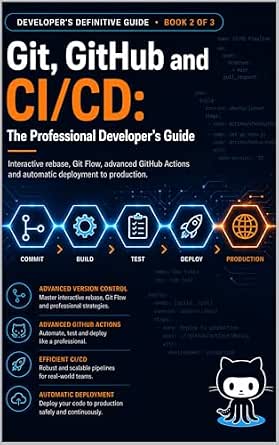 | Best for Experienced Developers and DevOps Teams | Technical Focus: Advanced Git, CI/CD, Automation | Target Audience: Experienced Developers, DevOps Teams | Content Depth: Deep Technical | VIEW LATEST PRICE | See Our Full Breakdown |
| Rethinking Productivity in Software Engineering |  | Best for Thought Leaders and Process Innovators | Focus Area: Software Engineering Productivity | Target Audience: Team Leaders, Managers, Thought Leaders | Content Type: Concepts and Strategies | VIEW LATEST PRICE | See Our Full Breakdown |
| Git: Project Management for Developers and DevOps – A Hands-on Guide to Version Control, Workflow Management, and Using GitHub, GitLab, and Alternative Git Platforms |  | Best for Hands-on DevOps Teams and Project Managers | Focus Area: Git, Project Management, Workflow | Target Audience: Developers, DevOps Teams | Content Type: Hands-on Tutorials | VIEW LATEST PRICE | See Our Full Breakdown |
| Generative AI Workflows and Practical Automation: Mastering ChatGPT, Claude, and Modern AI Tools for Maximum Productivity |  | Best for AI-Driven Workflow Optimization | Coverage: AI workflows, ChatGPT, Claude, automation | VIEW LATEST PRICE | See Our Full Breakdown | ||
| Visual Studio Code User Guide for Beginners 2026 |  | Best for Beginners Learning VS Code | Target audience: Beginners, new VS Code users | Coverage: Project setup, code editing, testing, version control | VIEW LATEST PRICE | See Our Full Breakdown | |
| AI Coding with VS Code: Build Full-Stack Apps Faster Using GitHub Copilot, Agentic Workflows, Custom AI Assistants, and Prompt Engineering |  | Best for Developers Using AI to Accelerate Full-Stack Development | Focus: AI-assisted coding, full-stack apps, prompt engineering | Tools covered: GitHub Copilot, AI assistants, agentic workflows | VIEW LATEST PRICE | See Our Full Breakdown | |
| GitHub Copilot for Modern Developers: Boosting Productivity with AI-Assisted Coding, Testing, Documentation, and DevOps |  | Best for Developers Using GitHub Copilot | Coverage: AI-assisted coding, testing, documentation, DevOps | Tools: GitHub Copilot | VIEW LATEST PRICE | See Our Full Breakdown | |
| OpenCode Crash Course: A Practical Guide to AI-Assisted Coding with Agents, Skills, MCP Servers, and Free AI Models |  | Best for Hands-On AI-Assisted Coding Beginners | Focus: AI-assisted coding, agents, skills, MCP servers | Models: Free AI models | VIEW LATEST PRICE | See Our Full Breakdown | |
| Claude Code 2.0 for Developers: Automate Your Coding, Debugging, and Documentation with AI-Driven Tools for Maximum Efficiency |  | Best Overall for AI-Enhanced Development Automation | AI Integration: AI-powered automation for coding, debugging, documentation | Support: Supports multiple programming languages | Workflow Automation: Automates repetitive development tasks | VIEW LATEST PRICE | See Our Full Breakdown |
| 10x Developer: Boosting Coding Productivity with AI Agents |  | Best for Advanced Developers Seeking Strategic AI Use | Focus: Strategic AI integration in software development | Audience: Experienced developers and tech leaders | Content Type: Strategies, insights, and advanced concepts | VIEW LATEST PRICE | See Our Full Breakdown |
| AI-Powered Developer: Build Great Software with ChatGPT and Copilot |  | Best Practical Guide for Using AI Tools like ChatGPT and Copilot | Tools Covered: ChatGPT, Copilot | Focus: Practical AI integration in coding workflows | Audience: Developers and teams adopting AI tools | VIEW LATEST PRICE | See Our Full Breakdown |
More Details on Our Top Picks
Platform Engineering Essentials: Building Internal Developer Platforms for High Productivity
This book stands out for its focus on creating internal developer platforms that significantly boost team productivity. Unlike more tactical guides like Git, GitHub, and CI/CD, which emphasize workflow automation, this resource offers strategic insights into designing scalable, efficient platforms tailored to large organizations. The strength lies in its practical strategies for improving developer experience through better tooling and infrastructure. However, it lacks detailed technical specifications or case studies, which might leave some readers wanting concrete implementation examples. This pick is ideal for senior engineers and platform teams aiming to overhaul their internal tools for long-term gains.
Pros:- Provides practical strategies for platform engineering
- Focuses on aligning platform design with developer productivity goals
- Emphasizes scalable, maintainable solutions
Cons:- Lacks detailed technical specifications or case studies
- Content may be too abstract for those seeking quick wins
Best for: Senior platform engineers and team leads responsible for internal developer infrastructure
Not ideal for: Individual developers or small teams seeking quick, tactical productivity tips
- Focus Area:Internal Developer Platforms
- Target Audience:Platform Engineers, Tech Leads
- Content Type:Strategic, Best Practices
- Application Scope:Large-scale Organizations
- Technical Detail:High-level Architecture
- Approach:Design and Implementation Strategies
Our verdict“This book offers strategic guidance perfect for teams building or refining internal developer platforms to maximize productivity and efficiency.”
PyCharm Coding Excellence: A Step-by-Step Guide to Writing, Debugging, and Managing Python Projects
This guide makes a compelling case for beginners learning Python with PyCharm, offering clear, step-by-step instructions that emphasize practical skills in coding, debugging, and project management. Compared with Git, GitHub, and CI/CD, which targets experienced developers, this book prioritizes foundational knowledge and ease of learning. Its focus on practical exercises helps new programmers gain confidence quickly, but it might be less useful for seasoned developers seeking advanced debugging techniques or optimization strategies. This book is best suited for those just starting their Python journey or teams onboarding junior developers.
Pros:- Clear, beginner-friendly instructions
- Focuses on practical skills like debugging and project management
- Helps accelerate onboarding for new Python developers
Cons:- Limited content for advanced Python users
- No detailed technical specifications or advanced topics
Best for: Beginner Python developers or teams training new members
Not ideal for: Experienced Python developers or those seeking advanced deployment strategies
- Intended Audience:Beginners, Junior Developers
- Content Focus:Writing, Debugging, Managing Python Projects
- Difficulty Level:Beginner
- Platform Focus:PyCharm
- Practical Exercises:Yes
- Coverage Scope:Fundamentals
Our verdict“This guide provides accessible, step-by-step Python development training ideal for beginners and teams onboarding junior developers.”
Git, GitHub, and CI/CD: The Professional Developer’s Handbook
This book stands out through its in-depth exploration of advanced Git techniques, CI/CD pipelines, and automation, making it a vital resource for seasoned developers. Unlike Git: Project Management for Developers and DevOps, which offers practical guidance, this title dives into complex workflows like interactive rebase and Git Flow, perfect for streamlining large-scale projects. The main tradeoff is its steep learning curve—beginners may find it overwhelming. This guide is best suited for experienced programmers seeking to elevate their version control and deployment automation skills.
Pros:- In-depth coverage of advanced Git and CI/CD techniques
- Includes practical examples of automation and deployment
- Suitable for scaling DevOps practices
Cons:- Too complex for novices
- No introductory content or beginner-friendly explanations
Best for: Professional developers and DevOps practitioners aiming to master complex Git workflows
Not ideal for: Beginners or developers looking for a basic introduction to version control
- Technical Focus:Advanced Git, CI/CD, Automation
- Target Audience:Experienced Developers, DevOps Teams
- Content Depth:Deep Technical
- Workflow Coverage:Git Rebase, Flow, CI/CD Pipelines
- Practical Examples:Yes
- Prerequisites:Intermediate to Advanced Git Knowledge
Our verdict“This comprehensive guide is ideal for experienced developers and DevOps teams looking to automate and optimize their workflows with advanced Git and CI/CD strategies.”
Rethinking Productivity in Software Engineering
This book offers fresh perspectives on improving software engineering productivity through innovative methodologies and new strategies. In contrast to Platform Engineering Essentials, which emphasizes infrastructure setup, this work explores overarching principles and team-level practices that drive efficiency. Its strength lies in provoking new ways of thinking about productivity, but it falls short on providing detailed case studies or concrete implementation steps, which could limit immediate practical application. This pick is perfect for managers and thought leaders seeking to rethink and reshape their development processes.
Pros:- Provides novel insights into engineering productivity
- Encourages strategic thinking and team-level improvements
- Practical strategies for organizational change
Cons:- Lacks detailed case studies or real-world examples
- May be too theoretical for immediate implementation
Not ideal for: Developers seeking step-by-step technical guides or specific tooling advice
- Focus Area:Software Engineering Productivity
- Target Audience:Team Leaders, Managers, Thought Leaders
- Content Type:Concepts and Strategies
- Level of Detail:High-level, Theoretical
- Application Scope:Organizational and Team Processes
- Practical Tips:Some, but not detailed
Our verdict“This book is suited for managers and innovators aiming to reconsider and improve software development efficiency at a strategic level.”
Git: Project Management for Developers and DevOps – A Hands-on Guide to Version Control, Workflow Management, and Using GitHub, GitLab, and Alternative Git Platforms
This book excels in offering a practical, hands-on approach to using Git for project management and workflow orchestration, making it especially useful compared to the more conceptual Rethinking Productivity in Software Engineering. While Git, GitHub, and CI/CD emphasizes advanced techniques, this guide covers the day-to-day operational aspects of version control and collaboration platforms like GitHub and GitLab. Its detailed tutorials and real-world examples make it accessible for developers and DevOps teams aiming to improve their project workflows. However, its technical depth might overwhelm complete beginners. This pick best suits practitioners who want actionable, platform-specific advice for managing projects effectively.
Pros:- Comprehensive coverage of Git and collaboration tools
- Practical, hands-on tutorials
- Suitable for DevOps teams and developers managing complex projects
Cons:- Could be too technical for complete novices
- Lacks broad strategic or organizational context
Best for: DevOps professionals and project managers seeking practical Git and platform workflow guidance
Not ideal for: Absolute beginners or those seeking high-level strategic frameworks
- Focus Area:Git, Project Management, Workflow
- Target Audience:Developers, DevOps Teams
- Content Type:Hands-on Tutorials
- Platforms Covered:GitHub, GitLab, Others
- Difficulty Level:Intermediate to Advanced
- Practical Approach:Yes
Our verdict“This guide offers actionable techniques for managing development projects and workflows with Git and related platforms, ideal for practitioners needing practical expertise.”
Generative AI Workflows and Practical Automation: Mastering ChatGPT, Claude, and Modern AI Tools for Maximum Productivity
This book stands out for providing a broad overview of leveraging generative AI tools like ChatGPT and Claude to streamline tasks, making it ideal for teams aiming to incorporate AI into their routines. Compared with AI Coding with VS Code, it lacks detailed technical instructions or real-world case studies, which may limit hands-on applicability. It excels in offering practical guidance on AI workflows but falls short on specific implementation scenarios, making it suitable for those starting to explore AI automation rather than advanced practitioners. Tradeoffs include less technical depth and fewer concrete examples, but it compensates with comprehensive coverage of AI applications for productivity.
Pros:- Comprehensive overview of modern AI tools and workflows
- Practical guidance for integrating AI into productivity routines
- Includes coverage of the latest AI applications
Cons:- Lacks detailed technical instructions for implementation
- No specific real-world examples or case studies provided
Best for: Product managers, team leads, or developers interested in understanding high-level AI workflow strategies to enhance productivity in their teams.
Not ideal for: Developers seeking detailed technical instructions or hands-on case studies for implementing AI workflows in coding projects.
- Coverage:AI workflows, ChatGPT, Claude, automation
Our verdict“This book is ideal for those seeking an accessible overview of AI workflows to boost team productivity, but less so for hands-on technical guidance.”
Visual Studio Code User Guide for Beginners 2026
This guide makes the most sense for new developers or those transitioning to VS Code, offering a thorough introduction to project setup, code editing, testing, and version control. Compared with AI Coding with VS Code, it emphasizes foundational skills over AI-assisted workflows, making it more suitable for absolute beginners. While it covers modern development workflows, its lack of detailed examples and updates may leave more experienced users wanting deeper content. Tradeoffs include simplicity and limited depth, but it provides a solid starting point for new users aiming for quick proficiency.
Pros:- Excellent coverage of core VS Code features
- Ideal for beginners with clear, step-by-step instructions
- Includes modern development workflow concepts
Cons:- Lacks detailed or advanced examples
- No updates or editions information
Best for: Beginners or developers new to VS Code who need a comprehensive, easy-to-follow introduction.
Not ideal for: Experienced developers or those seeking advanced workflows, as the content may be too basic and lacks depth.
- Target audience:Beginners, new VS Code users
- Coverage:Project setup, code editing, testing, version control
Our verdict“This guide suits new users eager to build foundational skills in VS Code, but it isn’t designed for seasoned developers seeking advanced insights.”
AI Coding with VS Code: Build Full-Stack Apps Faster Using GitHub Copilot, Agentic Workflows, Custom AI Assistants, and Prompt Engineering
This book makes the most sense for developers already familiar with coding, looking to incorporate AI tools like GitHub Copilot and custom AI assistants into their workflow. Unlike OpenCode Crash Course, which offers step-by-step guidance on AI integration, this title emphasizes practical techniques for accelerating app development, including prompt engineering and agentic workflows. While it provides comprehensive guidance on modern AI-assisted coding, it requires prior knowledge of AI concepts and coding, making it less suitable for complete beginners. Tradeoffs include a steeper learning curve and less basic explanation, but it offers valuable insights for experienced developers eager to optimize productivity with AI.
Pros:- In-depth guidance on AI-assisted full-stack development
- Includes practical workflows and prompt engineering techniques
- Focuses on modern AI tools like GitHub Copilot and custom AI assistants
Cons:- Requires prior experience with coding and AI concepts
- No detailed code examples or pricing info provided
Best for: Developers with intermediate to advanced coding skills who want to enhance productivity with AI-powered tools in full-stack projects.
Not ideal for: Beginners or those unfamiliar with AI concepts, as the content assumes prior knowledge and may be too technical.
- Focus:AI-assisted coding, full-stack apps, prompt engineering
- Tools covered:GitHub Copilot, AI assistants, agentic workflows
Our verdict“This book is perfect for developers ready to leverage AI for faster full-stack development, but not for complete newcomers.”
GitHub Copilot for Modern Developers: Boosting Productivity with AI-Assisted Coding, Testing, Documentation, and DevOps
This book makes the most sense for developers actively using or planning to adopt GitHub Copilot, as it covers a wide spectrum of productivity tasks, including coding, testing, documentation, and DevOps. Compared with AI Coding with VS Code, it offers a broader scope focused on GitHub Copilot’s capabilities, but it lacks detailed technical examples or code snippets, which might limit practical implementation. It’s especially useful for those seeking strategic guidance on integrating Copilot into daily workflows, though less relevant for developers not invested in GitHub’s ecosystem. Tradeoffs include less technical depth but a strong emphasis on maximizing AI-assisted productivity across development stages.
Pros:- Comprehensive guidance on using Copilot effectively
- Covers multiple development tasks, including testing and documentation
- Useful for implementing AI into modern DevOps workflows
Cons:- Lacks detailed code examples or technical specifics
- Less relevant for developers outside the GitHub ecosystem
Best for: Developers committed to using GitHub Copilot to streamline coding, testing, and DevOps tasks.
Not ideal for: Developers not using GitHub Copilot or those looking for in-depth technical tutorials with code examples.
- Coverage:AI-assisted coding, testing, documentation, DevOps
- Tools:GitHub Copilot
Our verdict“This book offers valuable strategic insights for maximizing GitHub Copilot’s potential, but less so for those seeking detailed technical tutorials.”
OpenCode Crash Course: A Practical Guide to AI-Assisted Coding with Agents, Skills, MCP Servers, and Free AI Models
This book makes the most sense for developers interested in practical, step-by-step guidance on AI-assisted coding using agents and free AI models, especially those new to AI integration. Unlike Generative AI Workflows, which focuses on high-level strategies, this guide provides detailed instructions and examples suitable for beginners. While it offers a thorough introduction, it doesn’t delve into technical specifications or advanced customization, which might limit its usefulness for more experienced users seeking depth. Tradeoffs include less technical depth but strong practical orientation for newcomers eager to start coding with AI tools effectively.
Pros:- Practical, step-by-step instructions for AI integration
- Includes real examples and practical use cases
- Covers agents, skills, MCP servers, and free AI models
Cons:- Lacks detailed technical specifications or customization options
- No customer ratings or reviews available
Best for: Developers new to AI-assisted coding, looking for practical, easy-to-follow instructions on integrating AI models into workflows.
Not ideal for: Experienced developers seeking in-depth technical specifications or advanced AI customization.
- Focus:AI-assisted coding, agents, skills, MCP servers
- Models:Free AI models
Our verdict“This crash course is ideal for beginners eager to learn and implement AI-assisted coding in a straightforward way, but less suited for advanced users needing technical depth.”
Claude Code 2.0 for Developers: Automate Your Coding, Debugging, and Documentation with AI-Driven Tools for Maximum Efficiency
Claude Code 2.0 stands out as a comprehensive AI-powered assistant designed to automate core development tasks such as coding, debugging, and documentation. Unlike traditional IDE plugins, it leverages advanced AI to handle repetitive workflows, reducing manual effort and speeding up project cycles. While it offers powerful automation, the lack of detailed technical specs and a potential learning curve for new users mean it may require upfront investment. Compared with tools like AI-Powered Developer, Claude Code provides more integrated automation, but it might be less flexible for those who prefer customizable workflows. This pick makes the most sense for teams seeking to significantly cut down routine tasks and boost overall efficiency, even if they need to dedicate time to mastering the interface.
Pros:- Automates core development tasks like coding, debugging, and documentation
- AI-driven tools significantly enhance productivity
- Supports streamlining complex workflows
Cons:- No detailed specifications provided, limiting integration insights
- Potential learning curve for new users unfamiliar with AI tools
Best for: Development teams and solo programmers looking to automate coding, debugging, and documentation to accelerate project timelines.
Not ideal for: Developers who prefer highly customizable workflows or require in-depth technical specifications to integrate with existing tools.
- AI Integration:AI-powered automation for coding, debugging, documentation
- Support:Supports multiple programming languages
- Workflow Automation:Automates repetitive development tasks
- User Interface:Intuitive, but with a learning curve
- Compatibility:Integrates with popular IDEs
- Support & Updates:Regular AI model improvements
Our verdict“This tool is best suited for developers wanting to leverage AI to automate routine tasks and improve overall coding speed.”
10x Developer: Boosting Coding Productivity with AI Agents
This book makes a compelling case for how AI agents can dramatically increase coding efficiency, especially for experienced developers aiming to optimize workflows. Unlike AI-Powered Developer, which focuses on practical tool usage, this guide emphasizes strategic integration of AI into daily development routines. Its insights are particularly valuable for those who already understand the basics of AI tools but want to maximize their impact. However, the book lacks detailed technical examples, which might leave beginners feeling overwhelmed. For developers comfortable with advanced concepts, it offers valuable strategies to leverage AI, but those new to AI should seek more foundational resources first.
Pros:- Provides practical, strategic approaches to using AI agents in development
- Enhances productivity through optimized workflows
- Insightful for tech professionals aiming for high-impact AI adoption
Cons:- Lacks detailed technical examples, limiting hands-on application
- Potentially too complex for beginners new to AI
Best for: Experienced developers and tech leads looking to implement AI strategies for boosting productivity at a strategic level.
Not ideal for: Beginners or developers unfamiliar with AI concepts, as the content may be too advanced without prior knowledge.
- Focus:Strategic AI integration in software development
- Audience:Experienced developers and tech leaders
- Content Type:Strategies, insights, and advanced concepts
- Practical Application:Limited technical step-by-step guidance
- Coverage:AI agents in coding workflows
- Difficulty:Advanced
Our verdict“This book is ideal for seasoned developers seeking to understand and implement AI-driven strategies to maximize coding efficiency.”
AI-Powered Developer: Build Great Software with ChatGPT and Copilot
This book offers clear guidance on integrating AI tools such as ChatGPT and Copilot into daily development routines, making it a practical resource for improving coding productivity. While it covers popular tools effectively, it lacks detailed technical examples, especially for more complex integrations, which could limit its usefulness for advanced users. Compared to Claude Code 2.0, which automates tasks directly, this book focuses on how developers can leverage existing AI assistants more effectively. It’s particularly suited for teams interested in enhancing their workflows with AI, though those seeking comprehensive technical deep-dives might find it somewhat superficial. Still, for quick wins and practical AI adoption, it provides valuable insights.
Pros:- Provides practical guidance on using AI tools like ChatGPT and Copilot
- Helps improve coding productivity with real-world tips
- Covers popular AI coding assistants thoroughly
Cons:- Lacks detailed technical examples for complex implementations
- May be outdated as AI tools evolve rapidly
Best for: Developers and teams eager to incorporate ChatGPT and Copilot into their workflow to boost productivity through practical guidance.
Not ideal for: Developers seeking detailed technical examples or advanced AI integration strategies beyond basic use cases.
- Tools Covered:ChatGPT, Copilot
- Focus:Practical AI integration in coding workflows
- Audience:Developers and teams adopting AI tools
- Technical Depth:Basic to intermediate guidance
- Update Frequency:Potentially outdated as AI evolves
- Coverage:Workflow optimization and productivity tips
Our verdict“This book is well-suited for developers looking for straightforward advice on maximizing AI tools like ChatGPT and Copilot for daily coding tasks.”

How We Picked
To determine the best developer productivity tools, I focused on factors that directly impact a developer’s workflow: ease of integration, feature set, automation capabilities, and usability. I evaluated each product for its ability to improve coding speed, facilitate collaboration, and support common development tasks. I also considered build quality, ongoing support, and value for money. The rankings reflect a combination of functionality, flexibility, and the potential to scale across diverse team sizes and project types. Tradeoffs like complexity versus power, and cost versus features, also played a key role in the evaluation process.Factors to Consider When Choosing Developer Productivity Tools
Choosing the right developer productivity tools depends on your team’s specific needs, existing workflows, and future growth plans. It’s important to consider not just current features, but how well a tool integrates with your development environment and scales over time. Investing in overly complex tools without proper onboarding can backfire, leading to wasted time and frustration. Conversely, overly simplistic tools might not provide enough automation to justify their cost. Carefully balancing these factors ensures you select tools that genuinely enhance productivity without adding unnecessary complexity.Compatibility with Existing Workflows
Many teams rely heavily on specific platforms like GitHub, GitLab, or Bitbucket. Selecting tools that seamlessly integrate with these platforms minimizes disruption and speeds up deployment. Compatibility also extends to programming languages, IDEs, and CI/CD pipelines. A mismatch can lead to fragmented workflows or duplicated effort, reducing overall productivity. Prioritize tools that fit naturally into your current stack to maximize adoption and effectiveness.
Automation Capabilities and AI Support
Automation is the core of modern productivity tools, especially those leveraging AI. Look for features like code completion, bug detection, or automated testing that save time and reduce errors. However, excessive automation can sometimes obscure control, making it harder to understand what’s happening under the hood. Balance AI support with transparency to ensure developers retain confidence and oversight in their work.
Ease of Use and Learning Curve
Tools that are overly complex can slow down even the most seasoned developers. A straightforward, intuitive interface accelerates onboarding and daily use. Consider the level of documentation, community support, and how well the tool adapts to different skill levels. For teams with diverse experience, opting for simpler tools with optional advanced features is often more effective than immediately deploying complex systems that require extensive training.
Scalability and Cost
Startups and small teams often prioritize affordable, easy-to-adopt solutions, while larger organizations might justify higher investments for enterprise-grade features. Scalability involves not just handling more users but also expanding automation, integrations, and support. Carefully evaluate whether the tool’s pricing model aligns with your growth trajectory. High upfront costs should be weighed against long-term productivity gains.
Support and Community
Active support channels, regular updates, and a vibrant user community can significantly reduce downtime and troubleshooting time. Open-source or well-established commercial tools often provide richer support ecosystems. Consider the vendor’s reputation, update frequency, and available resources for onboarding and troubleshooting. Strong community backing can also lead to third-party plugins and integrations that extend functionality.
Frequently Asked Questions
How do I choose between AI coding assistants and traditional IDE plugins?
AI coding assistants offer automation and suggestions that can accelerate coding but may require adjustments to your workflow and an understanding of their limitations. Traditional IDE plugins tend to focus on specific functionalities like linting or formatting, which are more predictable but less transformative. If rapid prototyping or reducing repetitive work is a priority, AI assistants provide a clear advantage. However, for stability and control, traditional plugins might be more suitable, especially in sensitive or compliance-heavy projects.
Are internal developer platforms worth the investment for small teams?
For smaller teams, internal developer platforms can sometimes be overkill, requiring substantial setup and maintenance. They excel in large organizations with complex, multi-team environments where consistency and automation dramatically improve efficiency. If your team is growing quickly or managing multiple projects, investing in a platform can pay off by reducing onboarding time and standardizing workflows. Otherwise, simpler, off-the-shelf tools may deliver quicker wins without the overhead.
What should I prioritize when selecting automation features?
Prioritize automation that directly reduces repetitive manual tasks, such as code formatting, testing, or deployment. Features that improve code quality, like static analysis or bug detection, also offer high value. Avoid tools that promise too many automated actions without clear control, as this can lead to misunderstandings or overlooked issues. The best automation strikes a balance—enhancing speed while maintaining transparency and developer oversight.
How do I evaluate the long-term value of a developer productivity tool?
Assess whether the tool can adapt to your evolving workflows and scales with your team. Consider its update cycle, community support, and vendor reputation to gauge longevity. The real value lies in how much it reduces time spent on mundane tasks and whether it enables developers to focus on higher-value work. Cost savings are important, but the productivity gains and ease of adoption often determine the true long-term return on investment.
Should I prioritize paid or free tools for developer productivity?
Free tools can be quite effective for small teams or individual developers, especially if they cover core needs well. Paid tools often include advanced features, better support, and integrations that can save time and reduce frustration at scale. The decision depends on your budget, team size, and complexity of needs. For critical workflows, investing in premium tools can lead to noticeable productivity improvements, but for basic needs, free options are often sufficient.
Conclusion
For individual developers or small teams just starting out, Visual Studio Code with integrated AI extensions offers a balance of power and simplicity. Larger organizations seeking to standardize workflows and automate at scale should consider Platform Engineering Essentials or AI-driven code automation tools like Claude Code 2.0. Budget-conscious teams will find good value in open-source solutions or entry-level AI assistants, while enterprise users should weigh premium options for their robustness and support. Ultimately, selecting the right productivity tools depends on your team size, project complexity, and growth plans.
Fall Picks
fall essentials
As an affiliate, we earn on qualifying purchases.