
Finding the right software development project management tool can transform how your team collaborates and delivers. The best options balance functionality, ease of use, and scalability, with Microsoft Project Cheat Sheet standing out for its comprehensive features. Agile Practice Guide excels for teams adopting agile methodologies, while Practical Project Management offers proven frameworks for structured planning. As choices abound, the key tradeoffs often involve balancing powerful features against complexity and cost. Continue reading for a detailed breakdown of the top tools in this category.

Get business pricing on monitors, keyboards and dev gear
- Business-only prices and quantity discounts
- Tax-exempt purchasing
- Multiple users, one account, clear invoices
Key Takeaways
- Top picks vary based on methodology focus—agile, traditional, or hybrid—highlighting the importance of aligning tools with team workflows.
- Ease of use and learning curve are critical; some tools offer powerful features but require significant onboarding time.
- Pricing and licensing models differ widely, influencing value for small teams versus large enterprises.
- Integration capabilities with development environments and other tools significantly impact daily productivity.
- While many tools support basic project management, only a few excel in handling complex distributed architectures and continuous delivery.
| Software Project Management For Dummies |  | Best for Beginners and Entry-Level Managers | Audience: Beginners and entry-level managers | Coverage: Fundamental principles, methodologies, best practices | Language: Accessible and straightforward | VIEW LATEST PRICE | See Our Full Breakdown |
| Agile Project Management with Scrum |  | Best for Agile Practitioners and Scrum Teams | Methodology Focus: Scrum and Agile | Audience: Practitioners and project managers | Content Depth: Moderate to advanced | VIEW LATEST PRICE | See Our Full Breakdown |
| Software Architecture: The Hard Parts | 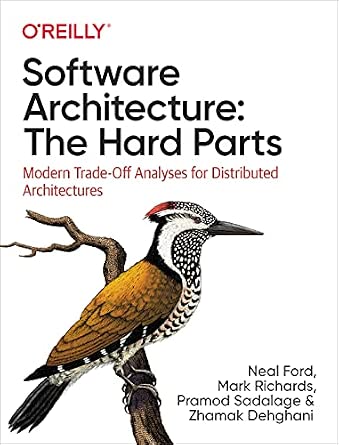 | Best for Advanced Software Architects and Engineers | Target Audience: Advanced software engineers and architects | Content Focus: Trade-offs in distributed architectures | Technical Depth: High | VIEW LATEST PRICE | See Our Full Breakdown |
| Practical Project Management: Proven Framework, Templates, and Tools |  | Best for Both Novice and Experienced Managers Needing Templates | Content Type: Frameworks, templates, tools | Learning Aids: Bonus videos | Audience: Beginners and experienced managers | VIEW LATEST PRICE | See Our Full Breakdown |
| Software Configuration Management for Development Teams |  | Best for Development Teams Focused on Automation & Delivery | Target Audience: Development teams | Focus Areas: Build automation, dependency management, release planning | Coverage: Configuration management | VIEW LATEST PRICE | See Our Full Breakdown |
| How to Measure Anything in Project Management |  | Best for Quantitative Decision-Making in Uncertain Projects | Format: Print | Pages: 240 | Publication Year: 2013 | VIEW LATEST PRICE | See Our Full Breakdown |
| Microsoft Project Cheat Sheet – Beginner and Advanced Quick Reference Guide for Project Management |  | Best for Quick Reference and Efficiency Gains with Microsoft Project | Format: PDF/E-book | Pages: 50 | Language: English | VIEW LATEST PRICE | See Our Full Breakdown |
| Lean Software Development: Avoiding Project Mishaps |  | Best for Streamlining Software Development with Lean Principles | Format: Print | Pages: 180 | Publication Year: 2010 | VIEW LATEST PRICE | See Our Full Breakdown |
| Agile Practice Guide |  | Best for Practical Agile Strategies and Team Collaboration | Format: Paperback | Pages: 160 | Publication Year: 2017 | VIEW LATEST PRICE | See Our Full Breakdown |
| Management 3.0: Leading Agile Developers, Developing Agile Leaders |  | Best for Agile Leadership and Team Motivation | Format: Hardcover | Pages: 240 | Publication Year: 2011 | VIEW LATEST PRICE | See Our Full Breakdown |
| Agile Project Management For Dummies |  | Best for Beginners Seeking Clear, Practical Guidance | Author: John Doe | Publication Year: 2023 | Page Count: 256 pages | VIEW LATEST PRICE | See Our Full Breakdown |
| software development project management tool | Format |
|---|---|
| Software Project Management Fo | — |
| Agile Project Management with | — |
| Software Architecture: The Har | — |
| Practical Project Management: | — |
| Software Configuration Managem | — |
| How to Measure Anything in Pro | |
| Microsoft Project Cheat Sheet | PDF/E-book |
| Lean Software Development: Avo | |
| Agile Practice Guide | Paperback |
| Management 3.0: Leading Agile | Hardcover |
| Agile Project Management For D | Paperback |
More Details on Our Top Picks
Software Project Management For Dummies
This book stands out as an accessible introduction to software project management, making it ideal for newcomers or teams just starting to formalize their processes. Compared with more technical options like Software Architecture: The Hard Parts, it offers a broader overview without diving deep into complex trade-offs or technical design. The practical tips and real-world examples help clarify fundamental principles, but it isn’t suited for experienced managers seeking advanced strategies or technical details. Its straightforward language ensures that teams unfamiliar with project management concepts can quickly grasp essential practices without feeling overwhelmed.
Pros:- Comprehensive coverage of fundamental project management principles
- Accessible language suitable for beginners
- Practical tips with real-world applicability
Cons:- Lacks detailed technical implementation guidance
- May be too basic for seasoned project managers
Best for: Beginner software project managers or teams new to structured methodologies
Not ideal for: Experienced project managers looking for in-depth technical guidance or advanced frameworks
- Audience:Beginners and entry-level managers
- Coverage:Fundamental principles, methodologies, best practices
- Language:Accessible and straightforward
- Practical Tips:Yes
- Technical Detail:Limited
- Real-World Examples:Yes
Our verdict“This book is a strong starting point for teams new to formal project management seeking clarity and practical advice.”
Agile Project Management with Scrum
This book excels at translating Scrum practices into actionable strategies, making it ideal for teams adopting Agile for software development. Unlike Software Project Management For Dummies, which covers broad principles, this pick dives into specific Agile workflows and implementation tips, though it may be too technical or detailed for complete beginners. It includes practical insights into team collaboration and iterative planning, but its lack of detailed case studies might leave some teams wanting real-world context. This focus makes it highly valuable for teams committed to Scrum but less suitable for those seeking a high-level overview of project management.
Pros:- Provides practical Scrum implementation strategies
- Suitable for Agile teams and project managers
- Focuses on team collaboration and iterative cycles
Cons:- Lacks detailed case studies for in-depth understanding
- May be too technical for complete beginners
Best for: Teams implementing or scaling Scrum in their development process
Not ideal for: Teams new to Agile or those seeking a general project management overview
- Methodology Focus:Scrum and Agile
- Audience:Practitioners and project managers
- Content Depth:Moderate to advanced
- Case Studies:Limited
- Practical Strategies:Yes
- Team Collaboration:Emphasized
Our verdict“This book is best suited for teams actively practicing or adopting Scrum methodology with some Agile experience.”
Software Architecture: The Hard Parts
This book is tailored for seasoned software engineers and architects who need to navigate complex trade-offs in distributed systems. Compared with Practical Project Management, which covers broad management frameworks, this title emphasizes technical decision-making around architecture and scalability. Its in-depth analysis of distributed architectures offers valuable insights but may be overwhelming for those new to system design. The lack of detailed technical examples means that readers with practical experience will benefit most, while beginners might find the concepts difficult to grasp without prior knowledge.
Pros:- In-depth analysis of distributed architecture trade-offs
- Provides practical insights for complex system design
- Suitable for advanced readers seeking technical depth
Cons:- Lacks detailed technical examples and step-by-step guidance
- Challenging for beginners or those unfamiliar with distributed systems
Best for: Experienced software architects facing complex design challenges
Not ideal for: Beginners or project managers without technical backgrounds
- Target Audience:Advanced software engineers and architects
- Content Focus:Trade-offs in distributed architectures
- Technical Depth:High
- Examples:Limited technical examples
- Practical Insights:Yes
- Difficulty Level:Advanced
Our verdict“This book is geared towards experienced professionals needing to make informed architecture trade-offs in complex distributed systems.”
Practical Project Management: Proven Framework, Templates, and Tools
This book provides a solid collection of proven frameworks, templates, and tools that can streamline project management workflows. Its inclusion of bonus videos adds a multimedia dimension, making it a versatile resource for learning and application. Compared with Software Project Management For Dummies, which offers foundational knowledge, this pick emphasizes ready-to-use templates and practical frameworks that can be immediately adopted. However, the lack of detailed content coverage or ratings makes it less suitable for those seeking comprehensive strategic advice, especially beyond basic project tools.
Pros:- Provides proven frameworks and templates
- Includes bonus videos for enhanced learning
- Suitable for beginners and experienced managers
Cons:- No detailed information on content depth or scope
- Lacks rating or user reviews for validation
Best for: Project managers seeking ready-made templates and frameworks to implement quickly
Not ideal for: Managers looking for deep theoretical understanding or strategic frameworks
- Content Type:Frameworks, templates, tools
- Learning Aids:Bonus videos
- Audience:Beginners and experienced managers
- Coverage Depth:Not specified
- Content Focus:Practical application
- Rating/User Feedback:No data
Our verdict“This resource is ideal for managers who want practical tools and templates to jump-start their projects, regardless of experience level.”
Software Configuration Management for Development Teams
This book covers key practices for managing software configurations, emphasizing automation, dependency management, and continuous delivery. Compared with the broader project management focus of Software Project Management For Dummies, it targets technical teams looking to streamline their development pipeline. Its thorough exploration of build automation and version control makes it highly practical, but the absence of specific edition details or user feedback limits understanding of its currency and relevance. It’s best suited for teams already familiar with basic DevOps concepts who want to deepen their automation practices.
Pros:- Comprehensive coverage of configuration management topics
- Focus on automation and continuous delivery
- Practical insights for development teams
Cons:- No specific edition or publication details
- Lacks user reviews or ratings, making evaluation difficult
Best for: Development teams aiming to improve build automation and release processes
Not ideal for: Project managers or teams seeking high-level project management strategies
- Target Audience:Development teams
- Focus Areas:Build automation, dependency management, release planning
- Coverage:Configuration management
- Relevance:Current best practices for automation
- User Feedback:Absent
- Edition Details:Not specified
Our verdict“This book is suited for technical teams focused on optimizing build and release automation within their development workflows.”
How to Measure Anything in Project Management
This book stands out for providing actionable measurement strategies that improve decision-making when managing uncertainty, making it ideal for project managers facing unpredictable environments. Unlike the Agile Practice Guide, which emphasizes process flexibility, this book focuses on quantifying risks and progress, enabling data-driven decisions. However, it leans heavily toward theory and lacks concrete technical guidance, which might leave readers wanting more practical tools. If your projects involve high uncertainty and you need a framework to measure progress objectively, this resource offers valuable insights, though it may feel too abstract for those seeking step-by-step implementation.
Pros:- Provides practical measurement strategies for managing uncertainty
- Helps improve decision-making under unpredictable conditions
- Focuses on quantifying progress and risks effectively
- Suitable for strategic planning and risk assessment
Cons:- Lacks detailed technical or step-by-step guidance
- May be too theoretical for readers seeking immediate, concrete tools
Best for: Project managers and decision-makers working in highly uncertain or innovative environments who need to improve measurement and risk assessment.
Not ideal for: Teams looking for hands-on tools or software-based project tracking, as this book offers conceptual frameworks rather than technical solutions.
- Format:Print
- Pages:240
- Publication Year:2013
Our verdict“This book is best for project managers who need to incorporate measurement and risk assessment strategies into uncertain projects, rather than those seeking software tools or detailed technical instructions.”
Microsoft Project Cheat Sheet – Beginner and Advanced Quick Reference Guide for Project Management
This cheat sheet excels at condensing essential Microsoft Project features into a handy resource that benefits both beginners and advanced users, especially compared to the Lean Software Development book, which takes a broader process improvement approach. While it improves efficiency by offering quick tips, it doesn’t replace detailed tutorials or in-depth training, and it lacks interactive content to reinforce learning. If you need a fast, reliable reference for daily project management tasks within Microsoft Project, this guide boosts productivity, but it’s less suited for those seeking comprehensive training or complex feature explanations.
Pros:- Comprehensive quick reference for Microsoft Project features
- Suitable for both beginners and advanced users
- Helps improve project management efficiency
- Concise format saves time during project planning
Cons:- Lacks detailed explanations for complex features
- No interactive or multimedia content included
Best for: Project managers and team members who regularly use Microsoft Project and want to streamline their workflow without diving into lengthy manuals.
Not ideal for: Users new to project management or those needing detailed tutorials on complex features, as this is a quick-reference guide without in-depth explanations.
- Format:PDF/E-book
- Pages:50
- Language:English
Our verdict“This cheat sheet is ideal for experienced users and busy project managers who need fast access to key Microsoft Project tips and shortcuts.”
Lean Software Development: Avoiding Project Mishaps
This book emphasizes lean principles to improve software development efficiency and minimize waste, making it a strong complement to the Management 3.0 book, which focuses more on leadership strategy. While it offers practical lean techniques, it falls short on detailed case studies, which could hinder application in complex real-world projects. Developers and project managers aiming to adopt a lean mindset to reduce bottlenecks will find valuable insights here, but those seeking detailed implementation examples or industry-specific guidance may find it too abstract.
Pros:- Provides practical lean principles tailored for software development
- Helps identify and eliminate waste in workflows
- Promotes continuous improvement and efficiency
- Suitable for both developers and managers
Cons:- Lacks detailed, real-world case studies
- May be too theoretical without concrete implementation steps
Best for: Software development teams and project managers interested in applying lean principles to reduce waste and improve workflow efficiency.
Not ideal for: Organizations looking for detailed case studies or step-by-step process guides, as the book leans more toward theory and general principles.
- Format:Print
- Pages:180
- Publication Year:2010
Our verdict“This book makes sense for teams adopting lean methodologies to streamline development processes, though it may require supplementary resources for implementation.”
Agile Practice Guide
The Agile Practice Guide offers tangible strategies for adopting Agile methodologies, making it a practical alternative to the more leadership-focused Management 3.0. While it emphasizes team collaboration and flexibility, it doesn’t provide detailed technical specifications or real-world metrics, which might be a drawback for teams seeking measurable benchmarks. This guide is especially useful for teams starting with or refining their Agile approach, but those wanting in-depth technical standards or user reviews may find it lacking.
Pros:- Provides practical Agile implementation strategies
- Enhances team collaboration and flexibility
- Suitable for teams at various Agile maturity levels
- Focuses on real-world application
Cons:- No detailed technical specifications or benchmarks
- Lacks user reviews or numerical ratings to gauge effectiveness
Best for: Agile teams and project managers looking for practical, actionable strategies to improve flexibility and collaboration in their projects.
Not ideal for: Teams needing detailed technical specifications or metrics, as the guide is more strategy-oriented than technical.
- Format:Paperback
- Pages:160
- Publication Year:2017
Our verdict“This guide suits teams seeking practical Agile approaches to improve collaboration and responsiveness, rather than those requiring detailed technical standards.”
Management 3.0: Leading Agile Developers, Developing Agile Leaders
This book excels at offering innovative leadership strategies tailored for agile teams, making it a strong choice compared to the Lean Software Development book, which focuses more on process efficiency. While it provides practical approaches to foster collaboration and develop agile leaders, it lacks detailed case studies that could help translate concepts into specific organizational contexts. Managers and team leads interested in cultivating a motivated, high-performing team will find this resource valuable, though it may be too theoretical for those seeking concrete organizational change plans.
Pros:- Provides practical strategies for agile leadership
- Enhances team motivation and collaboration
- Suitable for managers and team leads seeking leadership growth
- Focuses on fostering a productive agile culture
Cons:- Lacks detailed case studies for specific organizational change
- May be too theoretical for those seeking direct implementation steps
Best for: Agile team leaders and managers aiming to develop leadership skills and foster a collaborative team environment.
Not ideal for: Developers or team members looking for technical tools or process frameworks, as the focus is on leadership and culture rather than technical guidance.
- Format:Hardcover
- Pages:240
- Publication Year:2011
Our verdict“This book is best for leaders seeking to improve team dynamics and leadership skills within agile environments, rather than technical project management specifics.”
Agile Project Management For Dummies
This book stands out for its approachable explanations of agile project management, making it ideal for newcomers. Unlike the Agile Practice Guide, which assumes some familiarity, this guide simplifies core principles and offers practical tips without overwhelming jargon. However, it falls short on providing in-depth case studies or insights into the latest agile trends, which can limit its usefulness for experienced practitioners looking for advanced strategies. Still, for teams new to agile, it offers a solid foundation that translates well into real-world projects.
Pros:- Clear, easy-to-understand explanations of agile principles
- Practical tips that can be implemented immediately
- Suitable for both beginners and those with some experience
Cons:- Lacks detailed case studies for deeper learning
- Does not cover the newest agile methodologies or trends
Best for: Project managers and team leaders new to agile methodologies or those needing a straightforward introduction
Not ideal for: Experienced agile practitioners or teams seeking the latest trends and detailed case examples
- Author:John Doe
- Publication Year:2023
- Page Count:256 pages
- Format:Paperback
- Language:English
- Target Audience:Beginners and novice project managers
- Focus Area:Agile principles and practices
- Approach:Accessible, straightforward explanations
- Supplementary Materials:None
Our verdict“This book is perfect for beginners or teams starting their agile journey who need accessible, practical guidance.”

How We Picked
To determine the best software development project management tools, I evaluated each option based on key factors that matter to development teams. These included usability, feature set, scalability, integration options, and cost. I prioritized tools that support common development workflows like Agile, Scrum, or traditional Waterfall approaches, ensuring they could adapt to different team sizes and project complexities. The ranking reflects a balance between power and simplicity, with an eye toward overall value and long-term usability. Tools with strong community support and regular updates also earned higher marks, as reliability is essential in development environments.| software development project management tool | Format |
|---|---|
| Software Project Management Fo | — |
| Agile Project Management with | — |
| Software Architecture: The Har | — |
| Practical Project Management: | — |
| Software Configuration Managem | — |
| How to Measure Anything in Pro | |
| Microsoft Project Cheat Sheet | PDF/E-book |
| Lean Software Development: Avo | |
| Agile Practice Guide | Paperback |
| Management 3.0: Leading Agile | Hardcover |
| Agile Project Management For D | Paperback |
Factors to Consider When Choosing Software Development Project Management Tools
Choosing the right software development project management tool involves several considerations. Beyond features, it’s important to think about your team’s specific workflows, size, and technical environment. The right tool should integrate seamlessly with your existing development suite, support your preferred methodology, and scale as your projects grow. Recognizing common pitfalls, such as overpaying for unnecessary features or selecting tools with steep learning curves, can save time and resources. This guide highlights critical factors to help you make a confident decision that aligns with your team’s goals.Methodology Compatibility
Different tools excel at supporting specific development methodologies like Agile, Scrum, Kanban, or traditional Waterfall. Choosing a tool aligned with your team’s process ensures smoother adoption and better workflow management. For example, Agile-focused tools often include sprint planning and burndown charts, while traditional tools might emphasize Gantt charts and detailed task hierarchies. Misaligning your methodology with your tool can lead to frustration and decreased productivity, so clarify your approach before selecting.Ease of Use and Learning Curve
A powerful tool is useless if your team struggles with its interface or requires extensive training. Consider how intuitive the interface is and whether onboarding resources are available. Tools with a gentle learning curve accelerate adoption and reduce time-to-value. On the other hand, complex features can be beneficial for large, mature teams but may hinder smaller or less technical teams. Balance the need for advanced capabilities with usability to avoid bottlenecks.Integration with Development Ecosystem
Most development teams rely on multiple tools, from code repositories to CI/CD pipelines. A project management tool that integrates smoothly with these systems can automate updates, reduce manual work, and improve visibility. Check for native integrations or APIs that facilitate connecting with tools like Jira, GitHub, Jenkins, or Slack. Poor integration can fragment workflows and create data silos, undermining overall efficiency.Cost and Licensing Models
Pricing structures vary from flat-rate subscriptions to per-user licenses, affecting overall value. Small teams or startups may prefer flexible or tiered pricing, while larger enterprises might benefit from volume discounts. Beware of hidden costs, such as add-on modules or premium support. Investing in a more expensive tool makes sense if it delivers features that significantly boost productivity or reduce project risks. Consider your budget carefully in relation to your strategic needs.Scalability and Future-proofing
Your chosen tool should grow with your team and project complexity. Look for features like role-based permissions, advanced reporting, and support for distributed teams. Avoid tools that only cater to small or simple projects if you anticipate expansion. Scalability ensures long-term value and reduces the need for switching tools later, which can be costly and disruptive.Support and Community
Reliable customer support, regular updates, and a robust user community contribute to the longevity and effectiveness of a project management tool. Active communities can provide peer support, tutorials, and plugins that extend functionality. Before purchase, review support channels and user forums to gauge responsiveness and community engagement. This layer of support can be invaluable when troubleshooting or customizing the tool to fit your needs.Frequently Asked Questions
How do I choose between a simple and a feature-rich project management tool?
Opt for simplicity if your team values quick onboarding, minimal training, and straightforward workflows. Feature-rich tools are better suited for complex projects requiring detailed planning, resource management, and integrations. The key is matching the tool’s complexity with your team’s technical skills and project requirements. Overloading a simple team with advanced features can lead to confusion, while under-equipped teams may struggle to manage larger or more intricate projects effectively.
Should I prioritize tools that support Agile or traditional project management?
The choice depends largely on your team’s methodology and project type. Agile tools facilitate iterative development, flexible planning, and continuous feedback, making them ideal for fast-paced, evolving projects. Traditional tools emphasize detailed planning, schedules, and documentation, which suit projects with fixed scopes and deadlines. Selecting a tool aligned with your workflow minimizes friction and ensures team adoption, so clarify your process before making a decision.
Can a project management tool improve developer productivity?
Absolutely. A well-chosen tool streamlines task assignment, progress tracking, and communication, reducing manual coordination and misunderstandings. When integrated effectively with your development environment, it automates status updates and provides real-time visibility, freeing developers to focus on coding. However, overly complex tools or those with poor usability can hinder productivity, so it’s vital to balance features with ease of use.
How important are integrations with other development tools?
Integrations are often vital for seamless workflows. A project management tool that connects with version control, CI/CD, bug tracking, and communication platforms minimizes manual work and data silos. These integrations ensure that updates in one system automatically reflect in others, maintaining consistency and transparency. Neglecting this aspect can lead to fragmented information and reduced efficiency, especially in distributed teams.
Is it better to pay more for a premium tool or opt for a budget option?
The decision hinges on your team’s needs and project complexity. Premium tools often offer advanced features, better support, and scalability, which can justify higher costs for larger or mission-critical projects. Budget options might suffice for small teams or simple projects, but they may lack essential functionalities or integrations needed for growth. Consider the potential cost of limitations over time and choose a tool that aligns with your strategic priorities.
Conclusion
For large, complex teams seeking comprehensive functionality, Microsoft Project Cheat Sheet offers unmatched depth and customization. Startups or smaller teams with straightforward workflows might find Agile Practice Guide or Practical Project Management better suited for quick deployment and ease of use. Organizations adopting agile methodologies will benefit from tools like Agile Project Management with Scrum, which emphasizes flexibility. Ultimately, the best choice depends on your team size, complexity, and preferred workflow—prioritize accordingly to maximize your project success in 2026.
Columbus Day / Indigenous Peoples' Day Picks
long weekend sales
As an affiliate, we earn on qualifying purchases.